Fuel theft appears to be rising alongside global fuel prices, but the true scale is disputed. Industry firms and independent researchers report notable increases in drive-offs, first-time offenders and commercial diesel theft, particularly in the U.K. and North America. Many statistics originate from companies that sell surveillance and debt-recovery services, so their figures should be interpreted cautiously. At the same time, large-scale illegal exports and strong oil-company profits complicate the policy response, prompting proposals for windfall taxes.
Gas War: Is Fuel Theft Rising as Prices Soar?
gas war we allegedly have a fuel theft problem
As global energy prices climb, fuel theft has become a headline topic — particularly in the United Kingdom and the United States. Multiple industry and research groups report increases in drive-offs, first-time offenders and commercial fuel theft, but the scale and causes remain contested.
gas war we allegedly have a fuel theft problem
What The Data Says
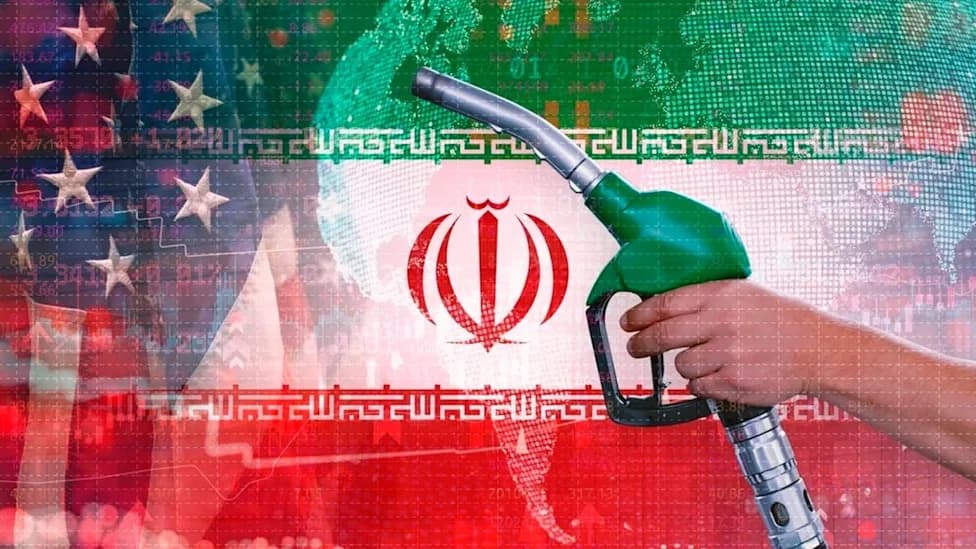
Several organizations have published striking figures. Forecourt Eye, a forecourt loss-prevention firm, reported a 23% rise in incidents involving first-time offenders and a 26% increase in the volume of fuel stolen over a recent five-month period; overall it estimated a roughly 20% increase in UK incidents since the Iran attacks. The BBC cited Pay My Fuel data indicating a 62% year-on-year rise. The RAC Foundation has documented longer-term growth, including a reported 49% rise in annual fuel theft in 2025 and a 77% increase in 2023.
gas war we allegedly have a fuel theft problem
Beware Industry Bias
Many of the most-cited figures come from businesses that sell surveillance, AI plate-recognition cameras and debt-recovery services. Those commercial interests can skew how statistics are framed — higher theft figures help sell security products. That does not invalidate the data, but it means readers and editors should treat headline percentages with caution and look for independent corroboration.
gas war we allegedly have a fuel theft problem
How Theft Is Happening
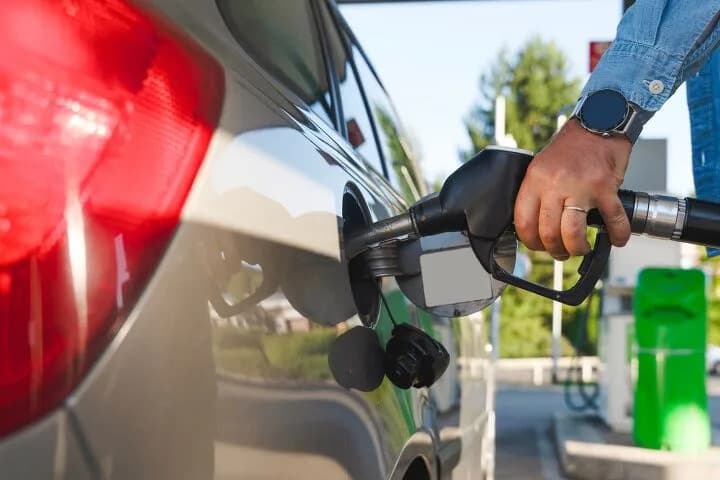
At retail forecourts, the classic drive-off still occurs, but pre-pay rules in many places have reduced its frequency. Newer patterns include:
gas war we allegedly have a fuel theft problem
- First-time offenders reportedly making up a growing share of incidents.
- Pump hacking and stolen credit cards used to pay for fuel fraudulently in the U.S.
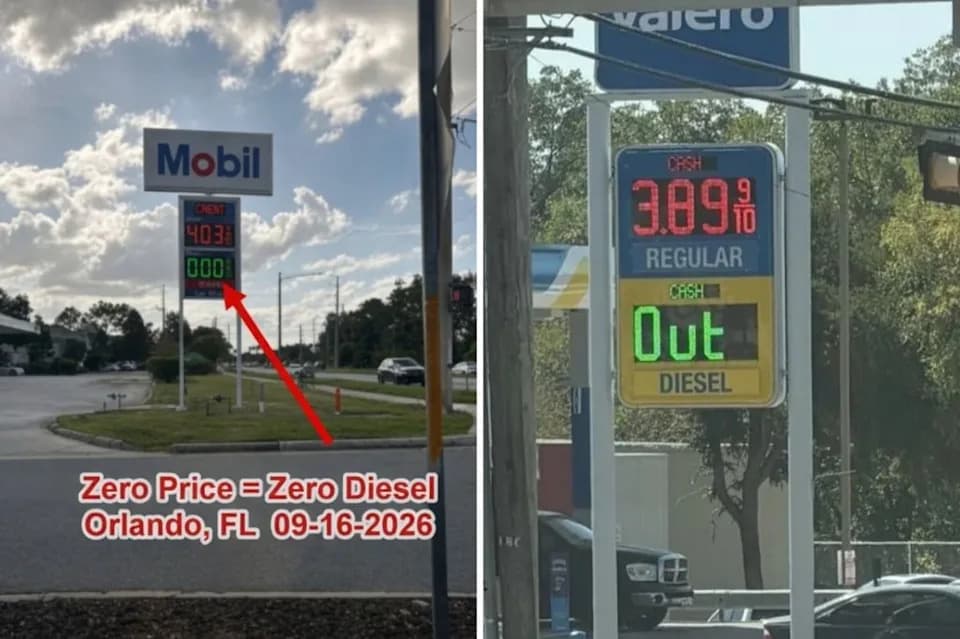
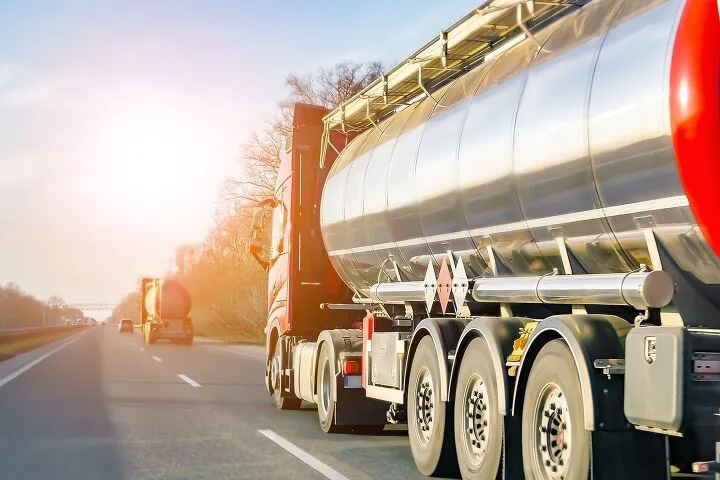
- Commercial theft targeting diesel fleets via cloned or misused fleet fuel cards — a major source of volume losses.
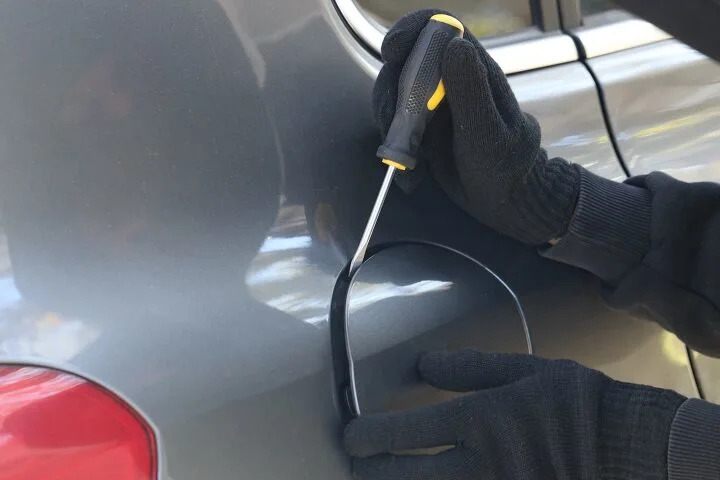
- Anecdotal reports of criminals puncturing fuel tanks to extract small quantities, though this method is messy, hazardous and likely yields limited fuel per vehicle.
Regional Differences
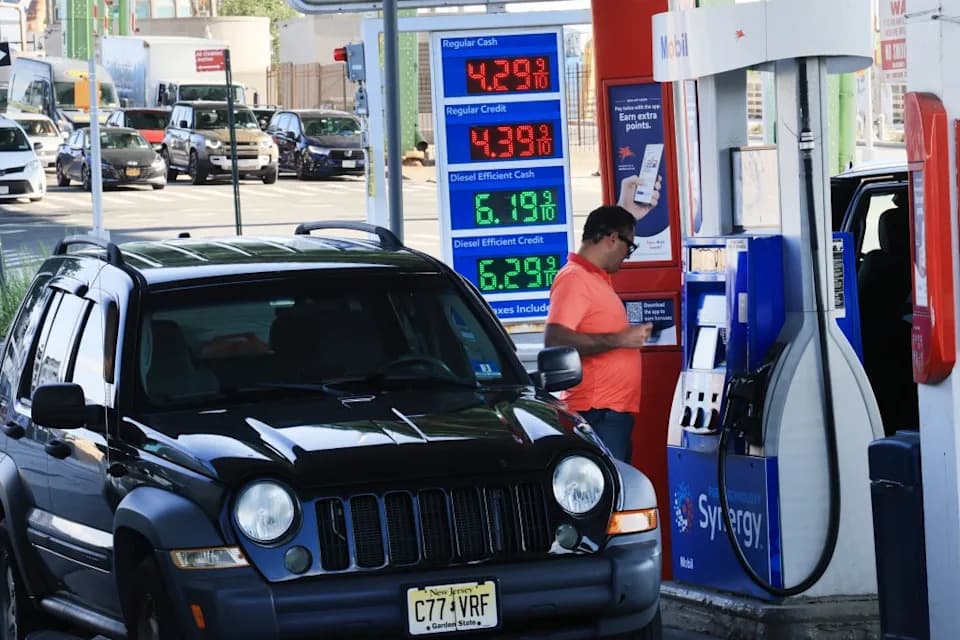
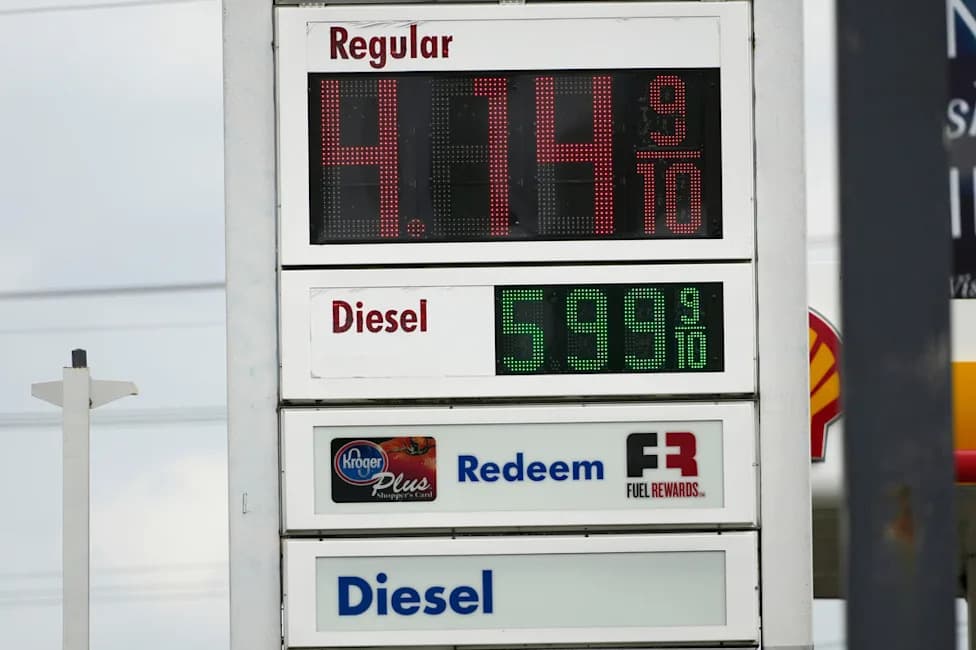
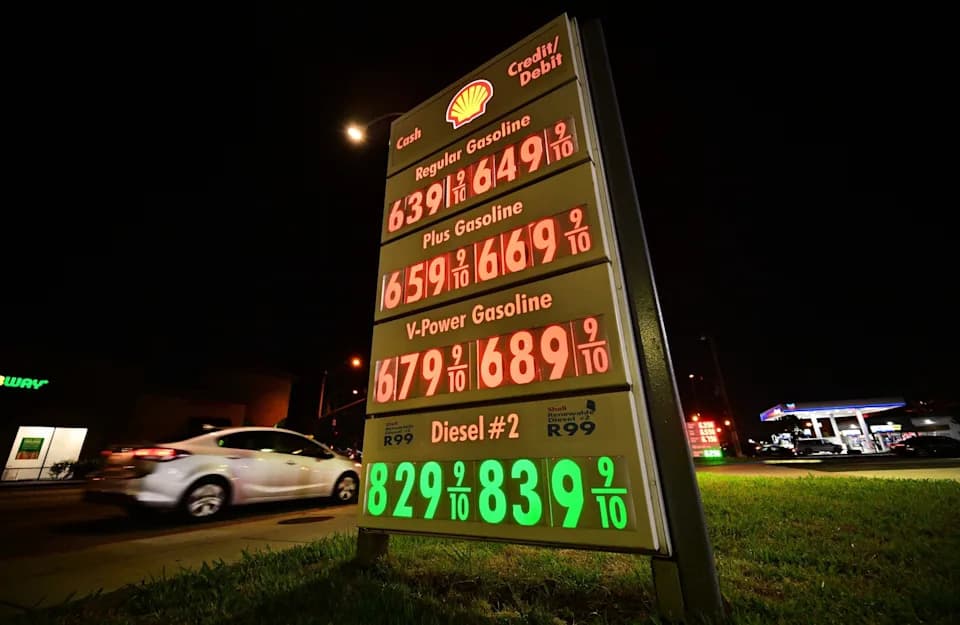
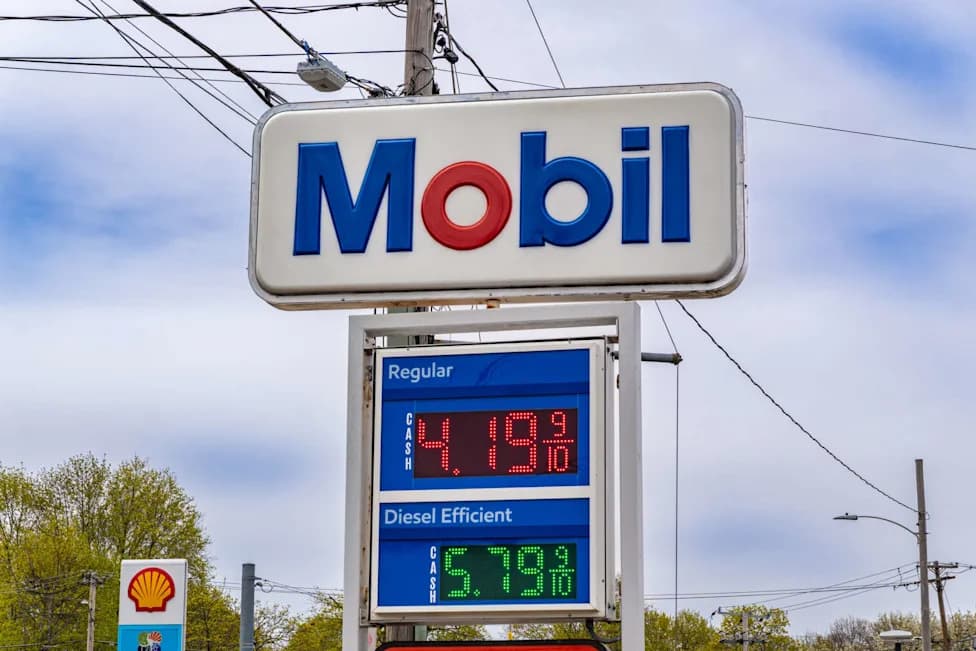
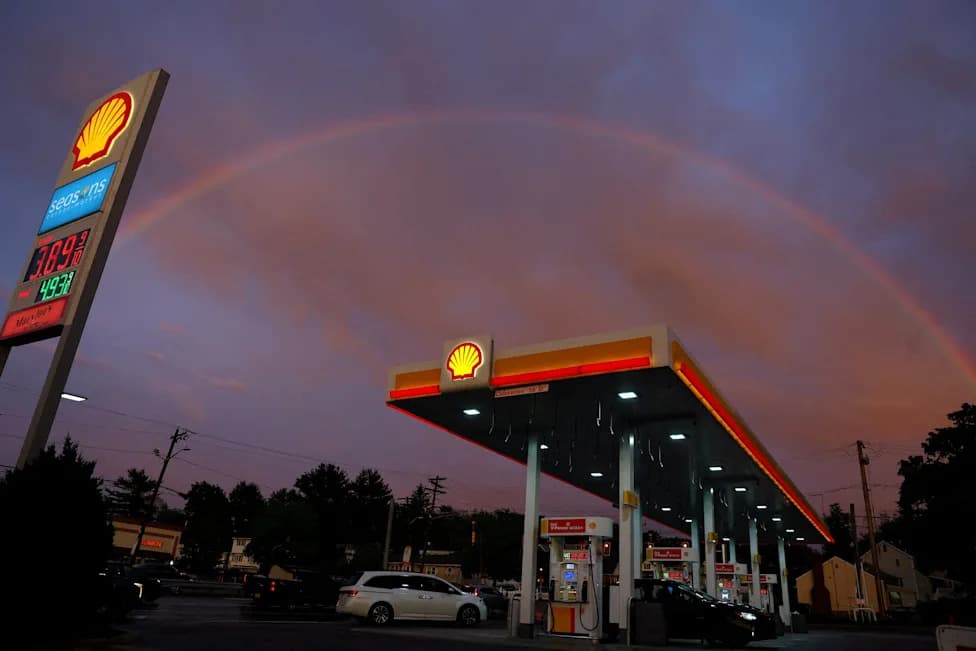
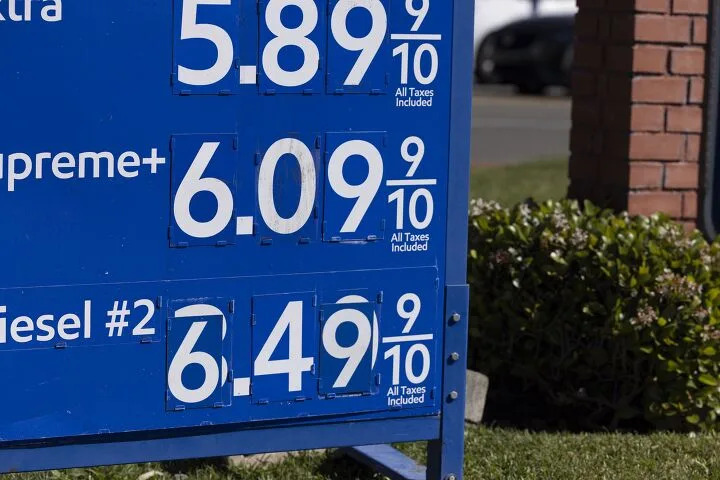
Price moves have been uneven: depending on fuel grade, UK pump prices rose by roughly 25% since February, U.S. gasoline prices increased about 45% over the same period, and Canada saw an estimated ~22% rise. These regional dynamics, plus differing forecourt practices and media coverage, help explain why the U.K. appears to show larger retail theft increases in published data than North America.
gas war we allegedly have a fuel theft problem
The Bigger Picture
Retail theft is only part of the story. Authorities have also targeted large-scale illicit fuel operations: the U.S. Treasury sanctioned Mexican entities linked to the Jalisco New Generation Cartel for exporting refined fuel and crude, reportedly generating hundreds of millions of dollars annually. At the same time, major oil companies are reporting strong profits — Chevron posted a multi-year high in quarterly earnings — and analysts estimate the sector may earn an additional ~$500 billion this year versus pre-conflict expectations. Those windfalls have prompted lawmakers to propose windfall-profit taxes in several jurisdictions.
Conclusion
Fuel theft is plausibly rising, but precise rates are unclear. Industry-sourced data points to meaningful increases, especially at the retail level in the U.K. and in commercial diesel theft in North America, yet many statistics come from vendors with a commercial stake in heightened loss figures. Policymakers and forecourt operators should combine independent analysis, improved prevention, and targeted enforcement rather than relying solely on industry press releases.
Sources referenced: Forecourt Eye, Pay My Fuel, BBC reporting, RAC Foundation, The Washington Post, U.S. Treasury sanctions announcements, corporate earnings reports (Chevron), and law enforcement estimates.
Help us improve.