Gas prices have risen amid Iran-related supply concerns and refinery problems, sparking accusations of "gouging." Rep. Tim Burchett reposted an image comparing 2008 and current crude and pump prices; fuel analyst Patrick De Haan called that comparison misleading. Analysts point to refining constraints, regional outages and geopolitical risk — not coordinated retail manipulation — as the primary drivers of higher pump prices.
Gas Expert Calls Out Congressman’s 'Gouging' Claim — The Real Reasons Pump Prices Are Rising
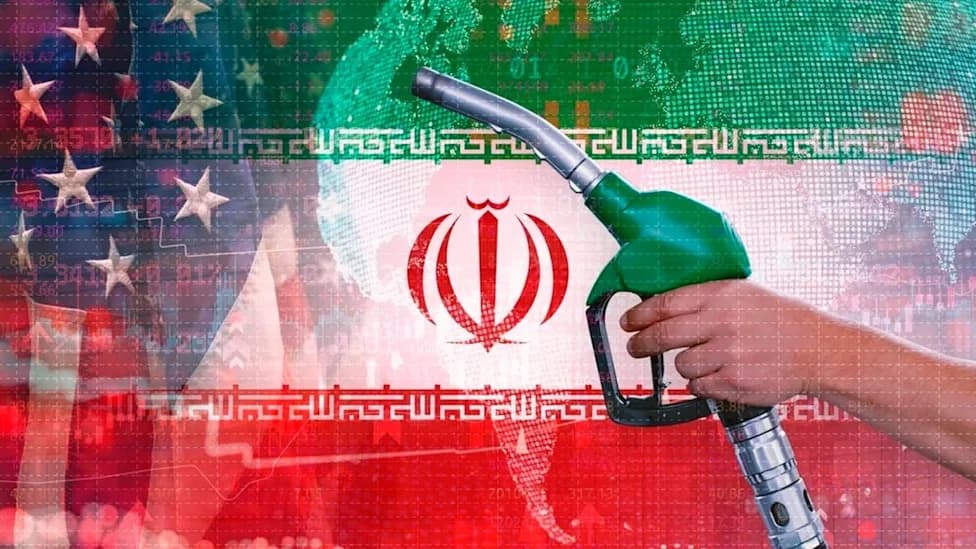
Image via Shutterstock
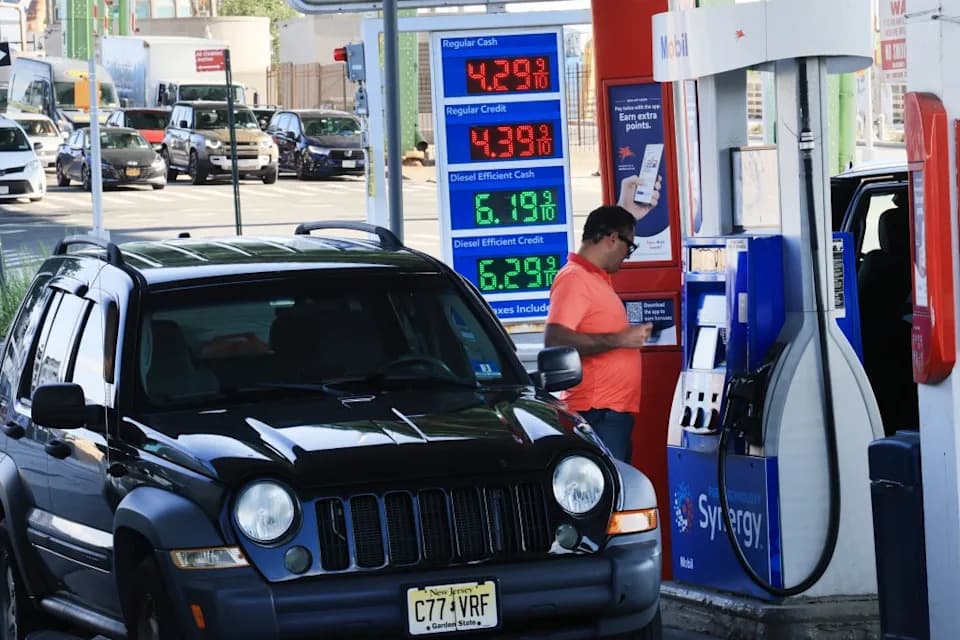
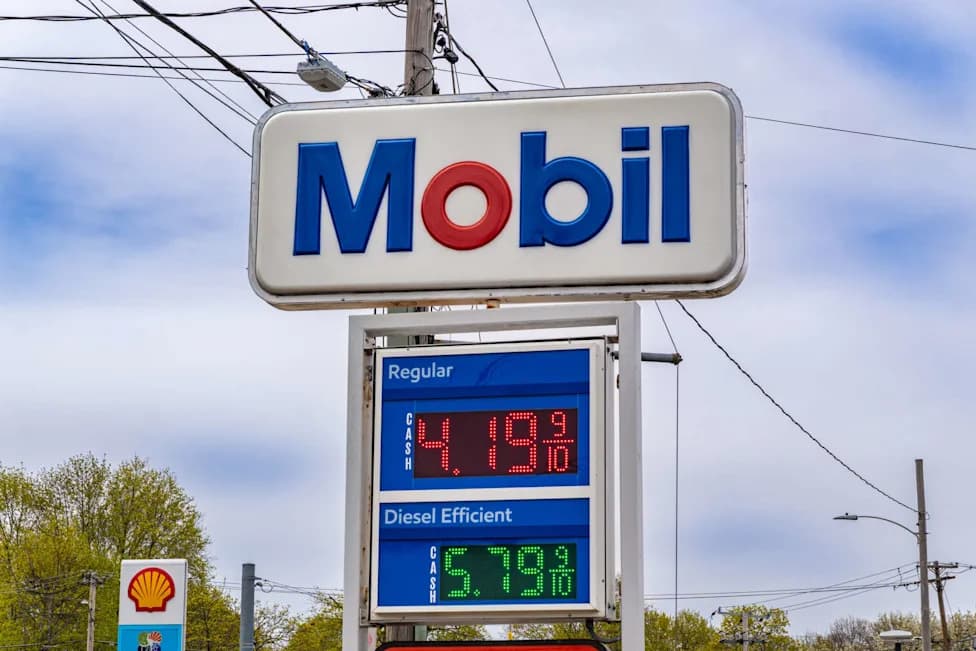
Record U.S. gasoline prices have renewed political and social-media debate as tensions involving Iran push global crude markets higher. A Tennessee congressman reposted a social-media image accusing retailers of "#Gouging," prompting a public rebuttal from fuel-market analyst Patrick De Haan.
What Was Posted
Rep. Tim Burchett (R‑Tenn.) shared an image contrasting a 2008 snapshot — crude around $147 a barrel and gasoline roughly $4.11 a gallon — with a current snapshot showing crude near $95 a barrel and gas at about $4.47 a gallon. The implication was that retailers are charging more at the pump despite cheaper crude.
Expert Rebuttal
Patrick De Haan, the GasBuddy analyst who posts as @GasBuddyGuy, pushed back on the "gouging" claim, arguing the comparison oversimplifies how prices are formed. In a public exchange he wrote that the post reflected changing rhetoric rather than changing data: "Funny how in 2022 it wasn't gouging, but now suddenly it is. It wasn't then and it isn't now. The data didn't change, you did."
"The tone was overly frustrated with the work needed to undo these types of lies. It's not gouging, it's economics, and it's frustrating that people in office openly misrepresent reality to Americans." — Patrick De Haan
Why Pump Prices Can Rise Even If Crude Is Lower
De Haan and other analysts point out several factors that break any simple 1:1 link between crude oil prices and retail gasoline prices:
- Refining Capacity and Costs: Turning crude into gasoline requires functioning refineries. Higher refining costs, maintenance, seasonal changes in fuel blends and unit outages can raise pump prices even when crude is cheaper.
- Regional Disruptions: Localized refinery outages and logistical bottlenecks — for example, disruptions affecting the Great Lakes and Midwest — can push regional prices above the national average.
- Supply-Route Risks: Geopolitical tensions, such as those around the Strait of Hormuz, tighten global supply and raise market risk premia, which can lift fuel prices across the supply chain.
- Refining Margins and Distribution: Wholesale gasoline prices depend on refining margins, distribution costs, and inventory levels; these vary over time and by region.
Political Claims And Pushback
Some social-media posts claimed that fuel prices are being kept artificially high for political reasons ahead of future elections. De Haan rejected that interpretation, noting the original posts omitted the state of refinery operations and other market dynamics that more plausibly explain the differences. "Cheap oil doesn't magically turn into gasoline," he tweeted, underscoring that crude is only one component of retail fuel pricing.
Bottom Line
Experts say the current surge in pump prices reflects a mix of geopolitical risk, refining constraints and regional outages rather than straightforward retail price manipulation. While political actors may spotlight price changes, the market drivers are more complex than the simple crude-versus-gasoline comparisons circulating on social media.
Image Credit: Shutterstock
Help us improve.