During preparatory work for an A8 autobahn expansion near Drackenstein, Germany, archaeologists exposed a roughly 300-foot section of the Roman Alblimes Road on the Swabian Alb plateau. The limestone pavement, about 16 feet wide, likely dates to Emperor Vespasian's reign (69–79 C.E.) and linked forts at present-day Rottweil and Heidenheim an der Brenz. Excavation teams from Fodilus and ArchaeoBW have recovered coins, hobnails, a Bronze Age urn, and traces of a Celtic settlement. Researchers hope to locate a Roman road station before year-end, highlighting how modern routes often echo ancient corridors.
Construction of A8 Autobahn Uncovers 2,000-Year-Old Roman Alblimes Road on the Swabian Alb
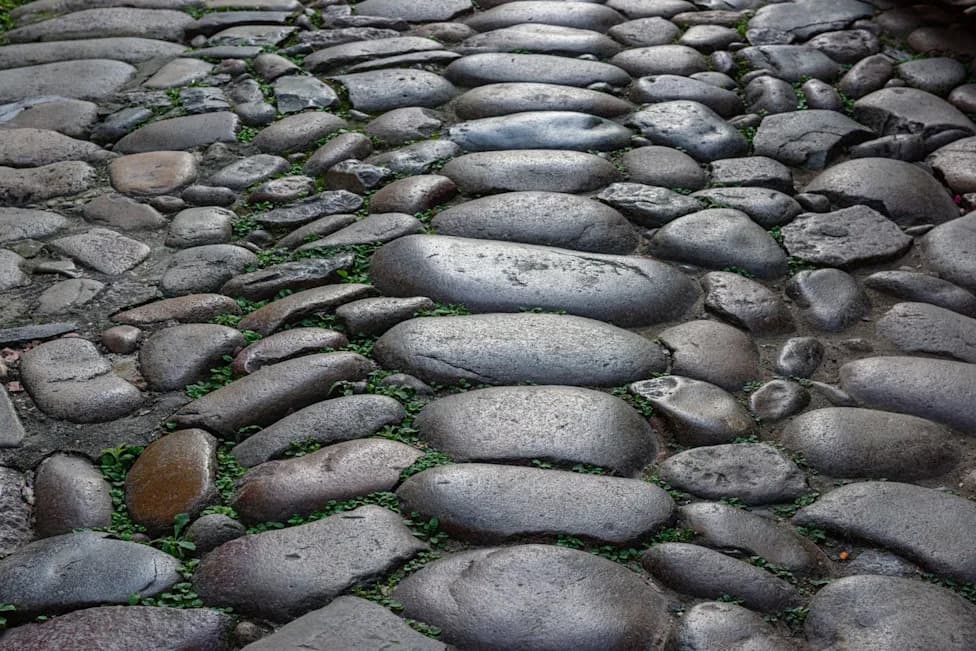
Autobahn Crews Found a Roman Superhighwayjiande wu - Getty Images
During preparatory excavations for a six-lane upgrade of the A8 autobahn between Mühlhausen im Täle and Hohenstadt near Drackenstein in southwest Germany, construction crews uncovered a well-preserved section of a Roman road dating to the first century C.E. The discovery confirms that this plateau was a favored corridor for transport and military movement more than two millennia ago.
What Archaeologists Found
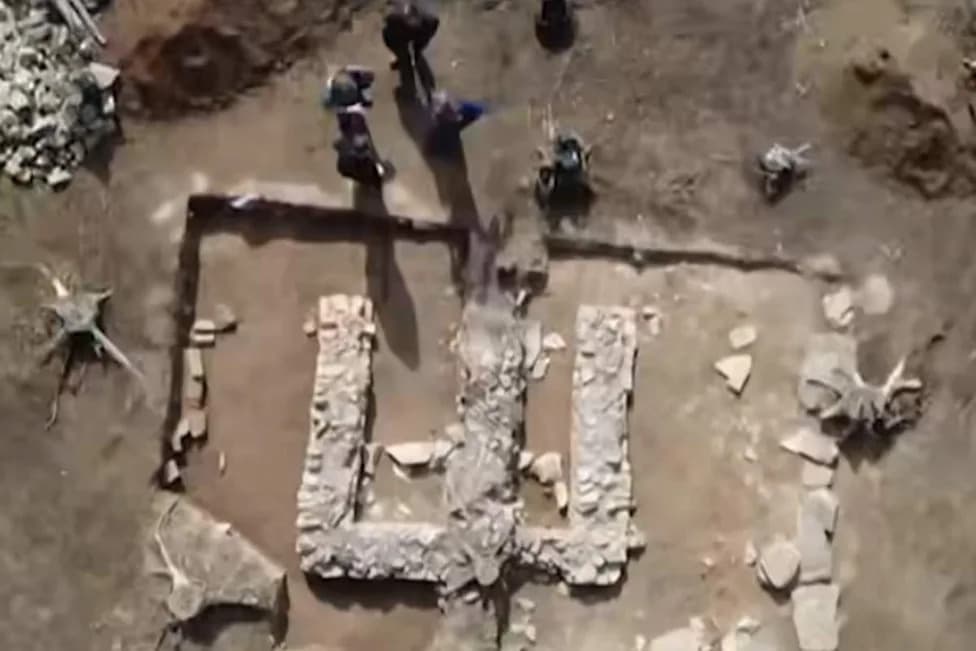
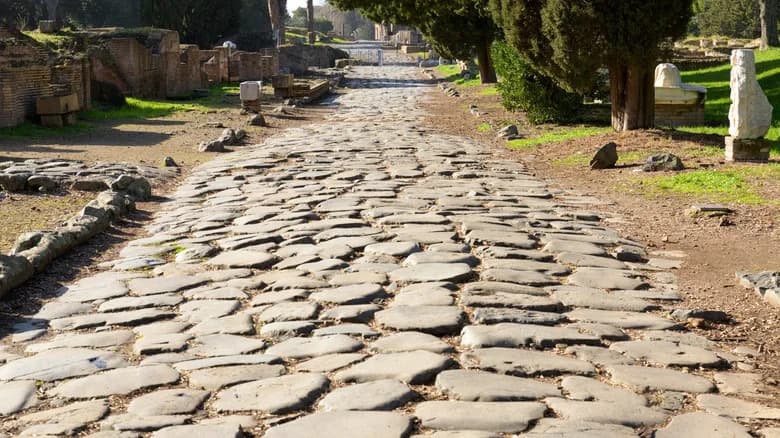
Excavation teams exposed roughly a 300-foot (about 91 m) stretch of pavement built from pale Jurassic limestone on the Swabian Alb plateau. The surviving road surface measures approximately 16 feet (about 5 m) across and corresponds to the route known as the Alblimes Road, a primary artery linking Roman frontier positions.
The findings shed light on the origins, significance, and use of one of the oldest roads in Baden-Württemberg,
— Dr. René Wollenweber, case officer for infrastructural corridor projects at the State Office for Monument Preservation (translated).
Historical Significance
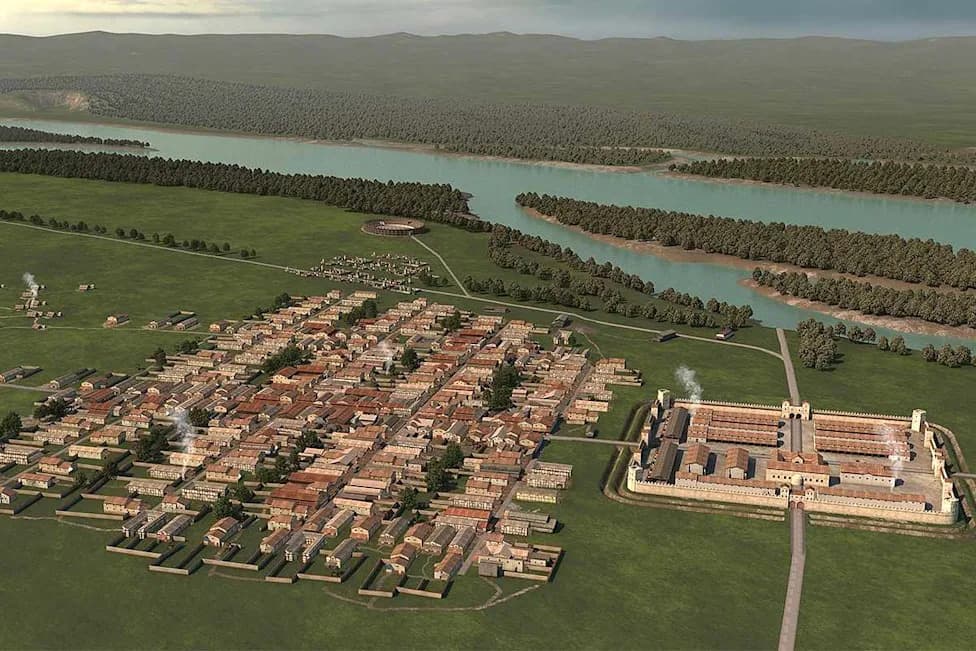
Archaeologists date the roadway to the reign of Emperor Vespasian (69–79 C.E.), when the Roman province of Germania Superior was being organized. The Alblimes Road connected forts and camps that once topped the plateau and ran between sites now identified as Rottweil and Heidenheim an der Brenz. Because the Swabian Alb forms a natural land bridge spanning more than 120 miles, Roman military planners exploited the plateau to link frontier installations; the road may also have marked a boundary between Roman-controlled territory and adjacent independent Germanic lands.
Artifacts And Earlier Occupation
Two specialist excavation firms, Fodilus and ArchaeoBW, have so far excavated about two-thirds of the targeted area and recovered a range of artifacts that illustrate long-term use of the site:
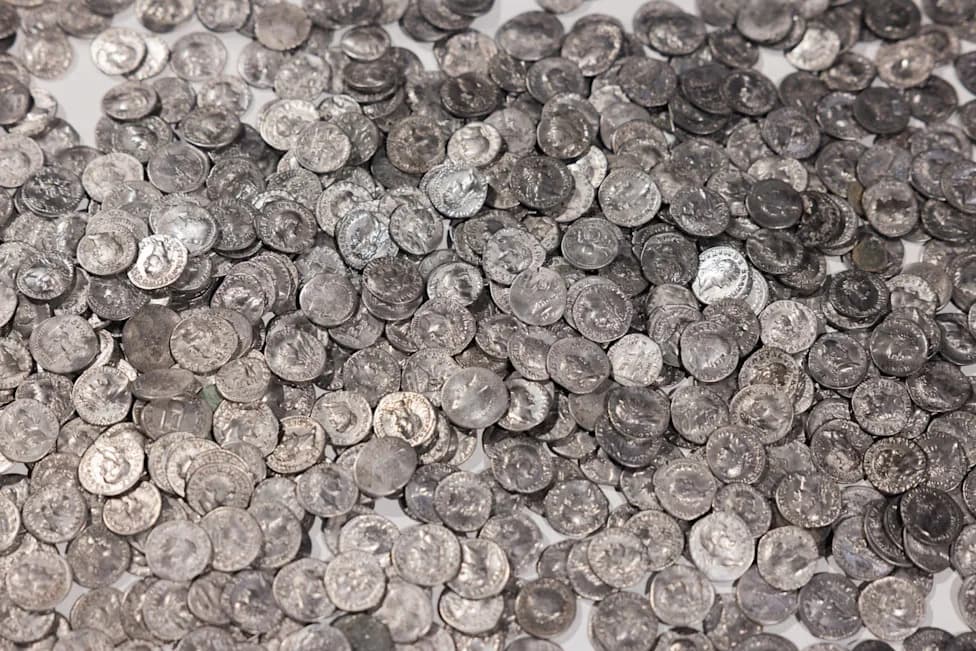
- A Roman coin bearing an emperor's portrait (possibly Domitian)
- Iron hobnails from Roman footwear
- A Late Bronze Age burial urn and traces of an earlier Celtic settlement
- A bronze roll-headed pin
These finds show that the location saw activity well before and after the Roman occupation, deepening understanding of regional continuity and change.
Ongoing Work And Expectations
Archaeologists hope further excavation will reveal a Roman road station (mutatio or mansio) where wagons could be serviced and horses changed. If identified, such a facility would provide direct evidence of the logistical infrastructure that supported Roman movement across the Alb. The teams expect to complete fieldwork and clarify the site's function before the end of the year, while construction proceeds with preservation measures in place.
Why It Matters: The discovery underscores how modern transport routes often follow ancient corridors dictated by geography. It also adds a vivid chapter to Baden-Württemberg’s cultural heritage and helps local communities connect with the deep history of the Swabian Alb.
Help us improve.