Geophysical surveys have revealed a previously unknown Roman town along Austria's Danube Limes, featuring a planned street grid and an amphitheater for about 8,000 spectators. Founded around 80 AD and apparently abandoned by about 180 AD, the settlement grew around a garrison of roughly 500 soldiers and may have controlled a Danube crossing. Large burial mounds point to wealthy inhabitants, and researchers suggest the site could be the Claudivium mentioned by Ptolemy. An international team plans long-term surveys and targeted excavations to determine the site's role in Rome's frontier system.
Lost Roman City With 8,000-Seat Amphitheater Unearthed Along Austria's Danube Limes
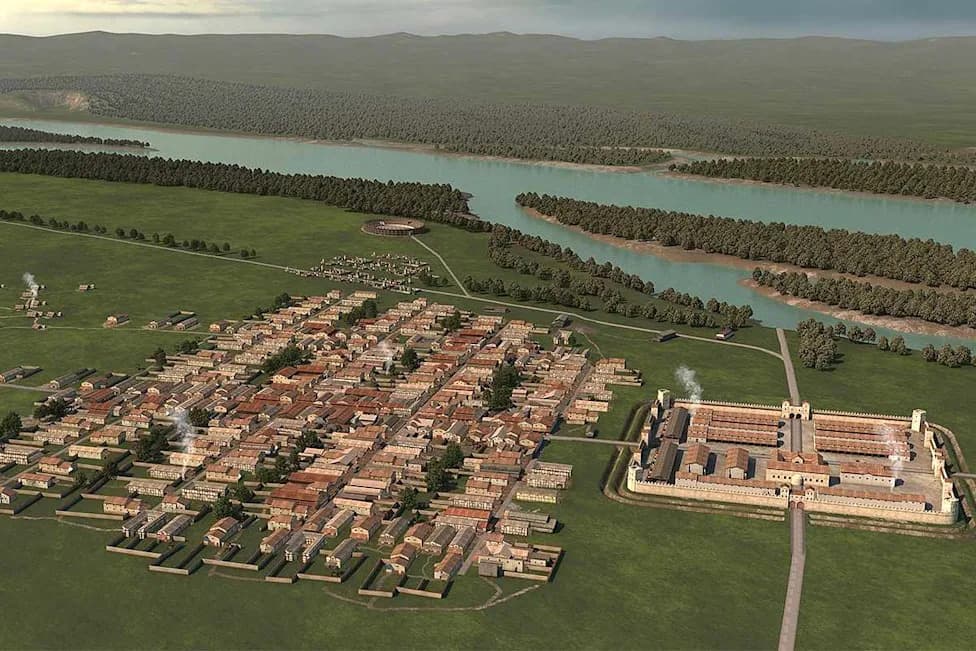
A model of the cityCredit: Danube Limes
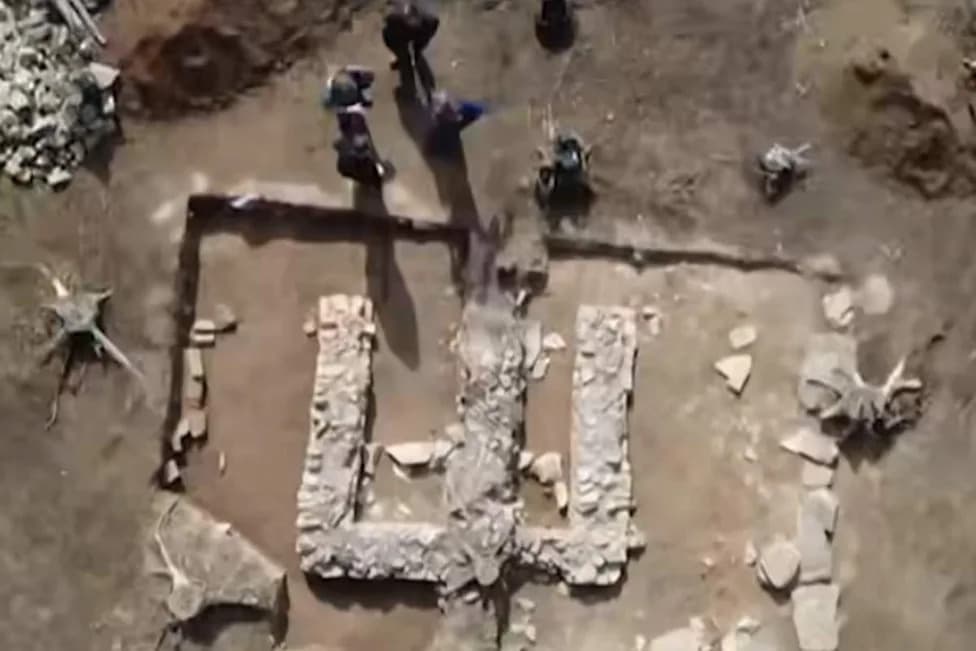
Archaeologists have identified the remains of a previously unknown Roman town along Austria's Danube Limes, revealing a planned urban grid and an amphitheater estimated to seat about 8,000 people. Geophysical surveys mapped an urban area of roughly 60–75 acres, with regular streets, forts, cemeteries and large burial mounds.
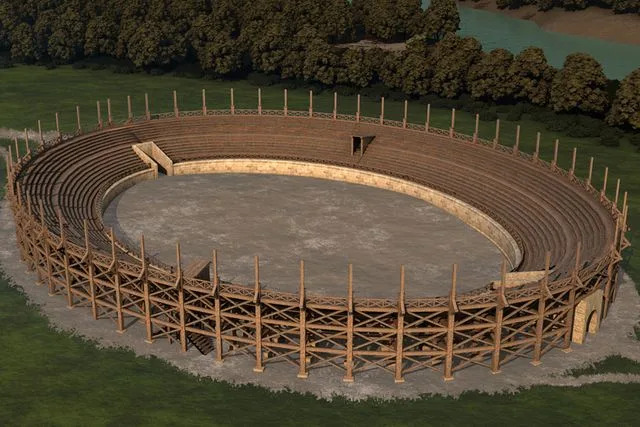
A model of the amphitheaterCredit: Danube Limes
Discovery and Dating
Investigations by an international team from Forum Donaulimes, the University of Innsbruck, GeoSphere Austria, Research Archaeology and OÖ Landes-Kultur GmbH focused on a six-mile stretch between Enns and St. Pantaleon-Erla. Evidence suggests the settlement was founded around 80 AD and largely abandoned by about 180 AD, consistent with a planned withdrawal rather than gradual decline.
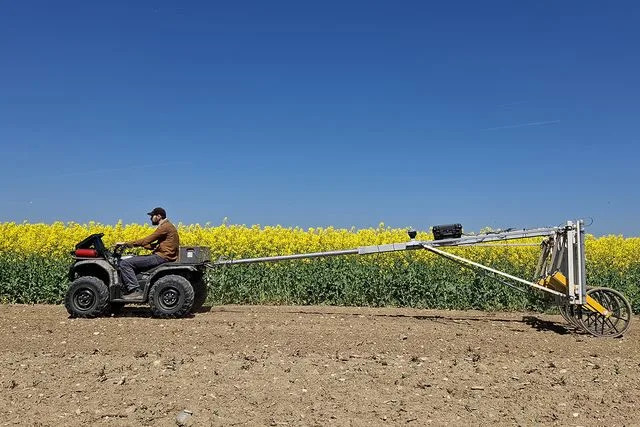
Geophysical surveys being carried outCredit: Danube Limes
Urban and Military Significance
The town appears to have grown around a garrison of approximately 500 soldiers. Two nearby forts suggest the settlement controlled a strategic Danube crossing. The amphitheater, road network and fortifications point to a settlement with both military and civic functions—unusual in its size for a community built around a single garrison in the Roman Empire.
Burials and Social Clues
Geophysical data revealed multiple cemeteries along roads radiating from the town, including numerous graves and several large burial mounds. The scale and form of these burials suggest individuals of wealth or high status were interred there, indicating the town played an important social and economic role in the region.
Potential Identification and Next Steps
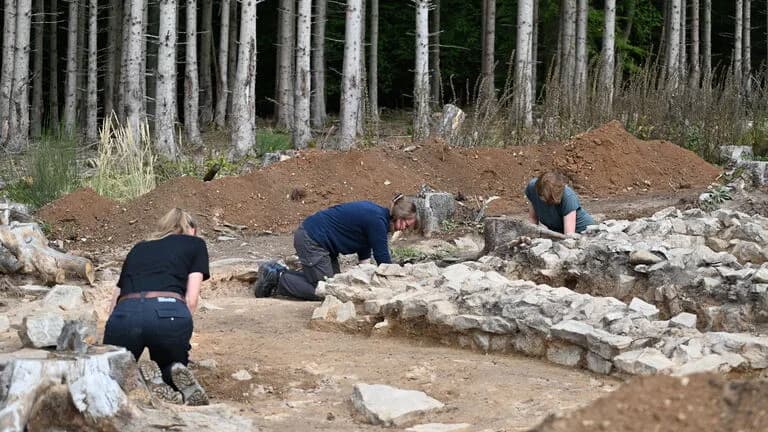
Scholars propose the site could be Claudivium, a settlement mentioned by the 2nd-century geographer Ptolemy; the absence of the name in later sources aligns with archaeological evidence for abandonment after about 180 AD. The team has described the find as the start of a long-term research program that will combine further geophysical surveys with targeted excavations to clarify the town's origins, economy and role on Rome's northern frontier.
'This discovery is an archaeological sensation and demonstrates once again what treasures our history still holds in store for us,' said Johanna Mikl-Leitner, Governor of Lower Austria. 'An entire Roman city, which had been forgotten for almost 2,000 years, is gradually being revealed here, piece by piece.'
Help us improve.