Archaeologists have excavated a Roman temple near the Kapersburg fort in Germany's Taunus hills after storm damage exposed the site. The rectangular foundation, about 16 feet (5 m) long, includes a central chamber and well-preserved walls; statuary fragments identify deities such as Victoria and possibly Mars. Dated to the third century A.D., the sanctuary may be an ambulatory temple linked to a nearby civilian settlement. A votive stone with a Latin inscription is now under study and could reveal the settlement's ancient name.
Roman Temple Unearthed Near Kapersburg Fort: Votive Stone May Reveal Lost Settlement Name
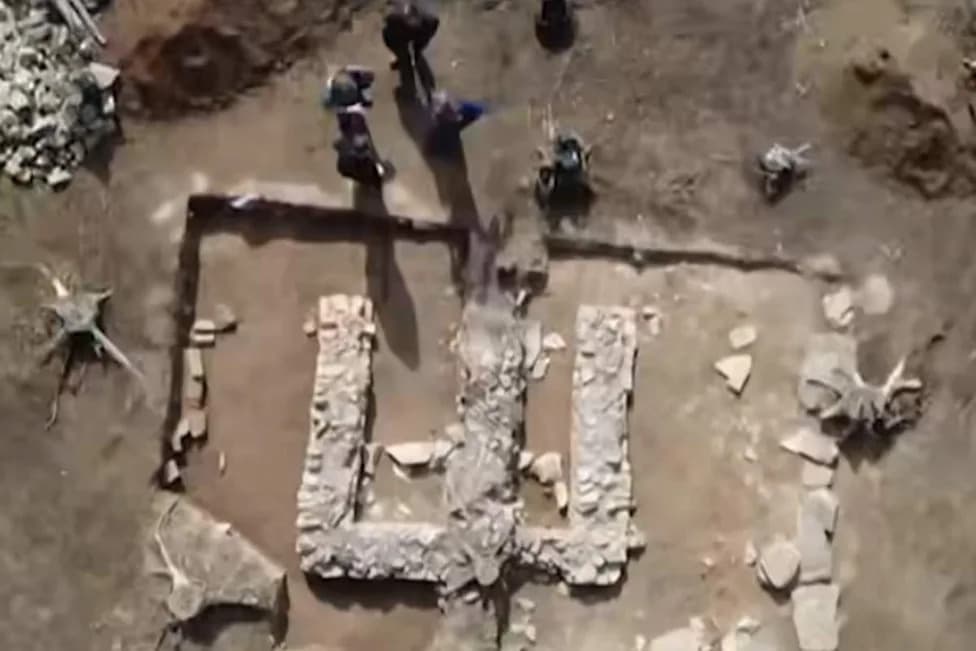
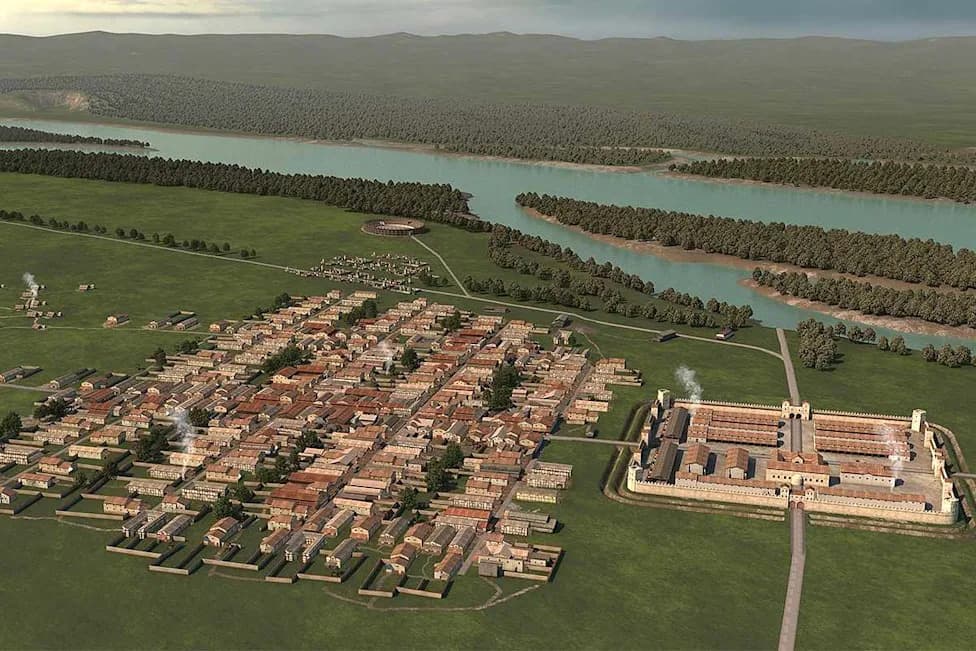
Roman settlement in Germany's Taunus regionCredit: hessenschau/Facebook
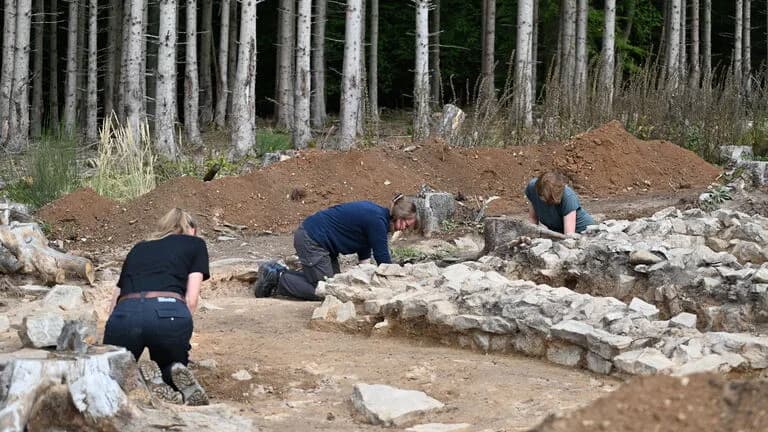
What began as a curious scatter of stones exposed by storm damage has been confirmed as the remains of a Roman temple near the Kapersburg fort in Germany's Taunus hills.
Discovery and Excavation
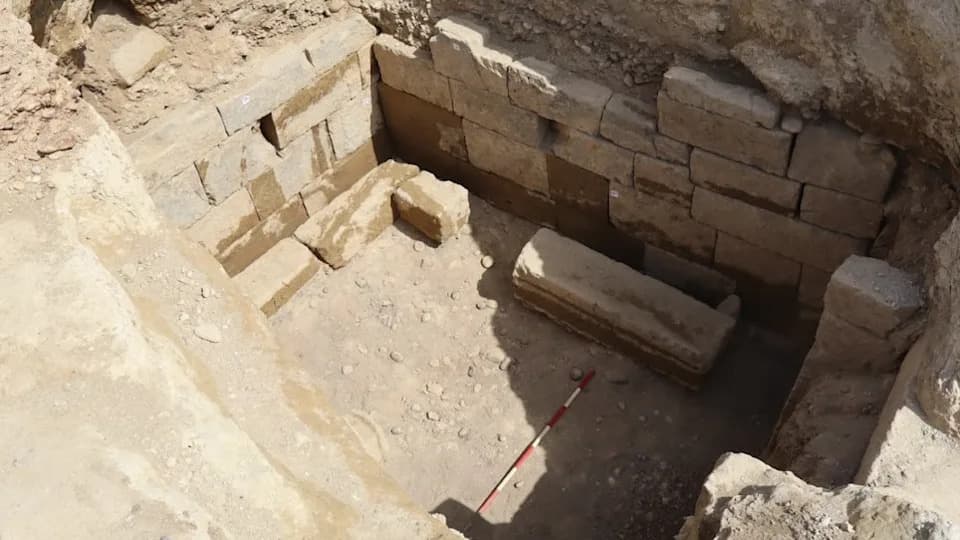
Archaeological teams from the Saalburg State Museum and regional specialists investigated the site after a storm opened a patch of woodland. Excavations revealed a clear rectangular foundation about 16 feet long (roughly 5 metres) with a smaller central chamber (cella) surrounded by well-preserved masonry.
Evidence of Worship
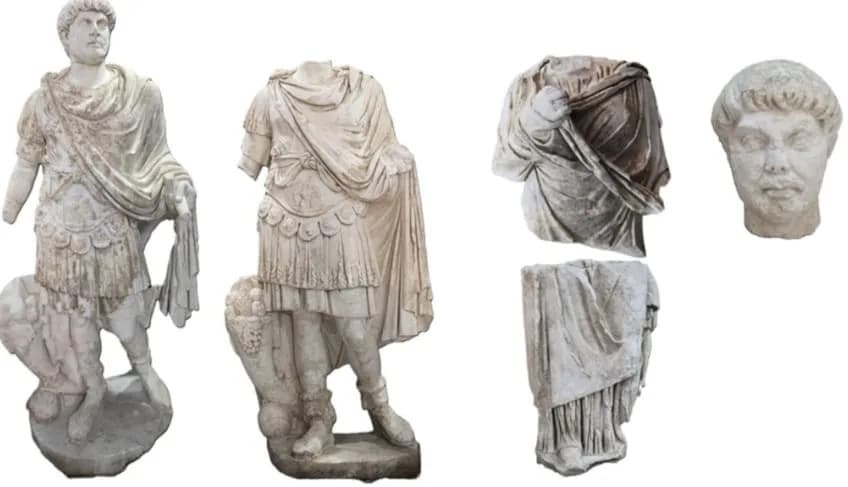
Under collapsed stone and soil, excavators recovered fragments of statuary and other ritual objects: a sculpted hand thought to belong to Mars, several animal fragments, and a nearly complete female torso bearing wings, a palm frond and a victory laurel—attributes that identify the figure as Victoria, the Roman goddess of victory. District archaeologist Kai Mückenberger concluded from the architectural plan and the finds that "this is a temple."
Architecture and Dating
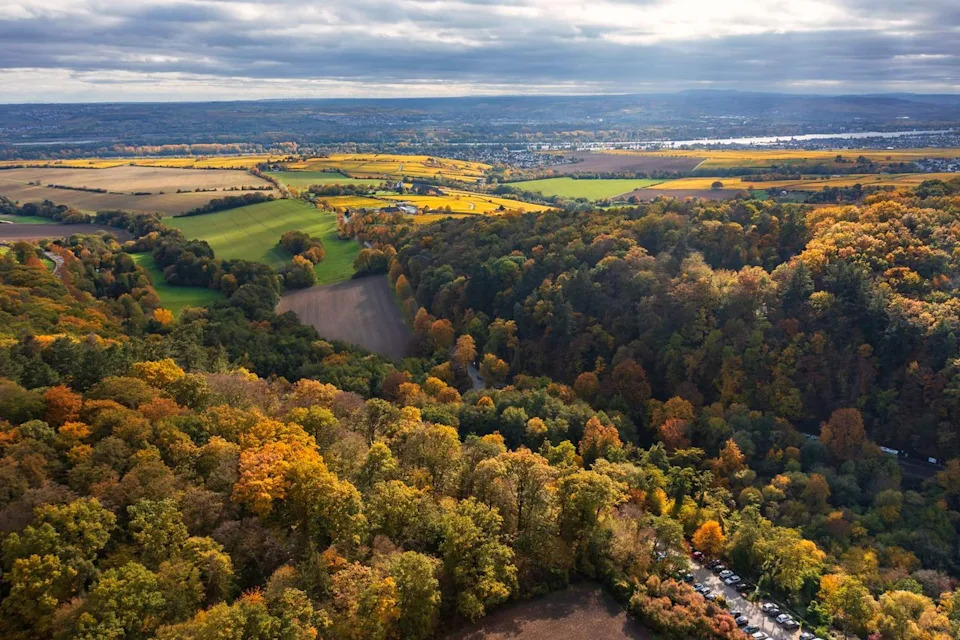
Stock photo of the foothills of the TaunusCredit: Getty
Specialists date the sanctuary to around the third century A.D., when Roman troops still garrisoned nearby Kapersburg. The layout suggests an ambulatory temple: a central sacred room surrounded by a covered walkway. One side of the inner chamber appears to have been open toward that walkway and could originally have been closed with a wooden gate or grille that has not survived.
Broader Site Context
The temple sits beside traces of a substantial civilian settlement that archaeologists believe housed hundreds of people and was occupied from about the second century until the mid-third century A.D. A piece of jewelry datable to late antiquity found nearby suggests the sanctuary may have continued to attract visitors after the military left the fort.
Votive Inscription Could Reveal Lost Name
Of special interest is a votive stone recovered from the temple chamber bearing a Latin inscription. Epigraphic specialists are now studying the lettering and wording in the hope the text will identify the community or patron and possibly disclose the long-lost name of the settlement that has been unknown for roughly 1,700 years.
Katharina Grießhaber of the Saalburg State Museum described the discovery as a major highlight, adding that the preservation of the walls and ritual finds makes the site a valuable window into frontier life in Roman Germania.
For the moment, researchers are awaiting the results of inscription analysis and further excavation to learn more about worship practices at the sanctuary and its relationship to the adjacent fort and village.
Help us improve.