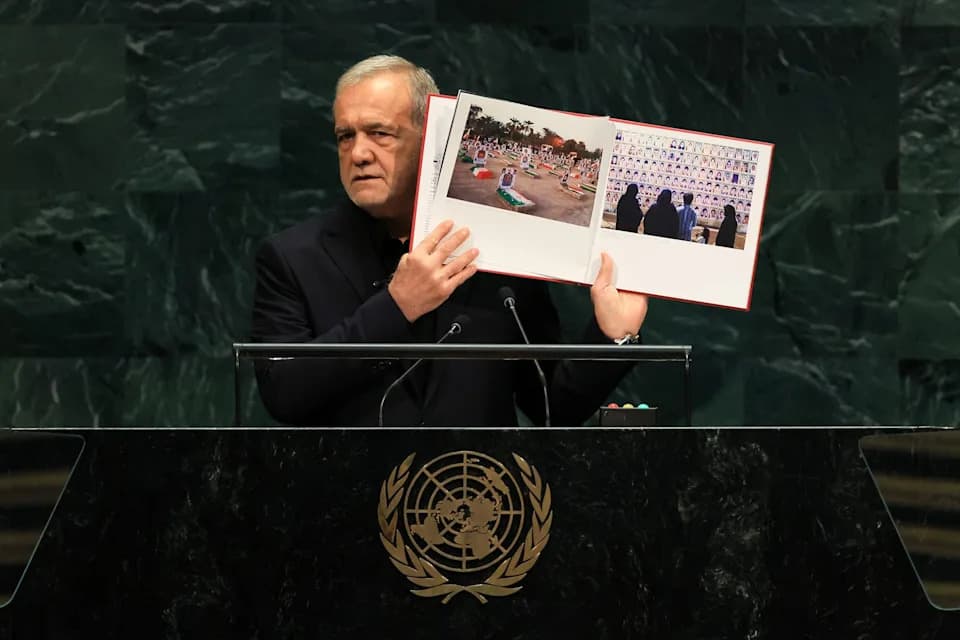
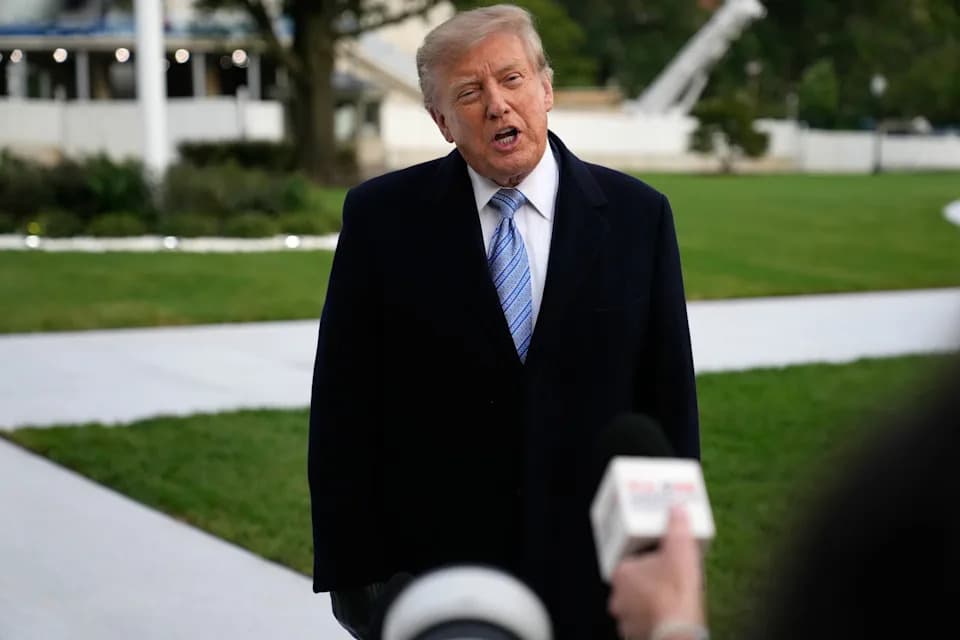
Tehran on Thursday rejected President Trump’s recent claim that the United States has "total control" of the Strait of Hormuz, insisting the strategic waterway remains "under Iran's control and management." The exchange comes amid an environmental disaster from a grounded tanker, growing military deployments in the region and renewed diplomatic activity.
Strait Of Hormuz: Competing Claims
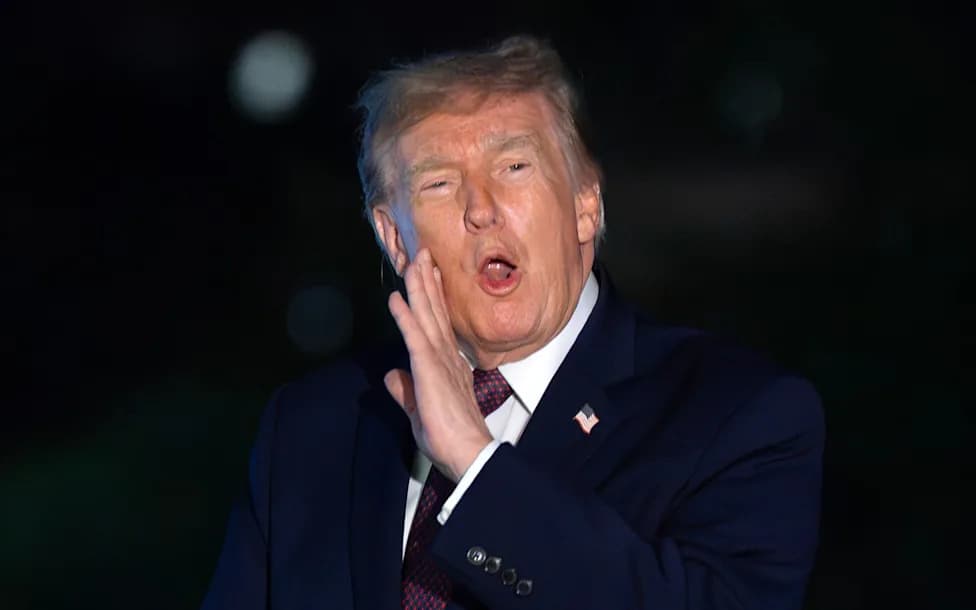
President Trump wrote on his Truth Social account that the U.S. "has total control over the Strait of Hormuz" and added, "I THINK WE WILL KEEP IT!" Iranian officials, including military and government spokespeople, responded strongly, calling those assertions false and saying no commercial ship may transit without Iran's permission and oversight. Tehran also said the strait will remain blocked until its conditions are met, even as talks with Oman over new routing continue.
Oil Spill And Salvage Efforts
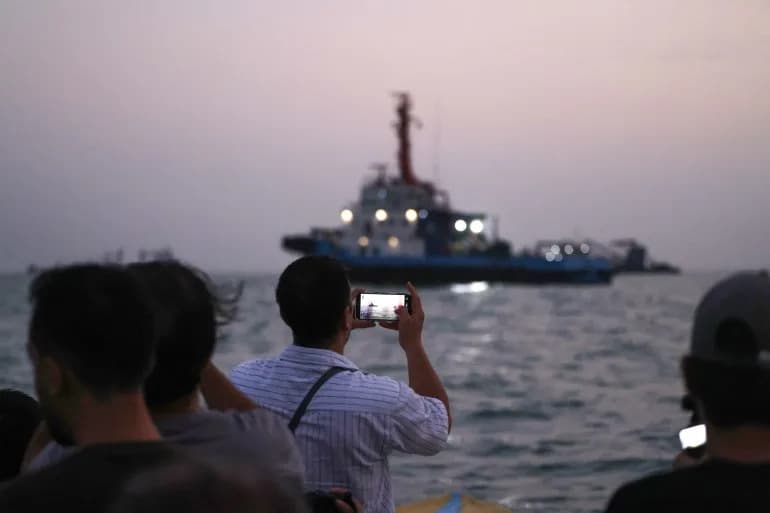
Environmental fears have intensified after oil from the grounded tanker Caroline Bezengi spread across hundreds of square kilometres and reached Qeshm Island. Ambrey, a U.K.-based marine risk and response firm, reported boarding and stabilising the vessel with Omani assistance. The tanker, grounded off Qabiliyah Island after an earlier explosion, was believed to carry more than 800,000 barrels. Authorities warn of a severe ecological disaster if the ship sinks or ruptures further; Oman's Environment Authority said the slick has reached Ras Madrakah and could extend toward Masirah Island.
U.S. Response And Military Movements
U.S. officials signalled tougher measures toward Iran. Treasury Secretary Scott Bessent warned of an economic isolation campaign he described as unprecedented, combining financial pressure with the potential interdiction of ports. At the same time, the Pacific-based carrier USS George Washington has begun a transit toward the Middle East and may relieve the USS Abraham Lincoln, which has been deployed for an extended period.
Conditions Aboard The Abraham Lincoln
Reports of supply shortages, plumbing failures and mental-health concerns aboard the Abraham Lincoln prompted congressional questions. U.S. Central Command pushed back on what it called inaccurate reporting, saying crew members remain resilient after more than 260 days at sea and confirming a sailor who went overboard on Aug. 3 was quickly recovered.
Regional Violence, Houthi Attacks And Diplomacy
Fighting in Yemen continues, with Iran-backed Houthi forces claiming a drone strike on an Aramco refinery in Jizan and asserting attacks on shipping. Three ballistic missiles struck a commercial ship in the Bab el-Mandeb Strait this week, killing six crew members and wounding others. Survivors described scenes of chaos and intense fire as rescue efforts proceeded.
Diplomatically, Jared Kushner — accompanied by former U.K. Prime Minister Tony Blair and Nickolay Mladenov — plans visits to Jerusalem and Cairo to press elements of a Trump-backed Gaza peace plan. Saudi and Iraqi officials have also moved to soothe tensions after recent strikes in Iraq.
Technology, Defense Cooperation And Market Impact
U.S. Central Command announced a task force to develop one-way attack drones with regional partners to operate "above, on, and below the sea," reflecting lessons from recent conflicts. Turkey, Saudi Arabia and Pakistan signalled closer defense ties under the Mecca agreement and plan joint exercises.
Markets reacted to the broader uncertainty: West Texas Intermediate crude traded near $81 per barrel, higher than early-year levels but below spring peaks, while U.S. average gasoline prices remained elevated compared with a year earlier.
Outlook
The story remains fluid: competing assertions over control of the Strait of Hormuz, an escalating environmental emergency from the Caroline Bezengi, military repositioning by the United States and allies, Houthi attacks on shipping and active high-level diplomacy. Any of these threads could reshape regional dynamics in the coming days.