The naval and economic confrontation around the Strait of Hormuz appears to be shifting toward the United States and its partners. A reinforced US naval presence — including a third carrier strike group and amphibious forces — has helped restore tanker traffic to about 80% of pre-conflict levels, according to Kpler. Iran has been largely unable to export through Hormuz since a July maritime blockade, and its export stocks could be exhausted within weeks. Significant escalation risks remain, however, including asymmetric attacks, Houthi disruptions and terrorism.
US Naval Buildup Eases Pressure On Strait Of Hormuz — Iran’s Exports Strained
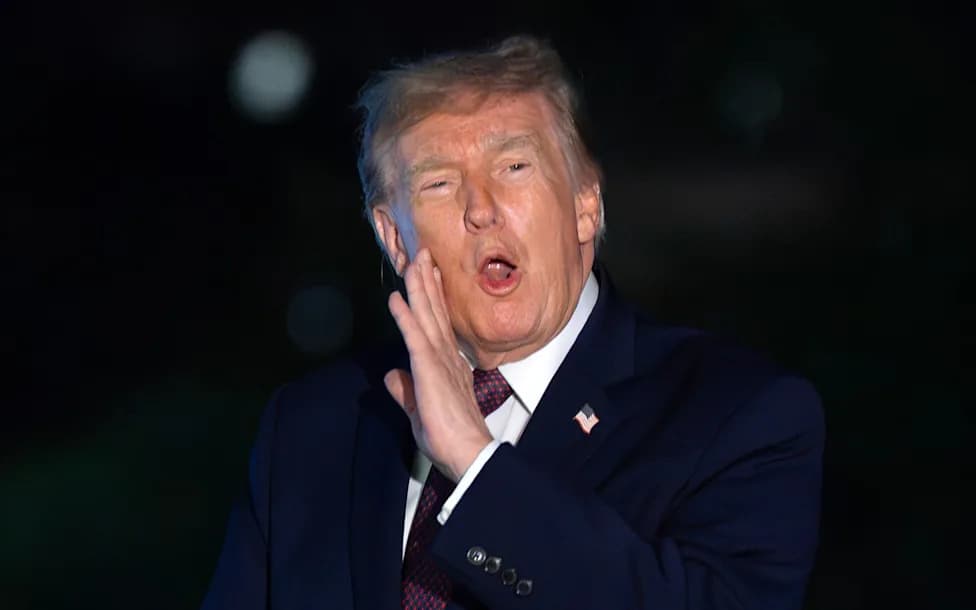
Recent weeks have seen a quiet yet steady buildup of American forces in the region - Jose Luis Magana/AP
It is a familiar dynamic of modern journalism that wars surge into global attention, linger and then recede as audiences acclimatise. That sense of a stalemate can obscure steady shifts on the ground — or at sea. The long-running confrontation around the Strait of Hormuz now shows tentative signs of tilting toward the United States and its partners.
US Presence Increases
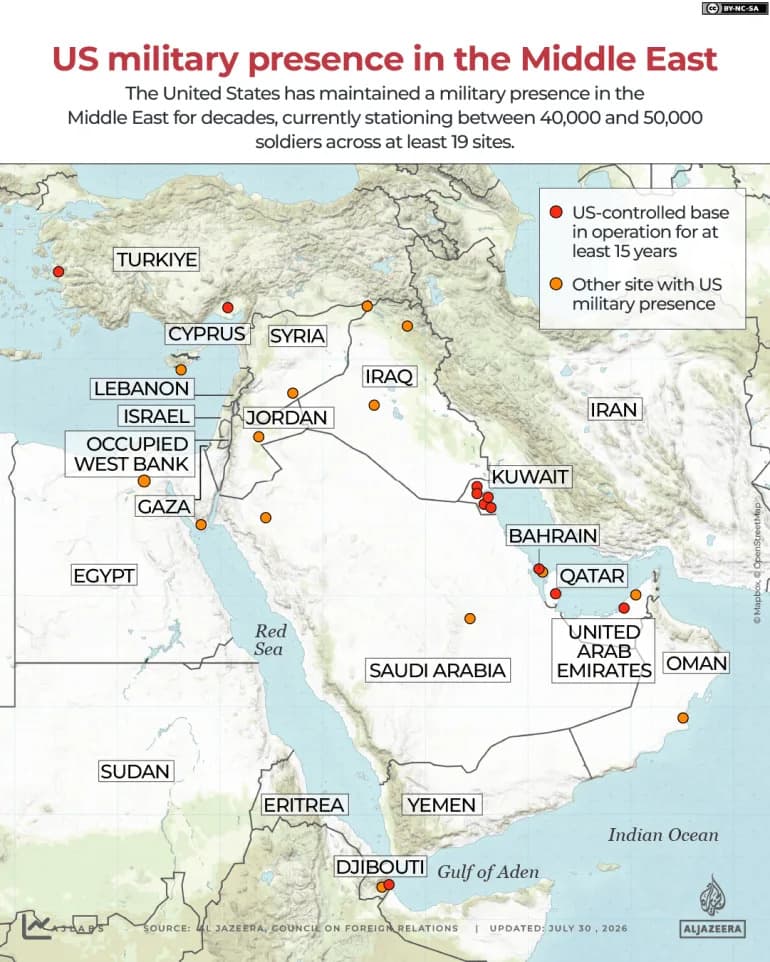
In recent weeks the United States has quietly reinforced its naval posture in the region. The USS Theodore Roosevelt departed San Diego with Carrier Strike Group 9 to join US Central Command operations, joining the USS George H.W. Bush and the USS George Washington already deployed in theatre. An amphibious group centered on USS Makin Island, which includes the USS John P. Murtha and USS Anchorage, is also deploying with more than 2,000 marines from the 13th Marine Expeditionary Unit. In total, roughly 9,000 additional service members are en route.
"I would say the answer, based on what I'm hearing, is 'yes'... Oh, they'll be hit very hard, don't worry," President Donald Trump told reporters when asked about a foiled hijacking and possible links to Iran.
Trade Routes And Economic Pressure
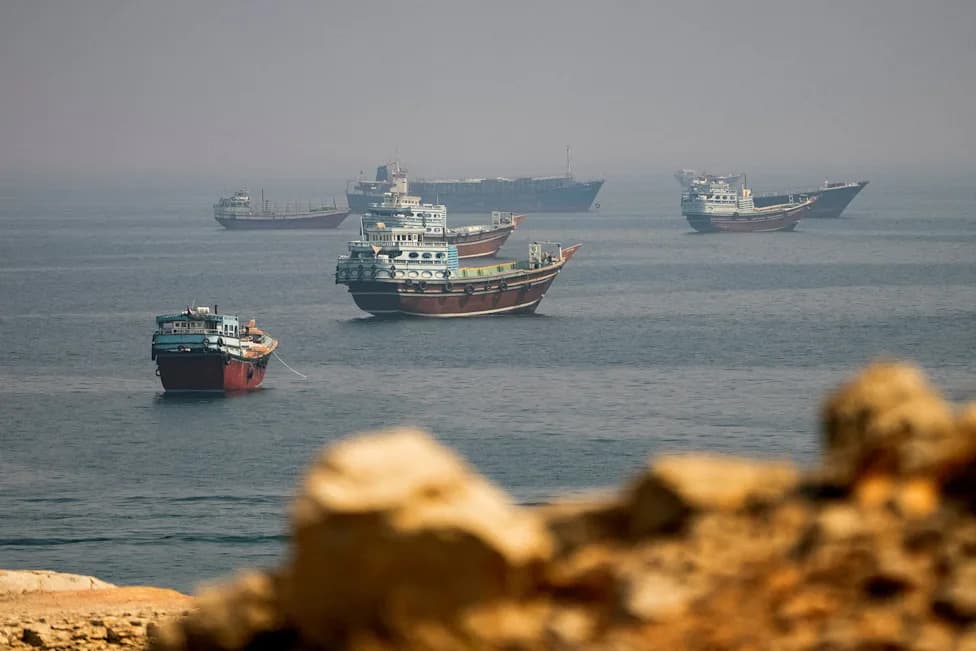
Greater naval protection and deterrence have helped restore confidence in commercial shipping. Data from energy tracker Kpler indicate that shipments through the Strait of Hormuz and alternative routes are now delivering roughly 80% of pre-conflict volumes. Last month, crude exports from the Middle East rose to nearly 13 million barrels per day from Saudi Arabia, the United Arab Emirates, Iraq and others, compared with about 19 million barrels per day in February.
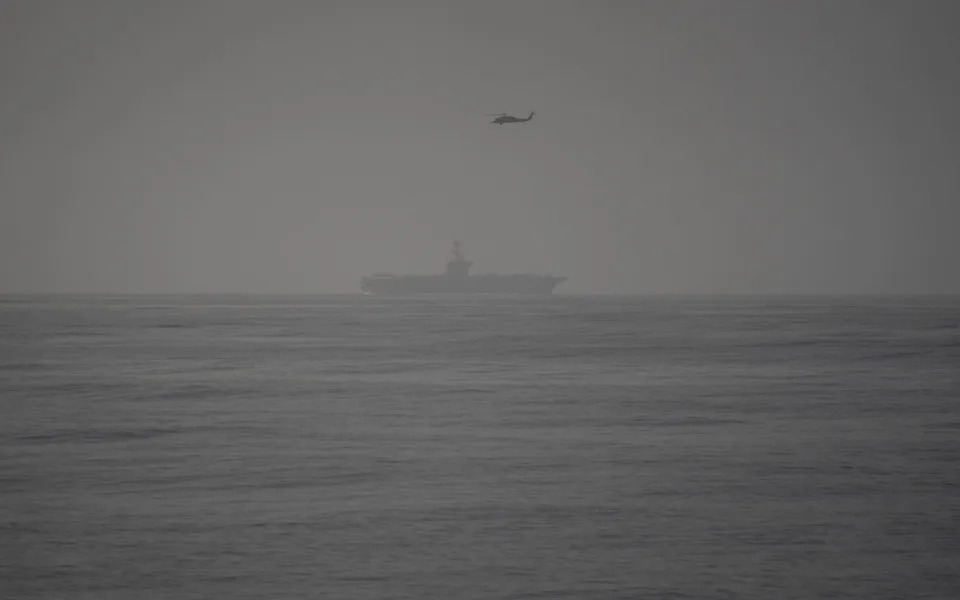
The USS George Washington in the Arabian Sea, Sept 12 - Ed Ou/REUTERS
Critical infrastructure is also recovering: the Saudi East–West pipeline, damaged by a drone attack, is returning to partial service and sending limited volumes to the Red Sea for export.
Iran’s Constraints
By contrast, Tehran has been largely unable to send crude through Hormuz since a US maritime blockade in July. Kpler estimates suggest Iranian export stocks could be exhausted within weeks, a prospect that would worsen an economy already strained by sanctions and the costs of conflict.
Risks And The Wider Picture
Despite the apparent shift, significant risks remain. Regional supplies of interceptors and air-defence munitions are limited. A pressured Iran could escalate in unpredictable ways, including asymmetric attacks, proxy strikes or terrorism. The Houthi movement continues to threaten traffic through the Bab al-Mandab Strait, another strategic chokepoint. Without major ground operations and with opposition forces weakened by heavy casualties, any definitive "victory" remains uncertain.
Looking ahead, the balance of pressure may change further depending on political developments, including upcoming US elections, shifts in regional alliances, and Tehran’s response to mounting economic and military strain.
Help us improve.