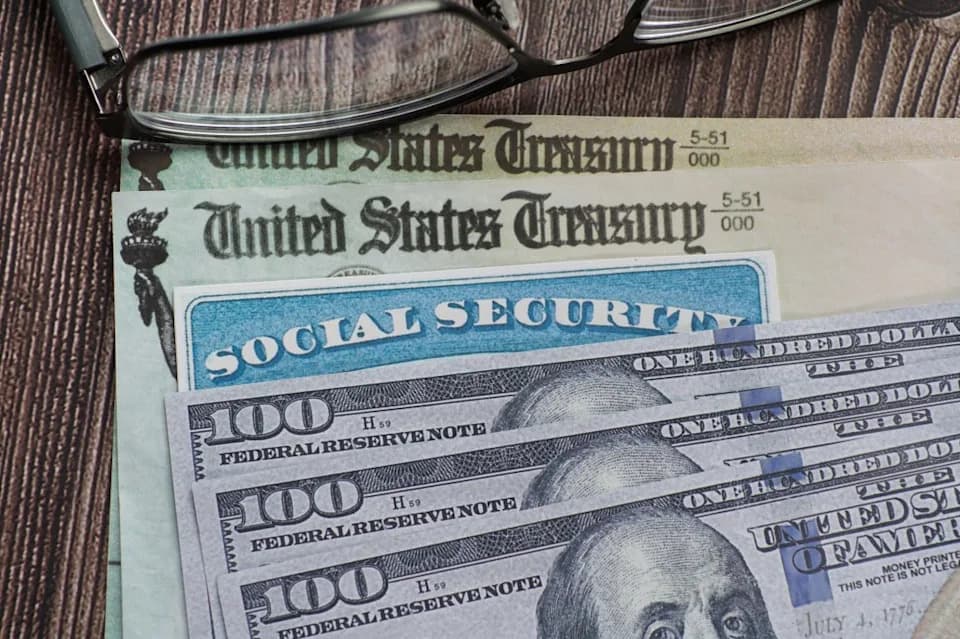
Analysts warn that a temporary federal-tax exemption for Social Security income in the One Big Beautiful Bill Act (2025–2028) would reduce program revenue by about $90.8–$91 billion. That cut comes as the worker-to-beneficiary ratio has fallen to roughly 2.9-to-1 and trustees warn the OASI trust fund could be exhausted by 2032. Without policy changes, benefit checks could be reduced by up to 22%. Experts propose fixes ranging from benefit and tax adjustments to caps on high payouts and payroll-tax reforms.
Temporary Social Security Tax Break Could Deepen 2032 Shortfall — What Retirees Should Know

No tax on Social Security? The facts about Trump’s plan are here - and they could hurt US retirees the most
A temporary exemption of federal tax on Social Security income included in former President Donald Trump's One Big Beautiful Bill Act (OBBBA) is intended to ease retirees' tax bills from 2025–2028 — but analysts warn it could worsen a looming funding gap for the program.
What the Proposal Does
The OBBBA would exempt Social Security benefits from federal income tax for the years 2025 through 2028. According to a January analysis by the Peter G. Peterson Foundation, the deduction would reduce federal receipts tied to Social Security by about $90.8 billion over four years (commonly reported as roughly $91 billion), and add to OBBBA's long-term deficit projections.
Who Would Benefit?
Per IRS rules cited in the proposal, eligible retirees could claim a standard deduction on taxable benefits: $6,000 for single filers aged 65 and older and $12,000 for married couples where both spouses are 65 or older. That would lower taxable income — and tax bills — for many beneficiaries during the four-year window.

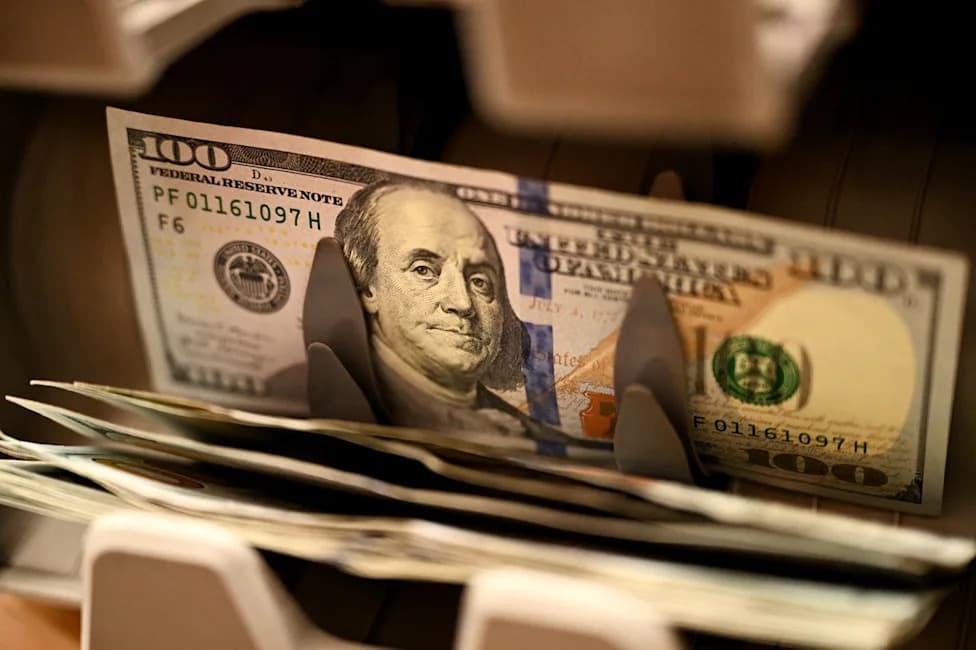
Tax cuts meant to save Social Security recipients money from 2025 to 2028 could end up adding to a revenue shortfall that's on pace to lower Social Security payments by up to 22 percent in 2032 (Getty)
How Social Security Is Funded
Social Security pays benefits from three revenue sources:
- Payroll taxes collected from workers and employers;
- Returns from two trust funds: the Old-Age and Survivors Insurance (OASI) and Disability Insurance (DI); and
- Federal income taxes collected on some Social Security benefits.
Payroll taxes and taxes on Social Security benefits flow into the OASI and DI trust funds. The government uses incoming revenue to pay current benefits and administrative costs, and it invests the remainder to earn interest and sustain the funds' balances.
Why This Matters
Demographic trends are straining the system. When Social Security began, there were about five workers per retiree; by 2026 that ratio had fallen to roughly 2.9 workers per beneficiary, according to the Bipartisan Policy Center. Fewer workers relative to beneficiaries means slower growth in payroll-tax revenue while benefit obligations rise.
A shrinking gap between the number of workers and retirees in the United States has led to a funding crisis that will result in lower payments in six years if lawmakers don't take action (AFP/Getty)
As a result, the Social Security Board of Trustees projects the OASI trust fund could be exhausted in 2032. If no legislative changes are enacted, benefit payments could be reduced by up to 22% to match incoming revenues.
Peter G. Peterson Foundation (January): "A new senior deduction is projected to cost $90.8 billion over four years, contributing to OBBBA's total deficit increase of $4.1 trillion over ten years, including interest costs."
Potential Consequences and Proposed Fixes
While the temporary tax break would provide short-term relief to retirees, it would subtract nearly $100 billion from a system already projected to face shortfalls. Policy options discussed by analysts and nonpartisan groups include:
- Adjusting benefit formulas or raising payroll tax rates;
- Raising or eliminating the current taxable wage base (the 2024/2025 cap of about $184,500 ends taxation above that level); for example, applying payroll taxes to all earnings;
- Capping the maximum annual benefit (one proposal has cited a $100,000 maximum);
- Limiting cost-of-living adjustments (COLAs) for the highest-benefit recipients; and
- Combining multiple approaches to spread impact across revenue increases and benefit adjustments.
Bottom line: The OBBBA exemption would help retirees in the short term but could deepen long-term funding pressures on Social Security unless paired with offsetting revenue or benefit changes.
Help us improve.