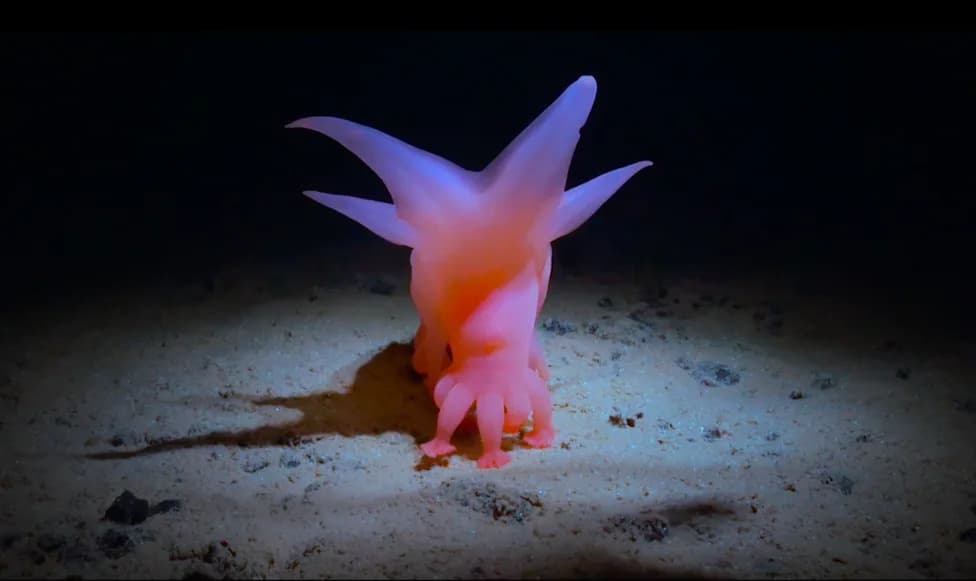
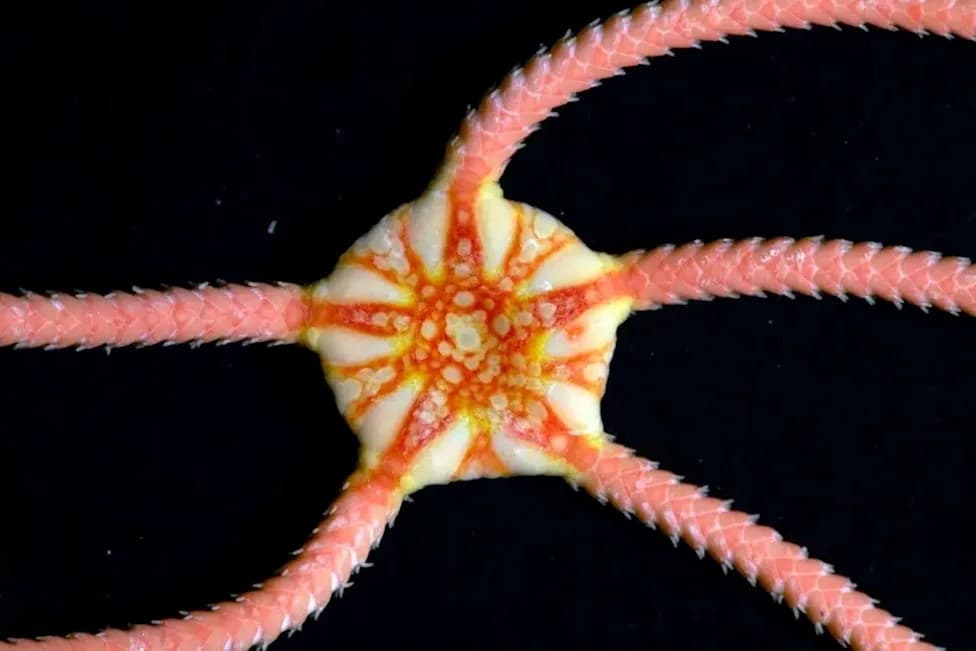
Polymetallic nodules in the Clarion-Clipperton Zone (CCZ) — about 4,000 m deep — can produce 'dark oxygen' without sunlight. Lab experiments published in July 2024 in Nature Geoscience showed oxygen production persisted after microbes were eliminated, supporting an abiotic electrochemical mechanism linked to a measured ~0.95 V charge on nodule surfaces. The finding challenges assumptions about the origins of aerobic life and intensifies calls for caution in deep-sea mining policy.
‘Dark Oxygen’ Discovered 4,000 Metres Below Sea Level — Why Polymetallic Nodules Could Change How We See Life and Mining
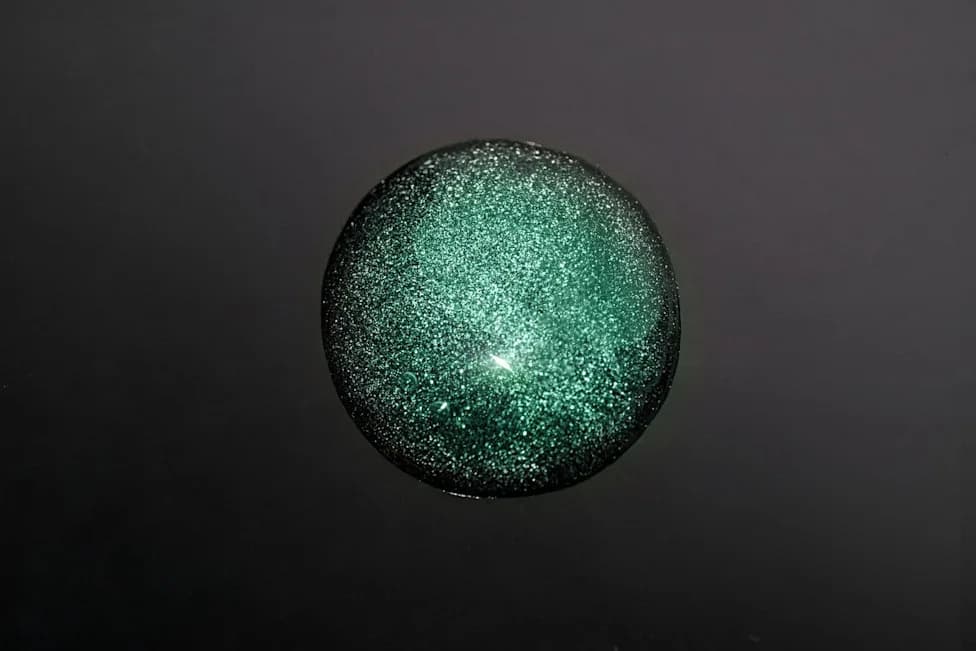
This "Battery In a Rock" Changes the Energy GameIryna Veklich - Getty Images
Scientists have discovered that polymetallic nodules scattered across the Clarion-Clipperton Zone (CCZ) — an abyssal plain about 4,000 metres beneath the Pacific Ocean — can generate oxygen in total darkness. The finding, published in July 2024 in Nature Geoscience, suggests a previously unknown abiotic process that produces 'dark oxygen' on the seafloor and raises fresh questions about the origin of aerobic life and the risks of deep-sea mining.
What Researchers Found
The CCZ, a roughly 4.5-million-km² region between Hawaii and the western coast of Mexico, is carpeted by potato-sized polymetallic nodules rich in nickel, manganese, copper, zinc and cobalt. These nodules are considered a potential resource for batteries and renewable-energy technologies. Researchers led by Andrew Sweetman of the Scottish Association for Marine Science report that the nodules can produce molecular oxygen at abyssal depths where sunlight cannot reach.
How the Discovery Was Made
Early sensor data from 2013 unexpectedly showed elevated oxygen concentrations in parts of the CCZ. To investigate, Sweetman and colleagues recreated CCZ conditions in the laboratory and tested whether microbes were responsible. After eliminating microorganisms with mercury chloride, oxygen levels continued to rise — evidence pointing to an abiotic mechanism.
Measurements reported to Scientific American found a surface potential of roughly 0.95 volts on nodules. Researchers hypothesise that as nodules accrete irregular mineral layers they develop an electrochemical charge that can drive seawater splitting and generate oxygen without sunlight or biological activity.
Why This Matters
This discovery has two major implications. First, it challenges the assumption that free oxygen on Earth originated only from photosynthesis and widens possible scenarios for the emergence of aerobic life. Second, it complicates debates over deep-sea mining: disturbing these nodules could disrupt a previously unrecognised ecosystem function with unknown consequences.
"For aerobic life to begin on the planet, there had to be oxygen," said Andrew Sweetman, lead author of the study. "We now know that there is oxygen produced in the deep sea, where there is no light. I think we therefore need to revisit questions like: where could aerobic life have begun?"
Policy And Conservation Implications
The finding arrives amid heated negotiations over nodule extraction. Mining companies promoting nodules as a 'battery in a rock' argue they could supply critical metals for the clean-energy transition. Conversely, delegations from 25 countries have urged the International Seabed Authority (ISA) to adopt a moratorium or precautionary pause to allow more independent research into potential environmental impacts.
"The production of oxygen at the seafloor by polymetallic nodules is a new ecosystem function that needs to be considered when assessing the impact of deep-sea mining," said Lisa Levin of the Scripps Institution of Oceanography, who was not involved in the study.
What Remains Uncertain
Key questions remain: how widespread is abiotic oxygen production across the CCZ and other deep-sea environments, what is the rate of oxygen generation relative to biological and chemical sinks, and how would large-scale mining alter these processes? Further independent studies are needed to quantify the phenomenon and its ecological relevance.
Whether these nodules help answer questions about the origins of aerobic life, inform astrobiology scenarios for icy moons such as Europa and Enceladus, or change how regulators evaluate seabed mining, this discovery underscores how much remains to be learned about the deep ocean and why a cautious approach to exploitation may be warranted.
Help us improve.