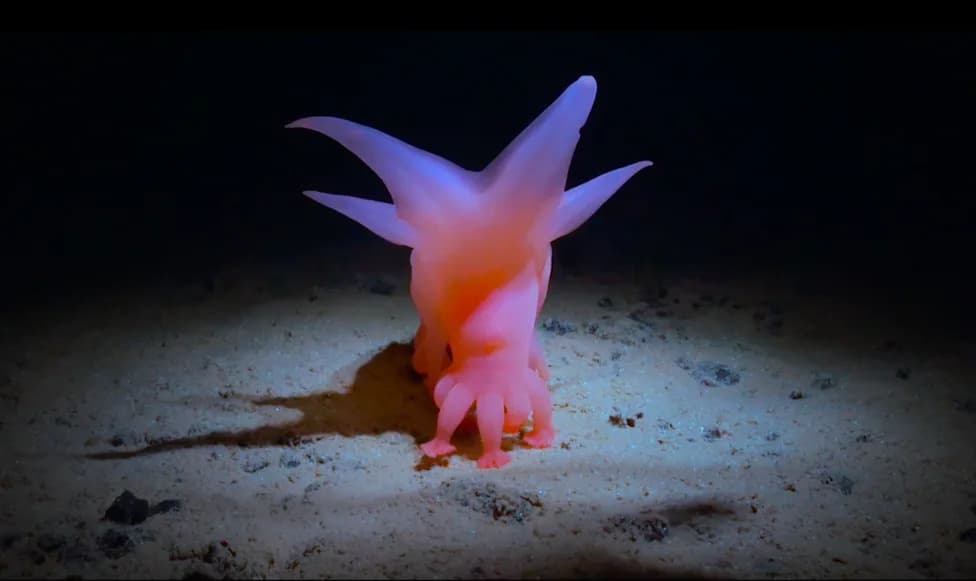
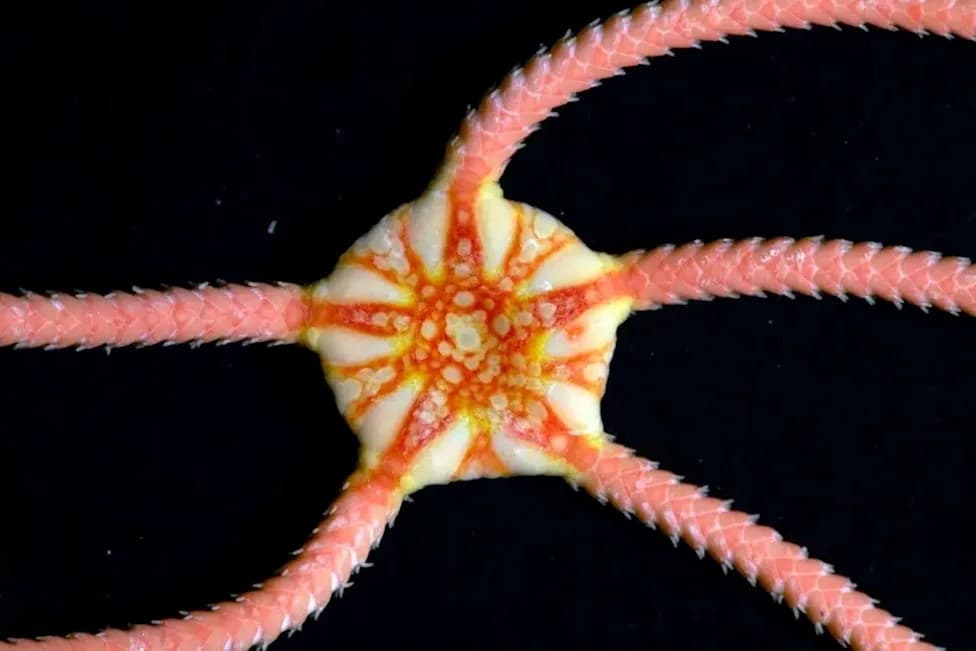
Researchers analysed sediment cores from the Clarion‑Clipperton Fracture Zone collected in 2023–2024 and identified 11,742 distinct viral sequences — about 99% of which are new to science. Many of these viruses appear specialised to infect bacteria and archaea and carry auxiliary metabolic genes that could influence nutrient and metal cycling in nodule‑field sediments. Given the CCZ’s central role in proposed deep‑sea mining and the ISA’s existing exploration contracts, the authors call for more research to understand how mining disturbance could reshape these viral and microbial communities.
Almost 12,000 Deep‑Sea Viruses Discovered in Mining Zone — 99% Are New to Science
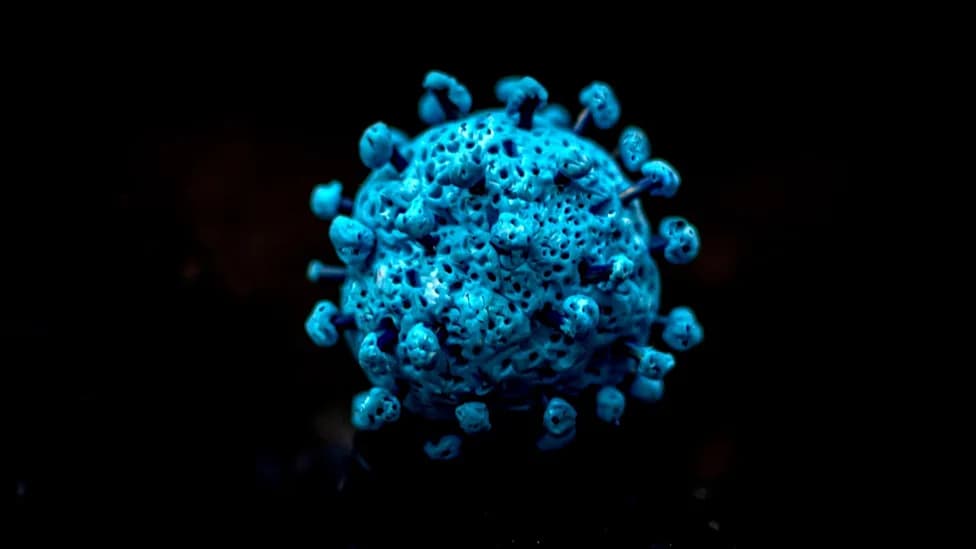
(sakchai vongsasiripat/Moment RF/Getty Images)
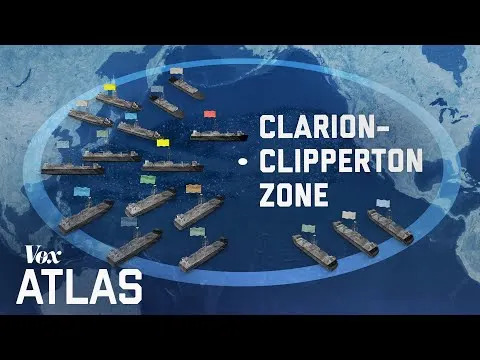
Researchers exploring the Clarion‑Clipperton Fracture Zone (CCZ) — the Pacific Ocean region that contains the world’s largest accumulation of polymetallic nodules and a prime target for deep‑sea mining — have catalogued an extraordinary diversity of previously unknown viruses. A team led by Bowen Hou and Lilan Zhang (Chongqing University) together with Dong Sung (China’s Second Institute of Oceanography) report that roughly 99% of the viral types they identified in CCZ sediments are new to science.
The study, published in Nature Communications, aims to provide a vital pre‑mining baseline of microbial ecosystem data for future environmental impact assessments. Polymetallic nodules contain metals such as manganese, cobalt, nickel, lithium and zinc, which has driven international interest in mining these deposits. The International Seabed Authority (ISA) has issued 31 deep‑sea mineral exploration contracts, 17 of which lie in the CCZ; five of those contracts are held by Chinese entities.
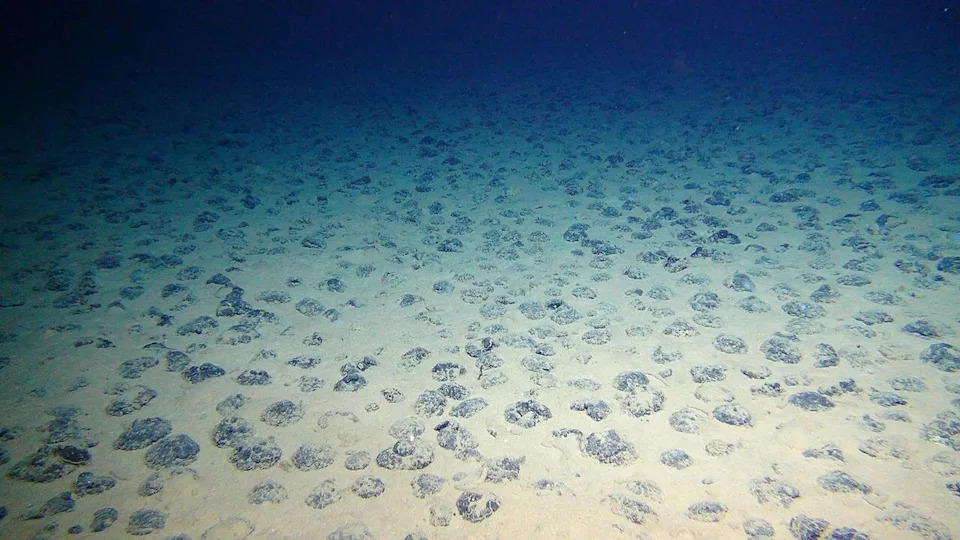
Manganese nodules on the seafloor in the Clarion-Clipperton Zone. (ROV KIEL 6000, GEOMAR/Wikimedia Commons)
Unlike the surrounding soft, muddy seafloor, hard polymetallic nodules provide rare substrate that many deep‑sea organisms rely on. Nodules form extremely slowly as layers of metal build around a tiny nucleus (for example, a shell fragment). Growth rates vary widely: some nodules accumulate roughly 250 millimetres per million years, while others grow only 1–5 millimetres per million years.
To characterise viral diversity, the researchers analysed sediment cores collected in 2023–2024. They extracted DNA and RNA and performed sequencing and comparative analyses against virome datasets from other deep‑sea regions. In total, the team identified 11,742 distinct viral sequences, almost all of which showed little overlap with viruses known from other marine habitats.
YouTube Thumbnail
Many of the newly discovered viruses appear specialised for infecting prokaryotic hosts — bacteria and archaea — which drive key biogeochemical cycles in sediments, including carbon, nitrogen, phosphorus, sulfur and metal transformations. The study found evidence that CCZ viruses carry auxiliary metabolic genes and other functions that can alter host metabolism during infection. These viral functions could therefore influence sediment biogeochemistry and even help hosts cope with metal stress.
By infecting key functional microbes and encoding auxiliary metabolic genes, viruses may modulate host metabolism and survival during infection, with potential implications for biogeochemical processes in polymetallic nodule‑field sediments.
How deep‑sea mining would affect these viral communities — and the microbial processes they influence — remains uncertain. The authors warn that mining will cause physical disturbance, resuspension and redeposition of surface sediments, and note that long‑term disturbance experiments show impacts on nodule‑field sediments can persist for decades. Viral populations and functional modules shared between deeper and surface sediments might act as a reservoir to partially reassemble disturbed communities, but the extent and timescale of recovery are unknown.
The study expands our understanding of CCZ biodiversity and underscores the need for comprehensive ecological baselines before large‑scale mineral extraction proceeds. The full findings are available in Nature Communications.
Help us improve.