President Trump claimed the U.S. has "total control" of the Strait of Hormuz, a statement Iran rejects as commercial ship traffic through the route has collapsed. Maritime incidents — including Houthi attacks and U.S. strikes on ships — plus Tehran's reshuffle of security leadership have heightened tensions. The disruption has pressured global oil markets, prompted international diplomatic activity, and raised environmental and humanitarian concerns.
Trump Says U.S. Has “Total Control” Of Strait Of Hormuz; Iran Rejects Claim As Shipping Plummets
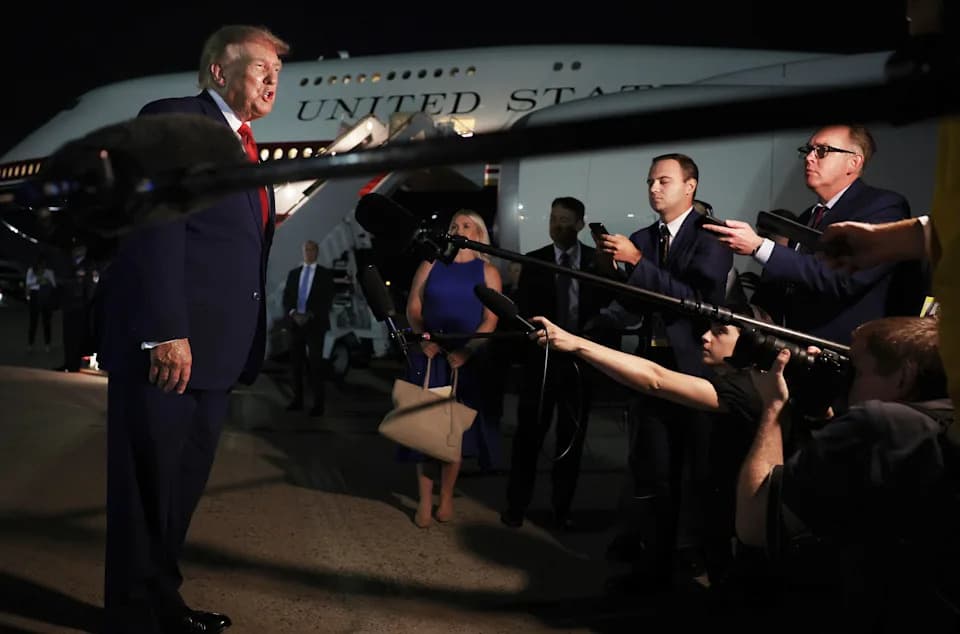
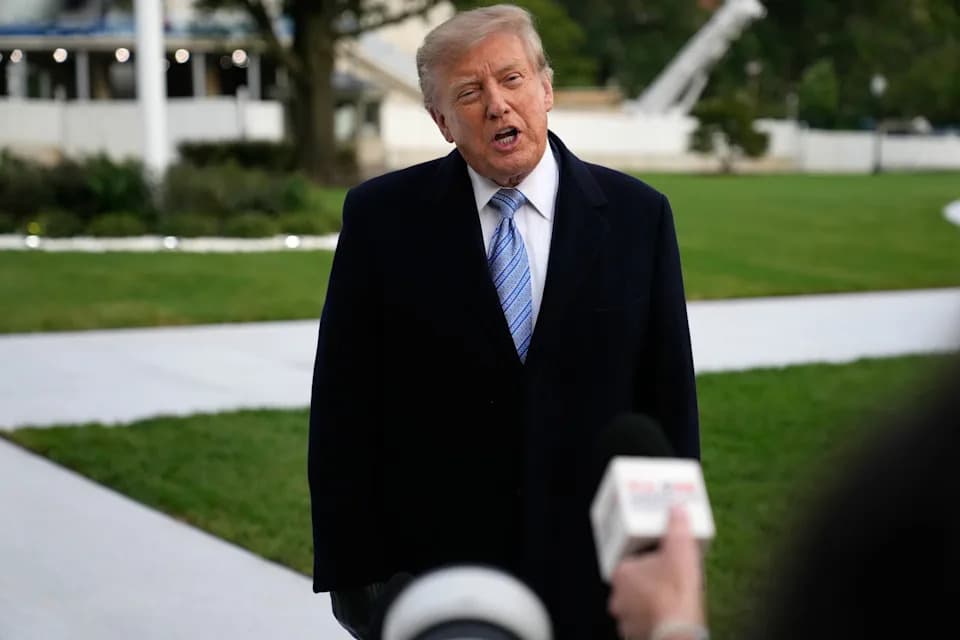
President Trump speaks to reporters after stepping off Air Force One on August 11, 2026 in Joint Base Andrews, Maryland. / Credit: Anna Moneymaker / Getty Images
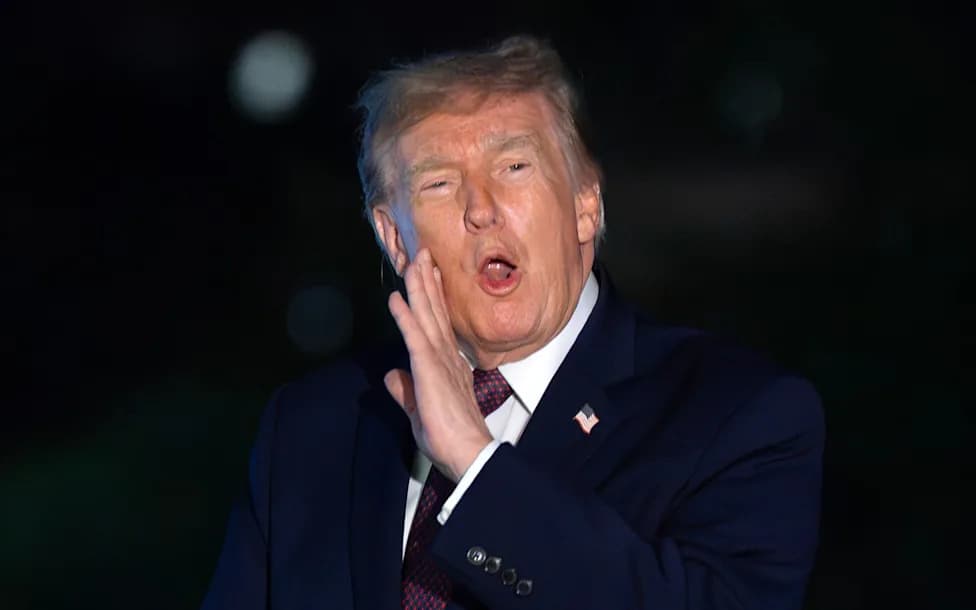
President Trump asserted on Truth Social that the United States has "total control" of the Strait of Hormuz, a strategic chokepoint through which about one-fifth of the world's oil normally transits. Iran has rejected that claim, and commercial traffic through the waterway has dropped sharply amid ongoing hostilities and maritime incidents.
Dispute Over Control And Maritime Traffic
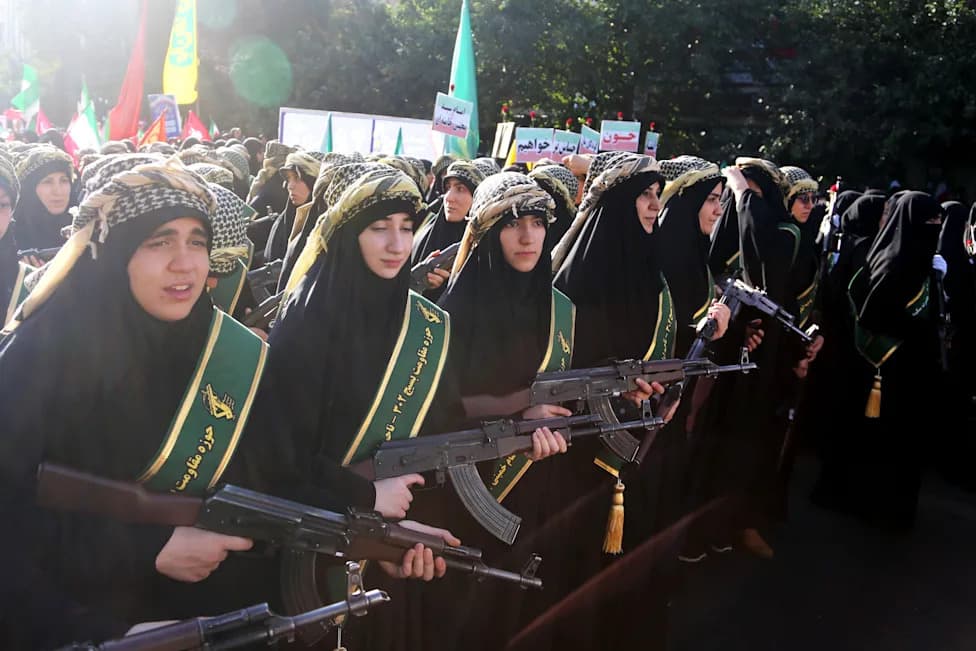
Reuters and maritime-data provider Kpler reported a dramatic fall in commercial transits: roughly 130 vessels a day passed through the strait before the conflict began on Feb. 28, but tracking data showed just eight vessels on a recent day — the lowest daily count since Aug. 5. Tehran's Persian Gulf Strait Authority said the strait remains blocked and will not be reopened until Iran's conditions are accepted. Iran's Basij commander Hossein Taeb similarly asserted that the strait is "under Iran's control and management."
Military, Diplomatic And Market Impacts
The slowdown has rippled through global energy markets. The International Energy Agency (IEA) sharply lowered its 2025 global oil-demand forecast, citing shipping disruptions through the Strait of Hormuz and high prices that are depressing consumption. Brent crude traded near $89 a barrel while U.S. benchmark crude hovered around $83.50, and U.S. gasoline prices edged higher.
Maritime violence and enforcement incidents have added to the disruption. Yemen's Iran-backed Houthi rebels were blamed for an attack in the Bab el-Mandeb strait that killed six people aboard a vessel, while U.S. Central Command said a U.S. helicopter struck a Panama-flagged cargo ship, the Vela Nova, after it allegedly tried to breach a U.S. blockade of Iranian ports. CENTCOM reported disabling several non-compliant ships and redirecting dozens of commercial vessels.
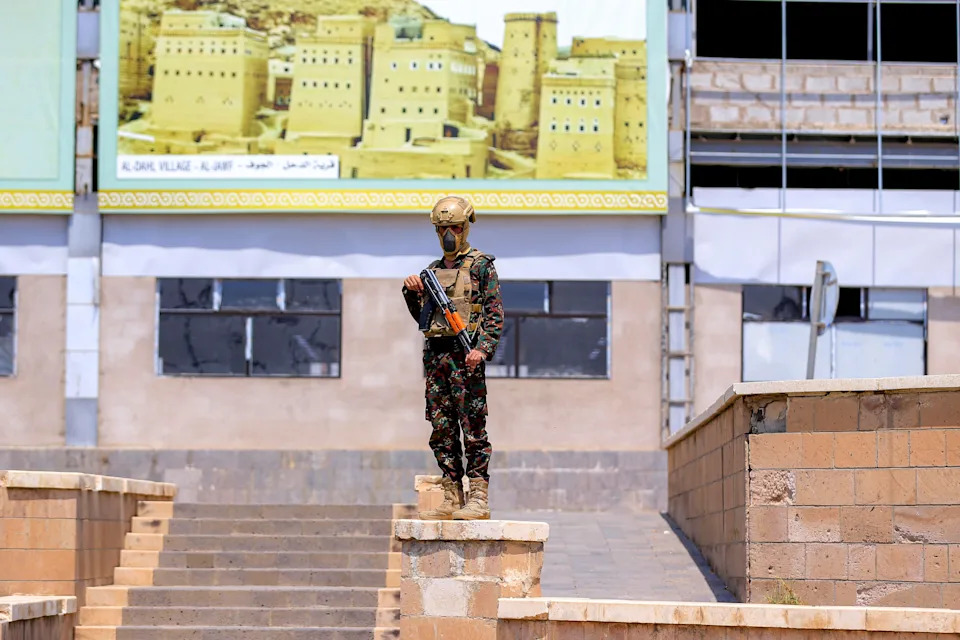
A member of the Houthi authorities' security forces stands guard at Sanaa International Airport on Aug. 8, 2026 during a press conference protesting restrictions imposed by the Saudi-led coalition on Yemeni airports and demanding the reopening of the facility and resumption of commercial flights to the Yemeni capital. / Credit: Mohammed HUWAIS/AFP via Getty Images
Regional Leadership Changes And Capabilities
Tehran has reshuffled its security leadership: Maj. Gen. Mohsen Rezaei was named the supreme leader's representative on the Supreme National Security Council, Brig. Gen. Ahmad Vahidi was appointed commander of the IRGC, and Hossein Taeb was given command of the Basij militia. Iranian officials also say more than 75% of the country’s missile and drone capabilities remain intact, and they continue to highlight low-cost systems such as the Arash drone.
Diplomacy And Other Developments
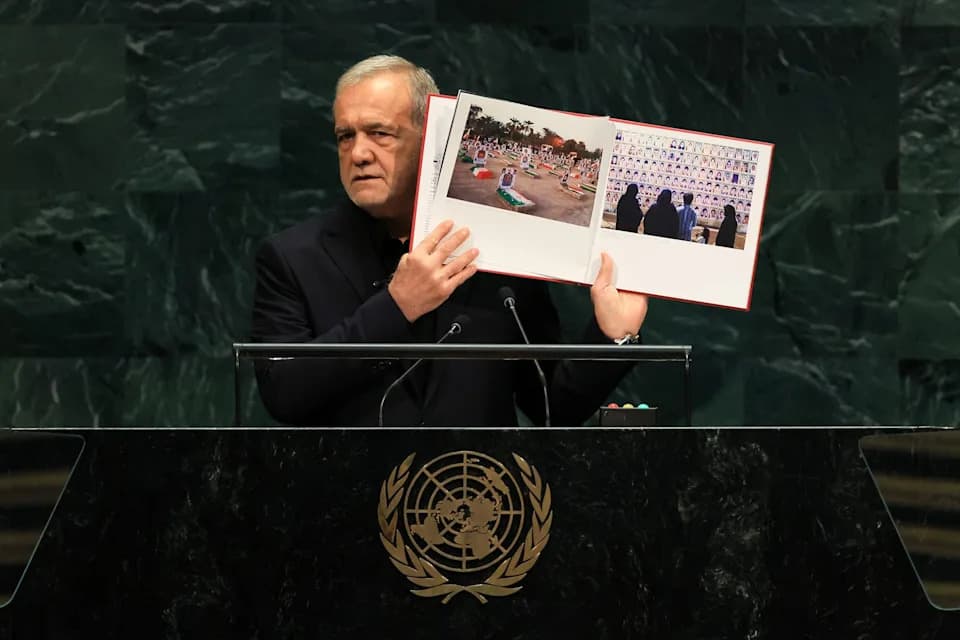
Diplomatic channels and mediation efforts continue. Pakistan dispatched Interior Minister Mohsin Naqvi to Tehran for talks, and Turkish officials have promoted a new regional defense pact involving Turkey, Saudi Arabia and Pakistan. Separately, more than 30 countries and the European Union have condemned Iran's recent use of capital punishment and urged the release of arbitrarily detained protesters; Iranian officials dismissed the criticism as hypocritical.
Other Conflict Zones And Environmental Risks
Israel and Lebanon remain on edge: Lebanese Prime Minister Nawaf Salam condemned what he called "systematic destruction" of southern Lebanon, while Israel's defense minister vowed continued operations in a so-called security zone. An oil spill from the grounded tanker Caroline Bezengi off Oman — carrying an estimated 800,000 barrels of Russian crude — has produced a slick covering many square miles and reached shorelines, complicating cleanup and salvage operations.
U.S. Military Movements
Washington expects to complete a withdrawal of remaining U.S. forces from Iraq by Sept. 30, concluding the mission that began in 2003. Officials say most bases were vacated last year but a presence remained in parts of the north; attacks on U.S. positions there have continued since the broader conflict escalated in late February.
Bottom Line: Claims of U.S. "total control" over the Strait of Hormuz are disputed by Iran. The resulting uncertainty has sharply reduced shipping, driven volatility in oil markets, and intensified regional military and diplomatic activity.
Help us improve.