Researchers sampled Pinot Noir and Chardonnay from 80 vineyards across 13 regions in France, Italy, Germany, Portugal and Argentina over three vintages (2019–2021) to model conditions similar to a +2 °C warming scenario. Using carbon isotope analysis to gauge vine water status, they found Chardonnay’s metabolic response to drought was largely linear, suggesting greater adaptability. Pinot Noir showed a sharp tipping point: key metabolites remained stable until severe water deficit, after which the compounds that define its character deteriorated. The study implies quality Chardonnay may persist as droughts increase, while top-tier Pinot Noir could become rarer without adaptation.
Is Pinot Noir Under Threat? Study Finds Chardonnay More Resilient As Droughts Rise
(Sebastien Bozon/AFP/Getty Images)
As Western Europe closes what may be its hottest summer on record, winemakers across the world’s best-known regions are moving harvest dates forward — when their grapes have survived heat, wildfire and drought. Mounting evidence suggests wine-producing areas in Europe and beyond will face hotter, drier seasons as the climate warms.
A collaborative team of viticulture experts from institutes in France, Germany and Argentina recently examined how two widely planted Vitis vinifera varieties — Pinot Noir and Chardonnay — are likely to perform as droughts become more frequent under climate change.
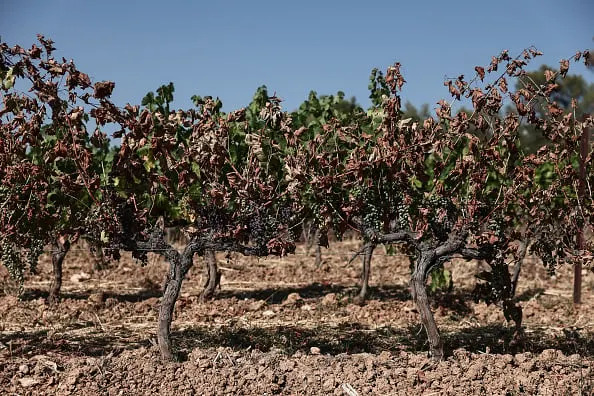
Burned vineyards following a wildfire in Ponteves, southeastern France, in July 2026. (Thibaud Moritz/AFP/Getty Images)
To approximate conditions roughly +2 °C above pre-industrial levels, the researchers sampled Pinot Noir and Chardonnay grapes from 80 vineyards across 13 wine-producing regions in France, Italy, Germany, Portugal and Argentina over three consecutive vintages (2019–2021). Vine water status was assessed using carbon isotope analysis of grape juice, a well-established proxy for long-term water availability experienced by vines.
What The Study Found
The team found that both varieties can tolerate a wide range of water deficits, but they respond differently as drought stress intensifies.
YouTube Thumbnail
“While many possibilities have been explored to adapt wine production to climate change, changing cultivars is indeed a risky choice for premium wine regions whose wine characteristics and reputations strongly rely on a single or a few varieties,” writes viticulturist Sébastien Nicolas (Institut Universitaire de la Vigne et du Vin – Jules Guyot) and colleagues.
Chardonnay displayed a largely linear metabolic response to increasing water deficit across regions and vintages, suggesting greater adaptability: its key metabolic markers changed gradually rather than collapsing past a threshold.
Pinot Noir, in contrast, appeared to have a clear physiological tipping point. Its metabolic profile — the set of molecules that contribute to its delicate aromatic and flavor character — remained stable under moderate stress but began to break down once vines experienced severe water deficits. That breakdown could mean a loss of the sensory attributes prized in top-tier Pinot Noir wines.

Subscribe to ScienceAlert's free fact-checked newsletter
The study also noted that the climatologically driest regions were not always the most water-stressed vineyards: many have adopted irrigation or other water-management practices that reduced vine water deficits. The authors highlight that in many historic and regulated wine regions (Loire, Bourgogne, Champagne and others), growers are reluctant to change grape varieties because wine identity and legal appellation rules are tightly linked to traditional cultivars.
Implications And Options
The findings suggest that while high-quality Chardonnay may persist under more frequent droughts, the production of the finest Pinot Noir could become more challenging and rarer in its classic terroirs unless growers adopt mitigation measures.
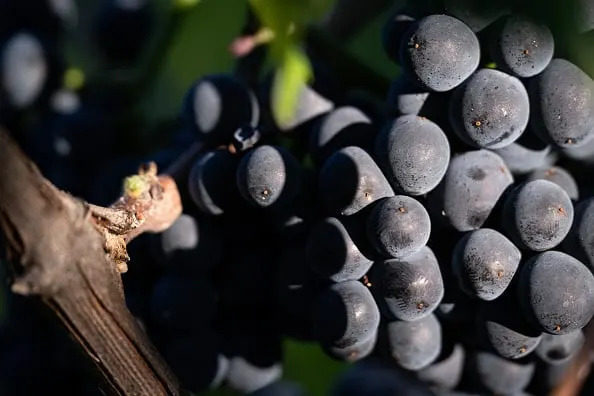
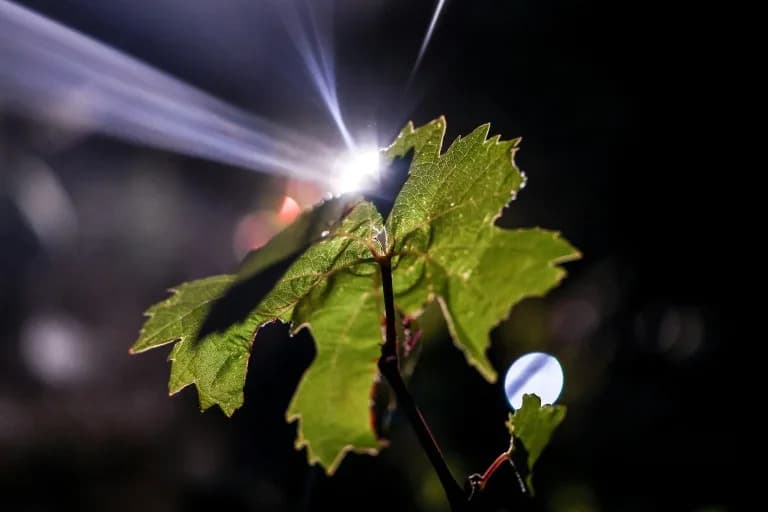
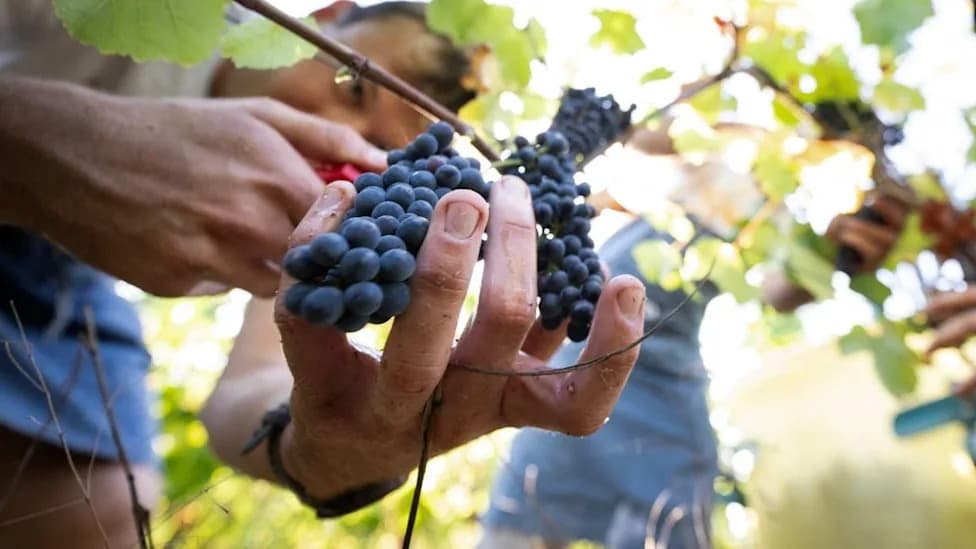
Pinot noir vines seem to have a 'tipping point' for taste that's only going to become more frequent as climate change progresses. (Sebastien Bozon/AFP/Getty Images)
Potential adaptation strategies include targeted irrigation where allowed, changes in canopy management and rootstock choices, relocating vineyards to cooler sites, or—more controversially—breeding and gene-editing approaches to develop drought-tolerant varieties. However, the social, regulatory and cultural constraints in heritage wine regions make many of these options difficult to implement.
The research was published in the journal Food Chemistry: X. Further work will be needed to translate metabolic changes in grapes into predictable impacts on wine sensory quality, and to explore practical adaptation pathways that respect regional wine identities.
Help us improve.