The Hebrew University team discovered a physiological "golden hour" in which top tomato lines open stomata early in the morning to maximize carbon gain while avoiding mid-day water loss. Continuous whole-plant weighing revealed daily water-use rhythms and recovery patterns that single-point measurements miss. Lines such as IL5-2 and IL11-4 combined high daytime carbon gain with rapid recovery after drought, suggesting breeders could select for timing and flexibility of water use to improve drought resilience.
Tomato 'Golden Hour' — Morning Stomatal Rhythm Boosts Drought Resilience
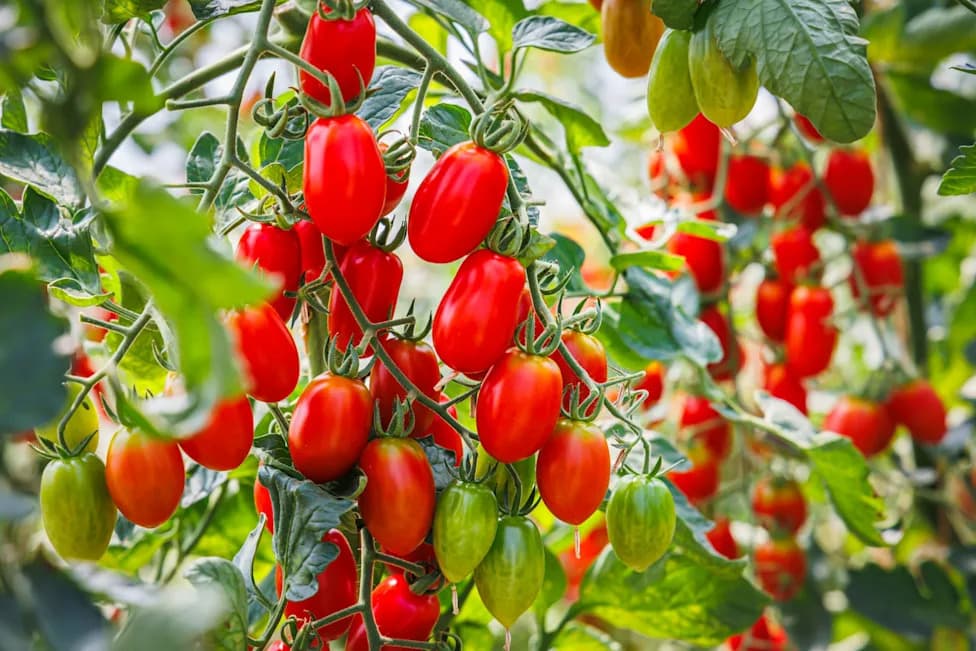
Hebrew University researchers found that tomato drought resilience may depend on when plants use water, not just how much. (CREDIT: Shutterstock)
New research from the Hebrew University of Jerusalem reveals that some tomato lines defend against drought not by simply conserving water, but by using it strategically during a daily "golden hour." Continuous whole-plant monitoring showed that top-performing lines open their stomata strongly in the early morning when light is abundant but atmospheric water demand is still low, maximizing carbon gain while minimizing water loss.
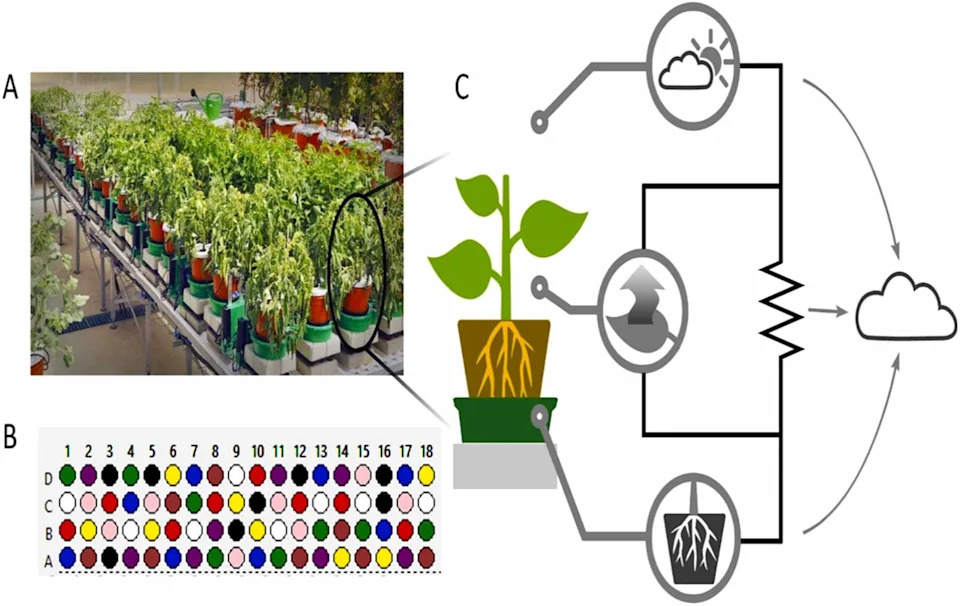
Overview of the telemetric, gravimetric phenotyping platform and analysis scheme. (CREDIT: Plant Science)
How The Study Was Done
Led by Dr. Sanbon Chaka Gosa and Prof. Menachem Moshelion, the team combined multi-year field data with an advanced greenhouse telemetric platform that weighed potted plants continuously to record minute changes in whole-plant water use. The researchers evaluated 29 tomato introgression lines (wild Solanum pennellii segments introgressed into the M82 background) and selected six lines plus the M82 control for detailed study.
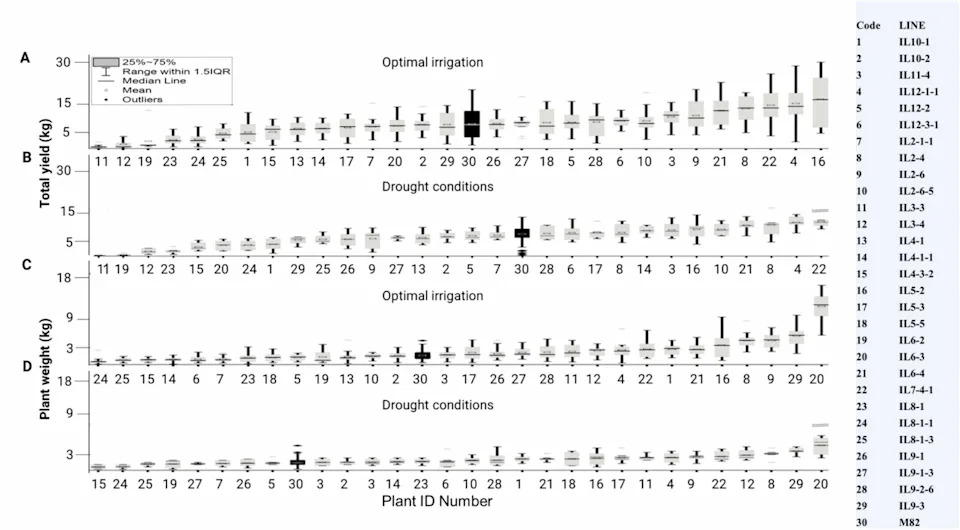
Field performance of 29 tomato introgression lines (gray) and the M82 control (black). (CREDIT: Plant Science)
Key Findings
Morning 'Golden Hour': The strongest-performing lines exhibited a pronounced early-morning surge in stomatal opening. By taking advantage of high light and relatively low vapor pressure deficit (VPD) in the morning, these plants fixed carbon efficiently before mid-day heat increased water loss.
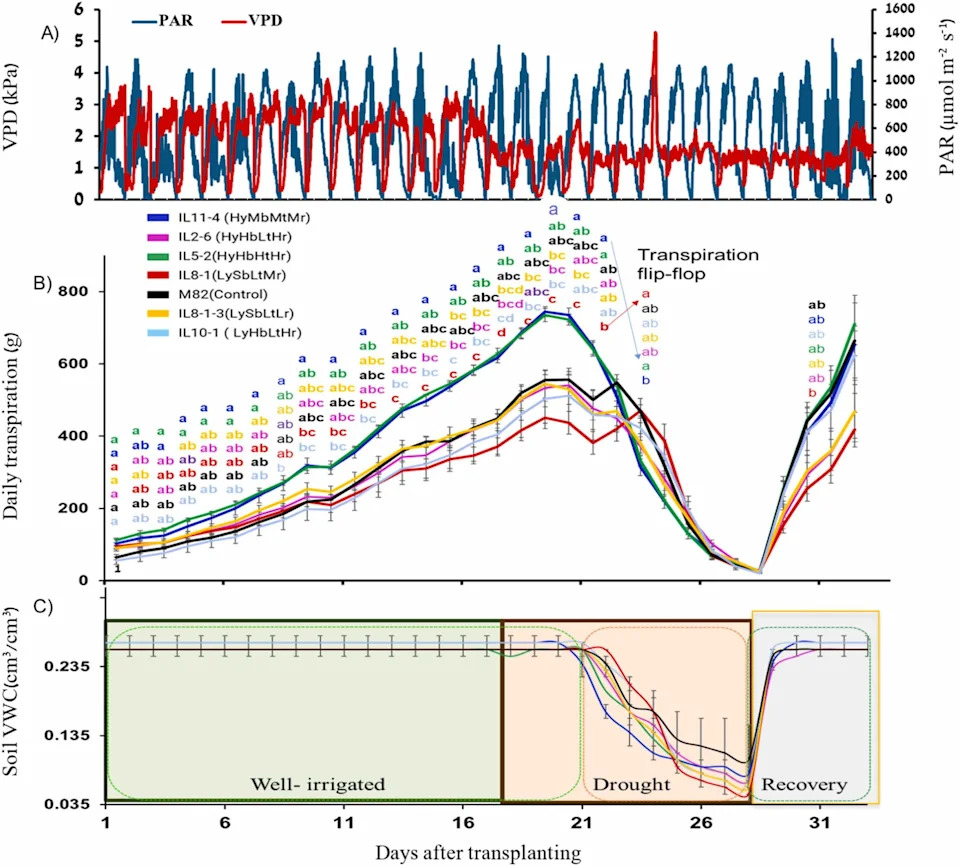
Daily photosynthetically active radiation (PAR) and vapor pressure deficit (VPD) during the experimental period. (CREDIT: Plant Science)
Timing Over Totals: Continuous monitoring revealed daily rhythms and recovery dynamics that single-point measurements miss. The timing and pattern of water use — when stomata open and close throughout the day — predicted drought recovery and yield better than total water consumption or leaf anatomy alone.
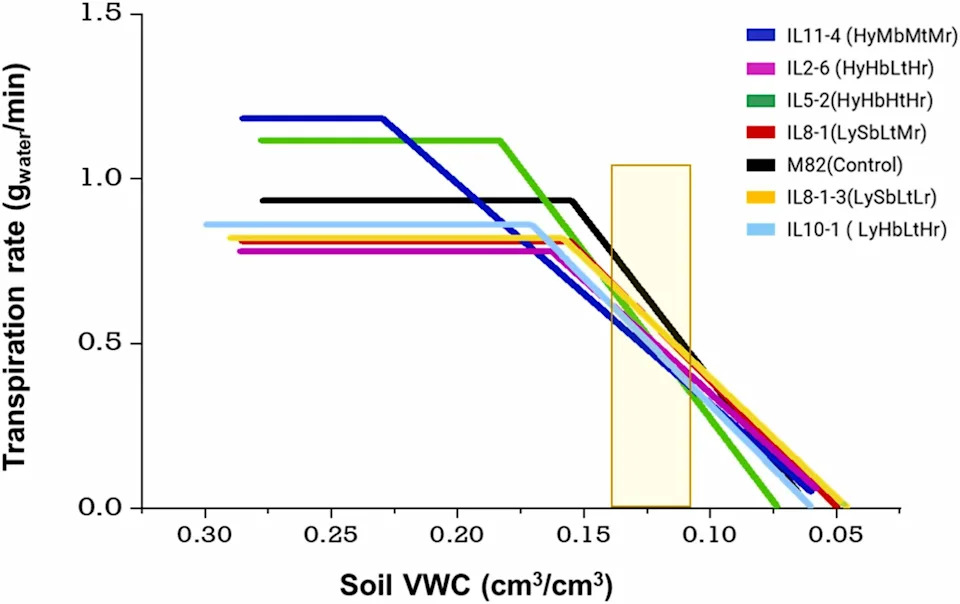
The physiological drought point (θcrit) was determined as the point at which soil water is restricted from supplying mid-day transpiration needs. (CREDIT: Plant Science)
Flexible Strategy Beats Constant Conservation: Lines such as IL5-2 and IL11-4 showed high pre-drought transpiration under favorable conditions but recovered rapidly after re-watering. IL5-2 outperformed the M82 control across wet and dry field trials, illustrating that active water use when beneficial, combined with rapid adjustment under stress, can support both survival and productivity.
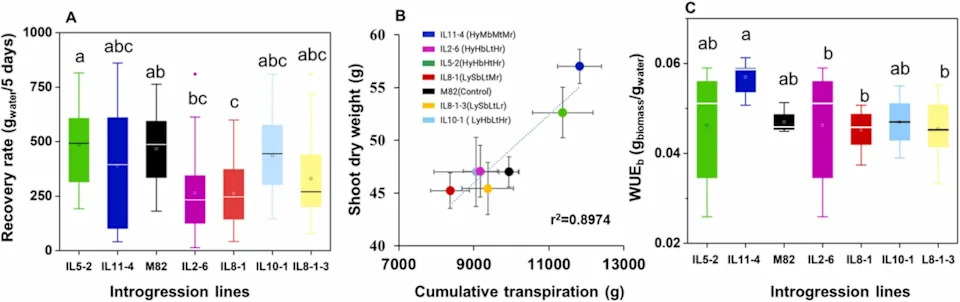
Transpiration recovery rate for five days after the resumption of irrigation in seven different tomato lines. (CREDIT: Plant Science)
Methods That Improved Fairness
To impose drought fairly across genotypes with different baseline water use, the team used feedback-controlled deficit irrigation: each plant received 80% of the water it had used the previous day. They also defined a physiological drought point, θcrit, marking when soil moisture could no longer meet mid-day transpiration demand.
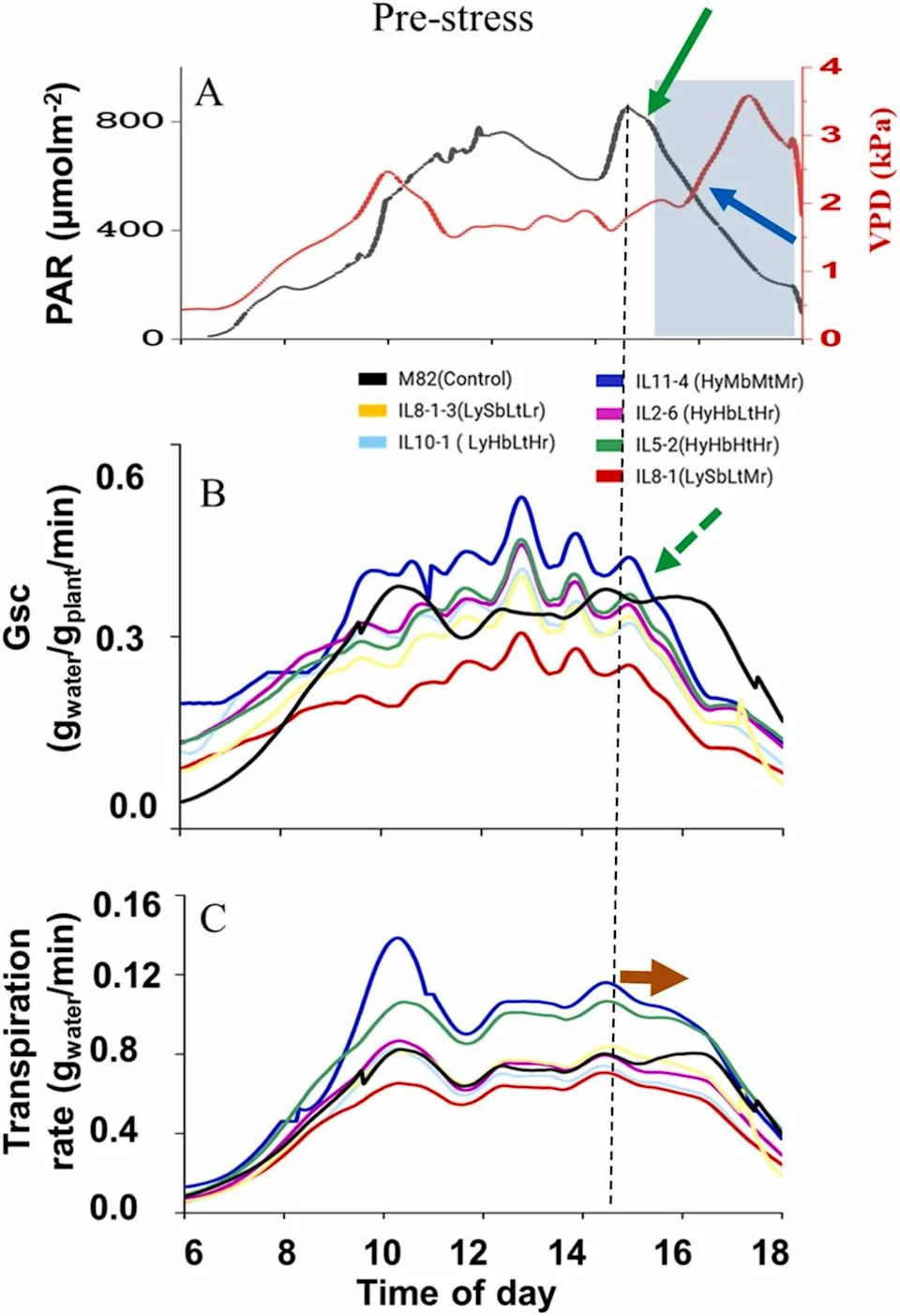
Daily patterns of A, PAR (black line) and VPD (red line), B, whole-canopy conductance, and C, whole-canopy transpiration rate, as continuously measured under well-irrigated conditions. (CREDIT: Plant Science)
Anatomy Versus Behavior
While high-performing lines often had greater stomatal density on the abaxial (lower) leaf surface, anatomy alone did not explain resilience. Rather, success depended on dynamic stomatal behavior across the day — opening to capture morning light and closing as VPD rose.
Implications For Breeding And Agriculture
Measuring daily water-use rhythms with continuous platforms could give breeders a powerful screening trait to identify resilient varieties earlier, shortening breeding cycles and reducing costly field trials. If similar "golden hour" behaviors exist in other crops, selecting for timing and flexibility in stomatal control could help maintain yields as climates warm and dry.
"Plants don't simply save water during drought, they manage it strategically," said Prof. Menachem Moshelion. "Understanding these dynamic patterns gives breeders entirely new traits to target."
Where To Find The Research
The study is published in the journal Plant Science. The authors place their results in the broader context of FAO and IPCC reports that highlight growing agricultural water challenges and the need for resilient crop systems.
Help us improve.