French regulators have authorized a temporary increase in the allowable alcohol level for Champagne to 15% after record heat and drought produced grapes with unusually high sugar. Only a small number of wines that marginally exceeded the 13% limit during second fermentation are expected to be affected. The 2026 season was marked by historic frosts, an exceptionally early harvest and multiple heatwaves — conditions officials say may become common within 10–15 years due to climate change.
Record Heatwaves Could Make Champagne Stronger — France Temporarily Raises Alcohol Cap to 15%
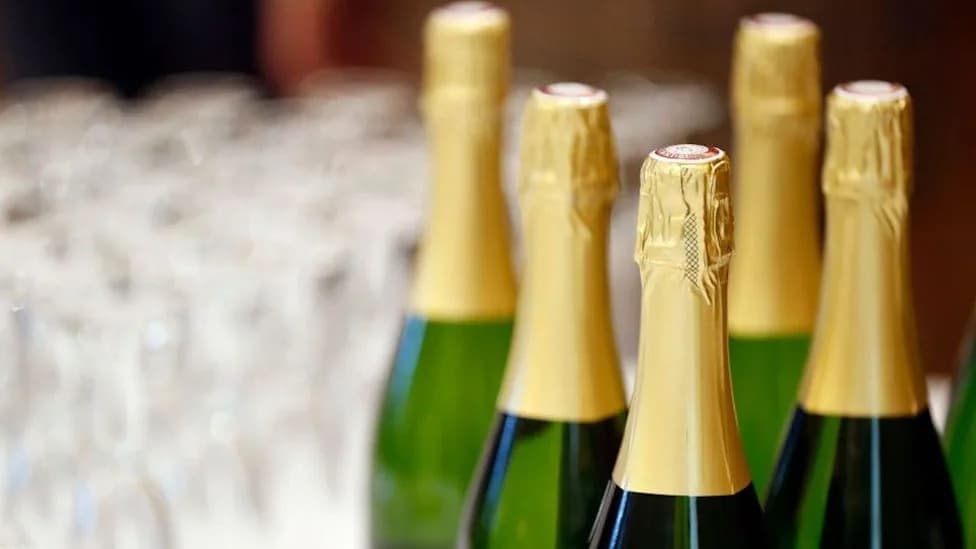
[Getty Images]
Champagne drinkers may notice a slightly stronger pour this year after French authorities allowed a temporary rise in the permitted alcohol level for Champagne following an exceptionally hot and dry summer. Industry officials say producers may — for this harvest only — make wines with alcohol levels up to 15%, above the traditional 13% regulatory cap.
Why The Change?
Prolonged heatwaves and drought in the Champagne region produced grapes with unusually high sugar concentrations. During fermentation, yeast converts sugar into alcohol, and a small number of wines undergoing the second fermentation that creates champagne's bubbles may have marginally exceeded the 13% limit — roughly 13.1% to 13.2% — prompting an exceptional, temporary regulatory increase to 15% for 2026 vintages.
Scope And Timing
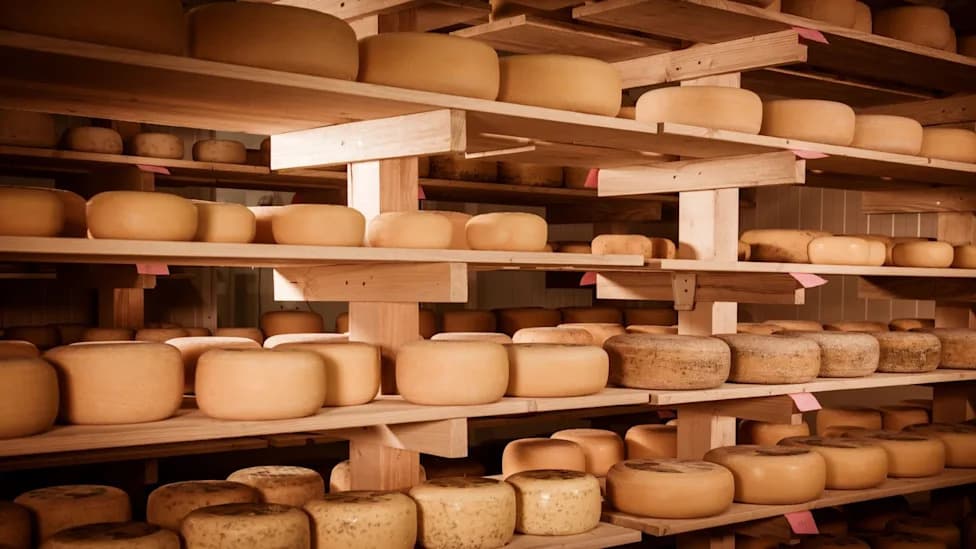
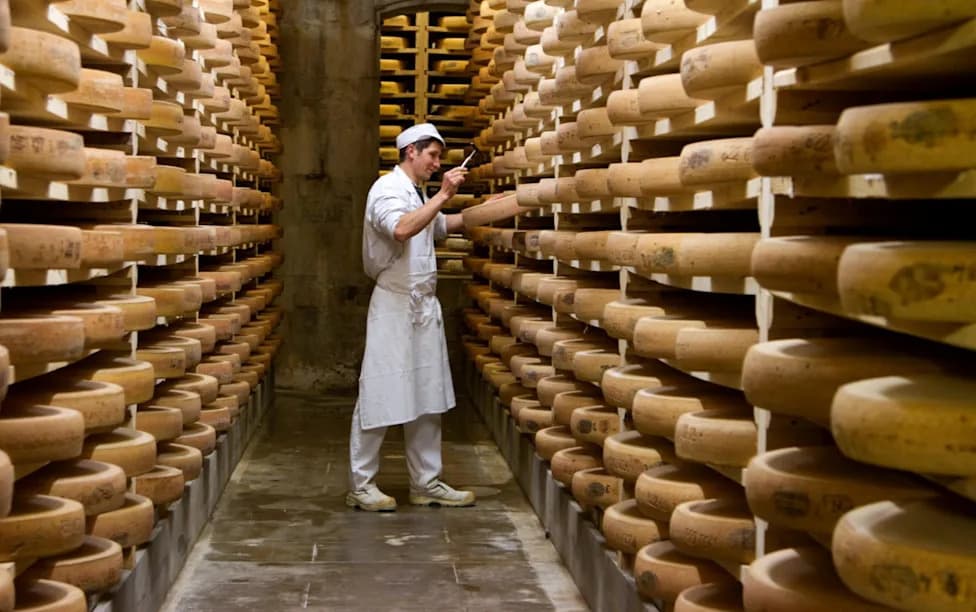
A Comite Champagne spokeswoman told the BBC the adjustment is expected to affect only a limited number of wines. The association said the first grapes were harvested in early August, with picking expanding throughout the middle of the month — the earliest-ever recorded harvest in the region. Because champagne must age for at least 15 months, bottles from the 2026 vintage are unlikely to reach shelves before 2028.
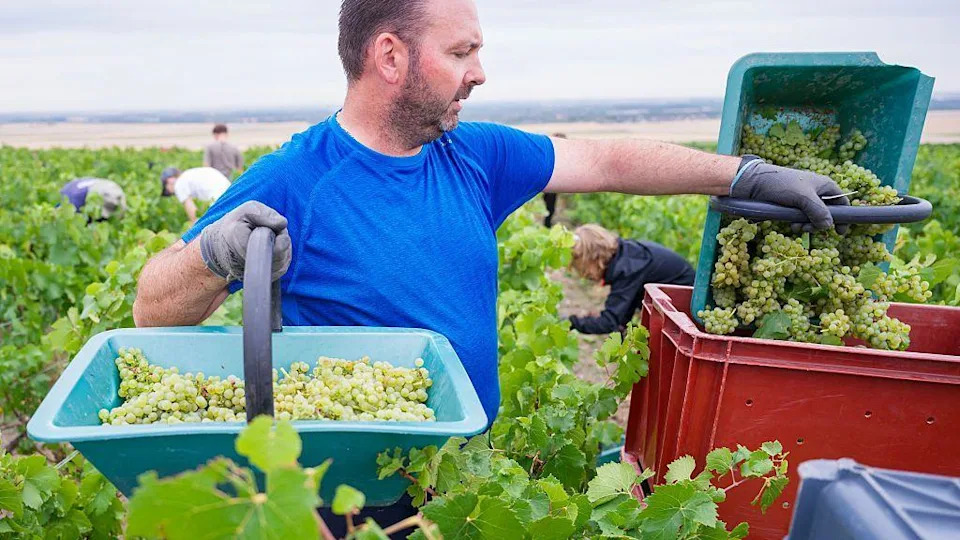
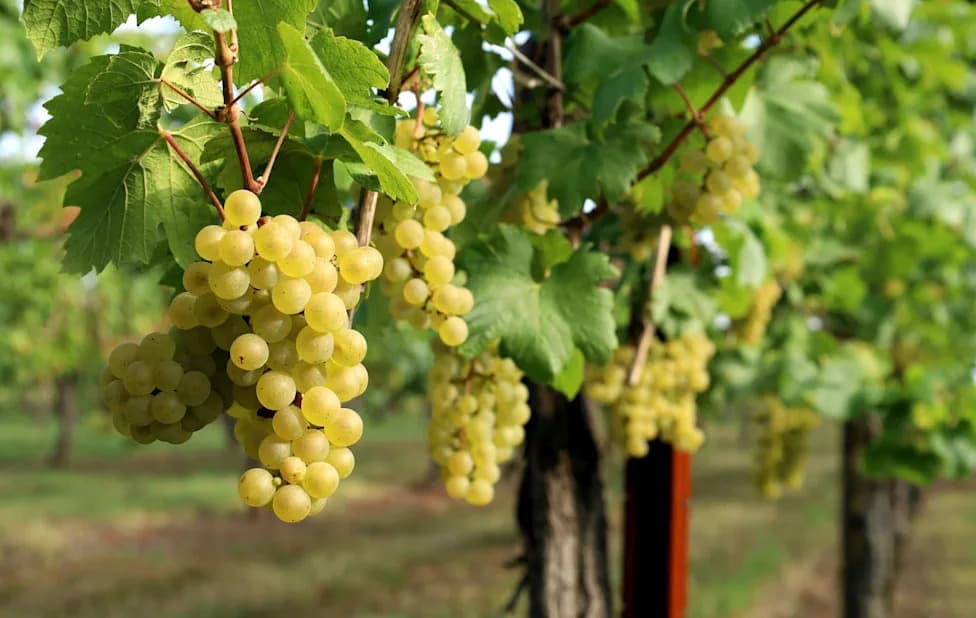
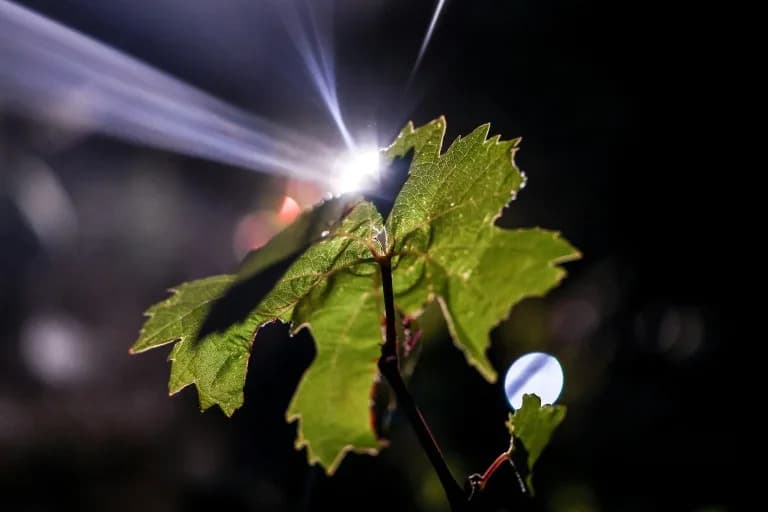
Grape harvesting began early in France this year [Getty Images]
Voices From The Region
"The Mediterranean climate is moving north. This is year one of a new cycle," said Stéphane Vignon, a producer in Verzenay, warning that similar conditions are likely to recur.
"This unusual harvest will probably become the norm in 10 to 15 years," said Maxime Toubart, co-chair of the Comite Champagne.
Wine columnist Jane Anson cautioned higher alcohol will not necessarily be marketed as a benefit, noting many consumers increasingly prefer lower-alcohol wines. She described the growing tension between market preferences and what the vines now produce as a significant stress for makers.
Climate Context
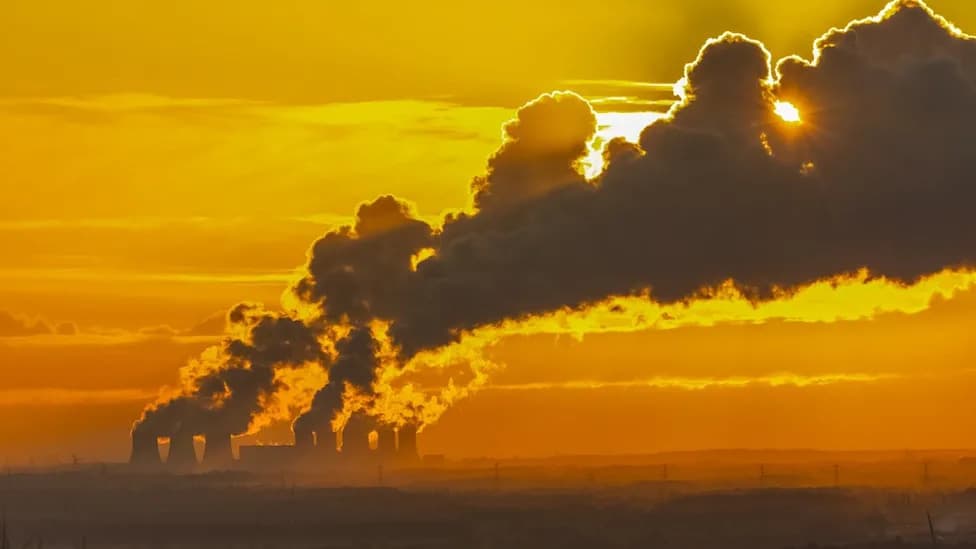
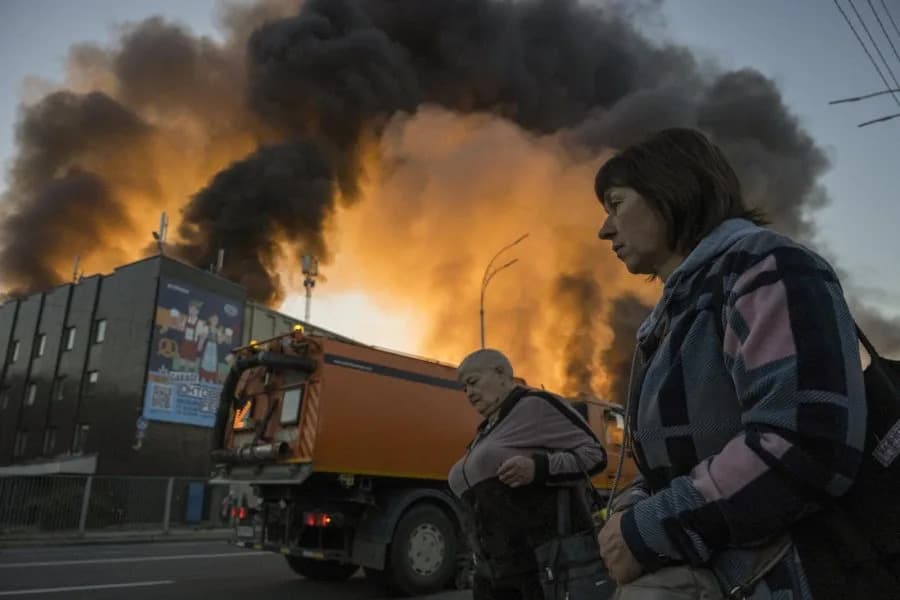
France was among Europe’s worst-affected countries this summer, experiencing extreme heat, drought and large wildfires. Climate scientists attribute these trends to human-driven warming, and the Copernicus Climate Service reports Europe is warming at roughly twice the global average, increasing the frequency and intensity of heatwaves.
What to expect: A small portion of 2026 Champagne may carry slightly higher alcohol content; producers and regulators say the 15% limit is an exceptional, one-year measure. Longer term, vintners are preparing for more frequent weather extremes that could reshape harvest timing and wine profiles.
Help us improve.