Researchers analyzed data from over 400,000 UK Biobank participants with a median follow-up of 15.4 years and found that greater access to green space—especially private gardens and multiple neighborhood parks—was associated with a lower risk of developing type 2 diabetes. Having a private garden within 100 meters was linked to a 6.8% lower risk, while living near four or more parks corresponded to a 5.7% lower risk. The study is observational and adjusted for common confounders, so it shows correlation rather than causation. Authors recommend prioritizing green space in urban planning to support population health.
Living Near Gardens and Parks Linked to Lower Type 2 Diabetes Risk, Large UK Study Finds

(Delmaine Donson/E+/Getty Images)
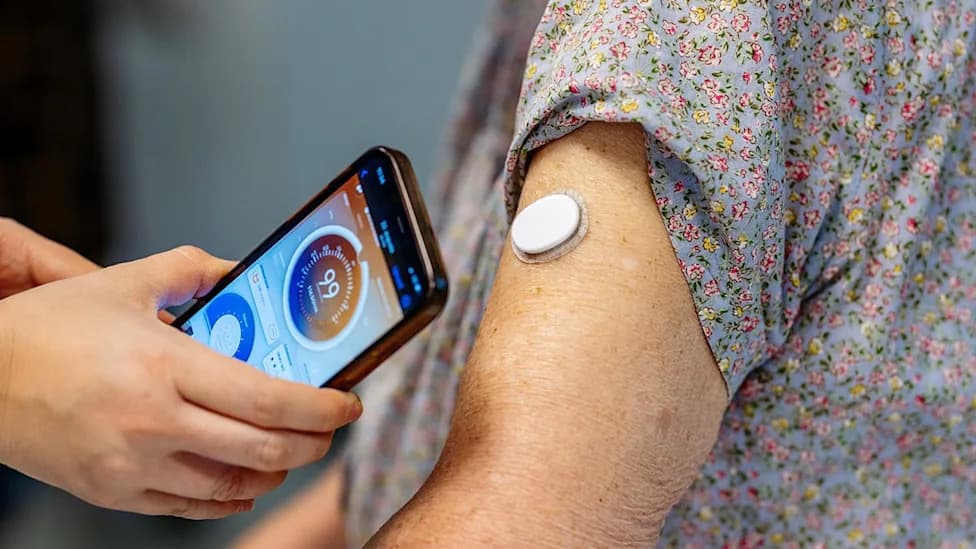
Type 2 diabetes is increasing worldwide. While genetics play a major role, the environments where people live—and the opportunities those environments provide for activity, sunlight and social contact—also shape diabetes risk. A large team of public health researchers from institutions in Australia and the United States has identified an association between access to green space—particularly private gardens and neighborhood parks—and a reduced likelihood of developing type 2 diabetes.
Study Design and Main Findings
The investigators analyzed data from more than 400,000 participants in the UK Biobank. They identified new cases of type 2 diabetes using hospital records over a median follow-up of 15.4 years. To measure green-space exposure, the team matched participant addresses to the OS MasterMap Greenspace Layer, quantifying both public and private green areas surrounding each home.

YouTube Thumbnail
When the datasets were combined, clear relationships emerged: greater surrounding green space correlated with a lower risk of developing type 2 diabetes. Participants who had substantial private gardens within 100 meters (328 feet) of their home were 6.8% less likely to develop type 2 diabetes than those in the lowest quartile for nearby gardens. Likewise, living in a neighborhood with four or more parks was associated with a 5.7% lower risk. Interestingly, whether a park was within walking distance did not materially change the association.
Interpreting the Results
The authors are careful to note this is an observational study, which can identify associations but cannot establish cause and effect. The analysis adjusted for multiple potential confounders, including smoking status, alcohol consumption and family history of diabetes, but residual confounding is still possible.

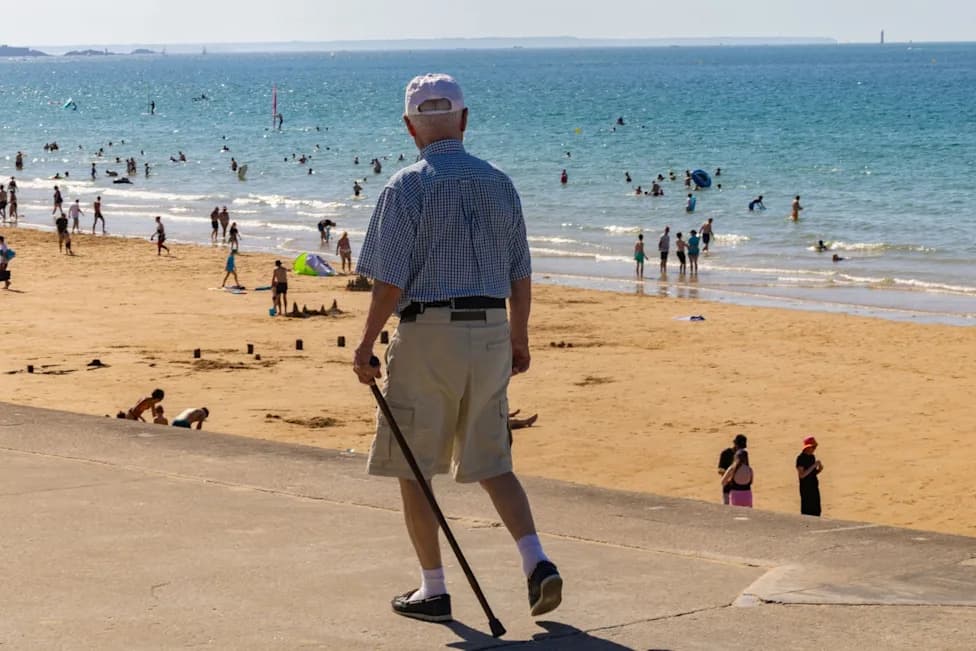
Lifestyle factors such as diet and exercise also affect diabetes risk. (MoMo Productions/DigitalVision/Getty Images)
Physical activity is a plausible mediator: previous research suggests people who live near more parks exercise about 24 minutes more per week than those without nearby parks. Other possible mechanisms include increased sunlight exposure (and vitamin D), improved mental restoration from nature, and greater contact with diverse environmental microbes that may support gut and immune health.
Equity and Urban Planning Implications
The study highlights stark socioeconomic patterns: people with lower incomes and lower educational attainment are disproportionately affected by diabetes and are less likely to have access to private or high-quality public green spaces. In the context of a global housing crunch, private gardens have become rarer—effectively a luxury—while those same populations often face greater barriers to healthcare and to adopting lifestyle changes that reduce diabetes risk.

Subscribe to ScienceAlert's free fact-checked newsletter
"Current housing challenges mean there are more high-density residential dwellings under development, and this research shows public health considerations need to be prioritized when planning green spaces," says UQ environmental epidemiologist Chinonso Odebeatu. Nicholas Osborne, an epidemiologist at UQ, adds: "The findings from this study show how public health needs to be considered in urban planning because the decisions we make today will impact our future health."
What Comes Next
Further research should explore which specific features of green space—quality, biodiversity, private access, usable area or opportunities for physical activity—most strongly influence diabetes risk. Regardless of mechanism, the findings support integrating green spaces into housing and urban planning as a potentially low-cost public health intervention.
Publication: The study is published in BMC Public Health.
Note: This research reports associations observed in real-world data. Individuals should continue to follow clinical guidance for diabetes prevention, including regular physical activity, a balanced diet and medical screening when appropriate.
Help us improve.