The first randomized, double-blind human clinical trial to test low-dose oral BPA finds a short-term (~5 day) reduction in peripheral insulin sensitivity of about 9% in healthy young adults. Urinary BPA confirmed exposure and insulin clamp tests suggested the effect was primarily in peripheral tissues (likely skeletal muscle) rather than the liver. Researchers call for larger, longer trials and regulatory reassessment of the EPA reference dose (0.05 mg/kg/day).
New Human Trial Shows Low-Dose BPA Lowers Insulin Sensitivity in Healthy Young Adults
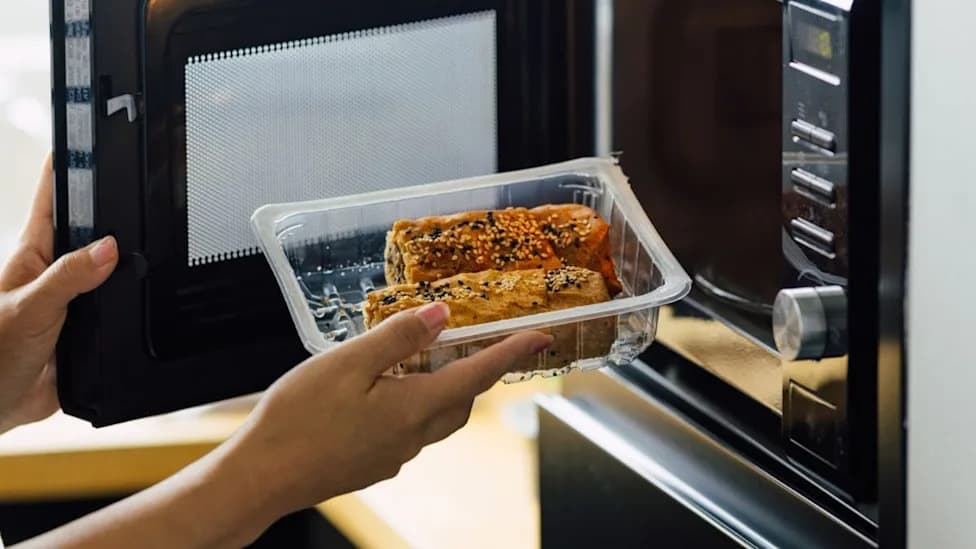
(1546277533/E+/Getty Images)
New experimental evidence in humans suggests that short-term oral exposure to Bisphenol A (BPA) — at levels currently considered "safe" by U.S. regulators — can reduce peripheral insulin sensitivity.
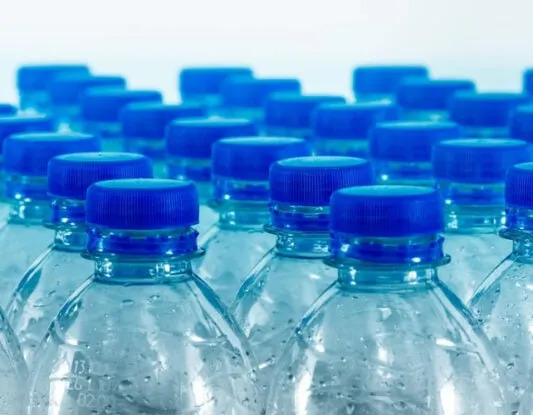
Plastic bottles can contain BPA. (fotoblend/pixabay)
What Is BPA and Why It Matters
Bisphenol A (BPA) is a high‑volume industrial chemical used since the 1960s in many plastics and the epoxy resins that line food and beverage cans. By some estimates, more than 90% of people in the U.S. have detectable BPA in their urine. The U.S. Environmental Protection Agency (EPA) currently sets a lifetime reference dose at 0.05 mg/kg/day, a value established in 1988.

Subscribe to ScienceAlert's free fact-checked newsletter
Study Design And Key Findings
In a randomized, double-blind, placebo-controlled clinical trial published in The Journal of Clinical Endocrinology & Metabolism, 40 healthy, college-aged adults received either a daily oral dose of BPA at the EPA reference dose or a matched placebo for five days. Investigators used precise insulin clamp measurements to assess insulin action and measured urinary BPA to confirm internal exposure.
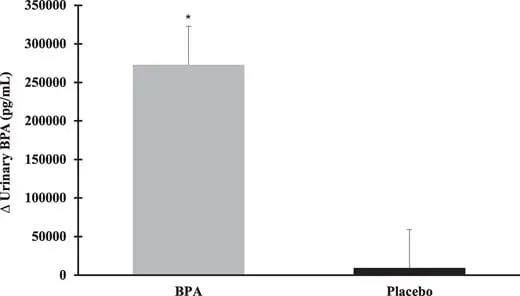
Change in urinary BPA concentrations in the BPA group versus the placebo. (Seal et al.,The Journal of Clinical Endocrinology & Metabolism, 2026)
"Given that diabetes is a leading cause of death in the U.S., it is crucial to understand even the smallest factors that contribute to the disease," said senior author Todd Hagobian when presenting preliminary results in 2024.
Compared with placebo, the BPA group showed a roughly 9% decrease in peripheral insulin sensitivity after five days. Urinary BPA concentrations rose as expected in the exposed group, confirming ingestion and absorption. The researchers found no change in a common index of hepatic (liver) insulin sensitivity, suggesting the observed effect was most likely in peripheral tissues such as skeletal muscle.
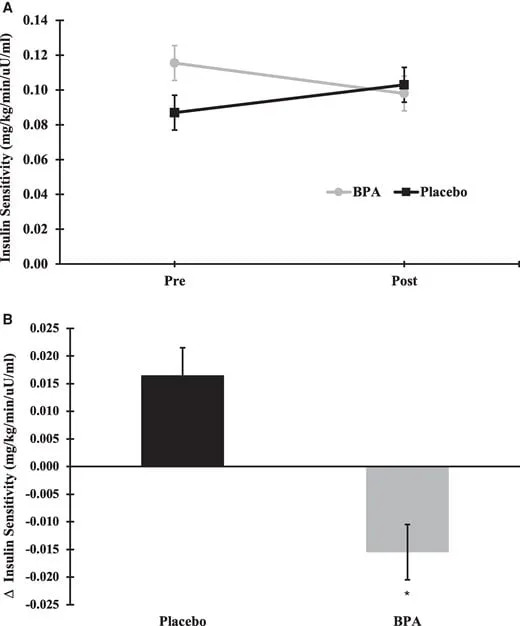
A) Insulin sensitivity in BPA-50 and PL between baseline and post-treatment clamps; (B) change in insulin sensitivity in PL and BPA-50. (Seal et al.,The Journal of Clinical Endocrinology & Metabolism, 2026)
Implications
Because prior evidence linking BPA to metabolic problems has been largely observational or from animal studies, this randomized, double-blind human trial strengthens the case that BPA exposure could play a causal role in short-term reductions in insulin sensitivity. The authors argue these findings add weight to calls for regulatory reassessment of BPA reference doses and for larger, more diverse trials to determine whether effects extend to older adults, people with obesity, or those with prediabetes or type 2 diabetes.
Limitations And Next Steps
The trial's participants were young and healthy, and the exposure period was brief (five days). Larger, longer-duration studies across broader populations are needed to confirm whether the effect persists, whether repeated or chronic low-dose exposure produces cumulative harm, and the exact mechanisms involved. The study did not find evidence that estrogenic changes explained the insulin effect, and investigators suggested interference with insulin-stimulated glucose metabolism in skeletal muscle as a likely pathway.
Regulatory And Public Health Context
Europe has moved to restrict BPA in most food-contact materials; U.S. federal agencies have not comprehensively reevaluated BPA in more than a decade. This year, U.S. lawmakers introduced the "No Toxics In Food Packaging Act" to ban BPA from food packaging, though similar bills have not yet passed. The new trial adds timely data to inform regulatory and public-health debates.
Publication: Seal et al., The Journal of Clinical Endocrinology & Metabolism (2026).
Help us improve.