A pooled analysis of six major ageing studies across China, England, the US, South Korea, Mexico and continental Europe finds that a single question—"Do you have trouble walking?"—can identify older adults at substantially higher risk of death and healthcare use. Those reporting walking difficulty faced nearly double the mortality risk and higher rates of multi-morbidity, falls, depressive symptoms, disability and hospitalisation. The question is low-cost and easy to standardise for clinical and system-level screening, though the study does not prove causation.
Do You Have Trouble Walking? One Simple Question That Predicts Higher Death Risk In Older Adults
The single question a doctor could ask to estimate death risk in older patients
Asking older patients a single, straightforward question—"Do you have trouble walking?"—may reveal important information about their health and mortality risk, according to a large international analysis published in BMC Medicine.
The researchers pooled comparable questionnaire data from six major ageing studies spanning China, England, the United States, South Korea, Mexico and continental Europe. Together, these cohorts followed hundreds of thousands of older adults and included a harmonised item about walking difficulty.
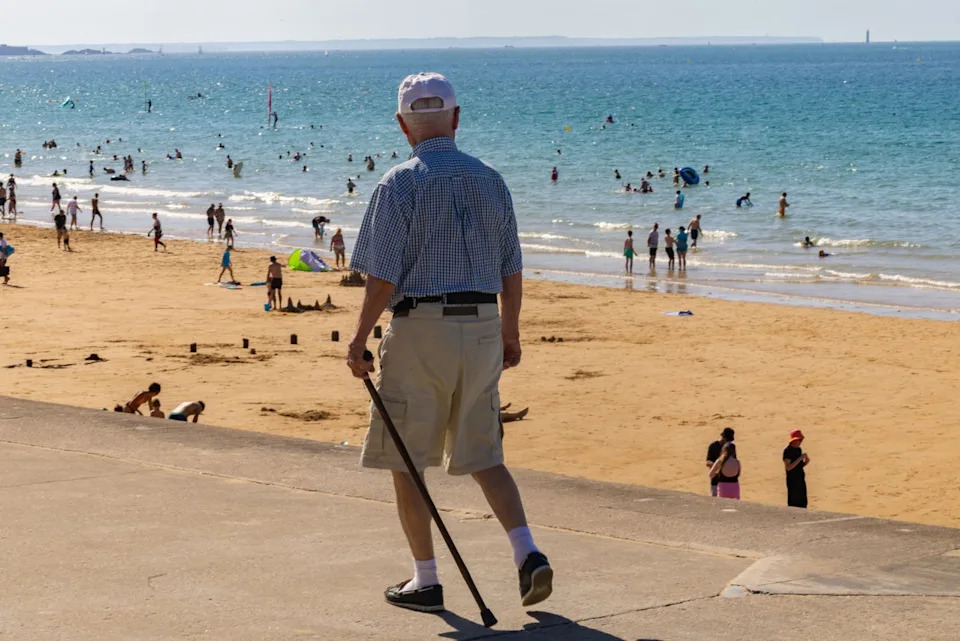
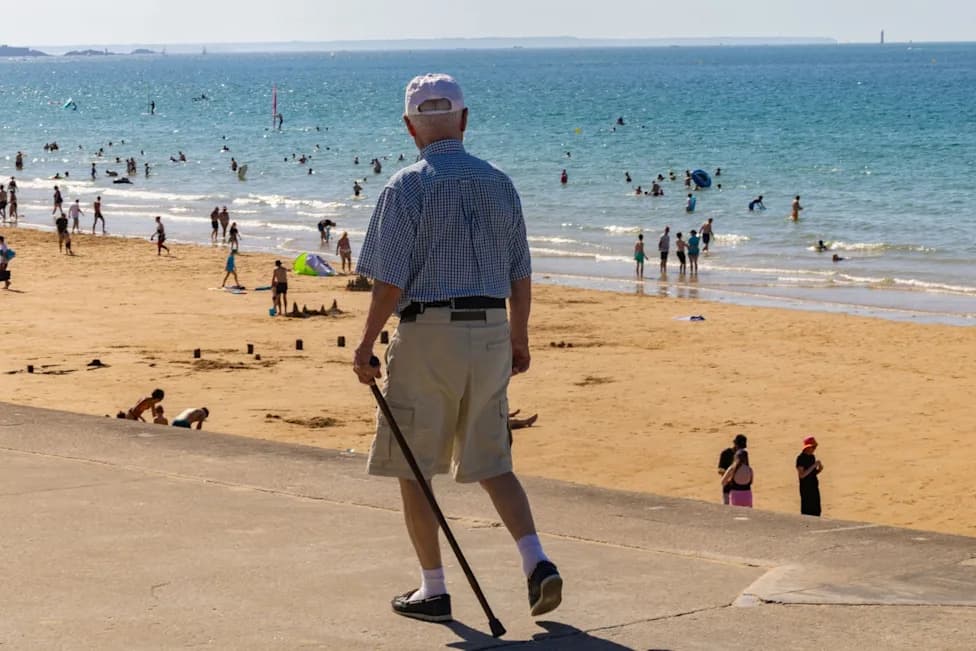
An elderly man walks with a cane, his gaze directed toward the sand (Hans Lucas/AFP via Getty Images)
Across diverse countries and health systems, participants who reported difficulty walking had substantially greater measured health needs. During follow-up, those reporting walking problems faced nearly double the risk of death compared with people who walked comfortably. They were also more likely to experience multi-morbidity, falls, depressive symptoms, disability and hospitalisation.
"Walking difficulty is inexpensive to ascertain and widely harmonisable across ageing cohorts, but its value as a denominator for healthcare equity assessment has been less well characterised," the authors wrote.
Older adults with walking difficulty were about three times more likely to have co-occurring health conditions and impairments in basic daily activities such as dressing or bathing—limitations that threaten independent living.
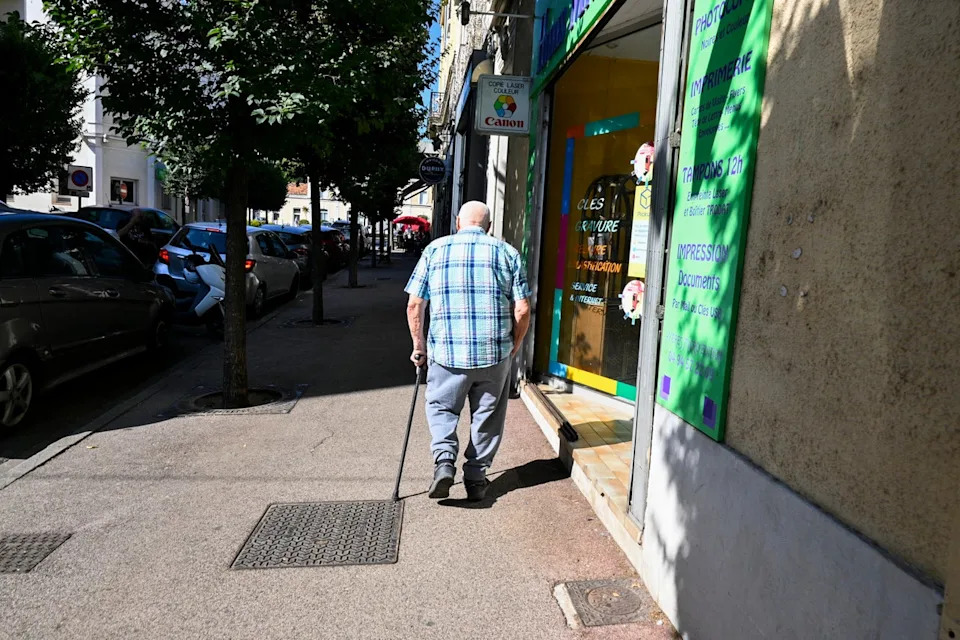
An old man, senior citizen, walking with his walking stick in the heat of a heatwave (Hans Lucas/AFP via Getty Images)
The study authors emphasise that the findings do not prove walking difficulty causes higher mortality. Rather, the self-reported item serves as a low-cost, quickly deployable marker to flag a high-need group for further assessment, targeted care, or system-level auditing to check whether services are reaching those most in need.
Practical implications: The question requires no equipment, can be standardised across settings, and could be integrated into routine clinical checks, community screening, and electronic health records to prioritise follow-up for older adults at elevated risk.
Limitations: As an observational, pooled analysis, the study identifies associations but cannot establish causation. Further research is needed to test interventions that reduce risk among people who report walking difficulty.
Help us improve.