RAND recommends the Department of the Air Force treat AI as a readiness priority across key career fields and fund "just-in-time" training focused on AI, data literacy and cyber-enabled operations for officers and warrant officers. The report proposes a stackable certificate model integrated into PME and existing training systems to create a measurable pathway to technological fluency. It advises pilot programs and outcome assessments before scaling and suggests updating promotion and assignment policies to retain technical talent.
RAND Urges Air Force To Treat AI As A Readiness Priority Across Critical Career Fields
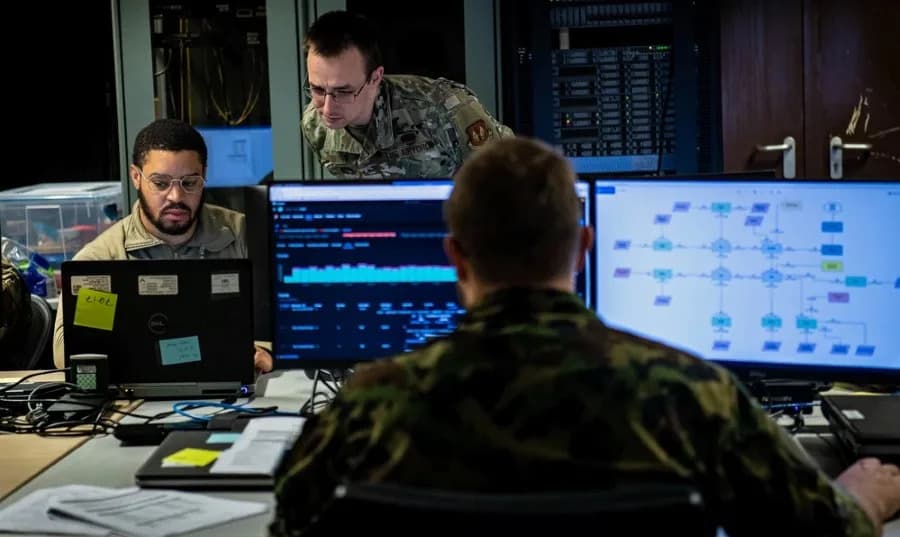
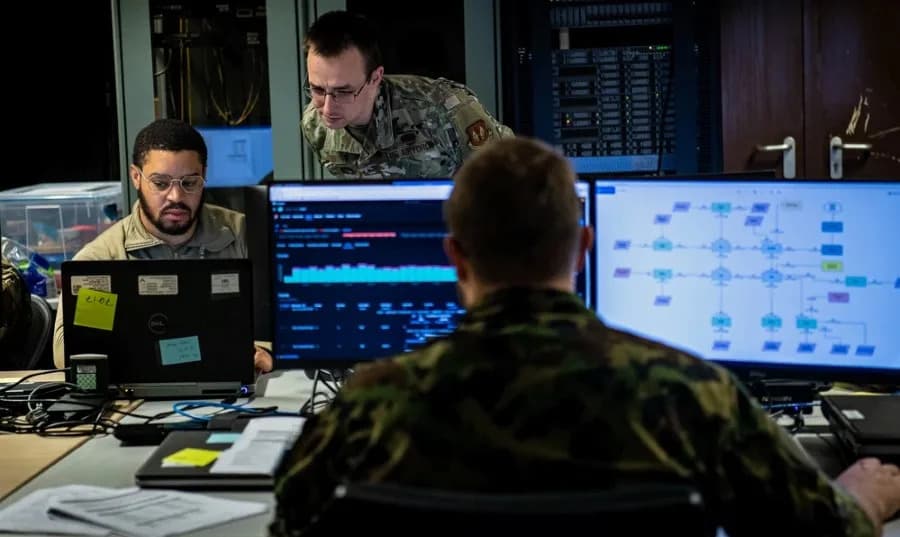
Airmen analyze metadata to identify any suspicious activity on the network during a cyber threat exercise at Ramstein Air Base, Germany, May 12, 2022. (Jared Lovett/U.S. Air Force)
The U.S. Air Force should treat artificial intelligence (AI) as a readiness priority across critical career fields — not only as the domain of technical specialists — according to a new report from the RAND Corporation, a nonprofit research institute based in Arlington, Virginia.
As modern warfare is increasingly shaped by AI, autonomy and cyber operations, RAND recommends that the Department of the Air Force invest in targeted, "just-in-time" training for officers and warrant officers among airmen and guardians. The report argues that technological fluency should be considered a core element of warfighter readiness rather than a niche skill or one-time educational requirement.
Recommendations
Focused Training Areas: RAND says training should emphasize AI, data literacy and cyber-enabled operations so personnel can both operate alongside advanced systems and lead their employment in mission contexts.
Stackable Certificate Model: The authors propose a "stackable, scaffolded, continuous" certificate approach for AI and advanced technologies. Stackable certificates provide a measurable, progressive pathway to build technical fluency, tailor learning to mission needs, and help contain training costs.
"In an era of constrained resources, technological fluency may increasingly need to be treated as a core element of warfighter readiness, not a niche skill or one-time educational requirement."
Integration With Existing Systems: RAND recommends incorporating certificates into existing training and professional military education (PME) by aligning programs to specific career fields and mission areas. The report notes that the Department of Labor defines a stackable certificate as a credential that can be combined over time to advance qualifications and career progression.
Pilot Programs and Assessments: Because there is limited evidence on the use of stackable certificates in military or government settings, RAND urges the Air Force to run pilot programs and outcome assessments before scaling up the initiative.
Warrant Officers And Career Management: The report highlights that the reestablished warrant officer cohort is well positioned to leverage stackable certificates while performing unit duties. RAND also recommends that the Air Force evaluate how ongoing technical training fits within service members' primary responsibilities and consider updating promotion and assignment processes to recognize these credentials, helping to retain technical talent and support career growth.
Overall, RAND frames the approach as a practical, cost-conscious way to ensure the force develops and sustains the technological skills needed for future operations while giving leaders measurable ways to track and reward technical expertise.
Help us improve.