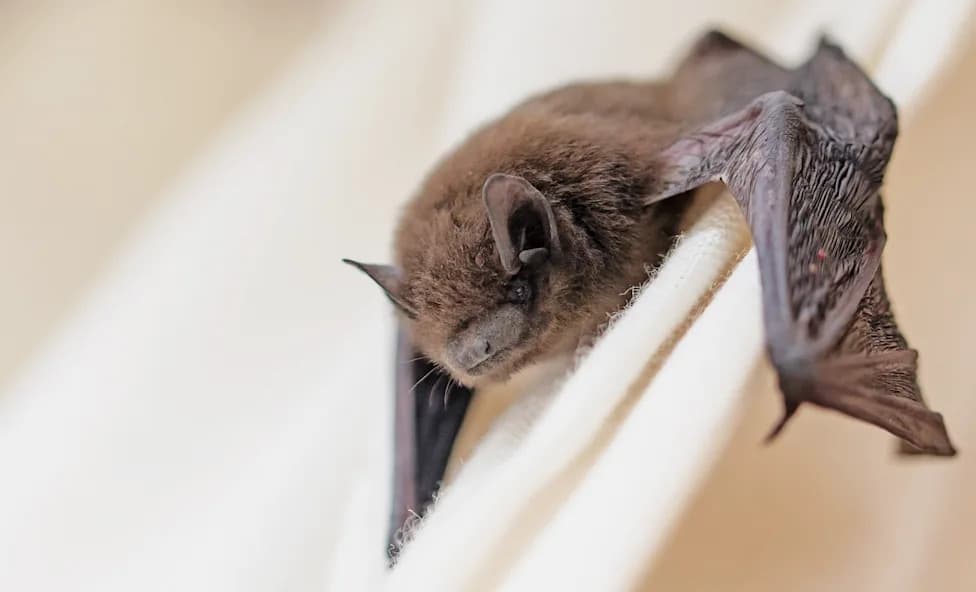
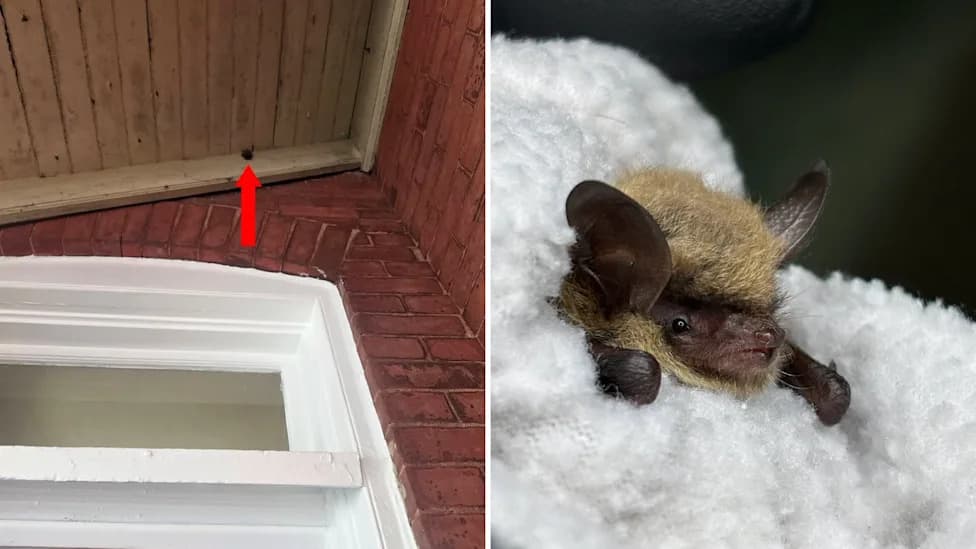
A Golden Valley homeowner discovered a bat in the living room; an inspection found a colony in the attic and one bat later tested positive for rabies, confirmed by the University of Minnesota Veterinary Diagnostic Laboratory. Skedaddle Humane Wildlife Control removed seven additional bats. Health officials note rabies in Minnesota is mainly found in bats and skunks and advise medical evaluation after any possible bat contact because bites can be tiny and leave no visible mark. Homeowners should seal small gaps around chimneys, fireplaces and rooflines and call professionals rather than handling bats themselves.
Rabid Bat Confirmed After Colony Entered Golden Valley Home Through Fireplace Gap
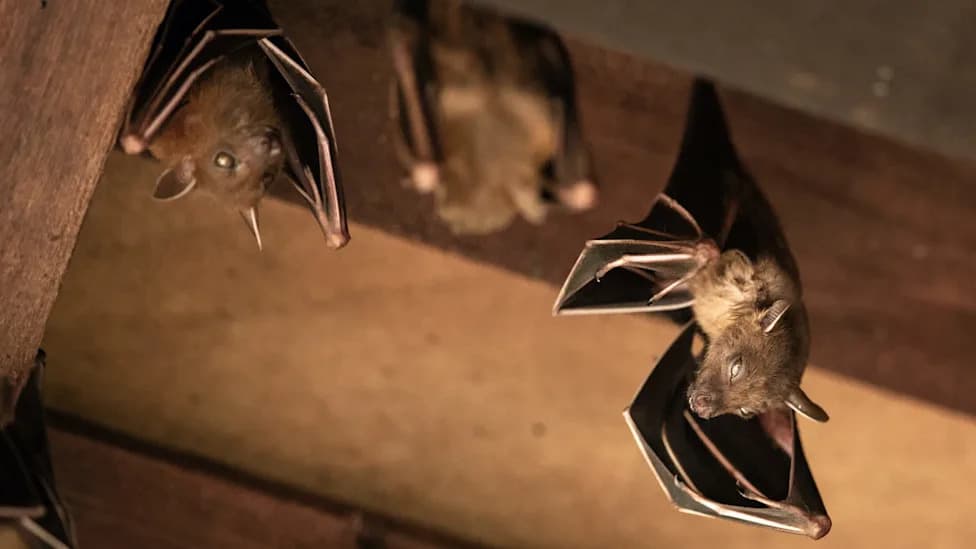
Photo Credit: iStock
A Golden Valley homeowner who spotted a bat in the living room prompted a follow-up inspection that uncovered multiple bats roosting in the attic. Wildlife crews later confirmed that one of the bats taken from the house tested positive for rabies.
Skedaddle Humane Wildlife Control responded after the initial sighting and traced the bats' entry point to a small gap near the fireplace. Local outlet Bring Me The News reported the case and said the University of Minnesota Veterinary Diagnostic Laboratory confirmed the positive rabies test.
Health Risks and Immediate Advice
Rabies in Minnesota is found primarily in bats and skunks, according to the Minnesota Department of Health. Although infections are uncommon, rabies is usually fatal once symptoms appear. Because bat bites can be very small and leave little or no visible mark, health officials recommend prompt medical evaluation whenever there is any possibility of physical contact with a bat—especially if a bat is found in a room where someone was sleeping or is discovered near a child or an unattended person.
What Happened in This Case
Skedaddle crews removed seven additional bats from the property. The company noted that August is typically a peak period for bat activity in Minnesota as young bats begin dispersing from their maternal colonies, increasing the likelihood of encounters with homes.
Prevention and Safe Response
Bats provide important ecological benefits, such as controlling insect populations, but even a very small gap in a home can allow them to enter and establish a roost. Homeowners should inspect and seal small openings around rooflines, vents, chimneys and fireplaces to reduce the chance of wildlife entering living spaces.
If you find a bat in your home, avoid direct contact. Call trained wildlife removal professionals rather than attempting to handle the animal yourself—this reduces the risk of bites and increases the chance the animal will be removed humanely. If there is any chance a person or pet had physical contact with a bat, contact a physician or local public health authority immediately to discuss possible post-exposure prophylaxis.
Key sources: Skedaddle Humane Wildlife Control, Bring Me The News, University of Minnesota Veterinary Diagnostic Laboratory, Minnesota Department of Health.
Help us improve.