USC researchers found that gut signals transmitted via the vagus nerve trigger acetylcholine release in the hippocampus, helping form memories. Experiments in rats showed nutrient-rich foods (sugary or fatty) produced strong memory-related brain activity, while low-calorie sweet substitutes did not. Disrupting vagus communication reversed the acetylcholine spike. Chronic high-fat, high-calorie diets impaired memory over time and the pathway may suggest new targets for Alzheimer’s research, pending human studies.
Gut–Brain Memory Link: Vagus Nerve Signals May Reveal New Alzheimer’s Targets

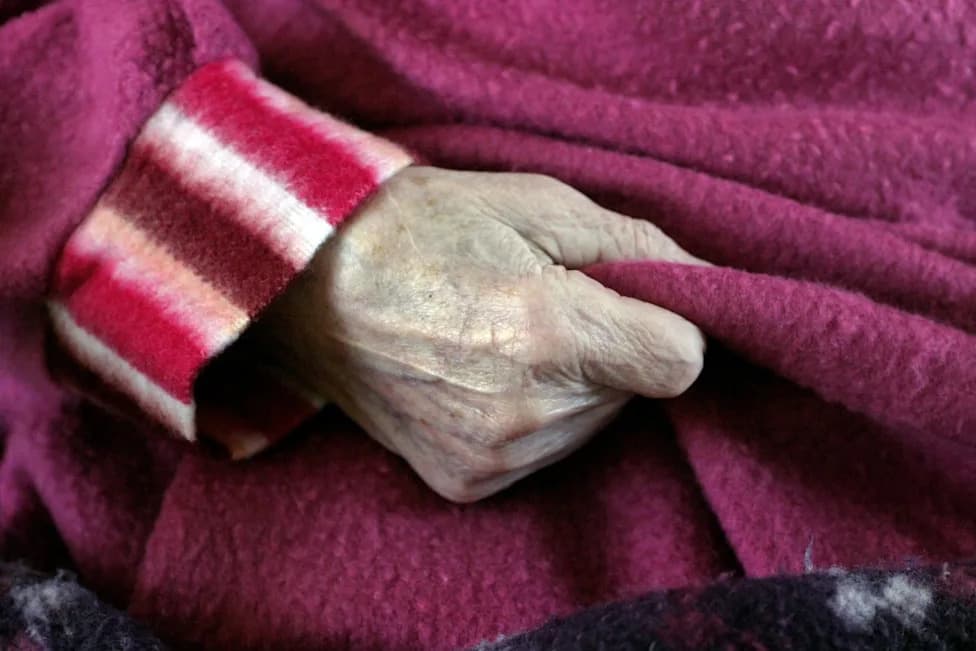
Scientists know that obesity, poor diet and metabolic disorders such as diabetes are associated with cognitive decline, say researchers. Michael Reichel/dpa
Researchers at the University of Southern California (USC) report that signals from the gut travel along the vagus nerve to the hippocampus, triggering a surge of the neurotransmitter acetylcholine that helps the brain encode new experiences. The findings, based on experiments in rats and published in Nature Communications, describe a nutrient-sensitive gut–brain pathway that shapes memory formation.
Key Findings
The team observed that eating—especially nutrient-rich, sugar- or fat-dense foods—produced pronounced memory-related activity in the hippocampus and a marked increase in acetylcholine. Rats fed sweet-tasting but low-calorie substitutes did not show the same response, suggesting the signal reflects nutritional value, not taste alone. When researchers interrupted communication along the vagus nerve, the acetylcholine surge was reversed, linking gut signaling causally to the brain change.
Implications
Investigators suggest this mechanism likely evolved to help animals remember vital information about food sources. The study also raises clinical concerns: chronic exposure to high-fat, high-calorie diets impaired memory formation over time, supporting evidence that poor diet and metabolic disorders are associated with cognitive decline. Because disruption of acetylcholine signaling in the hippocampus is an early neurochemical change in Alzheimer’s disease, the gut–vagus–hippocampus pathway could point to new therapeutic avenues, including exploration of vagus nerve stimulation.
Limitations And Next Steps
These results come from rodent experiments, so direct application to humans is not yet established. Further research should test whether the same pathway operates in people, identify the specific gut-derived signals involved, and evaluate whether dietary interventions or vagus-targeted therapies can preserve memory or modify neurodegenerative risk.
Lead author comment: 'We think the mechanism likely evolved to help animals remember vital information about food sources,' said Logan Lauer of USC.
Help us improve.