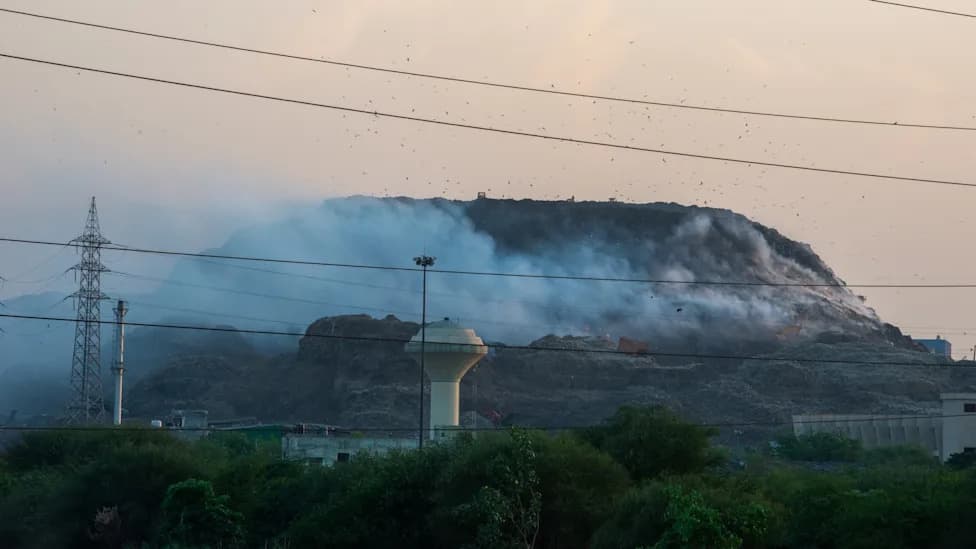
Cities are converting captured landfill methane into renewable natural gas (RNG) to power vehicles and heat buildings, but fleet fueling represents only a portion of current landfill gas use. About 598 landfill gas capture systems supply roughly three-quarters of captured biogas and about 64% of U.S. RNG production. Major challenges include the high cost of upgrading biogas to pipeline-quality RNG and uncertainty about how much landfill methane is actually captured — some studies suggest rates closer to 50%.
How Cities Turn Their Trash Into Fuel: The Promise and Limits of Renewable Natural Gas
Coldsnowstorm/Getty Images
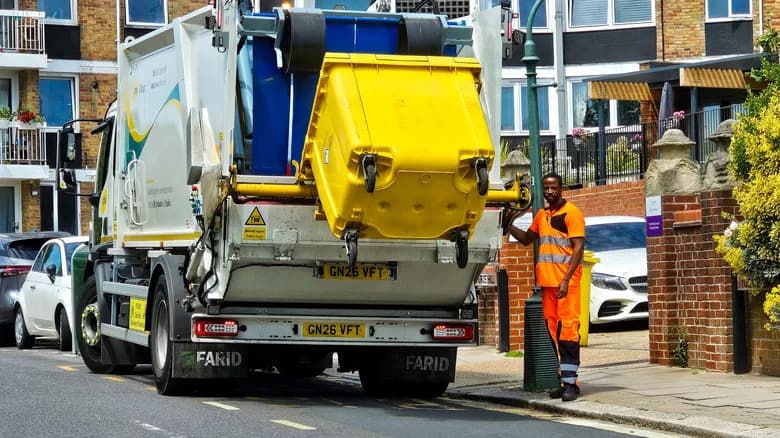
Municipalities across the U.S. are increasingly capturing landfill methane and converting it into renewable natural gas (RNG) — sometimes using that fuel to run garbage trucks, buses, and heating systems. But fleet fueling is only one use for captured landfill gas, and turning organic waste into pipeline-quality RNG presents technical and economic challenges. This article explains where landfill methane fits into the broader methane problem, how RNG is produced and used, and why preventing food waste from reaching landfills is often the clearest climate win.
Landfill Gas Today
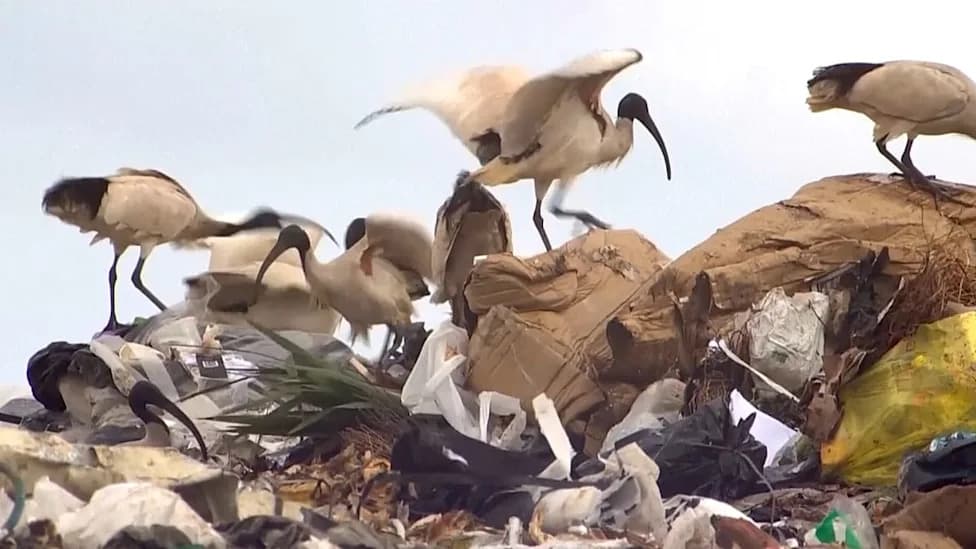
The American Biogas Council estimates there are roughly 598 landfill gas capture systems in the United States. These systems deliver about three-quarters of the nation's captured biogas and account for roughly 64% of U.S. renewable natural gas production. Biogas is primarily a mix of methane (CH4) and carbon dioxide (CO2).
Ryanjlane/Getty Images
Why Landfill Methane Matters — And Where It Ranks
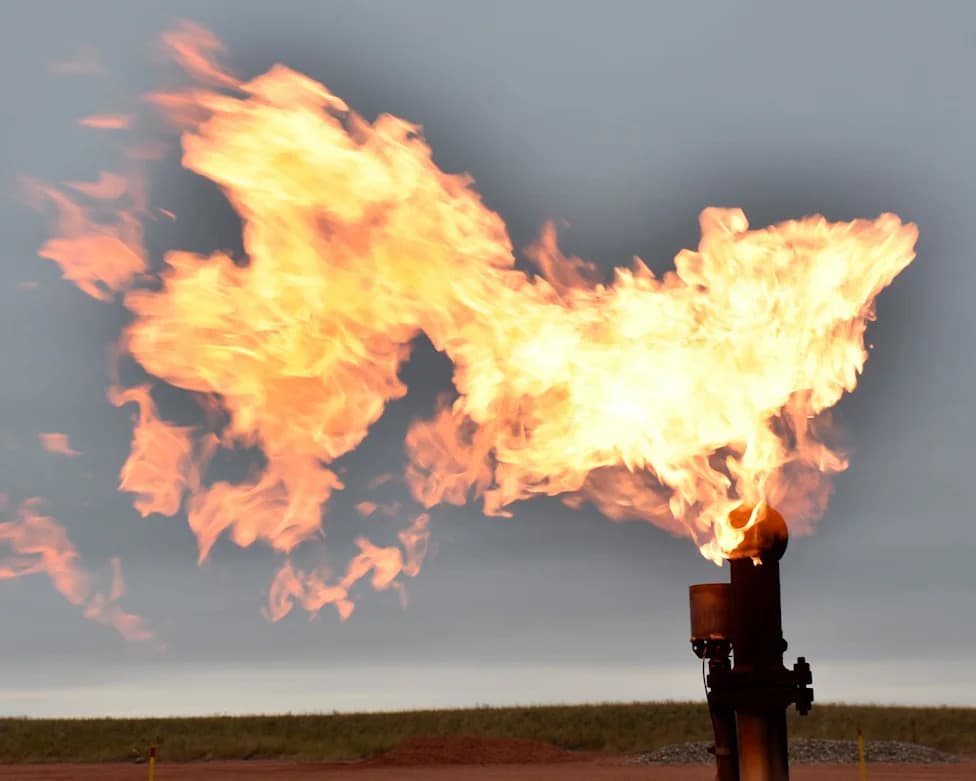
According to the EPA’s 2020 inventory, landfills are the third-largest human-related source of methane emissions. The largest source is agriculture, specifically enteric fermentation (the methane produced by livestock), which the EPA estimates emits about 60% more methane than landfills. Much less of agricultural methane is currently captured compared with landfill methane, making agriculture a major target for future mitigation.
Examples: From Food Waste To Fuel
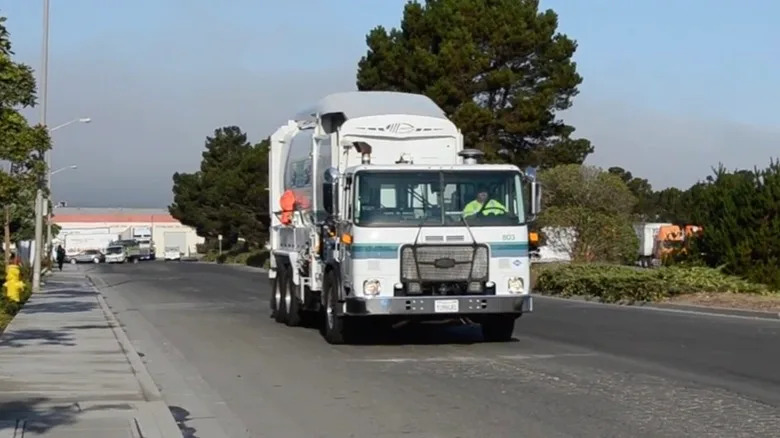
Food waste is the largest single material stream entering landfills, and diverting organic material before it reaches disposal can both reduce emissions and produce higher-quality feedstock for fuel. The Rialto Bioenergy Facility in San Bernardino, California, processes food scraps and biosolids from wastewater treatment into RNG. Operator SoCalGas says the facility’s annual output is the greenhouse-gas equivalent of removing about 47,500 gasoline-powered cars from the road each year. Upgraded methane can be used in trucks and buses built for natural gas, as well as for heating and cooking.
YouTube/zerowasteenergy747
Uses, Costs, And Capture Rates
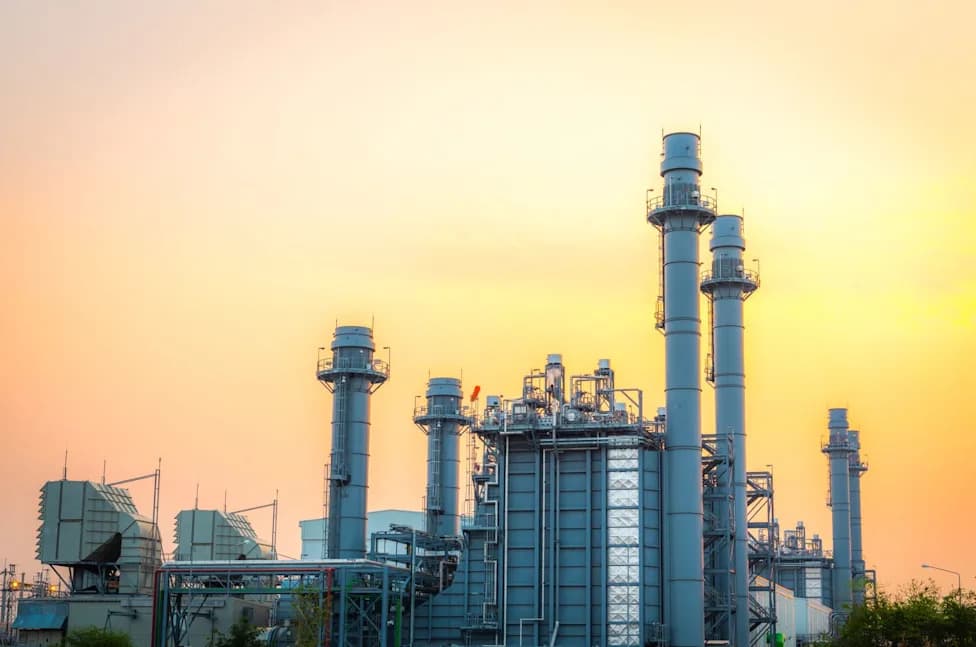
Despite the potential fuel applications, many landfill gas systems are used to generate electricity rather than to upgrade gas into pipeline-quality RNG. The EPA reports that about 63% of captured landfill methane is converted to electricity, not vehicle or home fuel. Upgrading biogas into RNG involves additional treatment and capital costs, so not all sites invest in it.
There is also uncertainty about how much methane landfills actually capture. The EPA has published estimates suggesting high capture rates, but a 2024 study from Harvard researchers indicates that actual collection efficiency at many sites may be closer to 50% than to the 75% figure sometimes cited. That gap highlights the need for better monitoring and stronger mitigation strategies.
What Makes The Biggest Climate Impact?
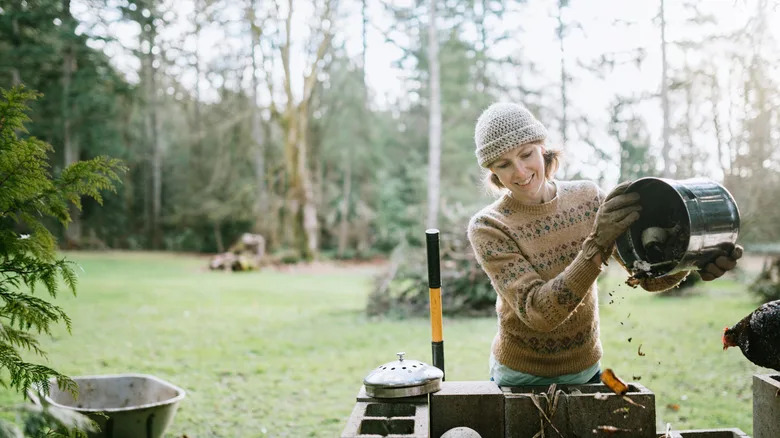
While making RNG from captured landfill methane lowers emissions compared with fossil fuels, the most effective climate strategy is preventing organic waste from reaching landfills in the first place — through source reduction, separate collection, anaerobic digestion, composting, and food-rescue programs. When organic material is processed in controlled facilities, methane can be captured more efficiently and turned into higher-value products, including RNG, compost, or renewable electricity.
Bottom line: RNG from landfills and dedicated digestion facilities can play a role in reducing greenhouse-gas emissions, but it is not a silver bullet. Combining waste-prevention, diversion, improved capture, and targeted RNG upgrading offers the best path to cut methane emissions from the waste sector.
Help us improve.