Forty-three Avenal residents sued Waste Connections and Madera Disposal Systems, alleging noxious gases and odors from the Avenal Regional Landfill have made life "unbearable" and caused health problems. The complaint cites regulator readings above 145°F in 2024 and court documents showing temperatures over 160°F, raising concerns about subsurface fires and toxic emissions. Regulators investigated 249 odor complaints from 2020–2025 and issued enforcement actions in 2023 and 2024. Plaintiffs seek remediation, past medical costs and ongoing health monitoring.
Avenal Residents Sue Landfill Operators, Claim Toxic Gases Made Life 'Unbearable'
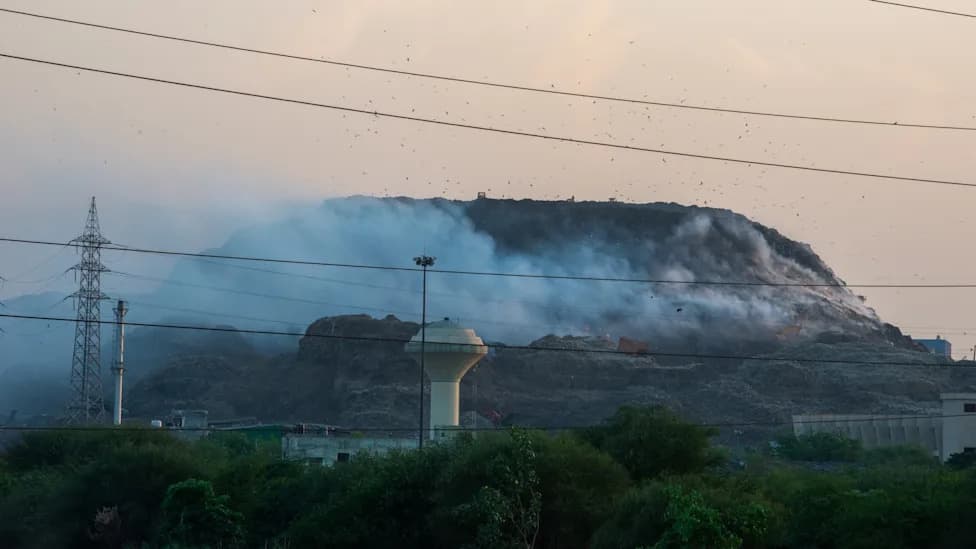
Photo Credit: iStock
Forty-three residents of Avenal, California, have filed a lawsuit alleging that noxious gases and persistent odors from the Avenal Regional Landfill have made life in the city "unbearable." The complaint names Waste Connections and Madera Disposal Systems and describes what plaintiffs call an ongoing environmental disaster affecting health and quality of life.
Details of the Complaint
The suit says every resident of Avenal — roughly 14,000 people — lives within about 1.5 miles of the landfill. Plaintiffs report headaches, nosebleeds, respiratory problems and heart issues that they attribute to fumes and odors from the site. They are seeking remediation of operational problems at the landfill, reimbursement for past medical costs and funding for future health monitoring.
Temperature Readings and Subsurface Fire Risk
Regulatory records cited in the complaint show concerns about elevated internal landfill temperatures. According to the filing, CalRecycle recorded gas readings above 145°F at the site in 2024, and court documents indicate readings exceeding 160°F. Those elevated temperatures raise the risk of a subsurface (underground) fire — a hazard that can trigger ground collapse, contaminate groundwater, generate hazardous waste and push toxic gases into nearby neighborhoods.
Regulatory History and Community Complaints
The complaint notes prior warning signs: a 2020 petition called for the landfill's closure, and the San Joaquin Valley Air Pollution Control District investigated 249 complaints from 2020–2025, nearly all related to odors. Regulators have taken separate enforcement actions: in August 2023 the Regional Water Board issued a notice of violation for failing to promptly report water-quality sample results, and in April 2024 CalRecycle flagged inadequate documentation related to an odor complaint.
Why This Matters
Landfills generate heat and gases as waste decomposes, and proper monitoring and controls are essential to prevent dangerous conditions. The plaintiffs argue that documented temperature spikes, repeated odor complaints and reporting failures could show the operators ignored warning signs that required corrective action.
Possible impacts: increased respiratory and cardiovascular symptoms among nearby residents, risk of subsurface fires, groundwater contamination and long-term environmental harm if problems are not remediated.
Context
Similar disputes have emerged at other U.S. landfill sites, including concerns about large-scale air pollution at Chiquita Canyon in Los Angeles County, rotten-egg odors and fire fears at a Kansas landfill, and investigations into unmonitored landfills that raised alarms about PFAS contamination of water supplies.
The case is continuing in court. Plaintiffs and regulators say the combination of documented high temperatures, repeated odor complaints and prior enforcement actions will be central to determining whether landfill operators failed to act.
Help us improve.