Summary: Lawmakers are shifting regulation upstream—toward the records, intermediaries and algorithms that shape hiring decisions. Recent laws and proposals (Clean Slate reforms, automated expungement, credit-check limits, expanded fair-chance rules, and proposed AI safeguards) intervene at different stages of the information lifecycle to affect accuracy, availability, context and processing of data. The result: regulators are shaping what employers see and how they must justify decisions.
Employment Law Is Becoming Information Law — Regulators Are Moving Upstream

From artificial intelligence to criminal records and consumer credit, seemingly unrelated laws reveal a broader shift in how lawmakers regulate employment decisions.getty
Lawmakers are increasingly regulating the information that feeds hiring decisions rather than focusing only on employer conduct. From criminal-record reforms and automated expungements to limits on credit checks and proposed rules for AI-driven hiring tools, recent laws intervene earlier in the information lifecycle: how records are created, maintained, disclosed, evaluated and processed before an employer ever acts.
Why This Matters
Upstream regulation changes the questions employers must answer. Compliance with a checklist may no longer be sufficient when statutes require employers to exercise judgment—deciding whether a criminal record is relevant to a role, weighing rehabilitation, assessing the reliability of an automated recommendation, and documenting the reasoning behind a hiring decision.
Examples Across The Information Lifecycle
Illinois (Clean Slate) — The state focuses near the start of the lifecycle by improving the accuracy of criminal records, identifying missing dispositions, correcting incomplete histories, and expanding sealing for eligible records. That work addresses both the integrity of underlying records and whether they remain publicly accessible for screening.
Missouri (SB 1421) — Missouri signed an automated expungement law for certain qualifying drug offenses and designated affected records as confidential. The state must also provide consumer reporting agencies with data to identify and delete these records. Rather than instructing employers how to weigh old convictions, the law removes some convictions from the pool of information employers can see.
New York (S.3072) — New York largely bars employers from requesting or using consumer credit histories for employment, citing limited evidence that credit correlates with job performance and the risk of material errors in credit reports. The law narrows the role of credit data in hiring rather than creating a weighing framework for employers.
Washington (Expanded Fair Chance Act) — Washington moves regulation closer to the employment decision by limiting when employers can obtain criminal-history information and requiring a formal, contextual evaluation before adverse action. Employers must identify a legitimate business reason, consider specific factors, notify the applicant of the record at issue, provide an opportunity to respond, and document their rationale.
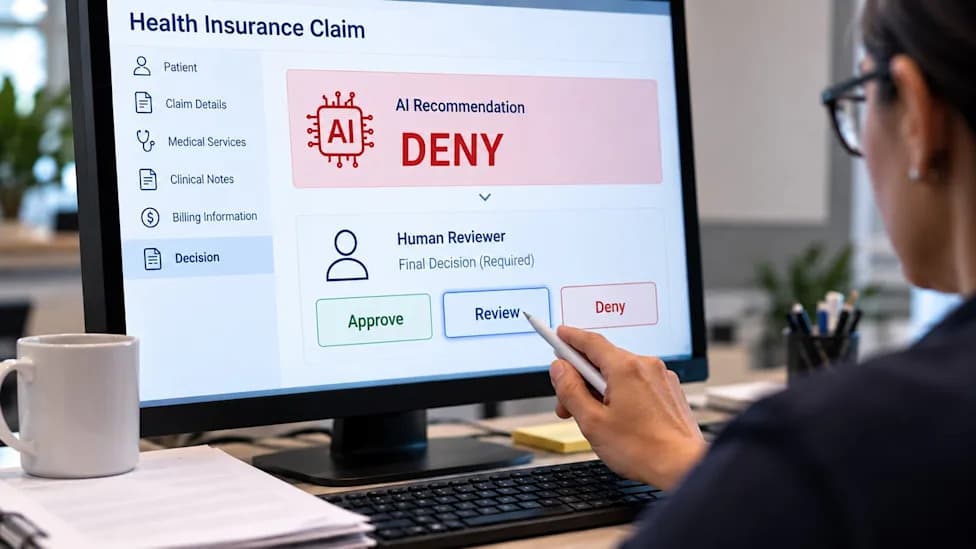
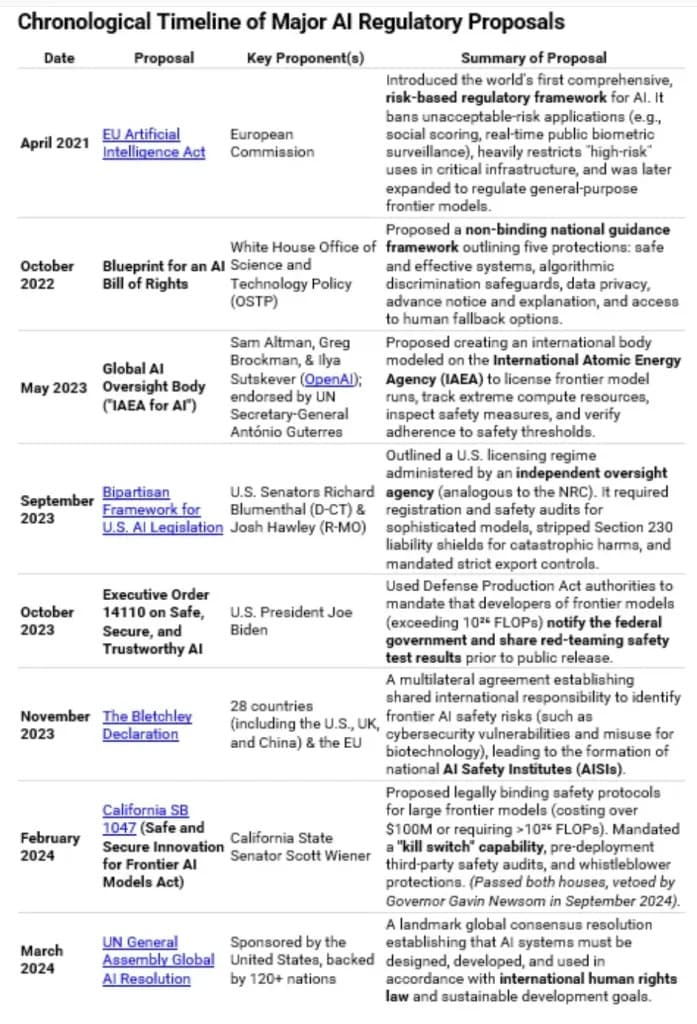
California (SB 947) — California’s proposed legislation addresses automated decision systems. It would limit certain inferences, require independent human corroboration before specified automated outputs support consequential actions, bar reliance on outputs that cannot be corroborated or are found inaccurate, and give workers access to information about the systems that influenced decisions.
What This Pattern Means
Taken together, these reforms show a broader regulatory strategy: legislatures are not only shaping what employers can do, but also shaping what information reaches employers and how that information is processed and interpreted. That creates many intervention points—improving the accuracy of source records, removing obsolete or irrelevant data, limiting access to low-value information, requiring context or corroboration, and regulating the technologies that analyze and present data.
Although these statutes do not create a single new legal doctrine or share one unified policy objective, they reveal a recurring method across legal areas—AI, privacy, criminal records, consumer reporting—that are often treated separately. Employment decisions remain where the consequences land, but an increasing portion of regulatory work now happens "upstream" before those decisions are made.
Practical Takeaway For Employers
Employers should map the information ecosystem that feeds their hiring processes: identify source records and intermediaries, evaluate the reliability and relevance of data, document decision-making steps, and review vendor practices for data handling and algorithmic outputs. Preparing for this upstream regulatory focus will reduce risk and improve fairness in hiring.
Note: This article summarizes recent statutory trends and proposals; employers should consult counsel for specific compliance guidance in their jurisdictions.
Help us improve.