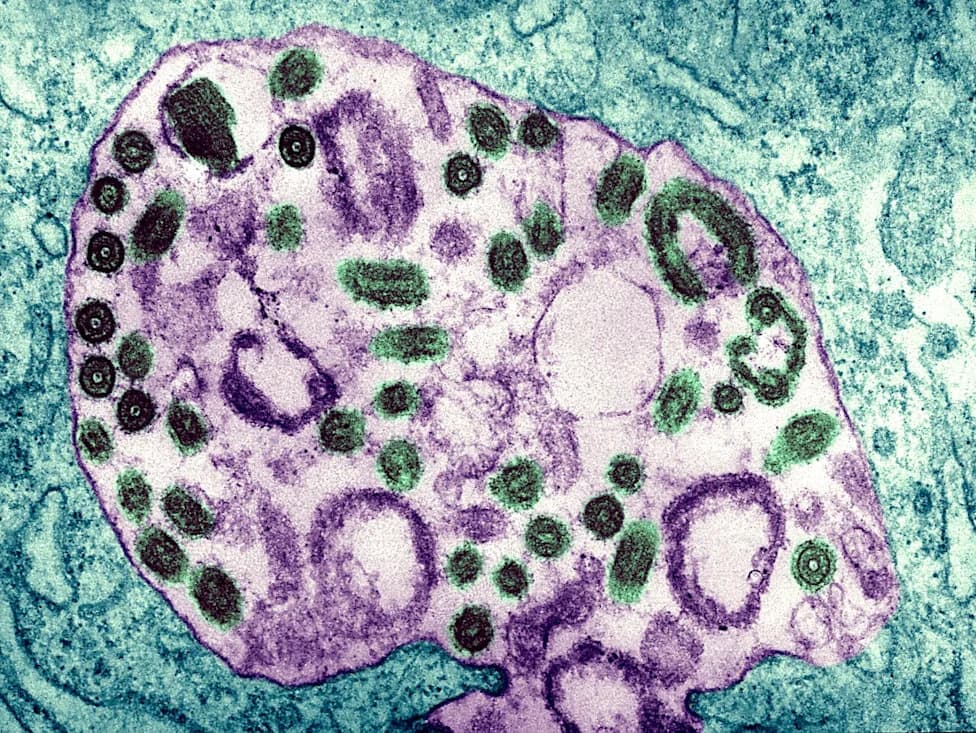
In 1977 a New York State bacteriologist inhaled aerosolized rabies virus during a wildlife-vaccine experiment, triggering severe illness and extensive litigation under the Federal Tort Claims Act. The resulting awards, appeals, and doctrinal disputes over the discretionary-function exception helped clarify when government actions may be negligent rather than protected policy decisions. The case underscores why modern biosafety standards — codified in CDC guidance and the BMBL — and strict engineering controls, reporting, and access restrictions are essential to prevent similar accidents.
Rabies Lab Accident: How a 1977 Exposure Shaped Biosafety and Federal Liability
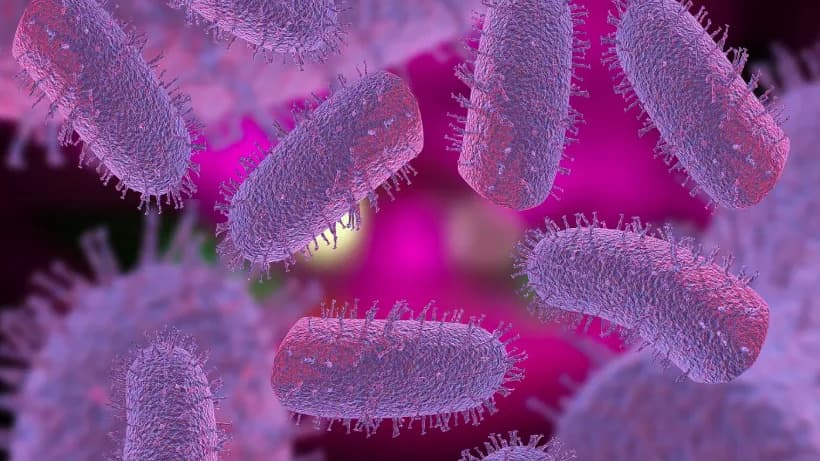
The Rabies Lab Accident
Rabies — historically known as hydrophobia — remains one of the most feared viral diseases because, once clinical symptoms begin, the prognosis is bleak. Cultural touchstones from the novel Old Yeller to modern biohorror films have drawn on that fear. Less well known, but no less instructive, is a 1977 laboratory accident in New York that exposed gaps in biosafety and produced a long-running legal fight over government responsibility.
The 1977 Laboratory Exposure
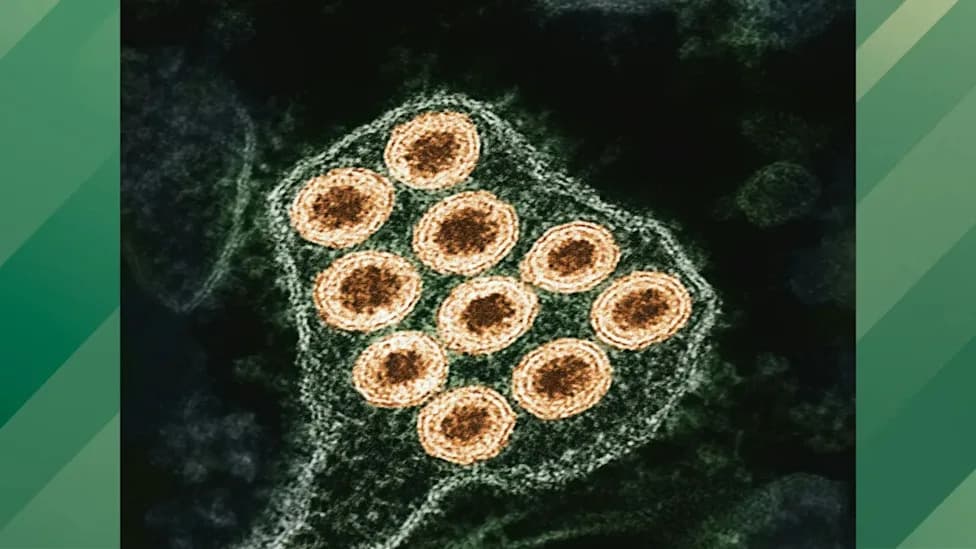
On March 29, 1977, Jerome Andrulonis, a bacteriologist employed by the New York State Department of Health, inhaled rabies virus while participating in a federally supervised experiment intended to develop wildlife vaccination techniques. According to contemporaneous reporting and trial evidence, an apparatus used to spray a concentrated rabies solution onto vaccine tablets was not airtight; aerosolized virus escaped into the room and Andrulonis inhaled infectious material. His preexisting rabies inoculations did not prevent infection because the virus contacted his olfactory nerve, providing a direct route to the brain that bypassed much of the circulating antibody response.
Legal Fallout And Damages
Andrulonis and his wife sued the United States under the Federal Tort Claims Act (FTCA), and defendants also included New York State and the equipment manufacturer. The district court awarded Andrulonis $6,424,641 — including more than $2.4 million for future custodial care — and apportioned fault: 30% to the United States, 65% to the New York State Department of Health (NYSDOH), and 5% to the manufacturer (Lilly/Thompson). After adjustments and credits, the United States’ primary liability was calculated in the multi‑million‑dollar range, with recovery efforts between the federal and state entities following established principles of New York negligence law applied through the FTCA.
Appeals, The Discretionary-Function Debate, And Precedent
The case spawned complex appeals. The government sought protection under the FTCA discretionary-function exception — a shield for actions grounded in policy judgment — arguing that operational choices about the experiment were discretionary. Courts rejected that shield for decisions that effectively amounted to conducting an unsafe experiment, finding that negligence in laboratory practice is not insulated by policy discretion. The litigation proceeded through multiple federal opinions, including U.S. Supreme Court involvement, continuing into the early 1990s before significant questions were finally resolved in the lower courts.
New York Times (contemporaneous account): "In the laboratory, Mr. Andrulonis worked with an apparatus that used a stream of air to suspend the tablets while a solution of the powerful rabies virus was sprayed onto them. But the apparatus was not airtight... some of the virus escaped into the laboratory, and Mr. Andrulonis inhaled it."
Context: Biosafety Standards Then and Now
Before formal containment standards were widely adopted, laboratories often handled dangerous pathogens without consistent engineering controls or protocols. In 1974 the CDC published an early classification of etiologic agents by hazard, and efforts to codify biosafety practices culminated with the first edition of Biosafety in Microbiological and Biomedical Laboratories (BMBL) in 1984. The BMBL — informed by earlier recombinant-DNA containment work — established pathogen-specific biosafety levels (BSL‑1 to BSL‑4) and recommended engineering controls, administrative policies, and personal protective equipment.
Today, rabies testing and work with live rabies virus are generally limited to designated public-health laboratories and require at least BSL‑2 (or Animal BSL‑2) containment plus certified biosafety cabinets, sealed centrifuge rotors, controlled access, and formal incident reporting — including "near misses" — to improve safety culture and prevent repeat tragedies.
Broader Lessons
The Andrulonis case illustrates three enduring lessons: (1) the human and financial cost of inadequate biocontainment can be catastrophic; (2) legal doctrine (including the FTCA discretionary‑function exception) plays a decisive role in assigning responsibility for lab accidents; and (3) stringent biosafety standards, transparent reporting, and strong engineering controls are essential to protect laboratory workers and the public.
About the author: Professor Victoria Sutton (Lumbee) is a law professor at Texas Tech University who has advised Native American leadership on public policy and contributed analysis on law, public health, and bioethics.
Help us improve.