President Trump says the U.S. will prioritize economic measures rather than new military strikes to pressure Iran, describing Tehran as in "very bad shape" economically and crediting a U.S. naval blockade for increasing strain. He noted lower oil prices have helped U.S. consumers and compared the approach to a chess game. Oman-mediated talks on reopening the Strait of Hormuz appear close to agreement, though Iran says it will not fully reopen the waterway until the U.S. "corrects its behaviour." Fighting and intermittent strikes in the region have continued since a June ceasefire collapsed.
Trump Says U.S. Will Lean on Economic Pressure — Not New Military Strikes — To Push Iran Toward A Deal
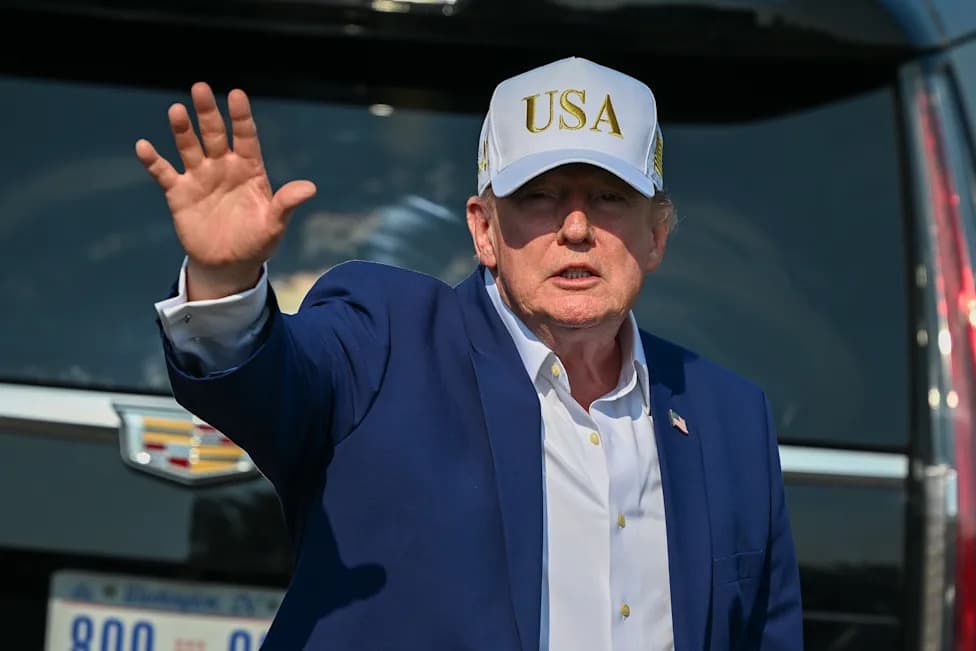
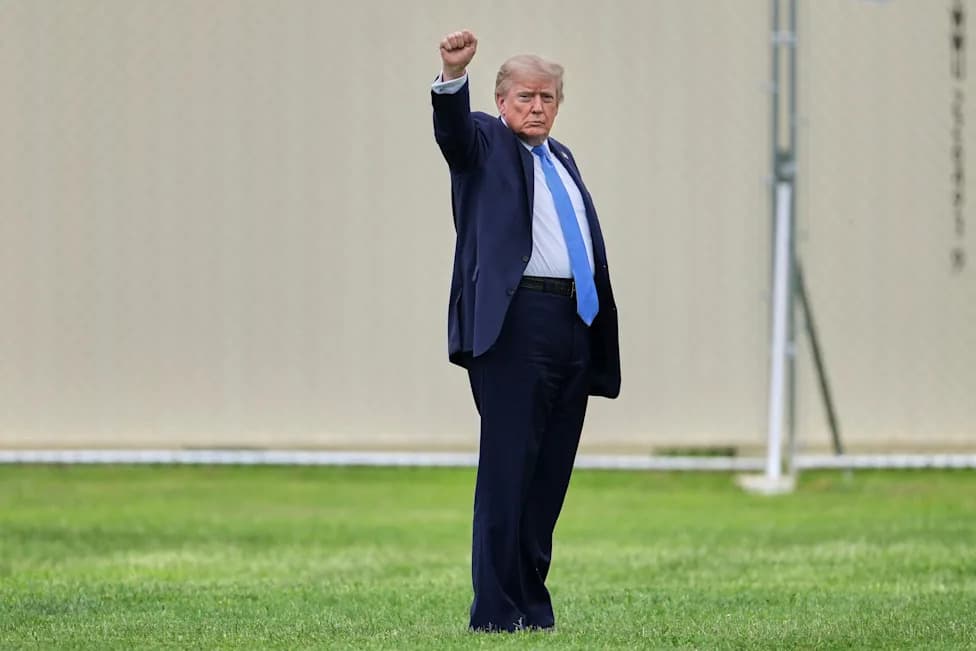
US President Donald Trump waves goodbye after the final round of the LIV Golf New York tournament at Trump National Bedminster [Dennis Schneidler-Imagn/Reuters]
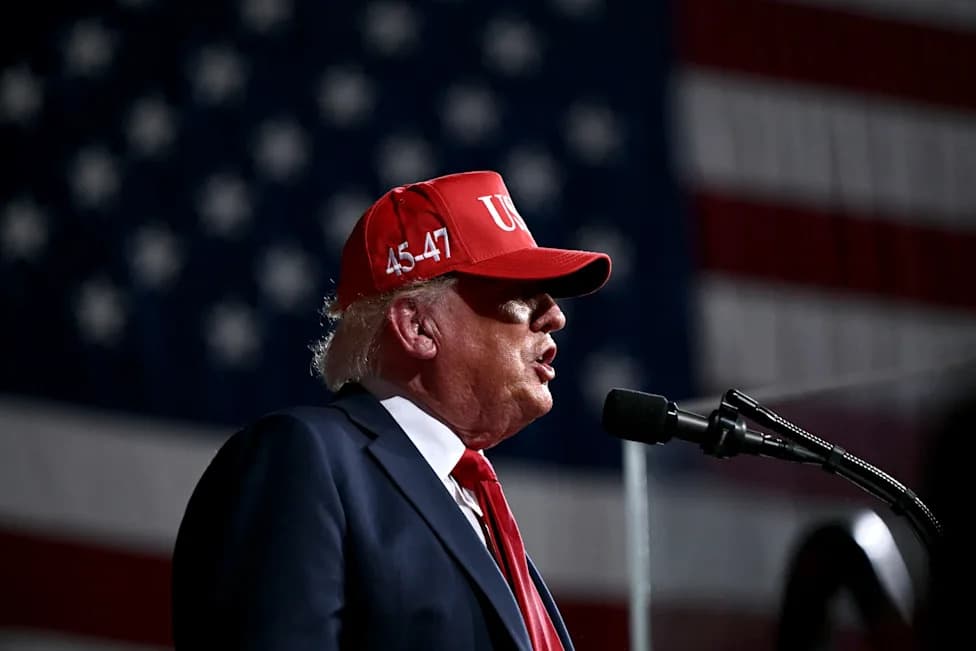
United States President Donald Trump said Washington is prioritising economic pressure over fresh military strikes as the primary lever to push Iran toward a negotiated outcome. Speaking to Axios, he described a more cautious posture after months of conflict and said the U.S. is "only semi-negotiating" with Tehran while watching how the war affects Iran's economy.
"We are low-keying it," Trump said. "It will work out. It always works out. It's like a chess game."
Trump said Iran was in "very bad shape" financially, pointing to high inflation and reported difficulties in paying its own forces. He credited a U.S. naval blockade in place since April with deepening that economic pressure, while noting that falling oil prices — now just above $75 a barrel — have eased some of the burden on American consumers.
Diplomatic Talks And The Strait Of Hormuz
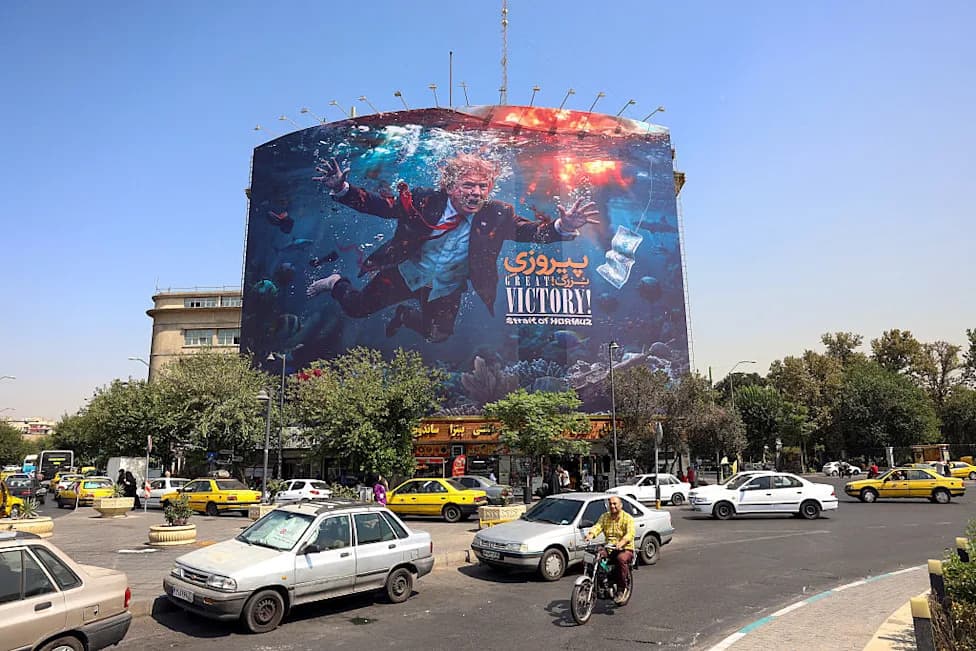
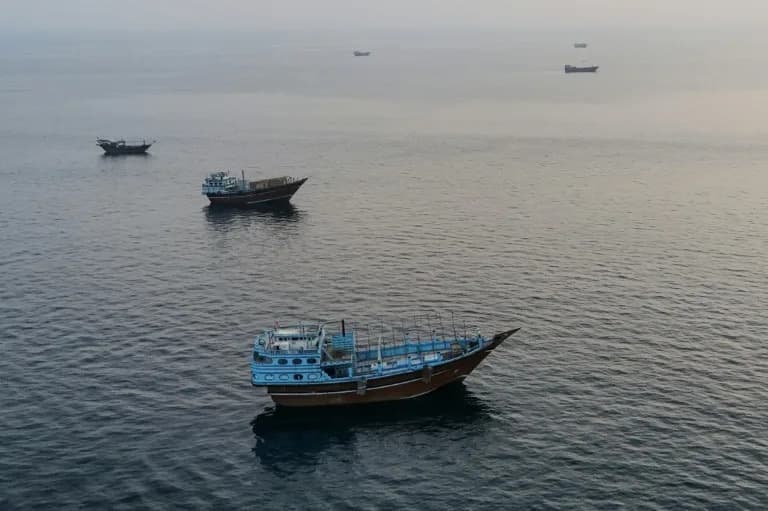
His remarks come as Oman-mediated talks on reopening the Strait of Hormuz to commercial shipping appear close to a breakthrough. Iran's foreign ministry said the negotiations had reached their "final" stages, with the parties nearing agreement on coordinates for an alternative shipping route through the strait.
Tehran has made clear it will not fully reopen the waterway until the U.S. "corrects its behaviour," demanding the lifting of the naval blockade, a halt to military actions and compensation for war damages.
Recent Fighting And Regional Fallout
A ceasefire reached in June collapsed weeks later amid disputes over control of the strait, and hostilities resumed. Since then, Iran has carried out intermittent strikes on U.S. bases in Kuwait, Bahrain and Jordan. Separately, Yemen's Houthi movement, aligned with Tehran, announced a naval blockade against Saudi Arabia last month.
Recent reporting has also indicated friction between Washington and Israel over the urgency and pace of efforts to de-escalate fights on multiple fronts, including Gaza and Lebanon — a complicating factor for any diplomatic push in the region.
Bottom line: The administration signals a shift toward economic and diplomatic levers while keeping military options in reserve, even as regional tensions and complex negotiations over the Strait of Hormuz continue to shape the outlook.
Help us improve.