The Teamsters sued to overturn an April 2026 DMV rule that would allow fully driverless commercial trucks over 10,001 pounds, arguing the agency skipped a full economic-impact study by invoking a "no significant statewide impact" exemption tied to a $50 million threshold. The union says the DMV assigned zero job losses to roughly 200,000 unionized drivers and treated a major industry change as mere paperwork. With safety concerns drawn from robotaxi incidents and political timing tied to recent vetoes and a potential gubernatorial reversal, the legal fight could decide California's path on autonomous trucking.
Teamsters Sue to Void California Rule Letting 80,000‑Lb Driverless Trucks On Roads — Says DMV Used A Paperwork Loophole
California Legalized 80,000-Pound Driverless Trucks Using a Rule Built for Fixing Typos. The Teamsters Just Called That Bluff.
No fully driverless heavy truck has operated on California freeways — and that's a detail often missing from coverage of Teamsters California's new lawsuit. On August 5, the union filed a writ of mandate in Alameda County Superior Court asking a judge to void the California Department of Motor Vehicles' April 2026 regulation that would open the state's roads to autonomous commercial trucks weighing 10,001 pounds or more.
What's At Issue
Teamsters California argues the DMV improperly avoided a full economic-impact study by declaring the rule would have "no significant statewide impact," a statutory exemption that applies when a regulation is expected to impose under $50 million of costs or benefits in its first year. That exemption is normally reserved for small administrative changes; the union says it should not have been used for a sweeping new vehicle category.
DMV's Rationale And The Union's Challenge
According to the lawsuit, the DMV priced most of the rule's projected costs as compliance paperwork—incident reports and related filings—while assigning $0 in job-loss impact to California's roughly 200,000 unionized long‑haul truck drivers. The 10,001‑pound threshold mirrors the federal definition of a commercial motor vehicle and is the point at which a commercial driver’s license (CDL) has traditionally been required.
Why This Matters
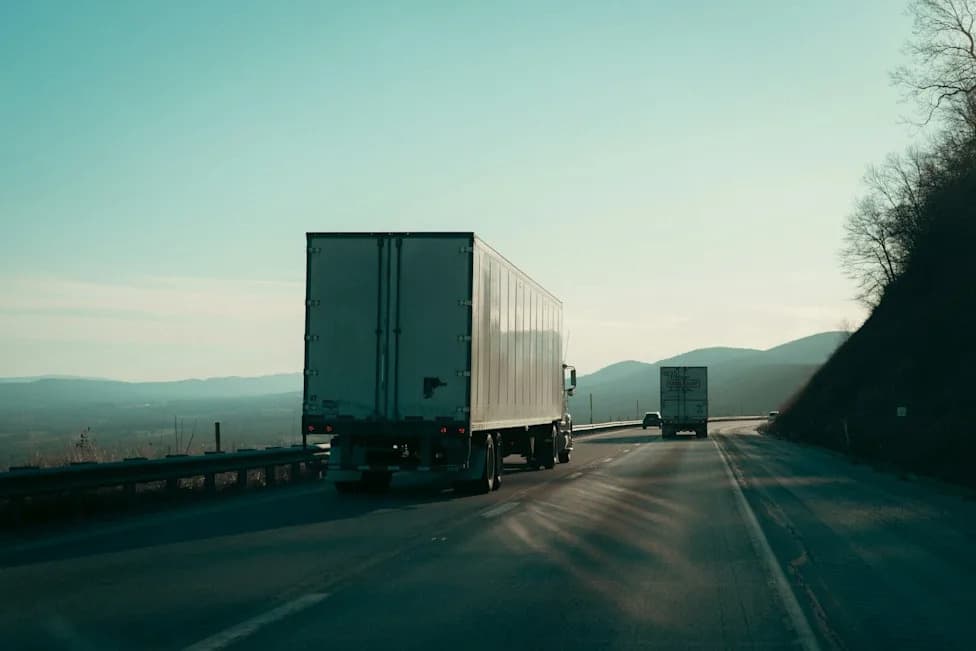
Under the new regulation, once a company convinces the DMV its autonomous software is ready, the human CDL requirement could be removed for both box trucks and eighteen-wheelers — opening a regulatory on‑ramp long before any heavy truck has completed driverless commercial deployment in California. DMV permits come in three tiers: testing with a human fallback, driverless testing, and commercial deployment. Heavy trucks, the lawsuit notes, remain in the testing lanes.
Safety Concerns Cited
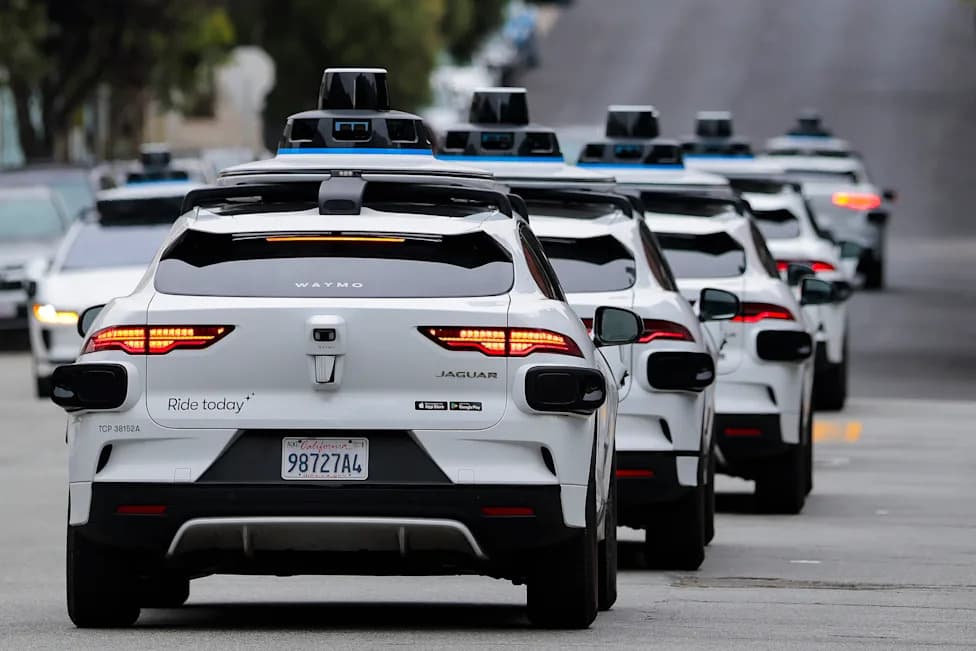
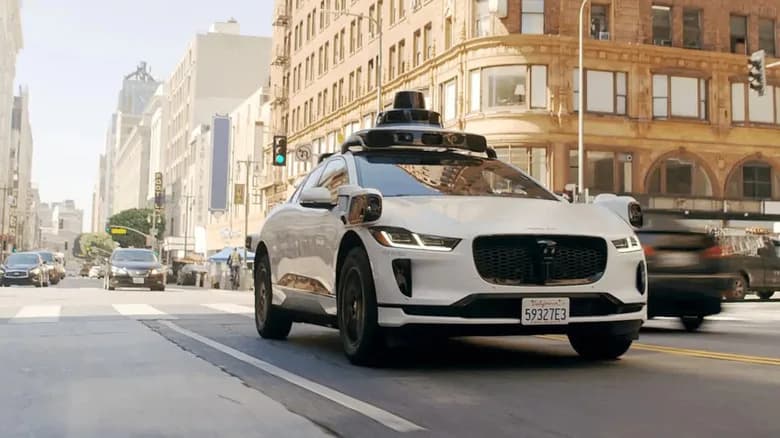
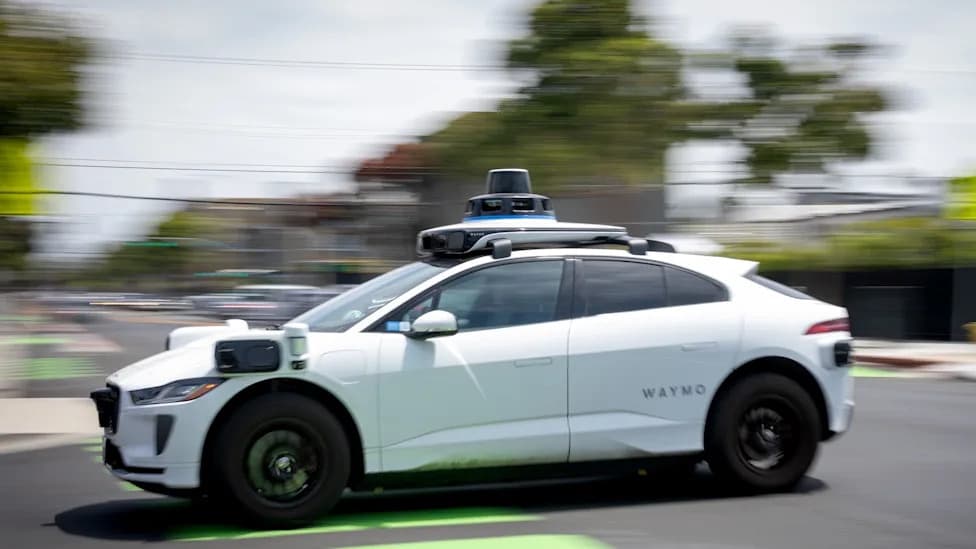
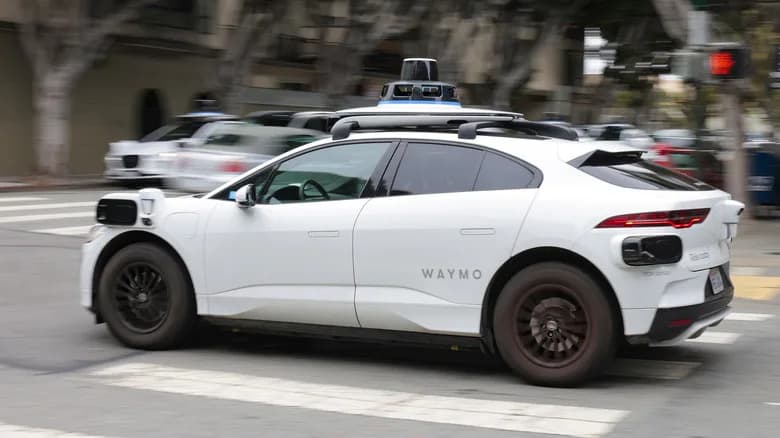
The Teamsters lean on safety incidents involving smaller autonomous vehicles to make their point. The union cites Waymo robotaxis freezing in traffic (including a widely reported multi-vehicle freeway stall), instances of vehicles entering active fire scenes, and an NHTSA investigation after a robotaxi struck a child. The union warns that scaling similar software to a sleeper‑cab tractor hauling up to 80,000 pounds at highway speeds could transform a stalled robotaxi into a jackknifed rig that blocks a freeway.
Political Timing
Timing is a central theme of the complaint. Governor Gavin Newsom vetoed bills in 2023 and 2024 that would have required a human safety operator in autonomous heavy trucks. With those legislative avenues closed, the DMV finalized the rule administratively late in Newsom’s final term. Xavier Becerra, a leading Democratic candidate to succeed Newsom, has said he would reverse the rule if elected. The Teamsters argue the agency used an economic-impact technicality to lock in a regulation that could outlast the current administration.
Industry Context And Broader Impact
Supporters of autonomous trucking point to big commercial potential: some forecasts put the market at roughly $18 billion by 2030. Companies including Waymo, Volkswagen, and Zoox submitted comments during the rulemaking process, and private demonstrations such as Bot Auto's fully driverless cross-country freight run in Texas last October show the technology advancing elsewhere.
The stakes extend beyond the courtroom. If autonomous trucking scales as proponents expect, the ripple effects include new liability questions for insurers, changes to truck-stop and roadside-service economics, and potential long-term impacts on the CDL training pipeline that supplies new drivers to the industry.
What Comes Next
The DMV and the Teamsters will both get their day in court. If Alameda County does not issue a ruling before a new governor takes office, the fate of driverless trucking in California could hinge as much on electoral politics as on safety data or judicial review.
Bottom line: This case is less about whether a computer can drive a semi and more about whether a state agency can use a paperwork exemption to change transportation policy for an industry worth tens of billions.
Help us improve.