As the midterm campaign season heats up, Republican commentators and candidates will loudly accuse Democrats of "extremism." Those charges are dramatic and alarmist — and hypocritical given a decade in which many GOP leaders embraced a pattern of radical rhetoric and policies to win and consolidate power.
Examples of Republican-Driven Radicalism
Republican lawmakers and operatives have pushed proposals to curtail birthright citizenship and advanced a 2024 party platform that called for what it described as the largest deportation operation in U.S. history. Administrations and agencies aligned with the GOP have pursued mass deportations that have separated families and, according to reporting, detained some relatives of active-duty service members.
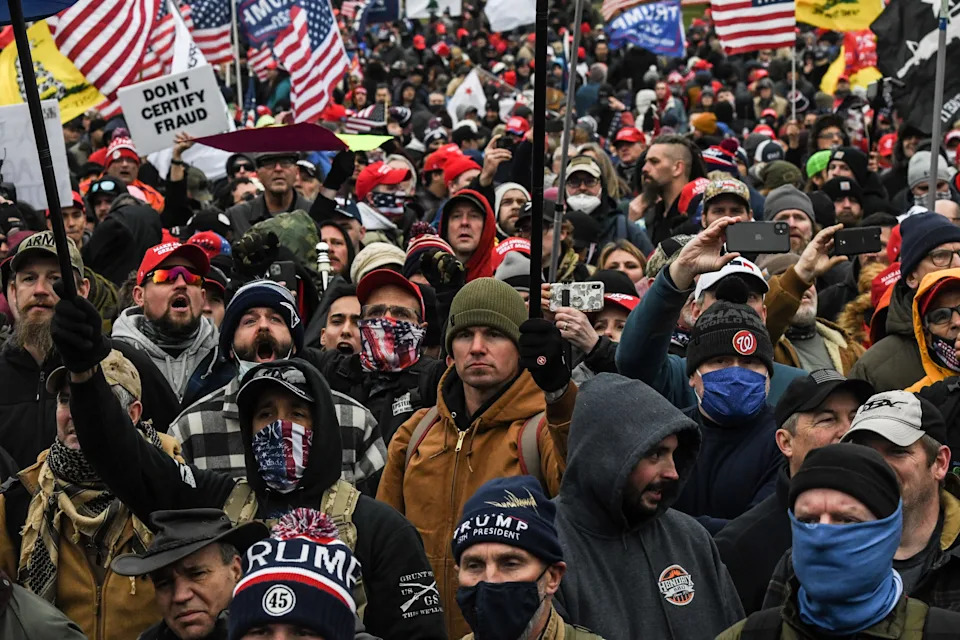
Election denialism has also become mainstream in parts of the party. A leading GOP presidential figure fomented the January 6 attack on the U.S. Capitol and continues to promote baseless claims about election security. Many Republican officials — including some House leaders — have echoed or refused to repudiate those falsehoods.
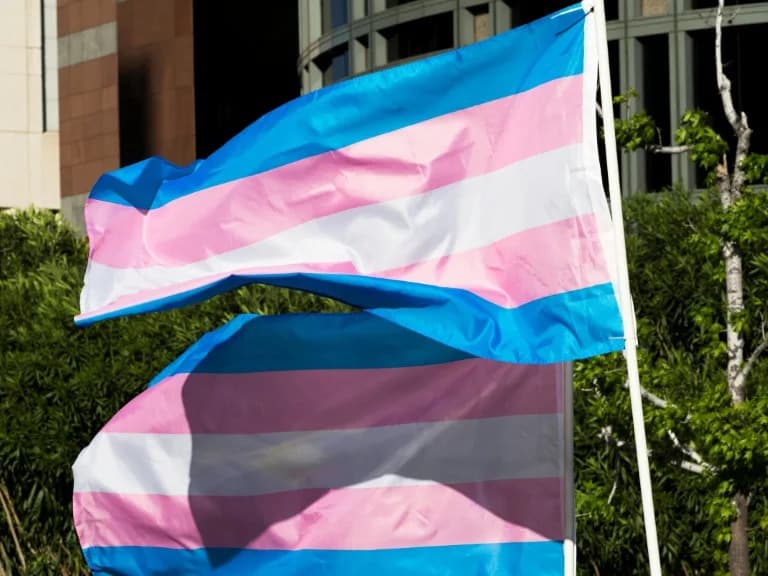
Party-aligned officials and policymakers have targeted transgender people with restrictive legislation and proposed invasive requirements — policies that single out a tiny minority and impose severe burdens on daily life. State-level actions in Republican-led jurisdictions have included strict abortion bans, opposition to diversity initiatives and controversial curriculum changes such as expanding Bible instruction in public schools.
Federal decisions have at times appeared to punish states that did not support the president, including reports that billions in energy project funding and dozens or hundreds of cost-saving projects were curtailed in jurisdictions that voted against the administration.
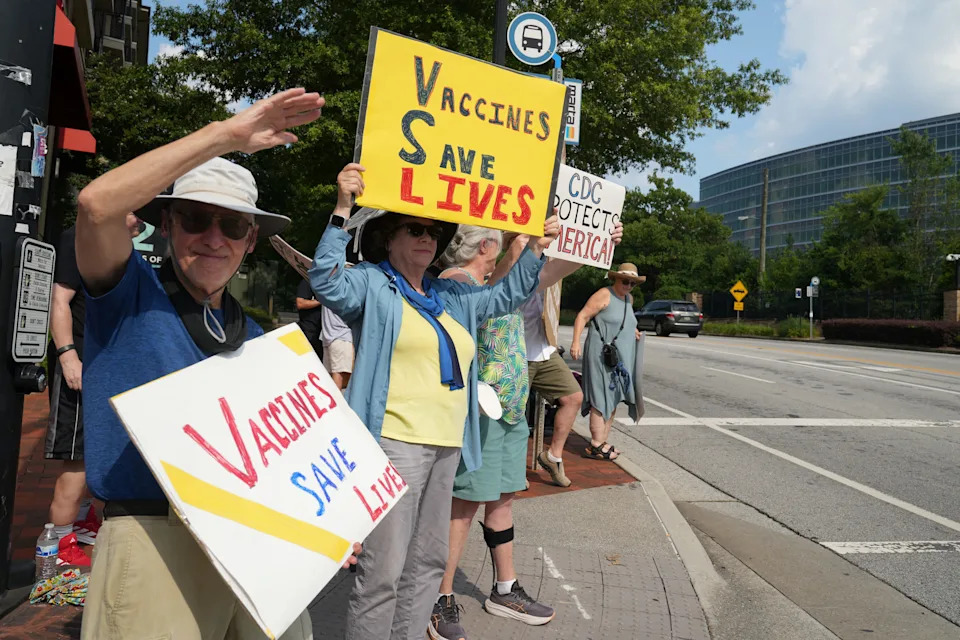
Influence from public figures who promote anti‑science views, including anti-vaccine misinformation, has raised alarms among health experts. Public-health officials warn that misinformation contributes to outbreaks of vaccine-preventable diseases and undermines trust in institutions.
At the same time, wealthy private actors have exerted outsized influence on public discourse and institutions. The rise of powerful tech billionaires and other unelected influencers has complicated how government interacts with the public sphere and how the federal workforce and communications are managed.
Historical Context
This shift did not appear overnight. In 2012, political scholars Thomas Mann and Norman Ornstein described one major party as an "insurgent outlier": ideologically extreme, scornful of compromise, skeptical of established facts and dismissive of the legitimacy of political opponents. That diagnosis helps explain how a blend of rhetorical extremism and policy priorities grew into a sustained political strategy.
How Democratic Policies Compare
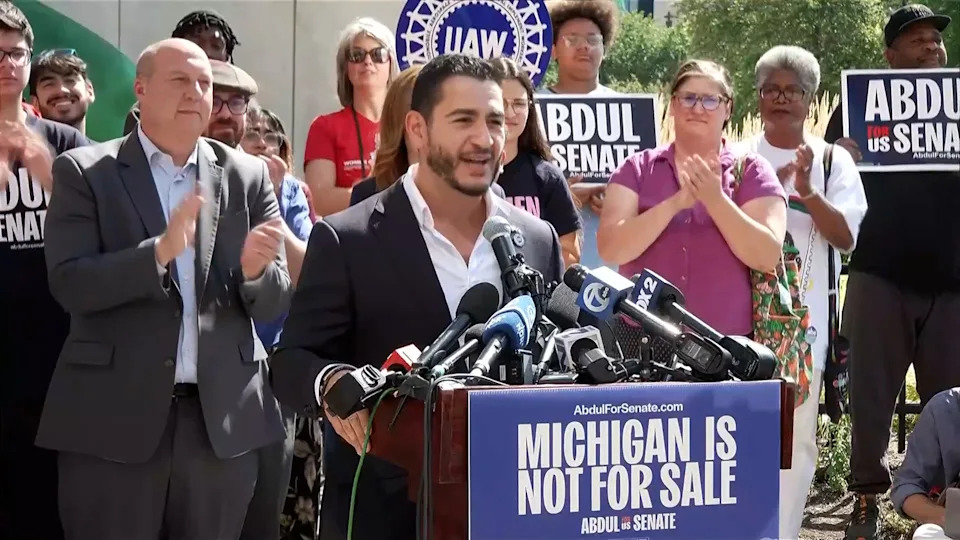
Democrats include a range of voices, from moderate to progressive, and a small number of outliers who advocate more radical changes. Many policies labeled "extreme" by Republican critics — such as Medicare for All or other national-health proposals — poll well in some surveys. Similarly, proposals to dismantle agencies like ICE receive notable public support in some polls. That suggests these ideas are closer to mainstream public concern than partisan attacks imply.
Much of what is called "Democratic extremism" by GOP voices reflects broad voter frustration with high living costs, housing unaffordability, healthcare access, and punitive immigration enforcement — issues that resonate across the political spectrum.
Conclusion
If "extremism" is defined by the sustained use of divisive rhetoric, punitive policies, attacks on institutions and willingness to flout norms for political gain, then critics should be skeptical when the GOP points fingers at Democratic alternatives. Voters deserve clear-eyed assessments of which policies help communities and which promote division for the sake of power.
Note: This piece is an improved synthesis of an opinion column reflecting documented trends and public reporting. It avoids unverified attributions and reframes contested claims to align with credible sourcing and public-health perspectives.
Supporters of President Donald Trump protest outside of the U.S. Capitol in Washington, DC, on Jan. 6, 2021.
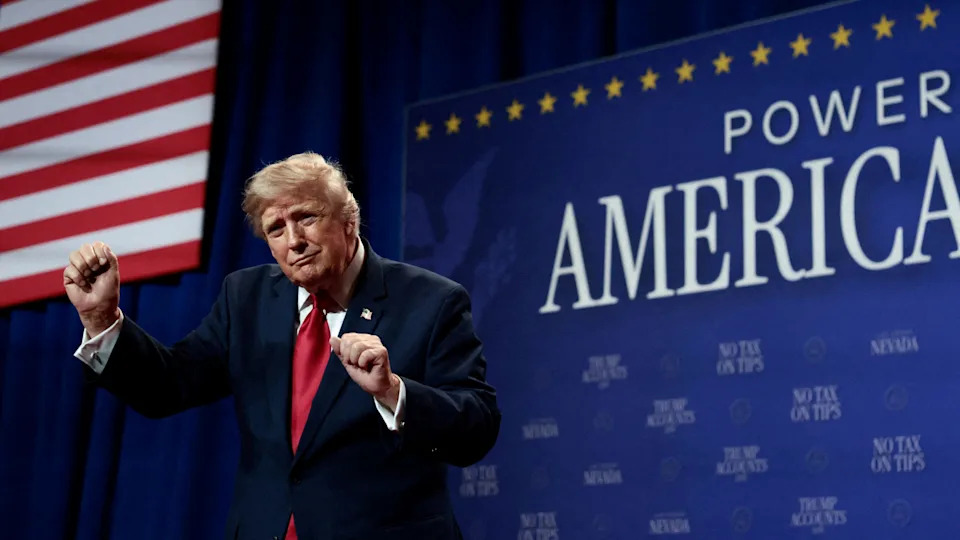
President Donald Trump gestures after delivering remarks at Red Rock Casino Resort Spa in Las Vegas, Nevada, U.S., August 5, 2026.
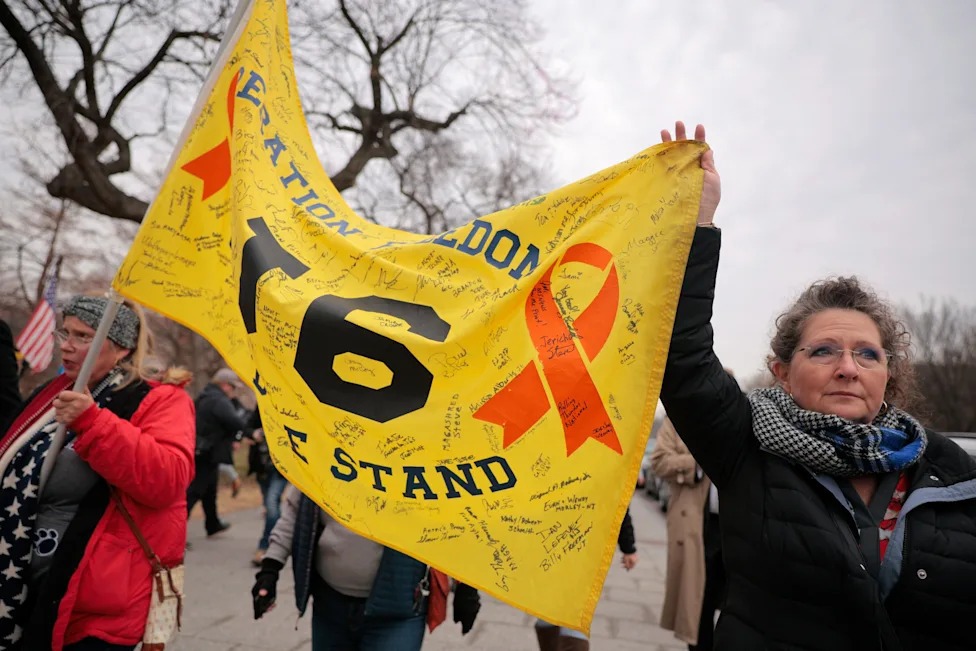
People hold a banner and placards as they gather ahead of a march from The Ellipse to the U.S. Capitol in memory of those who died on, or in the aftermath, of the Jan. 6, 2021 attack on the U.S. Capitol, on the fifth anniversary of the attack in Washington, D.C., Jan. 6, 2026.(Leah Millis, REUTERS)
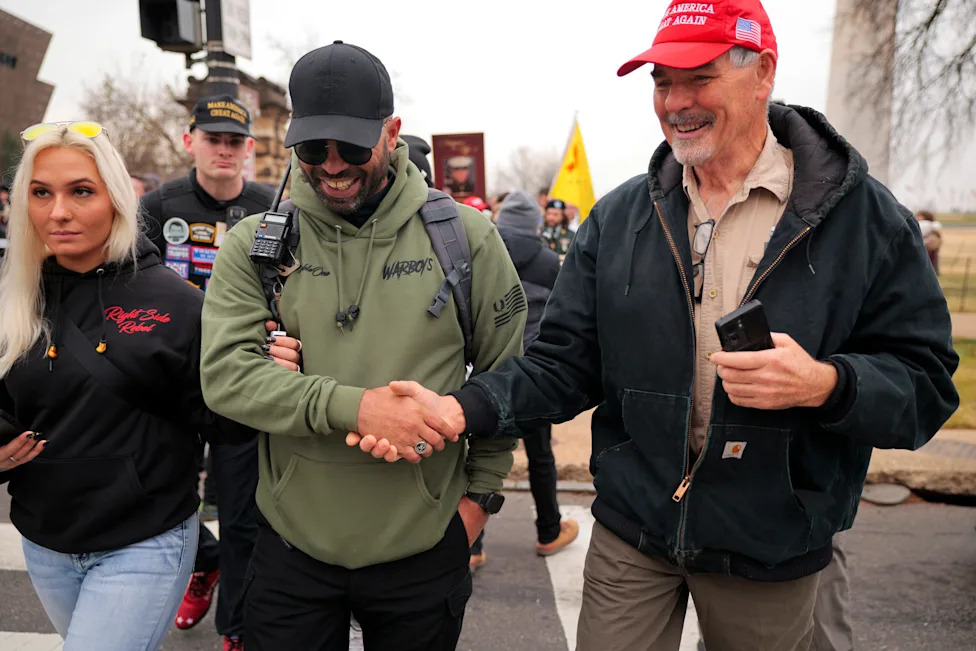
Former Proud Boys leader Enrique Tarrio (C) shakes hands with a demonstrator during a Jan. 6th memorial march marking five years since the attack on Jan. 6, 2026 in Washington, DC. Today marks the fifth anniversary of the Jan. 6, 2021 attack on the U.S. Capitol Building by Donald Trump supporters who claimed the presidential election had been stolen.(Chip Somodevilla, Getty Images)
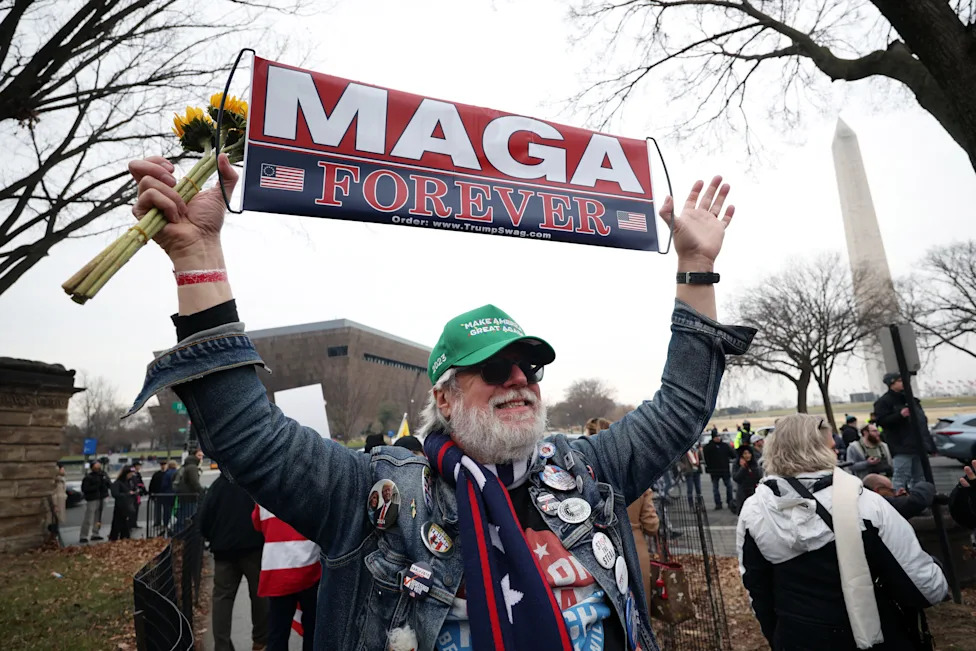
Edward Young holds a "MAGA FOREVER" sign during a Jan. 6th memorial march marking five years since the attack on Jan. 6, 2026 in Washington, DC.(Win McNamee, Getty Images)
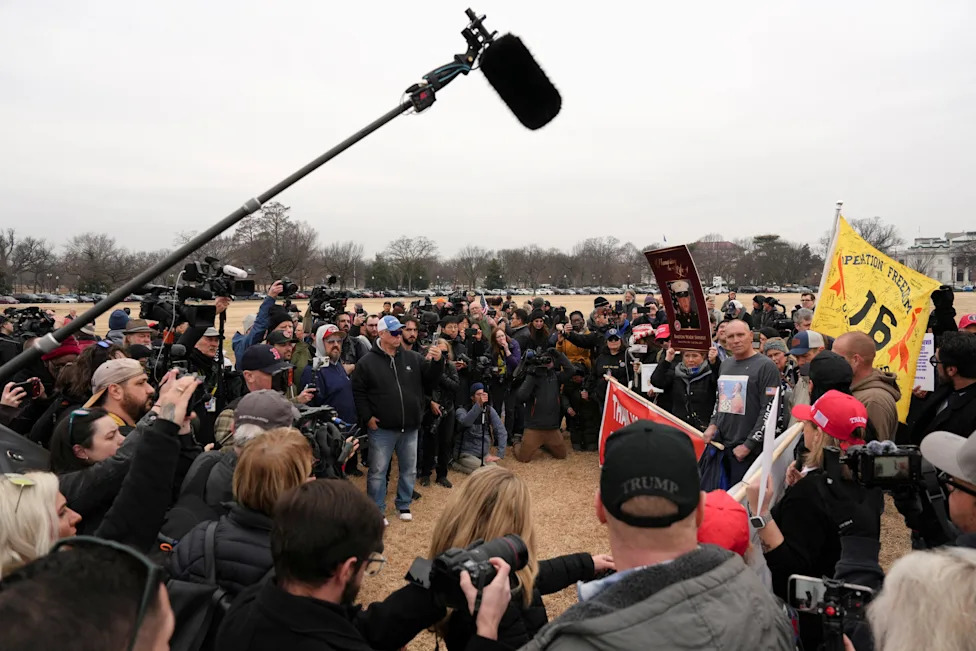
People gather ahead of a march from The Ellipse to the U.S. Capitol in memory of those who died on, or in the aftermath, of the Jan. 6, 2021 attack on the U.S. Capitol, on the fifth anniversary of the attack in Washington, D.C., Jan. 6, 2026.(Leah Millis, REUTERS)
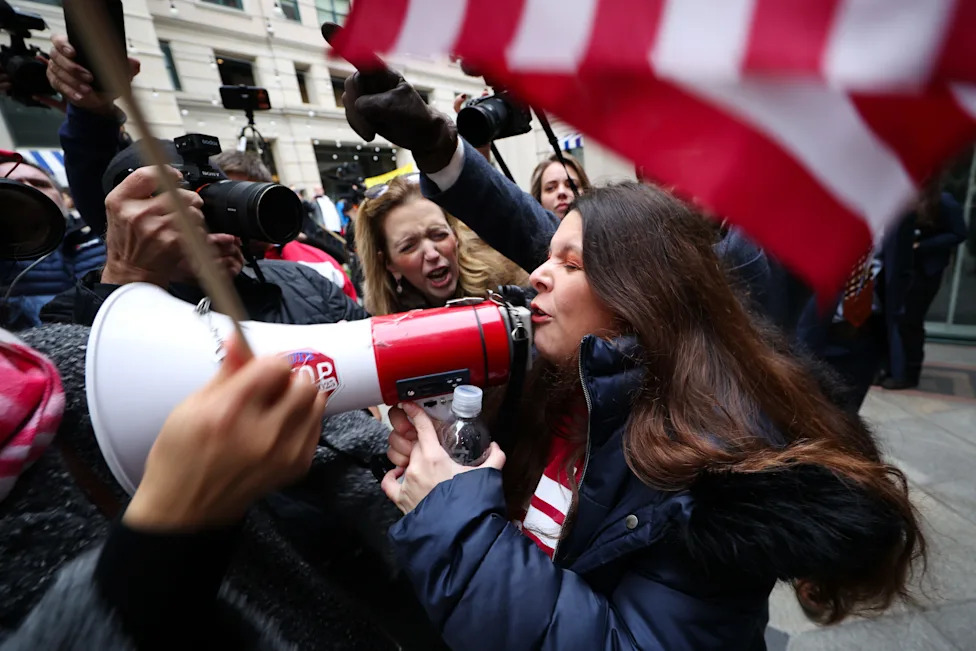
Counter-protester Patricia Eguino (R) clashes with demonstrators during a Jan. 6th memorial march marking five years since the attack on Jan. 6, 2026 in Washington, DC.(Win McNamee, Getty Images)
People hold a sign during a Jan. 6th memorial march marking five years since the attack on Jan. 6, 2026 in Washington, DC.(Chip Somodevilla, Getty Images)
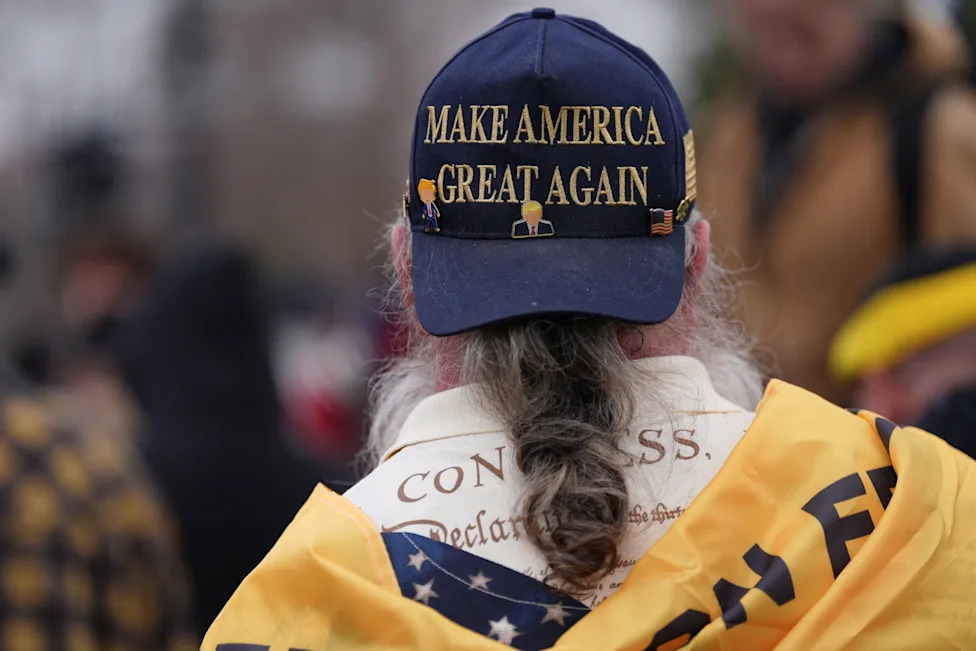
A man wears a MAGA hat as people gather ahead of a march from The Ellipse to the U.S. Capitol in memory of those who died on, or in the aftermath, of the Jan. 6, 2021 attack on the U.S. Capitol, on the fifth anniversary of the attack in Washington, D.C., Jan. 6, 2026.(Leah Millis, REUTERS)
Abdul El-Sayed tells Michigan voters, "There is so much more that unites us now," after his primary victory and calls for Medicare for all.
Protesters rally outside the Centers for Disease Control and Prevention in Atlanta on June 25, 2025, while the CDC's Advisory Committee on Immunization Practices convenes with all new members appointed by Health and Human Services Secretary Robert F. Kennedy.