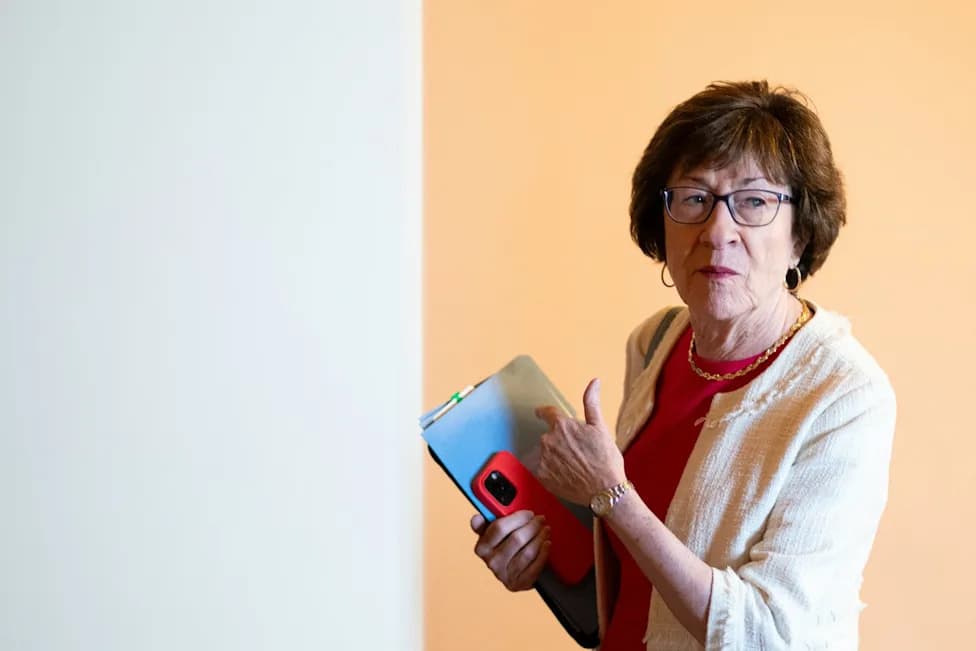
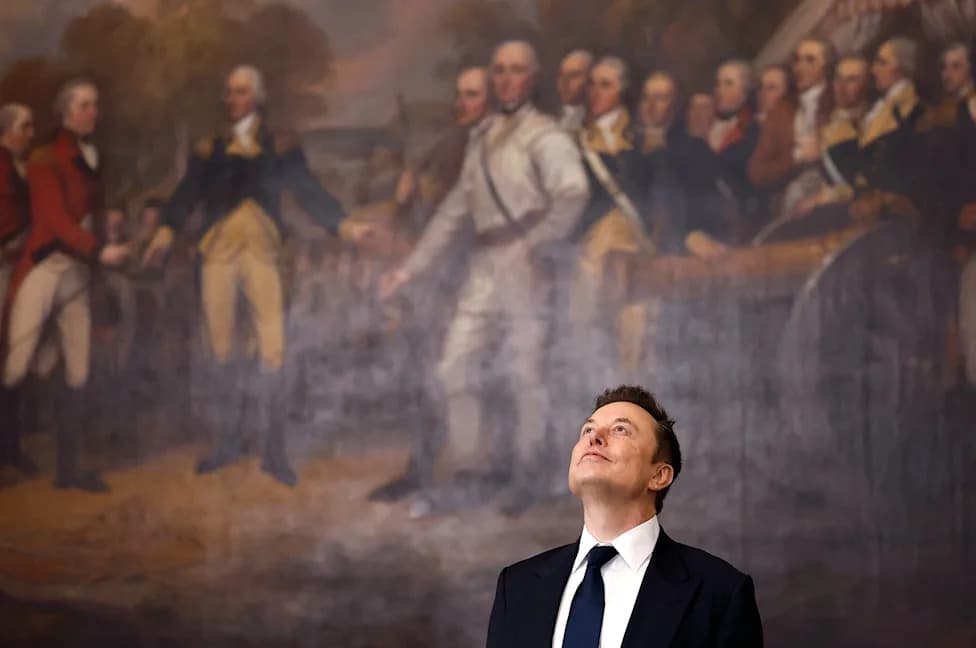
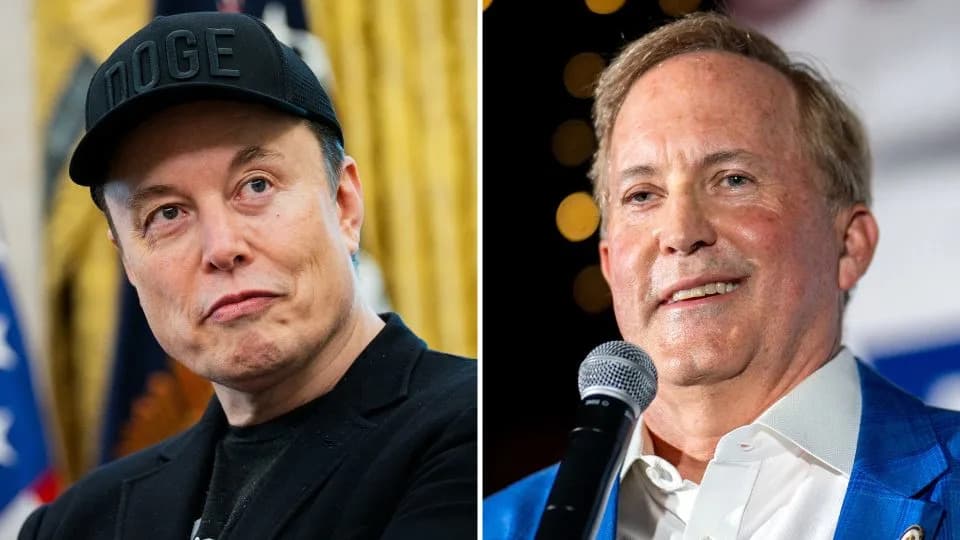
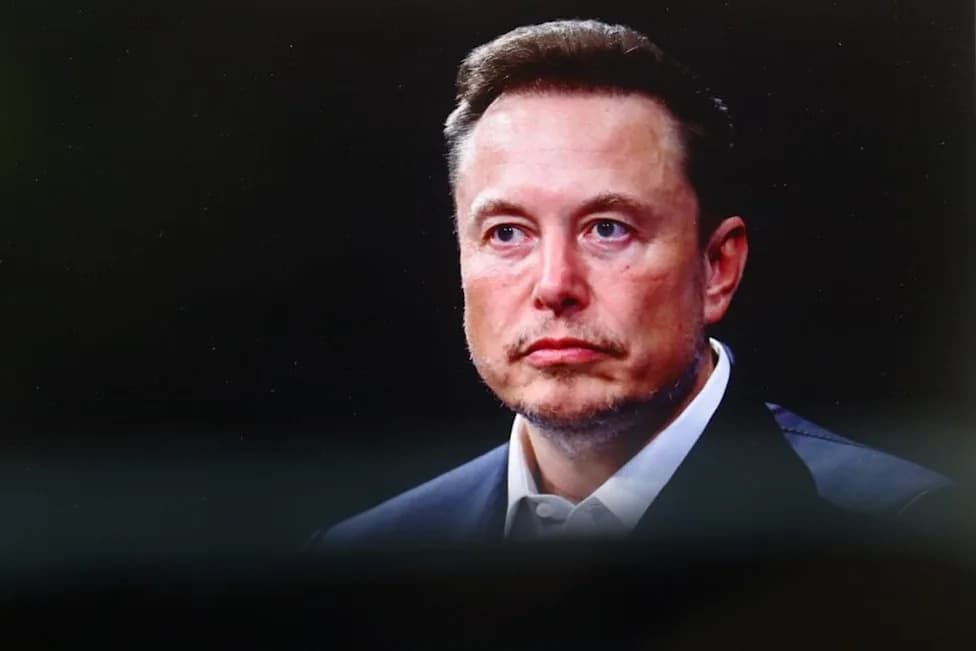
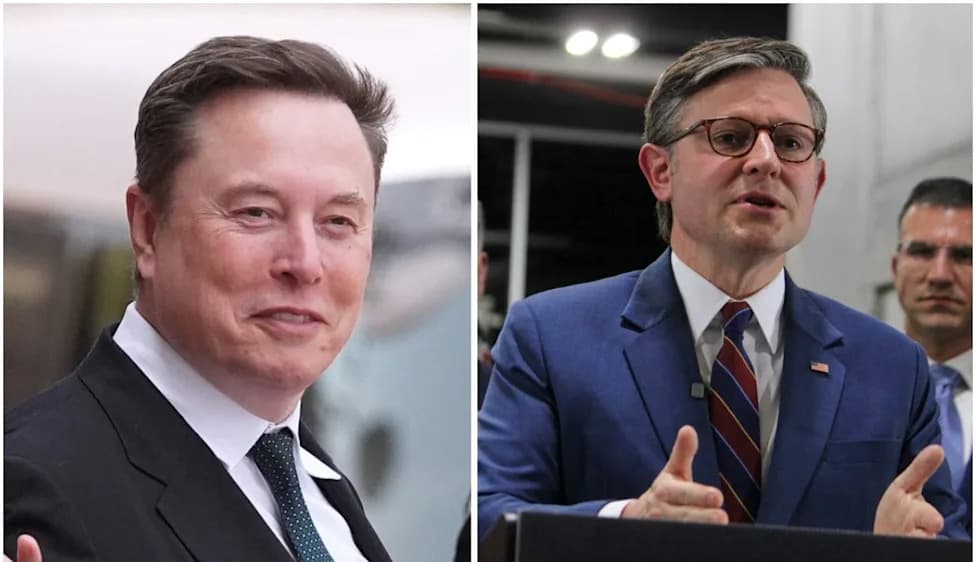
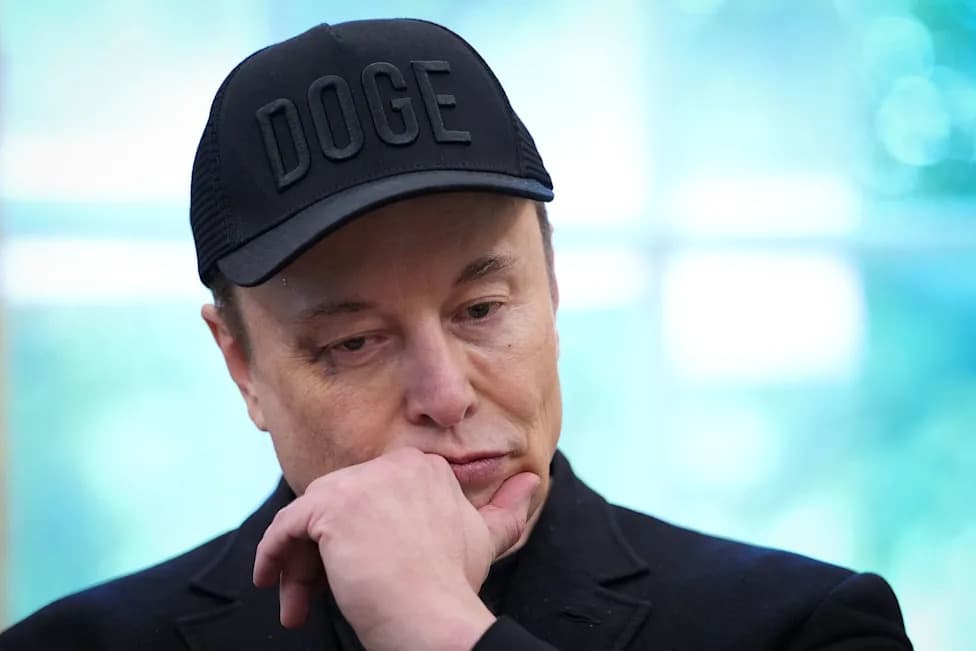
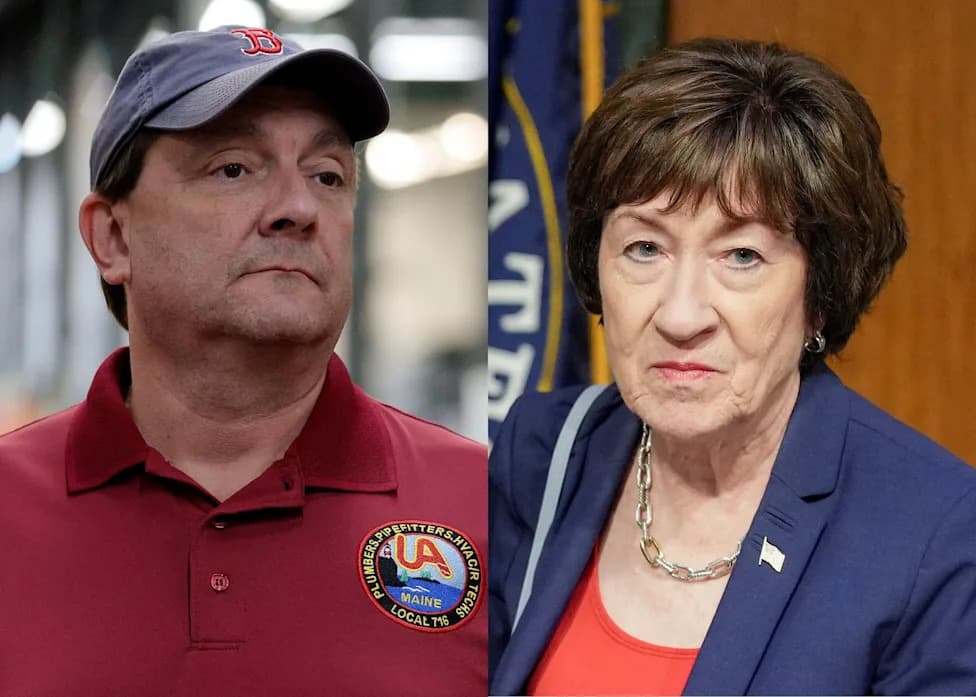
As 2025 opened, Elon Musk re-emerged as a potential kingmaker in American politics. After a brief retreat from active political engagement, he announced plans to return as a major GOP donor, pledging roughly $120 million in contributions. The first high-profile beneficiary appears to be vulnerable Maine Senator Susan Collins — a development that opens a politically combustible line of attack.
Why this matters. Musk is a polarizing figure whose recent business and political interventions have attracted intense scrutiny. Critics point to the transformation of Twitter/X into a more chaotic platform for partisan messaging, high-profile product failures, and uneven results from big-dollar political bets — including a roughly $25 million intervention in a Wisconsin Supreme Court race that failed to produce the expected outcome.
More urgent for this campaign cycle are the allegations surrounding Musk’s artificial intelligence ventures. Plaintiffs and public advocates have accused xAI’s Grok product of facilitating the creation of nonconsensual explicit images, including so-called deepfakes. That controversy has spawned litigation: a class-action lawsuit has been filed against xAI, and the company is itself challenging a Minnesota law that restricts apps from producing nonconsensual deepfake nudes.
Oliver Willis: Susan Collins is financed by a man who wants to make it easier to create nude pictures of children.
Those are serious allegations that function as political ammunition. Even when legal claims remain unresolved, the optics of a senator accepting high-dollar support from a donor whose firms face accusations of enabling exploitative imagery are difficult to defend.
Political implications for Collins
Susan Collins has often been treated with relative deference by national reporters and some Democratic strategists. That caution has preserved her from some of the sustained partisan pressure other senators routinely face. But accepting major backing from Musk undermines that insulation: it hands Democrats a straightforward, emotionally resonant argument about judgment and associations.
Democrats aiming to shift the dynamics of this race have multiple options. They can highlight the allegations against xAI and Grok, emphasize Musk’s recent political spending patterns and misfires, and remind voters that Collins chose to accept assistance from a controversial tech magnate. Messaging that focuses on accountability and the company a candidate keeps can be both simple and effective.
Broader context
This episode also echoes wider debates within American politics about technology, privacy, and the regulation of deepfakes and nonconsensual imagery. State-level efforts to limit harmful AI-generated content are colliding with high-profile legal challenges, underscoring a policy battleground that will matter beyond a single Senate race.
In short: Musk’s re-entry into high-dollar politics — and his decision to align himself with Collins — gives Democratic opponents a clear opening. If they press the case early and consistently, they may be able to change the terms of the contest, making associations and accountability central themes of the campaign.
Note: This article reports on public statements, lawsuits, and political developments described in media coverage. Allegations against companies and individuals are presented as claims and are subject to legal adjudication.