Cyprus' energy minister says gas from the Cronos field could begin supplying Europe as early as March 2028 after TotalEnergies and Eni approved its development. A planned pipeline will link Cronos to Egypt's Zohr field (about 105 km away) and send gas to Damietta for liquefaction and shipment to Europe. Cronos holds more than 3 tcf (with roughly 20% potentially used by Egypt); larger Cypriot finds such as Glaucus, Pegasus and Aphrodite have later timelines. The Great Seas Interconnector aims to link Cyprus to the European grid but faces cost and financing challenges.
Cyprus’ Cronos Gas Could Reach Europe By March 2028, Minister Says
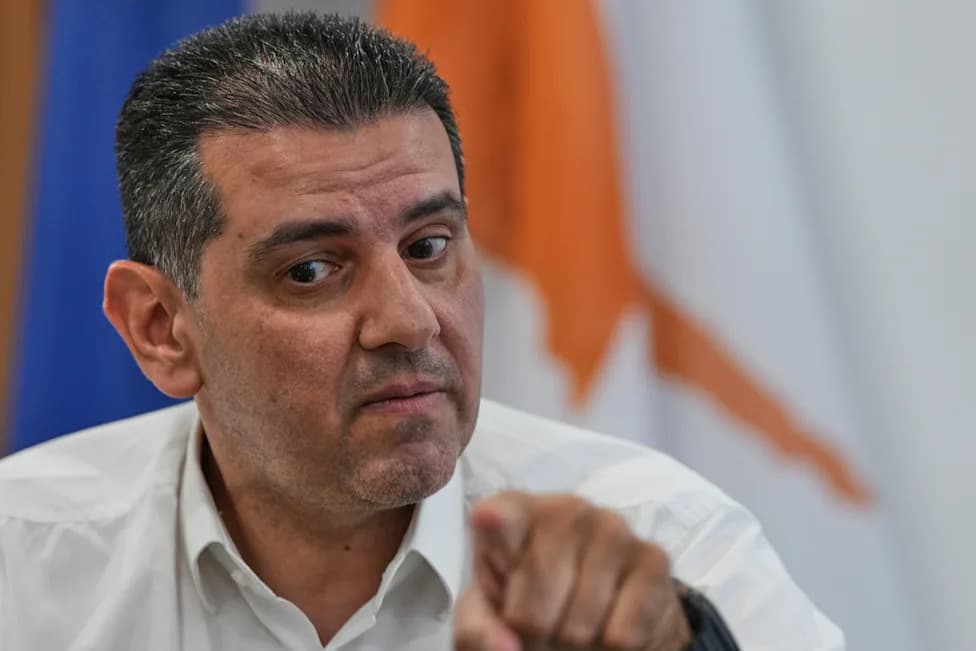
Cyprus' Energy Minister Michael Damianos talks during an interview with The Associated Press in Nicosia, Cyprus, on Aug. 7, 2026. (AP Photo/Petros Karadjias)(AP Photo/Petros Karadjias)
Cyprus' energy minister says natural gas from the Cronos field — an undersea discovery off the island's southern coast — could begin reaching European markets as early as March 2028, offering a new supply option for a continent seeking to diversify amid geopolitical disruptions.
Fast Track Plan: Pipeline to Egypt and Liquefaction
Michael Damianos told The Associated Press that the Eni–TotalEnergies consortium decided last month to move ahead with Cronos. Under the consortium's timetable, construction of a pipeline linking Cronos to existing infrastructure at Egypt's large Zohr gas field (about 105 km / 65 miles away) will begin later this year and could take up to 18 months to complete.
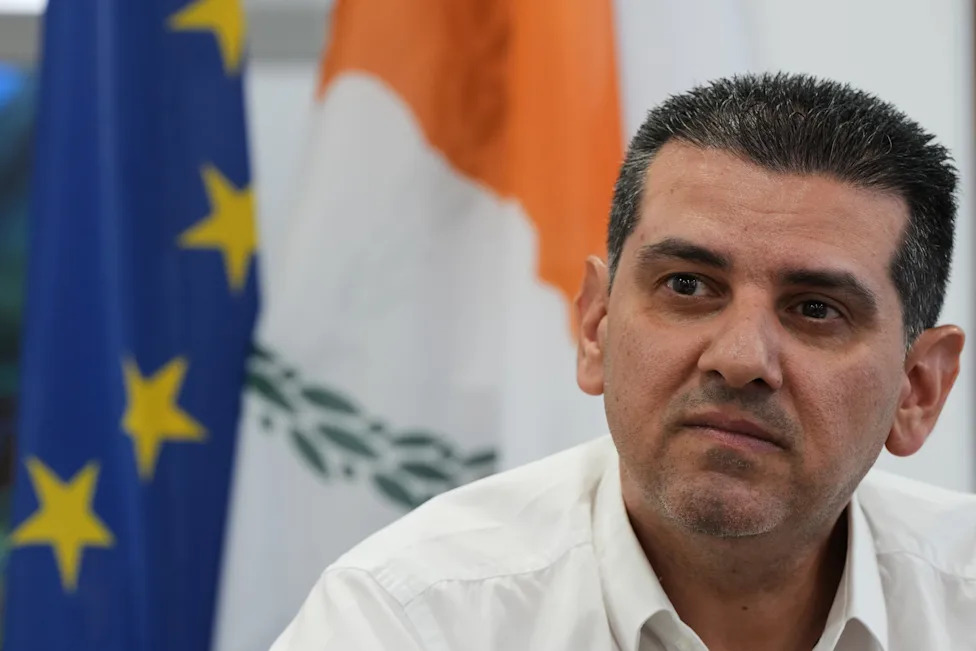
Cyprus' Energy Minister Michael Damianos looks on during an interview with The Associated Press in Nicosia, Cyprus, on Aug. 7, 2026. (AP Photo/Petros Karadjias)(AP Photo/Petros Karadjias)
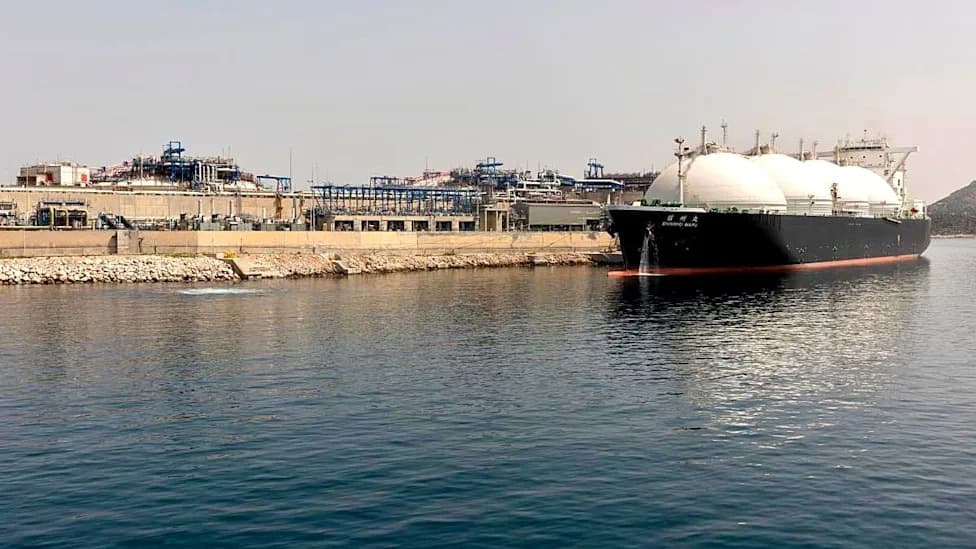
Once piped to Egypt, the gas is to be routed to the Damietta processing plant on Egypt's northern shore for liquefaction and shipment by tanker to European markets — a route project planners say is the most economical option because of Cronos' proximity to existing facilities.
Scale, Cost And Terms
Cronos contains more than 3 trillion cubic feet (tcf) of gas. The pipeline-and-processing option is estimated to cost roughly $2 billion (about €1.73 billion) — roughly half the cost of developing stand-alone facilities in Cypriot waters. The agreement envisions the full Cronos reserve going to Europe, although a clause allows about a fifth of the volume to be used to meet some of Egypt's domestic needs.
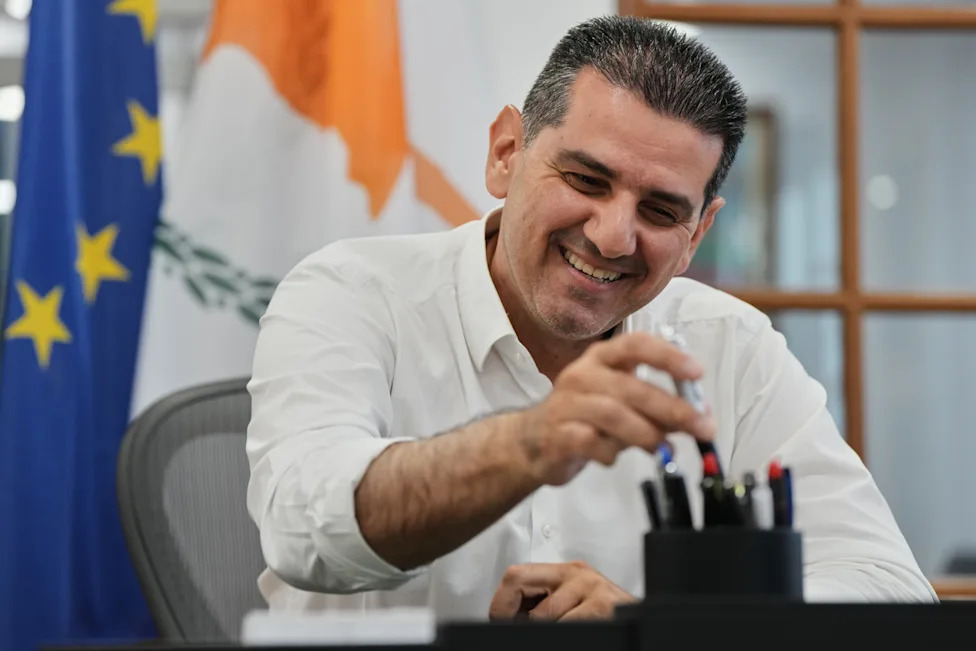
Cyprus' Energy Minister Michael Damianos is interviewed by The Associated Press in Nicosia, Cyprus, on Aug. 7, 2026. (AP Photo/Petros Karadjias)(AP Photo/Petros Karadjias)
"It's a small reserve," Damianos said. "Our income as a country is not going to be huge, so its importance is not the money; its importance is the commencement of being a producer and having first gas."
Other Offshore Finds And Timelines
Cronos is one of six discoveries so far inside Cyprus' Exclusive Economic Zone. Two other finds — Glaucus and Pegasus — hold an estimated combined 6.9 tcf. Licensees ExxonMobil and partner QatarEnergy expect production from those fields by 2033. Damianos noted ExxonMobil's track record for meeting timelines and said the company plans to expand exploration off Cyprus.
The earlier Aphrodite discovery contains an estimated 5.6 tcf. Damianos said a Chevron-led joint venture is expected to make a final development decision on Aphrodite in the summer of 2027; part of Aphrodite lies in Israeli waters, and an arbitrator is expected to decide Israel's share soon.
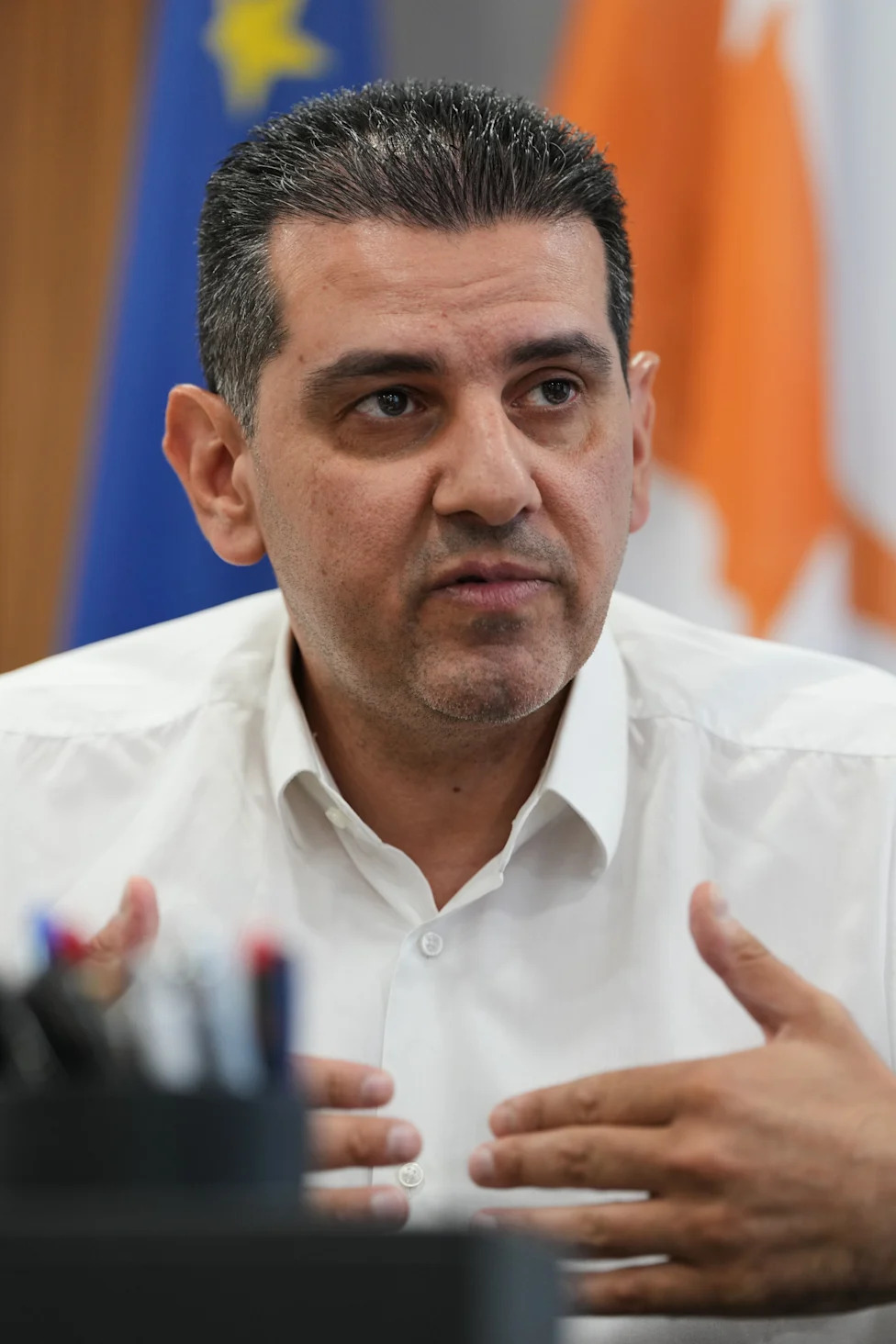
Cyprus' Energy Minister Michael Damianos talks during an interview with The Associated Press in Nicosia, Cyprus, on Aug. 7, 2026. (AP Photo/Petros Karadjias)(AP Photo/Petros Karadjias)
Power Links And Regional Integration
Damianos also welcomed French investment firm Meridiam's backing for the Great Seas Interconnector, a high-voltage cable to connect Cyprus to the European grid and, later, to Israel. The cable would end energy isolation for Cyprus and Israel and support the EU’s broader IMEC initiative — a proposed energy and trade route to the Gulf and India.
However, the project is under scrutiny after projected costs rose above an earlier estimate of $2.2 billion. A European Investment Bank report due in the coming months should clarify the final cost. Under an existing agreement, Cypriot energy consumers might be required to cover up to 63% of the cable’s construction cost, potentially pushing up domestic electricity prices. Cypriot officials are seeking additional private investment and more EU funding to limit the impact on households; the EU has already pledged $760 million (about €658 million) to the project.
What This Means For Europe
Damianos framed the Cronos development as an important diversification step for Europe at a time of regional instability: new east Mediterranean supply routes could help reduce dependence on other sources and strengthen energy resilience across the continent.
Help us improve.