Egypt, Greece and Cyprus reaffirmed plans to route gas from Cyprus’ Cronos field to European markets via Egyptian liquefaction and export facilities, with Greece offering an optional corridor through Revithoussa and Alexandroupolis. Cronos—operated by Eni alongside TotalEnergies—targets production in 2028 and could yield the equivalent of about 2.8 Mt of LNG per year. McDermott won a $500–$750 million contract to support the offshore development. The move aims to diversify supplies amid Gulf disruptions and Europe’s planned phase-out of Russian gas.
Mediterranean Energy Pivot: Egypt, Greece and Cyprus Recommit to Route Cypriot Cronos Gas to Europe
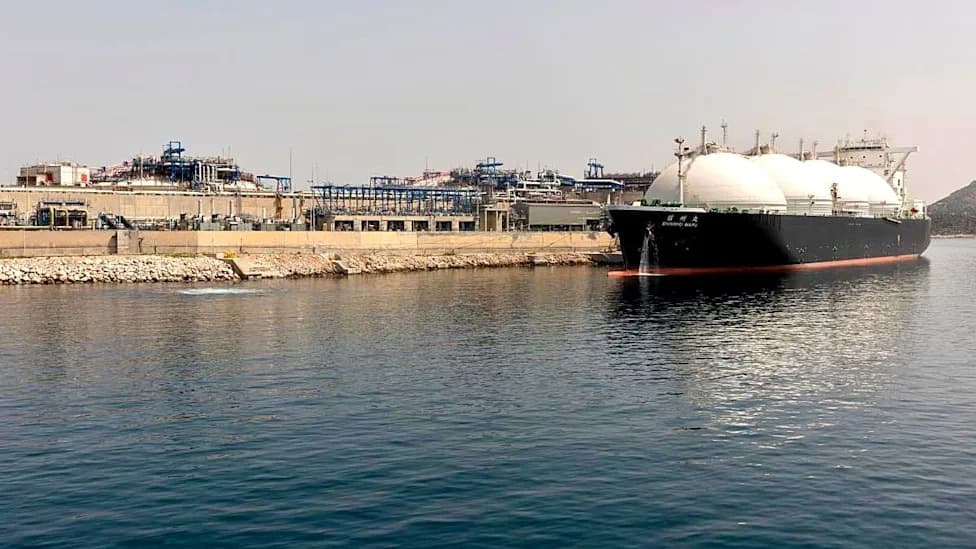
Egypt, Greece and Cyprus back plans to bring Cypriot gas to Europe
Egypt, Greece and Cyprus have publicly renewed their commitment to route gas from Cyprus to European markets using Egyptian liquefaction and export facilities, with Greece offering an optional onward corridor into southeastern and central Europe.
Summit and Joint Declaration
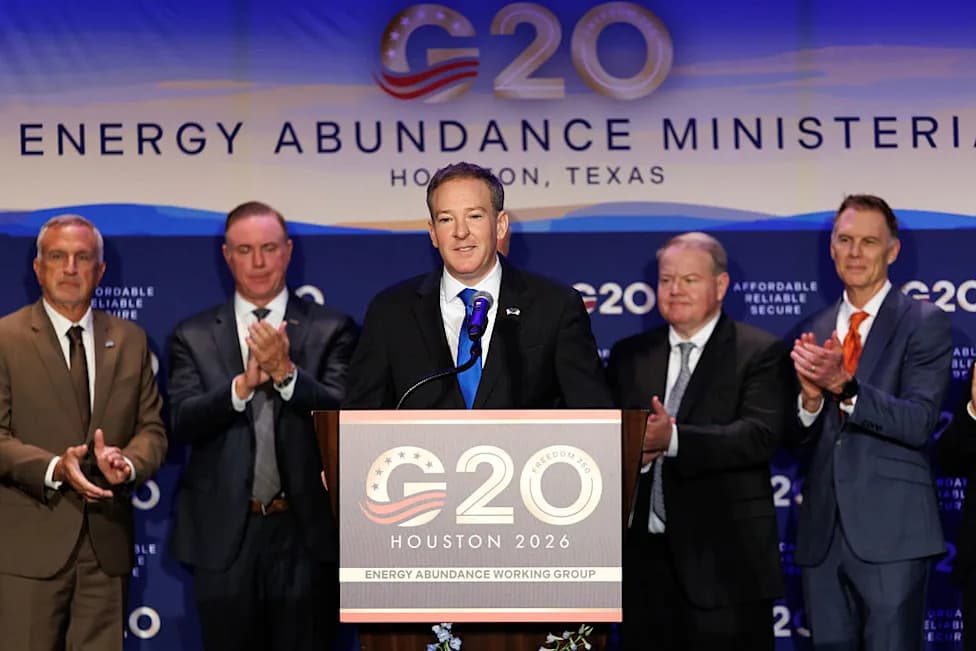
Leaders Egyptian President Abdel Fattah el-Sisi, Greek Prime Minister Kyriakos Mitsotakis and Cypriot President Nikos Christodoulides met in El Alamein on Egypt's Mediterranean coast and urged that connections from Cyprus' offshore gas fields to Egyptian infrastructure be completed as quickly as possible.
Cronos Project: What’s Planned
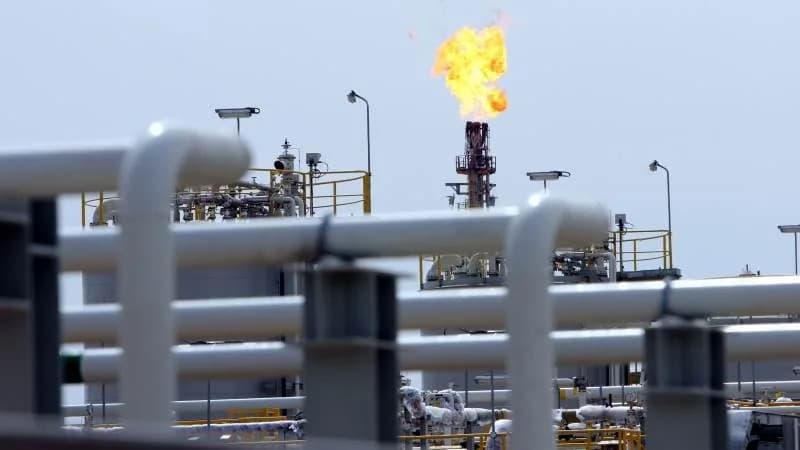
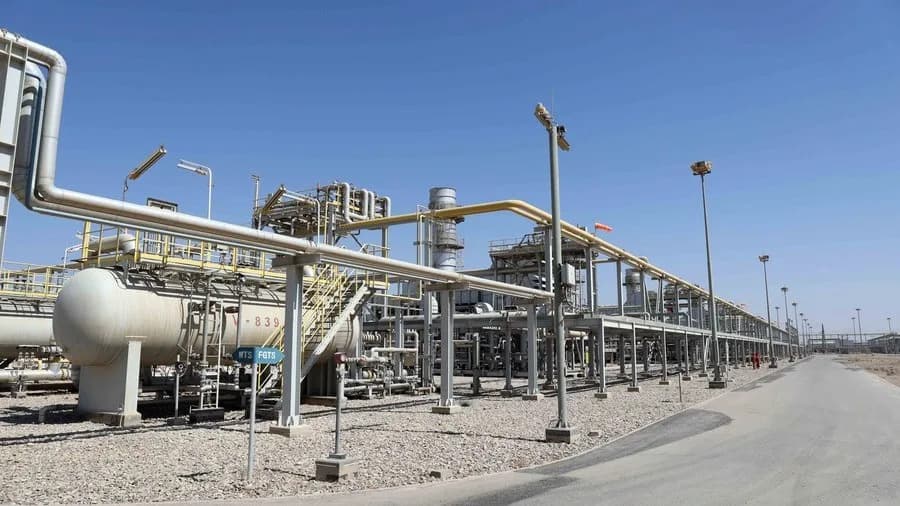
Cronos, Cyprus’ first major gas development operated by Eni with a 50% stake shared with TotalEnergies, is expected to begin production in 2028. The field will be developed through four offshore wells and tied by an undersea pipeline to Egyptian processing facilities linked to the Zohr field. Processed gas will then be sent to the Damietta terminal for liquefaction and export.
Eni and TotalEnergies expect Cronos to deliver the equivalent of about 2.8 million tonnes of LNG per year, and Eni says the field contains more than 3 trillion cubic feet of additional gas. The two companies will each market half of the output.
Contract Award
Engineering group McDermott announced a contract from Eni’s Cyprus unit valued between $500 million and $750 million to provide engineering, installation support and offshore development management for Cronos.
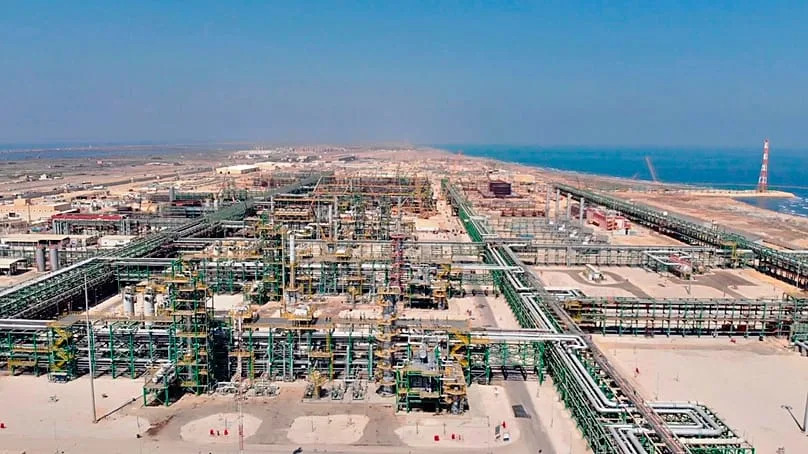
Gas facilities in Egypt - Eni
Routing and Markets
Greece has proposed that LNG exported from Egypt could call at Greek terminals—including Revithoussa and Alexandroupolis—where it could be regasified and sent northward via the so-called Vertical Corridor into southeastern and central Europe. Officials emphasize that Greece would be an optional gateway rather than a mandatory stop; Eni intends to sell the gas primarily in Europe and other international markets as commercial conditions dictate.
Strategic Context
The plan advances as disruptions to Gulf LNG supplies and risks around the Strait of Hormuz increase pressure on buyers to diversify. The International Energy Agency (IEA) in July estimated potential LNG supply losses of about 140 billion cubic metres between 2026 and 2030. At the same time, the EU is preparing to phase out Russian supplies, with rules envisaging a ban on Russian LNG from early 2027 and on pipeline gas later that autumn.
"This new gas route in the Mediterranean will contribute to Europe’s energy security by diversifying its LNG supply sources," said TotalEnergies CEO Patrick Pouyanné when Cronos was approved.
Beyond Gas: Electricity Link
The leaders also backed plans for the proposed GREGY undersea electricity cable to carry renewable electricity from Egypt to Greece with a planned capacity of 3,000 MW. Developer Elica Interconnector says that power could supply Greek industry and be exported into broader European markets.
Legal And Regional Considerations
The summit declaration reiterated support for resolving maritime boundary issues in accordance with international law, including the UN Convention on the Law of the Sea. Greece and Egypt signed a partial maritime boundary agreement in 2020, which Turkey rejected at the time, citing overlapping continental shelf claims. Greek officials stressed the trilateral partnership is "not directed against any country."
Timing and next steps: With Cronos approved and McDermott contracted, work to connect offshore infrastructure to Egyptian terminals will be the immediate priority ahead of the field’s expected 2028 start-up.
Help us improve.