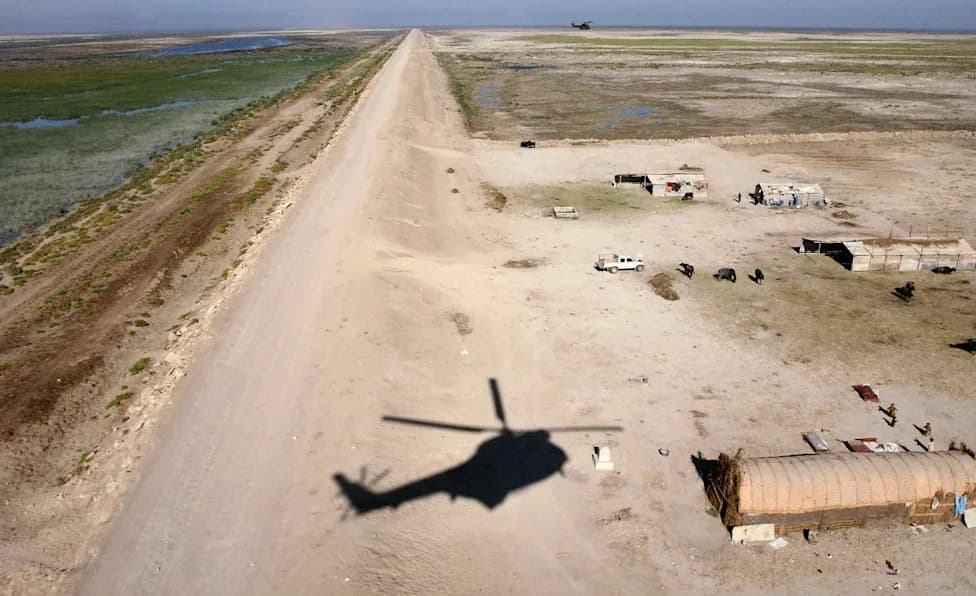
Iraq — bordering Iran to the east, Turkey to the north, Syria and Jordan to the west, and Saudi Arabia to the south — remains a geopolitical fulcrum for Washington, Beijing and Moscow in the Middle East. Within Iraq, the sparsely populated western province of Anbar is unusually strategic, and the vast Akkas gas field sits at its center. Since Prime Minister Ali al-Zaidi took office on 16 May and signaled openness to Western energy investment, U.S. companies and partners have moved quickly to shape Akkas's development. This article explains their objectives, timelines, and the broader regional implications.
Production Targets and Near-Term Plans
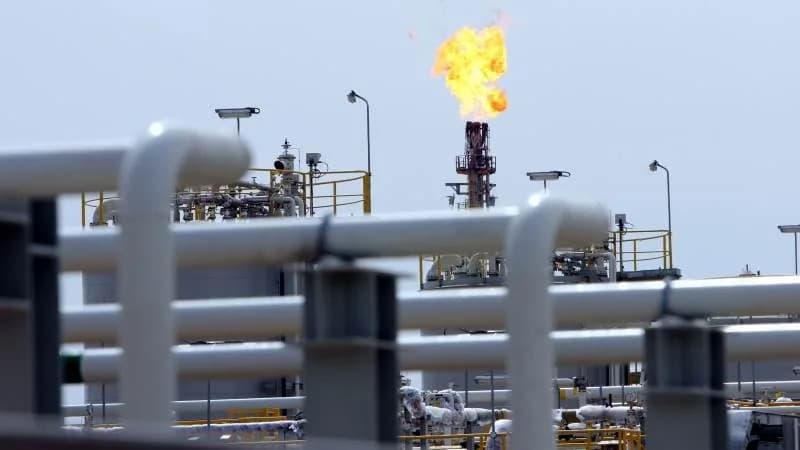
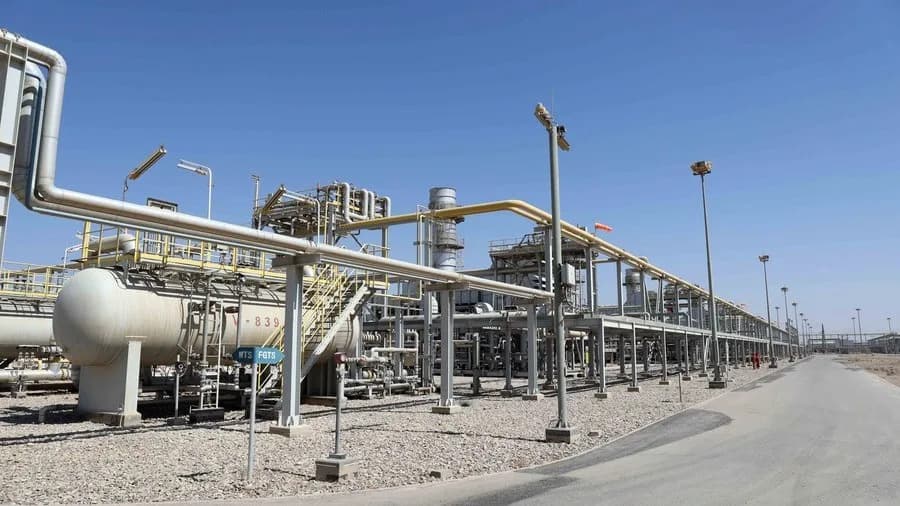
The Iraqi Oil Ministry has set a clear target: raise production at Akkas to 400 million standard cubic feet per day (MMscfd) by 2030 — nearly a tenfold increase from current output of roughly 43 MMscfd. An interim target of 143 MMscfd is expected by mid-2027. That near-term goal is supported by a contract with SLB (formerly Schlumberger) for drilling six wells and constructing a processing facility rated at 100 MMscfd, according to Mohammed Yassin Hassan, director general of Midland Oil Company.
Recent Agreements And Industry Moves
At the end of July, Iraq's Oil Ministry signed a memorandum of understanding (MoU) with a consortium led by U.S.-based ConocoPhillips and TI Capital alongside Novaterra Energy to assess Akkas and surrounding areas. This follows several high-profile moves by U.S. firms in Iraq and the region:
- ConocoPhillips agreed to acquire a 42% stake in BP Energy Company of Kirkuk Limited from BP to redevelop five producing Kirkuk-area fields (Baba Dome, Avanah Dome, Bai Hassan, Jambur and Khabbaz).
- TI Capital is partnering with Chevron on plans for a crude pipeline from Kirkuk to the Syrian Mediterranean port of Baniyas, targeting up to 2 million barrels per day (bpd) — a route that would give Iraq direct access to Mediterranean export terminals.
- Novaterra and ConocoPhillips signed an agreement with the Syrian Petroleum Company to re-enter Syria and rebuild gas infrastructure, aiming to boost output by 4–5 million cubic metres per day within a year.
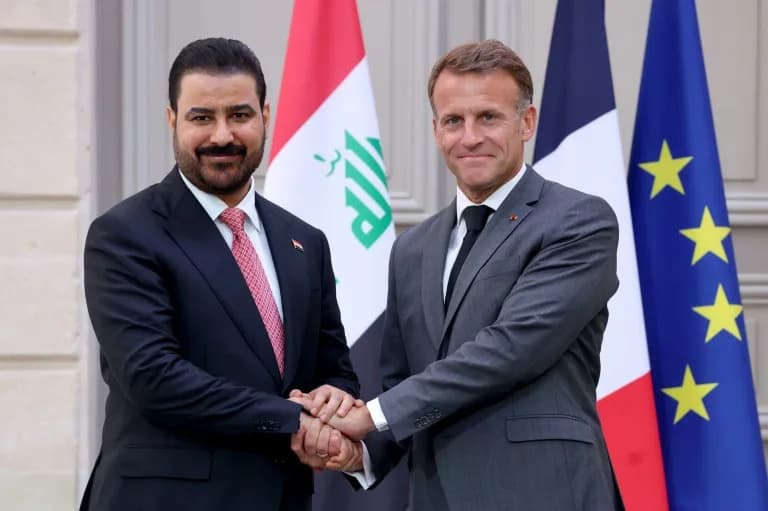
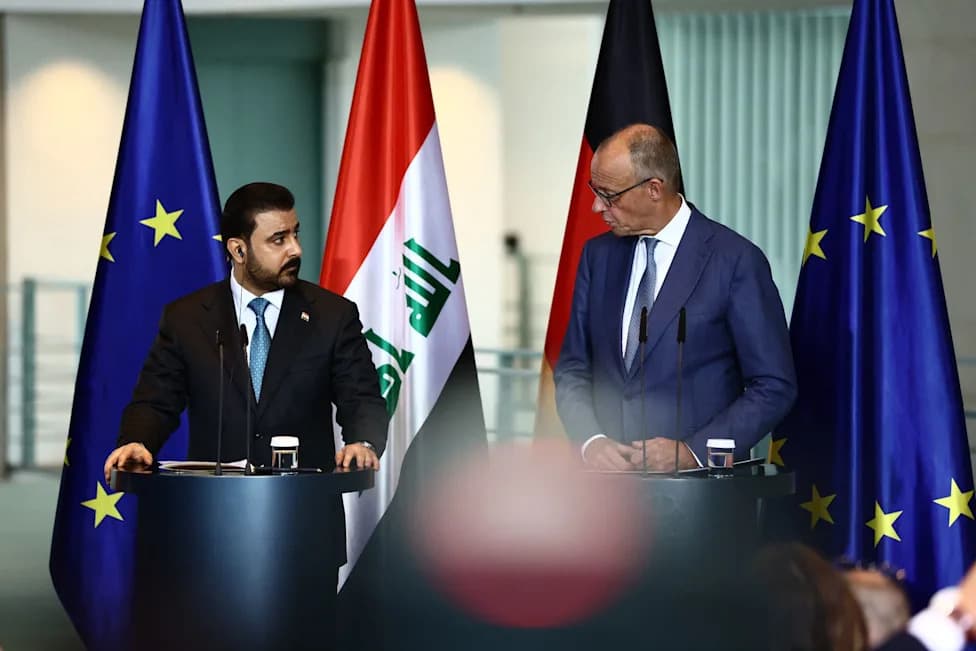
- During Prime Minister al-Zaidi's first round of international engagements, roughly 48 energy-related deals or partnerships were concluded, including a license for Starlink to operate in Iraq.
Geopolitical Strategy Behind the Push
These commercial deals are closely tied to strategic objectives: diversify Iraq's export routes, deepen Western commercial and security ties, and reduce regional influence of Iran and Russia. The proposed Iraq–Syria pipeline is a tangible example — by enabling Mediterranean exports, it would lessen Baghdad's dependence on Persian Gulf chokepoints such as the Strait of Hormuz. U.S. and UK sanctions that precipitated the withdrawal of Russian firms Lukoil and Rosneft from key Iraqi projects created openings for Western companies to expand their footprint.
Authorising Starlink in Iraq provides a resilient, low-latency communications layer for the Iraqi state, military and international energy operators. By circumventing terrestrial networks controlled by neighboring actors or militias (notably Iranian-aligned groups), Starlink strengthens surveillance, asset protection and crisis coordination across vulnerable corridors.
Why Akkas Is More Than a Gas Field
Akkas holds approximately 5.6 trillion cubic feet of proven gas reserves — ample to support the Oil Ministry's 2030 production goal if development proceeds on schedule. But Akkas's importance is as much geographic as it is geological. It forms a vertex of a skewed triangle of major gas fields stretching from Mansuriya near Iran, south to Siba near Basra's export hub, and west to Akkas near Syria. The corridor between these fields lies along historic population centers such as Falluja, Ramadi, Hit and Haditha — areas with complex local politics and security dynamics — and connects rapidly to Syrian Mediterranean ports including Baniyas, Tartus and Latakia.
For decades, Tartus and Khmeimim (near Latakia) served Russian strategic interests — Tartus as Russia's only Mediterranean naval facility and Khmeimim as a key airbase. Regional planners in Moscow and Tehran have long sought secure overland routes to the Mediterranean — sometimes described as a "land bridge" — to facilitate logistics and weapons flows to allied proxies. A new agreement signed on 9 August by Syria's government under Ahmed al-Sharaa curtailed Russia's autonomous control over several strategic outposts, a development Washington is determined to make durable.
Risks, Timelines And What To Watch
Key risks include security in Anbar and adjacent areas, the technical and logistical challenge of scaling output quickly, coordination among multinational consortium partners, and potential political pushback domestically or from regional actors. Watch the following near-term milestones: SLB's six-well drilling program and 100 MMscfd plant completion, the outcomes of the Conoco/TI/Novaterra MoU assessments, progress on the Kirkuk–Baniyas pipeline plans, and the operational rollout of Starlink services in Iraq.
Bottom line: Securing Akkas is an energy and geopolitical priority for Western firms and the U.S. government because it can accelerate Iraq's gas output, open alternative export routes, and expand Western commercial and security influence in a region where rival powers have long projected force.
By Simon Watkins for Oilprice.com