Key Takeaway: Hunter Biden told BBC Newsnight that Joe Biden’s prostate cancer has metastasized to his bones, causing significant pain. The 83-year-old was diagnosed in May 2025 and completed radiation treatment in October 2025 after receiving hormone therapy. Prostate cancer incidence and rates of advanced disease have risen in recent years; screening decisions (PSA) for men 55–69 should be made after shared decision-making with a clinician.
Biden’s Prostate Cancer Progresses: Hunter Biden Says It Has Metastasized to Bones

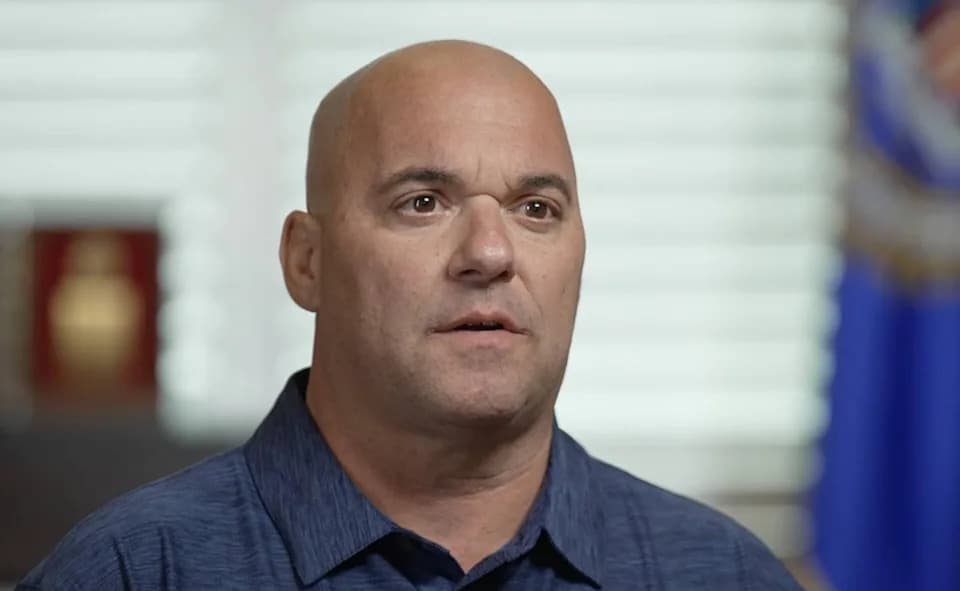
Joe Biden looking down
Hunter Biden told BBC Newsnight that his father, former President Joe Biden, has seen his prostate cancer spread beyond the prostate and into his bones, causing significant pain and functional decline. The former president, 83, first announced a prostate cancer diagnosis in May 2025 after a routine exam detected a small nodule. His office initially described the tumor as a more aggressive, but hormone‑sensitive, form of the disease.
Treatment Timeline
Following the diagnosis, Mr. Biden received hormone therapy and completed a course of radiation at Penn Medicine Radiation Oncology in Philadelphia in October 2025, his spokesperson has said. Hormone therapy (androgen deprivation) is commonly used to slow the growth of hormone‑sensitive prostate cancers; other options for advanced disease can include chemotherapy, targeted therapies, immunotherapy and radiopharmaceuticals depending on disease characteristics and the patient’s health.

Former President Joe Biden's prostate cancer has spread further since his diagnosis last year, his son Hunter Biden revealed.
What Hunter Biden Said
"The cancer has spread, metastasized into his bones and further," Hunter Biden told BBC Newsnight. He described his father’s condition as "very painful" and "very debilitating in many respects," and added that he wished his father would be more vocal about how poorly he is feeling.
Symptoms and When They Appear
Prostate cancer is often detected early through screening before symptoms develop. Early signs, when present, can include urinary difficulty (weak or slow stream, increased frequency) and blood in urine or semen. More advanced disease that has spread to bone or other organs can cause localized pain (hips, back, ribs), fatigue, weight loss, erectile dysfunction, weakness in the legs or loss of bladder or bowel control.
Screening Guidance
The U.S. Preventive Services Task Force (USPSTF) recommends that men aged 55 to 69 have the option to undergo periodic PSA-based screening after a shared decision-making discussion with their clinician about potential benefits and harms. Screening can reduce the risk of dying from prostate cancer for some men but carries risks of false positives, overdiagnosis and overtreatment.

The U.S. Preventive Services Task Force states that men aged 55 to 69 years should have the option to undergo periodic prostate-specific antigen (PSA)-based screening to monitor for prostate cancer.
Trends, Risks and Prognosis
Incidence of prostate cancer rose by roughly 3% per year from 2014 through 2021, and rates of advanced-stage disease increased by about 5% per year during that period, according to the American Cancer Society (ACS). The ACS estimates roughly 333,830 new U.S. prostate cancer diagnoses in 2026 and about 36,320 deaths. Lifetime risk is approximately 1 in 8 men, and risk increases with age; the average age at diagnosis is 67.
Survival depends heavily on stage at diagnosis: five-year survival is at least 99% for cancers confined to the prostate and similarly high for regional disease; it falls to about 37% for cancers that have metastasized to distant sites. Actual outcomes vary with age, overall health, tumor biology and response to treatment.
What Patients Should Know
Men concerned about prostate cancer should discuss screening options with their clinicians, weighing potential benefits and harms in the context of personal risk factors (age, family history, race, symptoms). For patients with advanced or metastatic disease, a multidisciplinary team can tailor therapy to control symptoms, slow progression and maintain quality of life.
Sources: BBC Newsnight interview; statements from the Biden office; American Cancer Society; U.S. Preventive Services Task Force.
Help us improve.