The Dearborn Heights police impounded a Cadillac CT5-V after the driver performed donut maneuvers that blocked Warren Avenue during a wedding send-off, a stunt captured in viral cellphone video. Michigan law (MCL 257.625n) narrowly limits permanent vehicle forfeiture, so the likely legal result is towing fees, fines and possible license points rather than permanent loss. The visible, public tow is being used as a deliberate deterrent while legislators consider new laws to address coordinated multi-vehicle takeovers.
Cadillac Drifts at Michigan Wedding, Gets Towed in Public Deterrent — Permanent Forfeiture Unlikely
A Cadillac Did Donuts at a Michigan Wedding and Got Impounded. It Might Be Home Before the Honeymoon
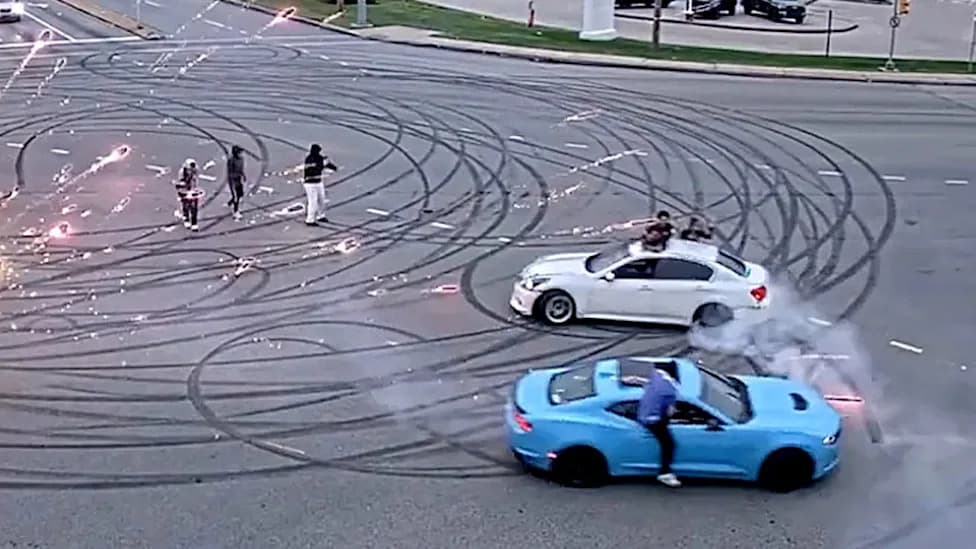
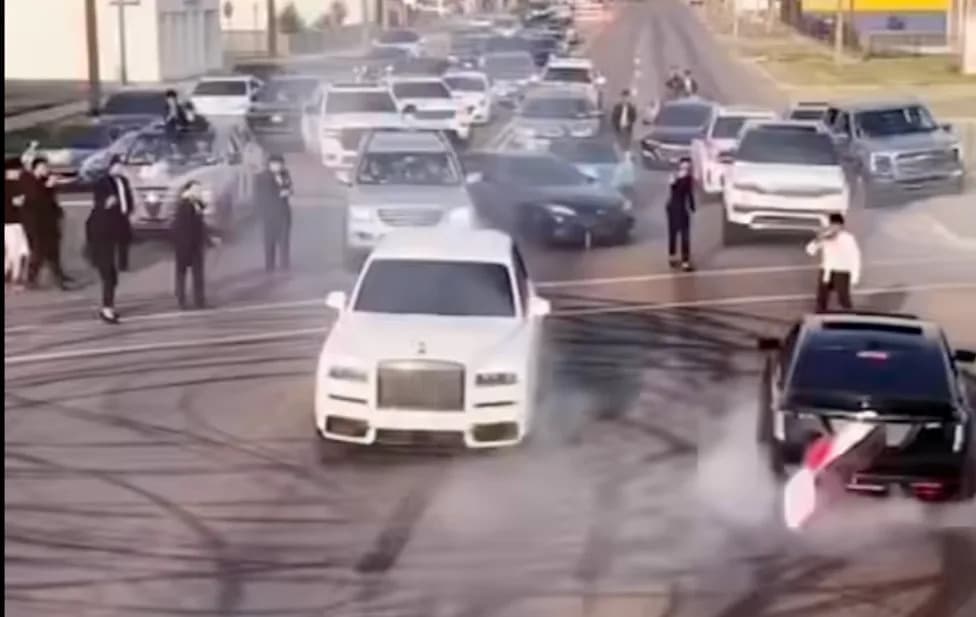
Dearborn Heights police impounded a Cadillac CT5-V in late July after investigators say its driver blocked Warren Avenue and filled the intersection with tire smoke while guests were leaving a wedding. Cellphone video of the stunt circulated widely and also captured a white Rolls-Royce fishtailing through the same crowd. Mayor Mo Baydoun said the department is still working to identify the other vehicles involved and will continue pursuing drivers who stage stunts that endanger motorists and pedestrians.
Not The First Time
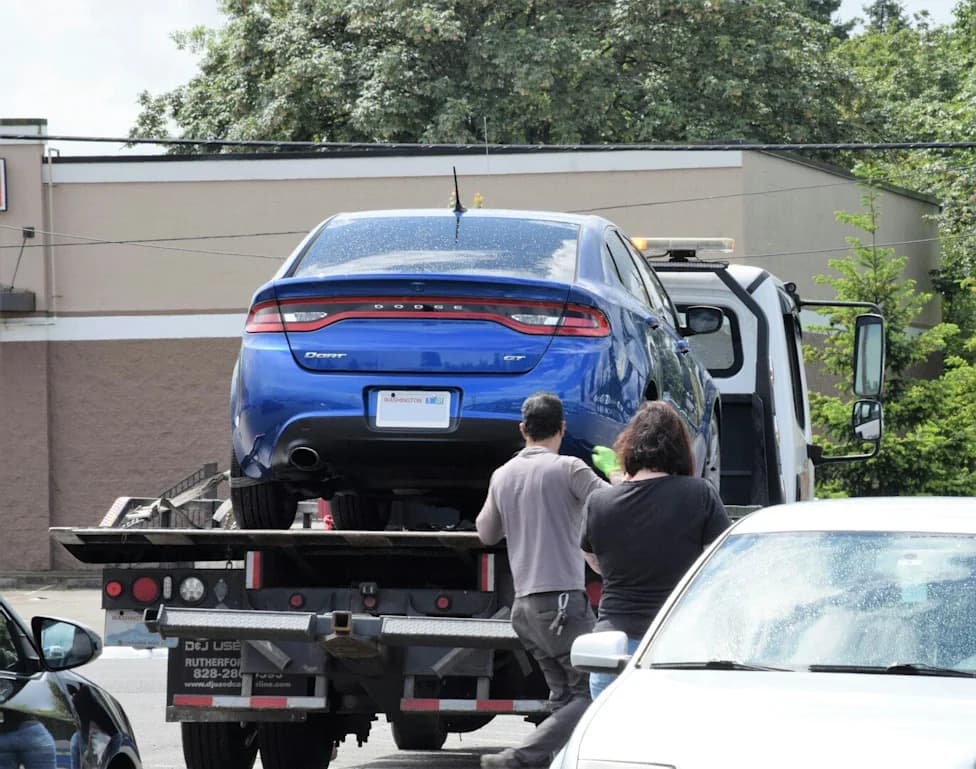
This tactic is familiar to the city. In September 2024 Dearborn Heights officers towed a white Dodge sedan after guests at another reception tore up a freshly paved parking lot doing burnouts while passengers hung out windows. Officers tracked that vehicle by its plate and had it removed from directly outside the venue as stunned guests watched. At the time, department spokesman Paul Vanderplow summed up the approach bluntly:
"It's one thing to be dumb. It's another thing to be dumb in public."
Impoundment Versus Forfeiture
Many social-media commenters assumed the tow meant the Cadillac was gone for good. Under Michigan law, however, impoundment is not the same as forfeiture. The state's forfeiture statute (MCL 257.625n) permits permanent seizure of vehicles only in narrow circumstances — repeat OUIL/DUI convictions or reckless driving that causes death or serious injury. Ordinary exhibition driving or a viral donut clip generally does not meet that standard. Unless the driver has prior suspensions or qualifying convictions, the most likely legal outcome is an expensive inconvenience: towing and storage fees, fines, citations, court costs and possible license points. In most cases the vehicle is eventually returned to its owner.
The Tow As A Message
That difference does not make the tow meaningless. Far from it: the public, visible removal of a vehicle is a form of enforcement and deterrence. A flatbed arriving at a reception and loading a Cadillac in front of a hundred guests is designed to be seen and recorded — creating its own counter-content that competes with the footage that prompted the action. In places where statutes lack the authority to prevent coordinated takeovers in advance, a viral tow can still shift behavior one incident at a time.
Policy Gap And Legislative Response
Part of the problem is that Michigan's reckless driving law was written with a single driver and a single vehicle in mind. It does not clearly address coordinated convoys — a dozen or more cars blocking an intersection together — which is the signature pattern of modern street takeovers and some wedding send-offs. State Representative Bryan Posthumus introduced legislation this summer to target reckless or negligent operation by groups of two or more vehicles in public, attempting to close that gap.
How Others Are Responding
Some jurisdictions have taken tougher measures: San Diego has publicly seized and destroyed vehicles used in takeovers, and Ohio prosecutors have successfully used forfeiture in certain cases tied to more serious offenses and sentences. Dearborn Heights, by contrast, appears to be using quick, visible tow-and-publicity tactics while relying on existing statutes for any court actions that follow.
About The Car
The Cadillac involved was a CT5-V, a 360-horsepower sport sedan designed to compete with cars like the BMW M3. It's not a stripped-down burnout special; achieving sustained donuts in a modern performance sedan typically requires disabling electronic aids such as stability control. The CT5-V has appeared in other high-speed incidents — one was clocked at 143 mph on a Georgia highway in 2024 — underscoring that deliberate human choices, not just vehicle capability, put cars sideways in crowded intersections.
Five years from now, the specific wedding and the specific Cadillac may be forgotten. What will remain is the larger lesson: where the law lags behind evolving public misbehavior, visible, immediate enforcement — even if temporary — can serve as an effective short-term deterrent while lawmakers and prosecutors work to update statutes.
Help us improve.