Operation Street Sweeper saw LAPD, CHP and LA County sheriff’s deputies use drones and intelligence to disrupt converging street takeovers in Harbor Gateway, resulting in 69 arrests, roughly 570 citations, seven firearms recovered and about 200 vehicles impounded. The sweep reflects four Assembly bills effective January 1, 2025, that expanded police authority to seize and hold vehicles tied to sideshows and street takeovers. Under Vehicle Code Section 23109.2, impounded cars can be held for 30 days while towing and storage fees accrue — fees that can lead a tow yard to sell the vehicle if unpaid, regardless of a criminal conviction. The combination of new laws, civil liens and intelligence-led policing has reshaped how authorities deter and respond to organized takeovers.
How Four Sacramento Laws Made the LAPD’s 200-Car Sweep Possible
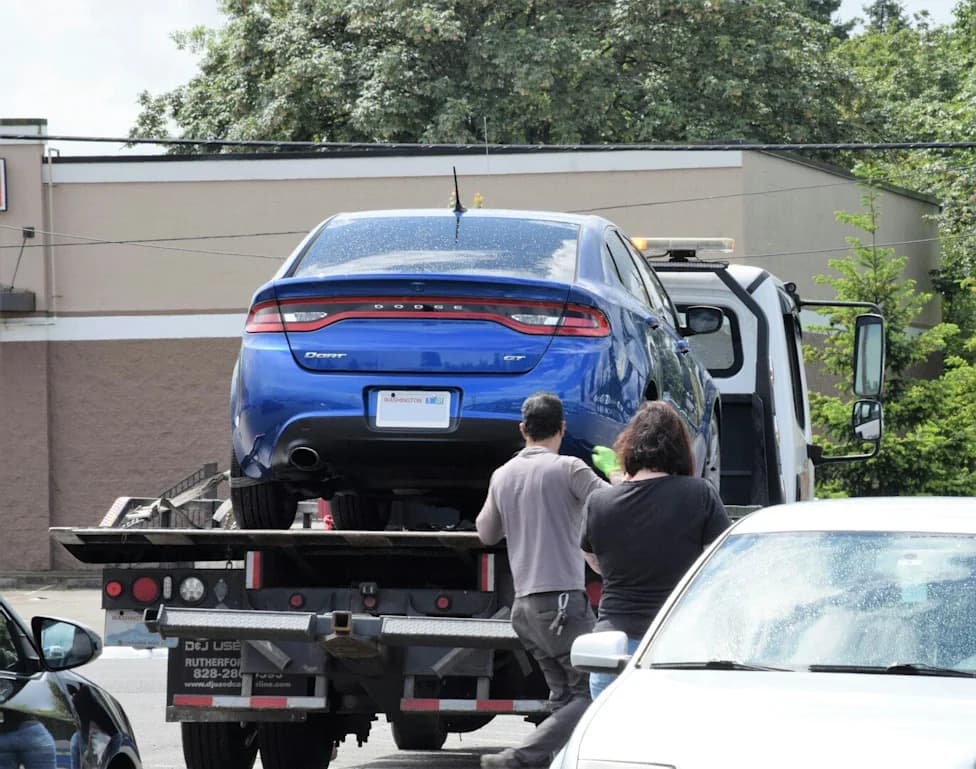
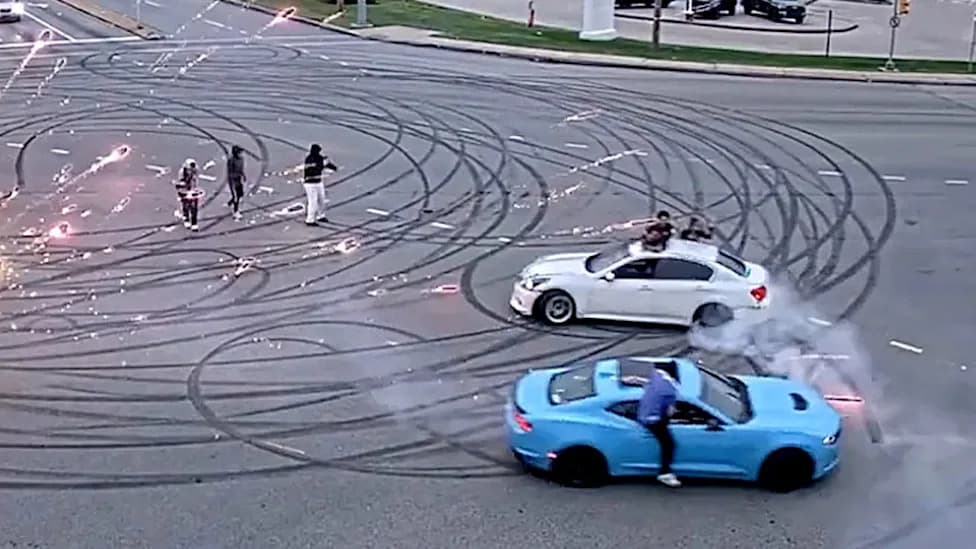
Over Labor Day weekend, more than 150 Los Angeles Police Department officers, backed by the California Highway Patrol and the Los Angeles County Sheriff’s Department, executed a coordinated enforcement action the LAPD called Operation Street Sweeper in the Harbor Gateway neighborhood. Using drone surveillance and pre-operation intelligence, officers tracked four separately planned takeover gatherings that ultimately merged into a single mass event at Figueroa Street and Alondra Boulevard, where roughly 700 people had gathered to block the intersection and perform burnouts and donuts.
By the end of the operation police reported 69 arrests, about 570 citations, recovery of seven firearms and the impoundment of roughly 200 vehicles. Children found at the scene were taken to a nearby station so parents could retrieve them.
Not Just Bigger Tactics — A Different Legal Regime
At first glance, the sweep looks like a story of more officers, more drones and better planning. But the real reason a 200-car impound was possible is legal: on January 1, 2025, Governor Gavin Newsom signed four Assembly bills that substantially expanded officers’ authority to seize and hold vehicles connected to street takeovers and sideshows.
What the Laws Changed
- AB 3085 — Created warrant-based authority to seize and impound vehicles used in a speed contest or exhibition (including aiding or abetting) and allowed impound notices to be served electronically.
- AB 1978 — Authorized officers to impound a vehicle when an owner is cited or arrested for blocking a roadway or placing a barricade to facilitate a takeover, even if the registered owner is not taken into custody.
- AB 2186 — Extended impound authority to speed exhibitions staged in off-street parking facilities, closing a loophole that pushed some gatherings off public streets.
- AB 2807 — Defined a "sideshow" and a "street takeover" as the same event for statutory purposes, removing a defense argument over which law applied.
How Impounds Punish Beyond Criminal Courts
California’s underlying impound statute, Vehicle Code Section 23109.2, allows a vehicle to be held for up to 30 days and guarantees the registered owner a storage hearing to contest the hold. Exceptions that permit an early return are narrow: the vehicle was stolen, the driver had no permission to use it, the registered owner was unaware of the vehicle’s misuse, or charges are dismissed. If none apply, the car stays in a tow yard for the full 30 days regardless of how the criminal case resolves.
That 30-day hold is where much of the punitive effect takes place. Towing and storage fees accrue daily under California’s civil lien statutes, and if an owner cannot or will not pay the accumulated costs once the statutory hold expires, a tow yard may sell the vehicle in an "alien sale" to recover expenses — no criminal conviction required. For high-value race cars this is an expensive disruption; for older Civics and Chargers (the types of cars commonly seen at takeovers), a month of storage fees can exceed the car’s resale value. Insurance policies frequently exclude impound and storage charges tied to illegal racing or exhibition driving, so an unpaid invoice can effectively strip an owner of their car.
Statewide Enforcement And The New Playbook
Los Angeles is not acting alone. The California Highway Patrol has run parallel campaigns for years, initially supported by $5.5 million in state funding — which the agency credits with a roughly 40% drop in sideshow incidents between 2021 and 2022 — and more recently by a $2 million federal grant for the Sideshow, Takeover, Racing, Education, and Enforcement Taskforce. In the Bay Area, CHP operations since a February crackdown began have produced more than 1,100 arrests, the seizure of over 100 illegal firearms and the recovery of more than 2,000 stolen vehicles.
Lawmakers and law enforcement officials have been explicit: attending or facilitating a sideshow risks the loss of your vehicle. That is no rhetorical warning — it is now part of current statute and enforcement practice.
Surveillance, Social Media And Organized Takeovers
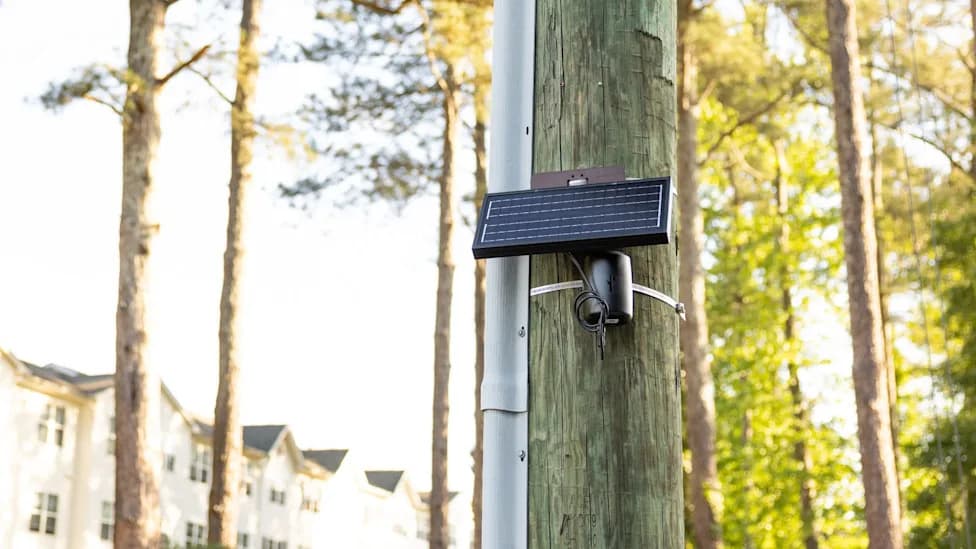
The structure of Operation Street Sweeper — drone-led coordination and identification of multiple planned locations — highlights a broader change: many modern takeovers are organized, often via social media, rather than spontaneous gatherings. Police responses have shifted from random patrols to intelligence-driven, surveillance-backed operations similar to those used against organized retail-theft rings. As the sideshow phenomenon has scaled up, so has the enforcement playbook.
Forget the spectacle of 200 impounded vehicles. The bigger story is the quiet legal shift that made such a sweep possible — and the financial consequences that now fall largely outside the courtroom.
Operation Street Sweeper illustrates how legislation, civil liens and modern policing tactics combine to make vehicle impounds a central tool in combating street takeovers. The cost of attending or being present at a sideshow is increasingly set by a tow yard’s daily rates and by the laws lawmakers enacted to make those rates meaningful.
Help us improve.