The late-night street takeover near Greenville on Sept. 5 led to more than 80 arrests, but the most consequential result may be the seizure of 38 vehicles under South Carolina's new Roadway Protection and Safety Act. The law—which took effect after a near-unanimous legislative vote—criminalizes participants, organizers and even spectators, and allows immediate vehicle seizure with possible permanent title transfer if fees aren’t paid. Ten firearms were also recovered, underscoring the public-safety risk of such gatherings.
Greenville Street Takeover: 80+ Arrested — 38 Cars Now At Risk Of Forfeiture
South Carolina Arrested 80 People At A Street Takeover — But The Real Punishment Is What Happens To Their Cars
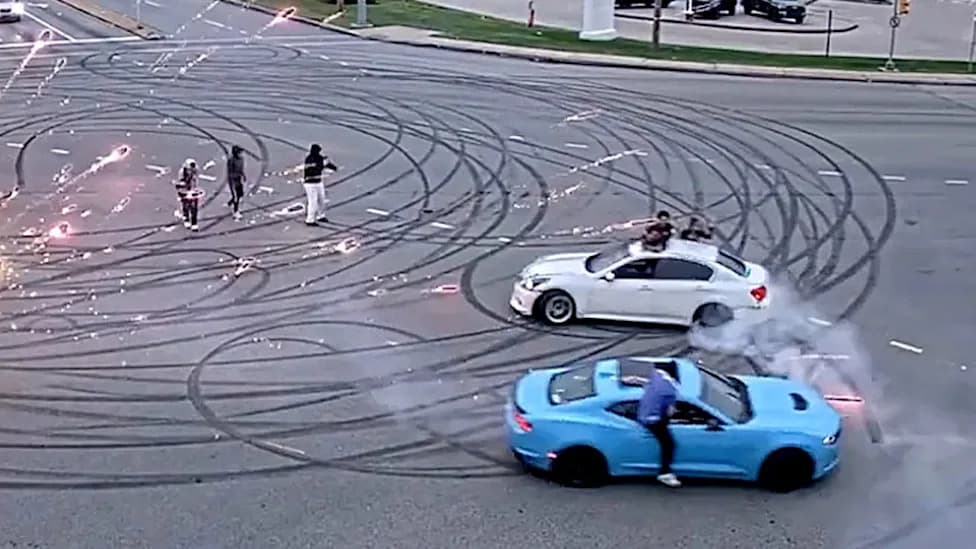
More than 80 people — 80 adults and an unknown number of juveniles — were arrested after a late-night street takeover near Greenville, South Carolina, where a crowd gathered at a stoplight to watch a vehicle spin donuts inside a ring of onlookers. While headlines emphasized the mass arrests, the more consequential outcome may be the seizure and potential forfeiture of dozens of vehicles under a new state law that expands liability to spectators.
What Happened
The Greenville County Sheriff’s Office says the takeover occurred just before midnight on September 5 at the intersection of Locust Hill Road and Fairview Road, a lighted crossroads near a church, daycare and cemetery. Deputies released video showing a white car performing donuts inside a circle of people, tire smoke billowing and at least one person standing inside the ring as the vehicle spun.
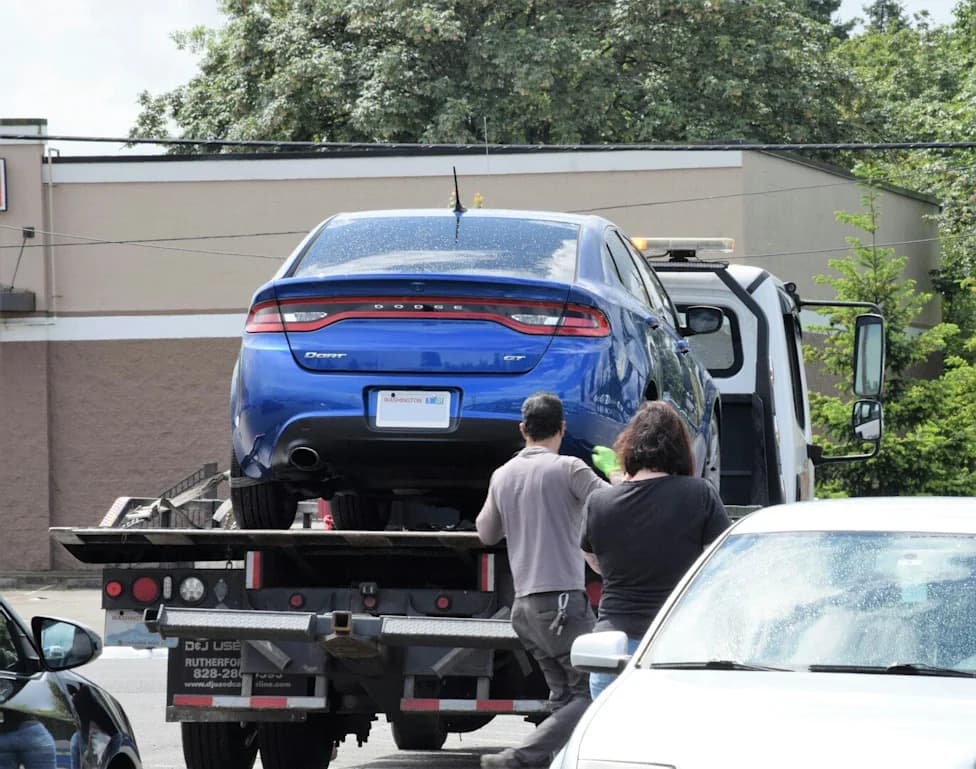
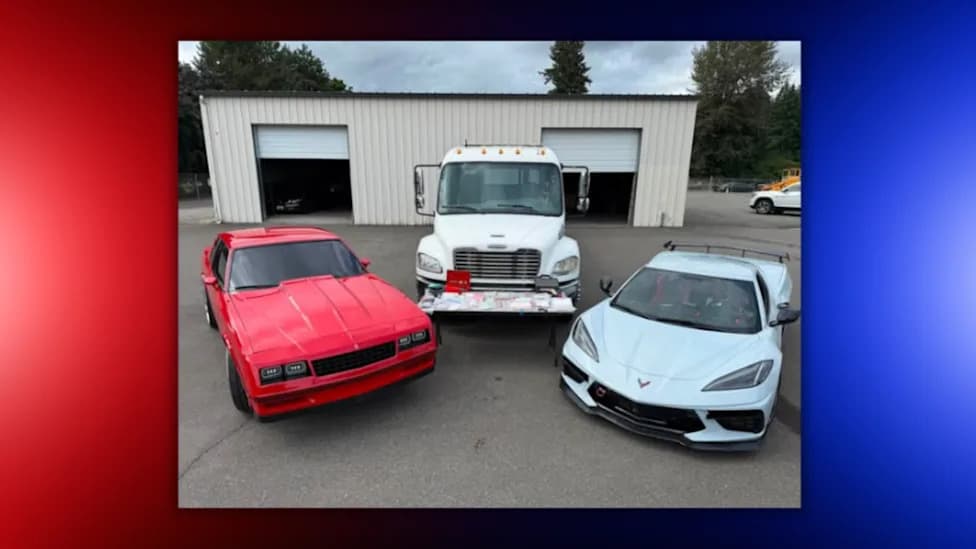
When deputies finished processing the scene they reported more than 80 arrests, 38 vehicles impounded and 10 firearms recovered. The presence of firearms turns what might be described as reckless car culture into a clear public-safety incident: weapons in a dense crowd dramatically increase the risk to bystanders and first responders.
The Law Behind The Seizures
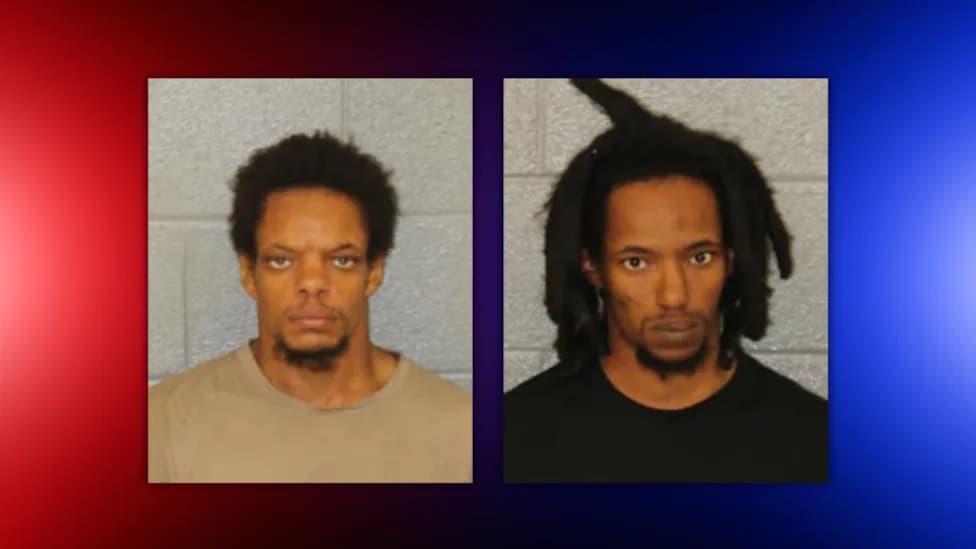
All those arrested were charged with aiding and abetting a street takeover, a crime created in South Carolina this spring. The Roadway Protection and Safety Act was signed into law on May 15; the legislature approved it overwhelmingly (109-1 in the House, 46-0 in the Senate), signaling bipartisan impatience with dangerous takeovers.
The statute creates three offender tiers: participant, organizer and aider or abettor. Penalties differ by tier—drivers and organizers face up to one year in jail and a $500 fine for a first offense, while those charged as aiders or abettors face a maximum of 30 days and a $100 fine. Many people arrested in Greenville fall into the latter category and, by the letter of the law, were closer in culpability to spectators than to street racers.
Why The Vehicles Matter Most
Fines and short jail terms are one thing; the statute’s bigger leverage is asset forfeiture. Any vehicle used by a participant, organizer or aider and abettor can be seized immediately at the scene. Owners receive 10 days' notice and then have 30 days to pay towing and storage fees; if they do not, title may transfer permanently to the seizing agency. That agency can add the vehicle to its fleet or sell it to "fund law enforcement activities" with the proceeds.
This mechanism has real consequences for everyday arrangements: parents who lend cars to teenagers, friends who borrow a vehicle, or relatives who share transportation. Insurance policies frequently exclude coverage for vehicles seized or damaged while involved in illegal activity, and a forfeiture-driven title transfer is an outcome insurers do not typically make whole. If a car is financed, the lender will be notified but may still need to pay to retrieve collateral. In short, ownership — not who was driving — can determine who loses a vehicle.
Broader Context
South Carolina is part of a national trend: cities and states have this summer moved to criminalize street takeovers and expand liability to bystanders. Prosecutors in other states, including Florida, have examined how far spectator culpability can reach after deadly incidents where drivers and onlookers filmed races. Lawmakers are attempting to deter dangerous gatherings by making attendance itself legally risky.
None of this diminishes the danger of the Greenville scene or the alarm raised by ten recovered firearms. But for many involved, the most immediate loss will not be jail time—it will be a vehicle that may become county property within 30 days if fees are not paid. You did not have to grab the wheel to lose a car in Greenville; in many cases, you only had to show up.
Key fact: 38 vehicles are currently impounded and may transfer to county ownership if towing and storage fees are not paid within the statutory timeframe.
Help us improve.