Overview: Since October 7, Israeli public opinion has shifted right on religion, security and settlements, yet the governing right-wing parties are losing support. An estimated 15–25 Knesset mandates' worth of right-leaning voters are uncommitted. Key drivers include dissatisfaction with Likud's list, the coalition's dependence on haredi parties, and frustration over perceived failures on security and domestic issues. The outcome could hinge on whether voters rally behind existing lists, centrist challengers who adopt rightward messages, or a new right-wing party.
Rightward Shift, Right-Wing Drift: Why 15–25 Knesset Seats Are Up For Grabs

Israeli Prime Minister Benjamin Netanyahu with National Security Minister Itamar Ben Gvir during a 40 signatures debate, at the plenum hall of the Knesset, the Israeli parliament in Jerusalem, on November 10, 2025. (photo credit: YONATAN SINDEL/FLASH90)
Israel's electorate has moved decisively to the right since the October 7 attacks, but the parties that claim to represent that shift are losing ground. An estimated 15–25 Knesset mandates' worth of right-leaning voters are currently politically unaligned — a swing large enough to determine the next government.
Party pollsters and strategists across the spectrum report the same tension: voters now favor stronger positions on Jewish tradition, tougher security measures, and continued settlement in Judea and Samaria, yet the governing right-wing bloc (principally Likud, the Religious Zionist Party and Otzma Yehudit) is weakening. That gap has prompted intense internal polling and targeted campaign messaging as the election season begins.

Defense Minister Israel Katz, government ministers and members of Knesset attend a plenum session and a vote on a bill to freeze arrests of haredi draft evaders at the assembly hall of the Knesset, the Israeli parliament in Jerusalem, July 14, 2026. (credit: CHAIM GOLDBERG/FLASH90)
Why Right-Wing Voters Are Hesitant
Research by multiple campaign teams points to several clear drivers of voter doubt:
- Likud's List Composition: Many conservative voters dislike the current Likud slate and worry it does not reflect their priorities.
- Reliance on Haredi Parties: Dependence on Shas and United Torah Judaism, and perceived concessions to them, alienates voters who want tough moves on military recruitment and civil issues.
- Accountability Gaps: Anger persists over the government's perceived failure to prevent the October 7 massacre, frustration about cost-of-living issues, and disappointment with stalled judicial reform.
How Opponents Are Responding
Opposition and centrist figures — including lists associated with Gadi Eisenkot, Naftali Bennett, Avigdor Liberman and Benny Gantz — are trying to capture disaffected right-leaning voters. Their campaigns emphasize security and territorial firmness and promise measures such as large-scale haredi recruitment into the IDF. But they face a credibility problem on religious and traditional issues: past positions and alliances (for example, Bennett's partnership with Yair Lapid, and Eisenkot's earlier support for withdrawals) make it hard to convince conservative voters that they represent authentic, lasting change.

Benjamin and Sara Netanyahu at a memorial dinner for late Republican senator Lindsey Graham, July 28, 2026. (credit: MAAYAN TOAF/GPO)
The Third Option: A New Right-Wing Alternative
With existing parties failing to unite these voters, a new right-wing party is emerging as a plausible solution. To succeed it would need credible figures who were outside the political system on October 7, a convincing stance on haredi recruitment, and a clear commitment to join a right-led government rather than splintering the bloc. Prime Minister Benjamin Netanyahu sees the potential upside — but worries about the high electoral threshold and wasted mandates, and about whether any newcomer would reliably join his coalition.
Netanyahu's Internal Strategy
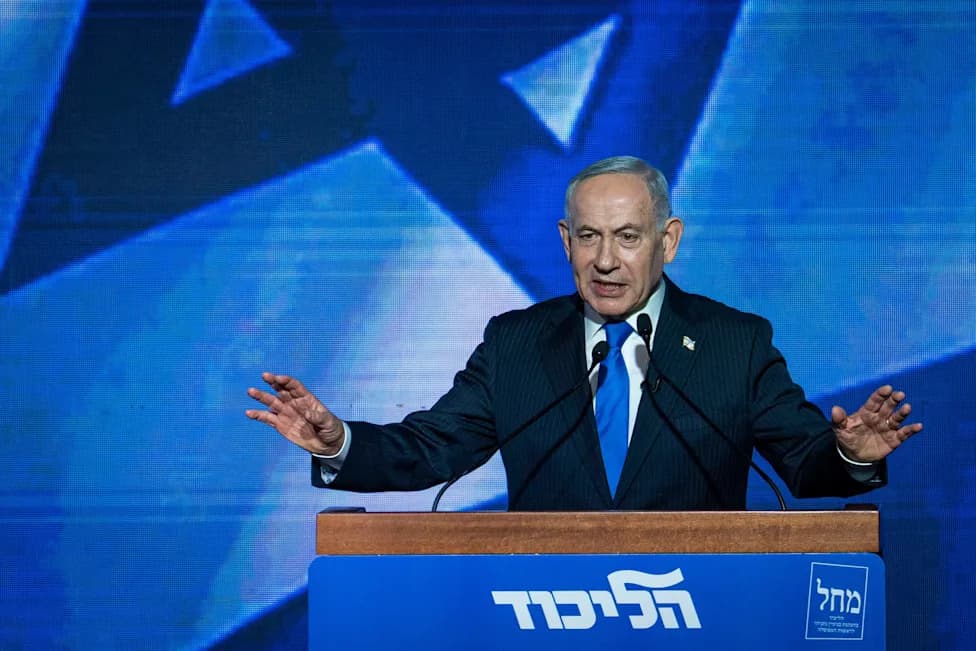
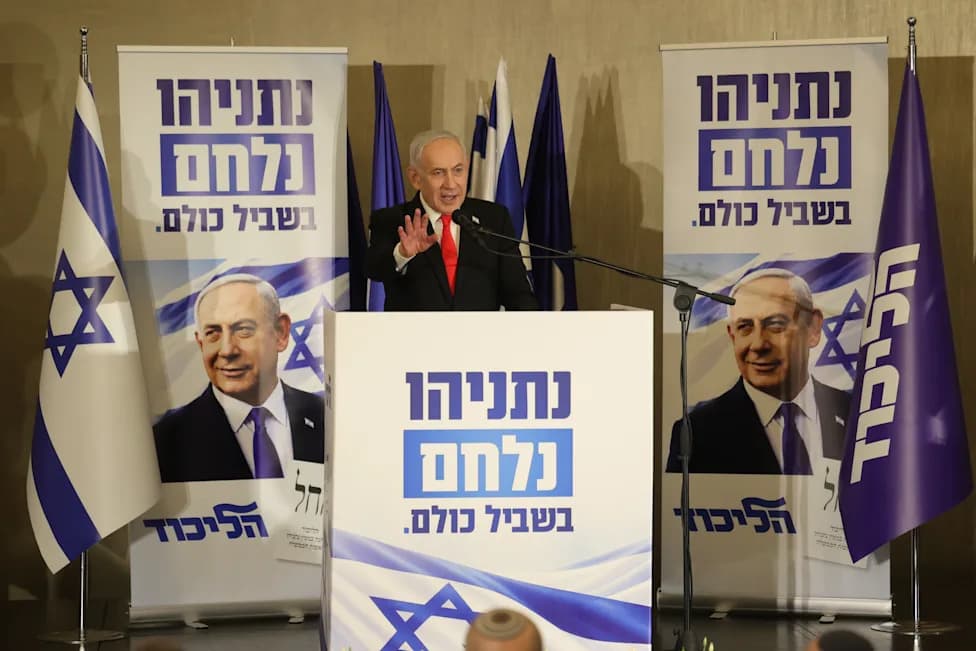
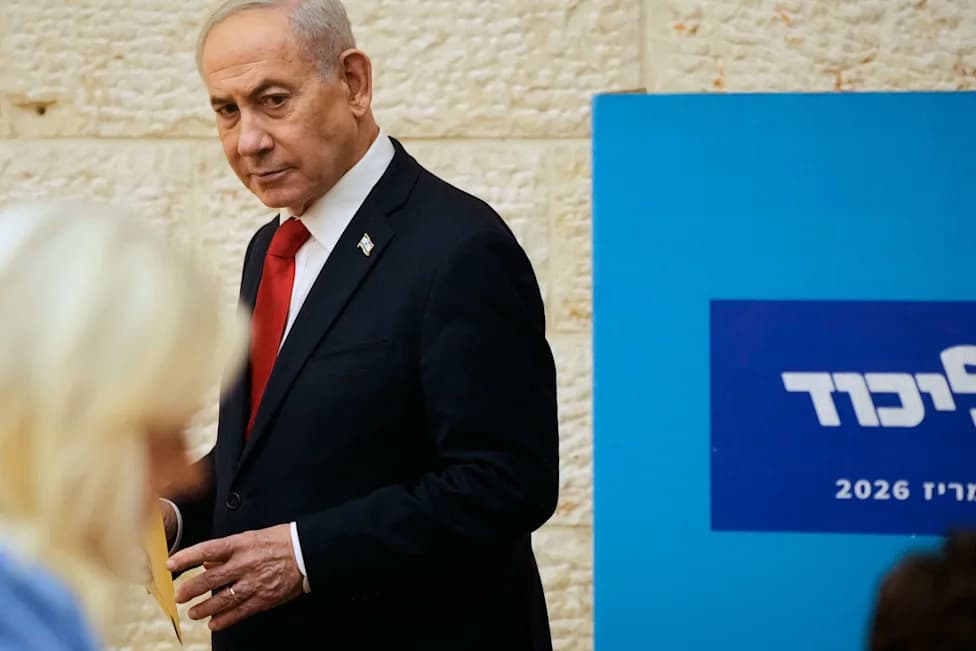
Netanyahu has moved to tighten his control of Likud ahead of the primaries, securing eight reserved slots on the party list and changes to primary rules that increase his leverage. He has also used internal maneuvering to weaken potential rival alliances within the party, underscoring his near-total focus on both the national security agenda and the composition of the party ticket.
Notable Figures And Fault Lines
Candidates such as Itamar Ben-Gvir retain distinct constituencies (including some haredi support), while others — Gilad Erdan and Yuli Edelstein — could complicate the map by running independently and refusing to coordinate with Likud. Ofer Winter has been identified as a credible hawkish alternative: a security figure who combines strong right-wing credentials with a clear stance supporting haredi enlistment.
The coming weeks will test whether right-leaning voters coalesce around existing parties, gravitate toward centrist challengers who successfully rebrand themselves, or consolidate behind new entrants that promise both security toughness and cultural credibility. The winner will decide not just who leads the next government, but whether Israel's postwar rightward shift translates into a cohesive parliamentary majority.
Bottom line: A meaningful portion of the pro-right electorate is politically homeless. How these voters align — return to existing parties, transfer allegiance to centrist lists that adopt rightward stances, or back a new right-wing party — will determine the balance of power after the election.
Help us improve.