Darline Graham, appointed to fill her brother Lindsey Graham's Senate seat after his death, is competing in a crowded South Carolina Republican primary while confronting doubts about her statewide experience. Backed by President Trump and the NRSC, she has spent much of the campaign performing Senate duties in Washington, which supporters praise but critics say limited her voter outreach. Major opponents include Representatives Russell Fry and Ralph Norman and former Gov. Mark Sanford, making an Aug. 25 runoff likely. Voters remain split over whether her interim service and state government background are enough for a six-year term.
Darline Graham’s Senate Bid: Name Recognition Versus Questions About Experience Ahead Of SC Primary
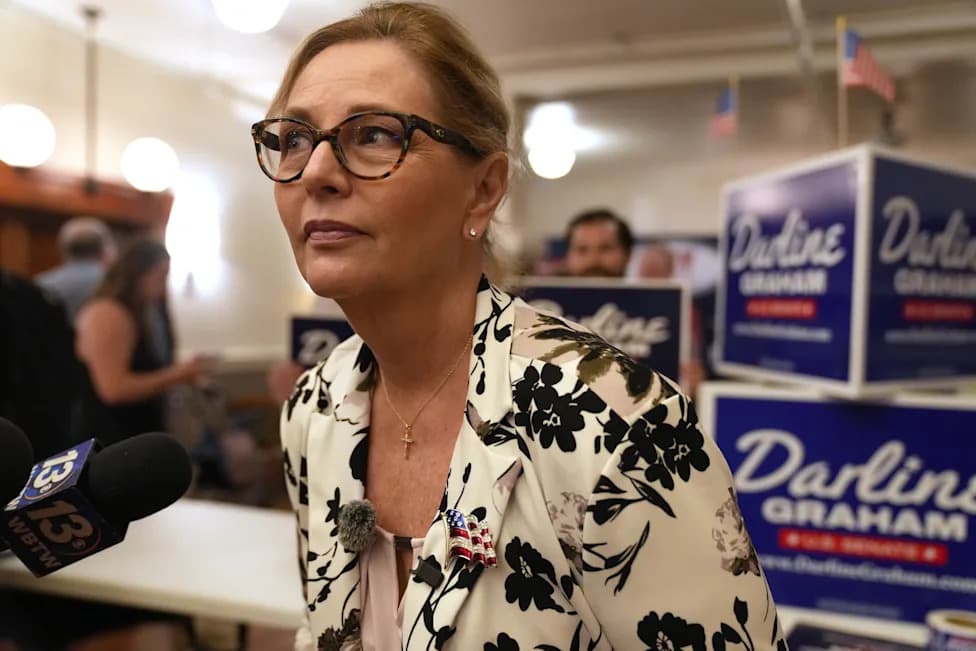
Sen. Darline Graham, R-S.C., leans over to hear a reporter's question following at a candidate event for hopefuls vying in a special Republican primary to replace her late brother Sen. Lindsey Graham, R-S.C., on November ballots, Saturday, Aug. 8, 2026, in Florence, S.C. (AP Photo/Meg Kinnard)(AP Photo/Meg Kinnard)
Darline Graham, who was appointed last month to fill the U.S. Senate seat of her late brother, Sen. Lindsey Graham, is facing a skeptical electorate as she seeks to convert a high-profile appointment into a full six-year term in Tuesday's special Republican primary.
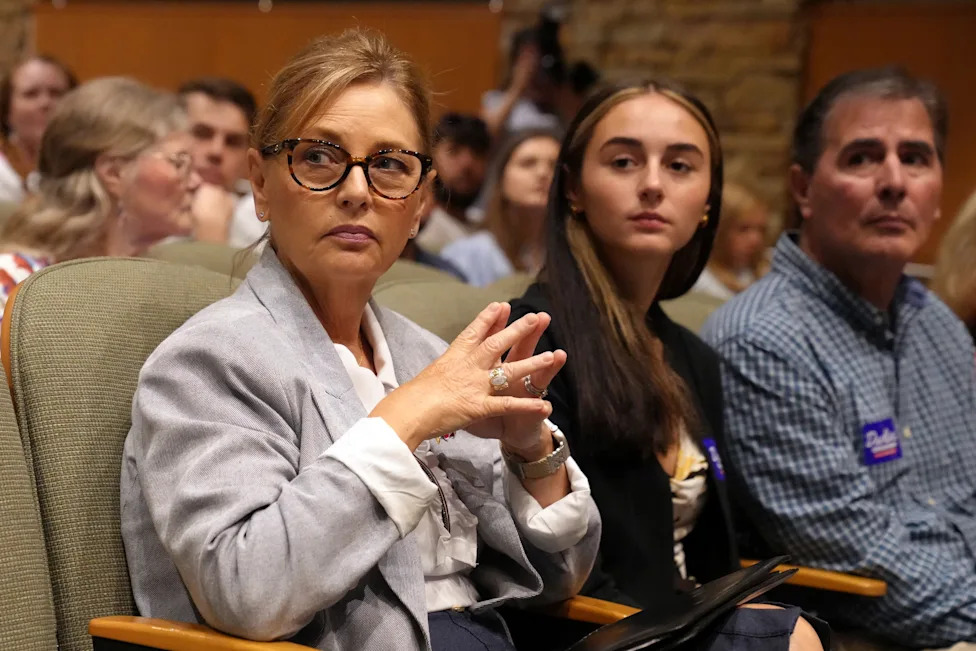
Sen. Darline Graham, R-S.C., from left, seated alongside daughter Nicole Nordone and husband Larry Nordone, looks on as a South Carolina Republican Senate candidate stump event gets underway ahead of the special GOP primary to replace her late brother, Sen. Lindsey Graham, R-S.C., Saturday, Aug. 1, 2026, in Lexington, S.C. (AP Photo/Meg Kinnard)(AP Photo/Meg Kinnard)
Campaign Inertia And High Expectations
Graham's appointment came after Lindsey Graham, who had been nominated for a fifth term, died from a tear in his aorta. While many South Carolina Republicans express personal warmth toward Darline Graham, voters are divided about whether her limited statewide profile and sparse in-state campaigning make her the right choice for a full Senate term.
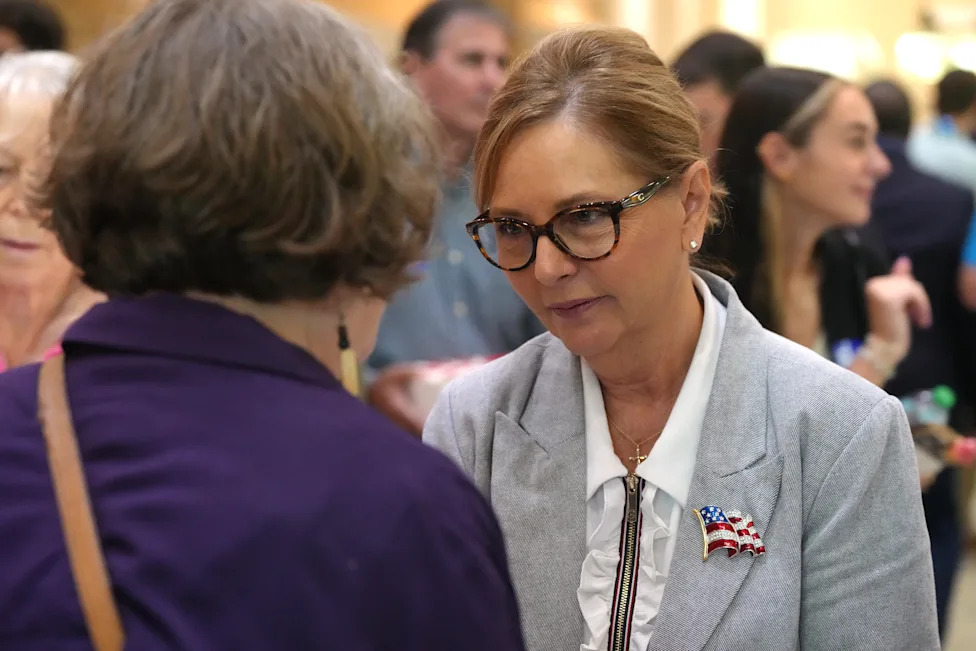
Sen. Darline Graham, R-S.C., speaks with voters following a Senate candidate stump event ahead of a special GOP primary to select a replacement for her late brother, Sen. Lindsey Graham, Saturday, Aug. 1, 2026, in Lexington, S.C. (AP Photo/Meg Kinnard)(AP Photo/Meg Kinnard)
Endorsements And The Washington Trade-Off
President Donald Trump has endorsed Graham, and the National Republican Senatorial Committee is supporting her with television advertising. But Graham has spent most of the campaign period in Washington performing Senate duties as an interim senator, a choice that has both earned praise for keeping votes and invited criticism for limiting face-to-face time with voters during a frenetic campaign sprint.
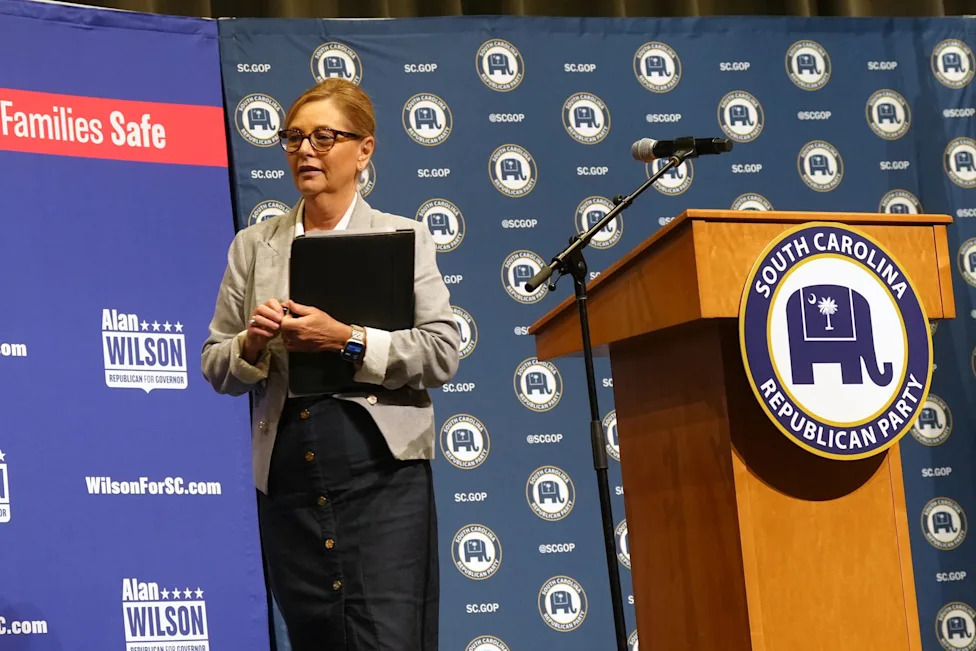
Sen. Darline Graham, R-S.C., leaves the stage after speaking at a South Carolina Republican Senate candidate stump event ahead of the special GOP primary to replace her late brother, Sen. Lindsey Graham, R-S.C., Saturday, Aug. 1, 2026, in Lexington, S.C. (AP Photo/Meg Kinnard)(AP Photo/Meg Kinnard)
Crowded Field And Runoff Odds
She is competing in a crowded Republican field that includes U.S. Representatives Russell Fry and Ralph Norman and former Gov. Mark Sanford. With several prominent contenders in the race, a runoff on Aug. 25 is considered likely.
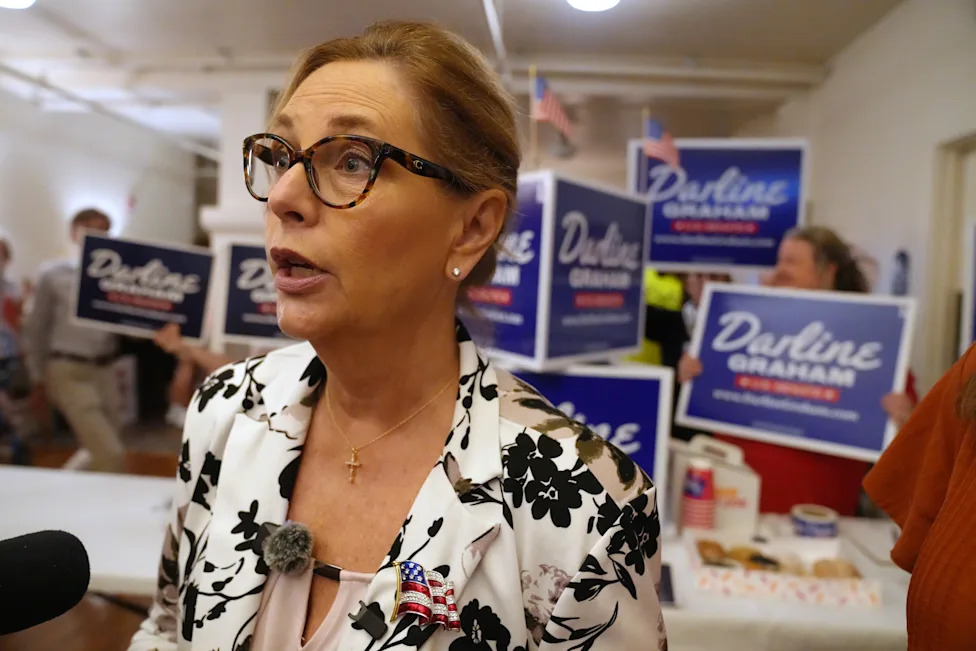
Sen. Darline Graham, R-S.C., speaks with reporters following at a candidate event for hopefuls vying in a special Republican primary to replace her late brother Sen. Lindsey Graham, R-S.C., on November ballots, Saturday, Aug. 8, 2026, in Florence, S.C. (AP Photo/Meg Kinnard)(AP Photo/Meg Kinnard)
Voter Views And Public Appearances
At campaign forums and club meetings, supporters and skeptics have voiced contrasting views. Some, like Teresa Castrinos of Bluffton, praised Graham's decision to remain in Washington to avoid missing votes and to put South Carolina's interests first. Others, including voters who back Sanford, said they respect her interim service but doubt she has sufficient statewide political experience for a six-year term.
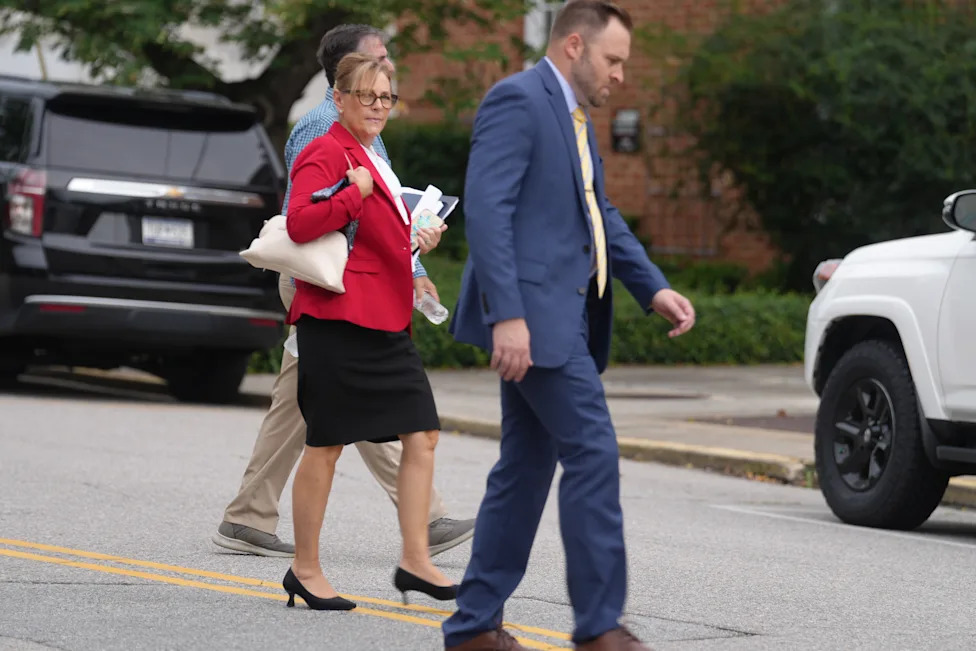
Sen. Darline Graham, R-S.C., walks across a street to a television studio for a debate with four other Republicans competing in a special Senate primary to replace her brother, Sen. Lindsey Graham, R-S.C., on Monday, Aug. 3, 2026, in Columbia, S.C. (AP Photo/Meg Kinnard)(AP Photo/Meg Kinnard)
"I think Darline's wonderful," said Kathy Bustos of Mount Pleasant. "But I'm not sure that she's really qualified or ready to be elected to the Senate."
Background And Style
Unlike her nationally known brother, Darline Graham has led a lower-profile life in Lexington with her husband and daughters. She has worked in state government for years, including advocacy for people with disabilities and serving as head of the South Carolina Commission for the Blind. On the campaign trail she has been measured and reserved compared with Lindsey Graham's gregarious public presence.
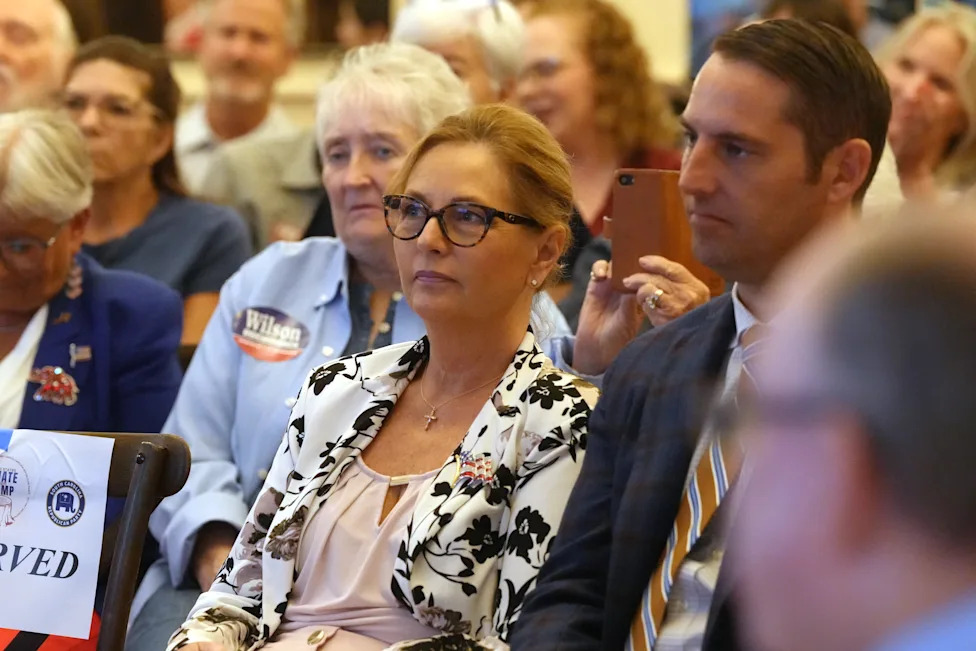
Sen. Darline Graham, R-S.C., center, waits for her turn to speak at a candidate event for hopefuls vying in a special Republican primary to replace her late brother Sen. Lindsey Graham, R-S.C., on November ballots, Saturday, Aug. 8, 2026, in Florence, S.C. (AP Photo/Meg Kinnard)(AP Photo/Meg Kinnard)
Debates, Media And Policy Positions
Graham took part in one of two televised debates, where she expressed support for President Trump's proposal to alter filibuster rules to ease passage of strict proof-of-citizenship voting legislation. After that debate she declined to remain for the post-debate media scrum and instead offered only brief gestures to assembled reporters. She has granted interviews to local outlets and appeared with national conservative media personalities.
Her Pitch And The Central Question
Graham tells voters she is learning quickly in the interim role and stresses her commitment to perform Senate duties when the chamber is in session. "Trust me, I have learned a lot already, so I think I have experience," she said in a recent informal gaggle with reporters. The central question for many voters is whether interim service and state government experience are enough to justify electing her to a six-year term.
With the primary approaching, Republicans in South Carolina must weigh name recognition, loyalty and continuity against demands for seasoned, campaign-tested leadership in the coming years.
Help us improve.