Andy Burnham has pledged the largest council-housebuilding programme since the postwar era to tackle a national social-housing shortfall. But delivering tens of thousands of quality social homes faces steep obstacles: soaring construction costs, limited council capacity, workforce shortages, planning constraints and past failures and corruption. Case studies from Newham, Woking, Croydon and others show the urgency—and the complexity—of scaling up. Without clear priorities, robust funding and rebuilt delivery capability, the ambition risks being costly and chaotic.
Burnham’s Council-Housing Ambition: Can a Postwar-Scale Building Programme Avoid Becoming a £47bn Disaster?
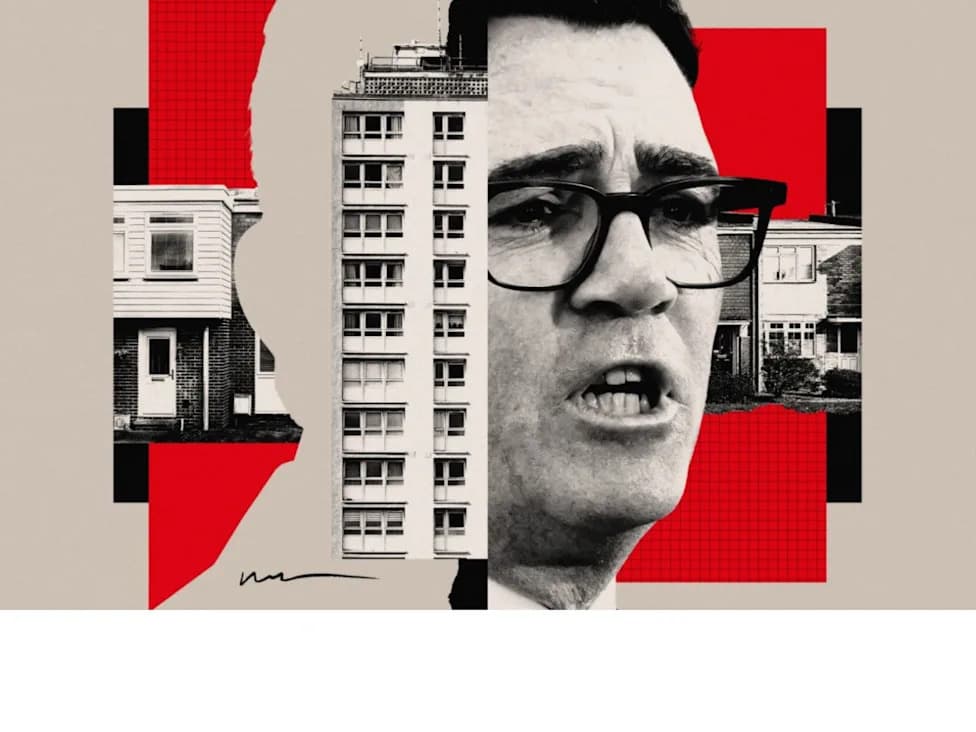
ANDY BURNHAM COUNCIL HOUSES
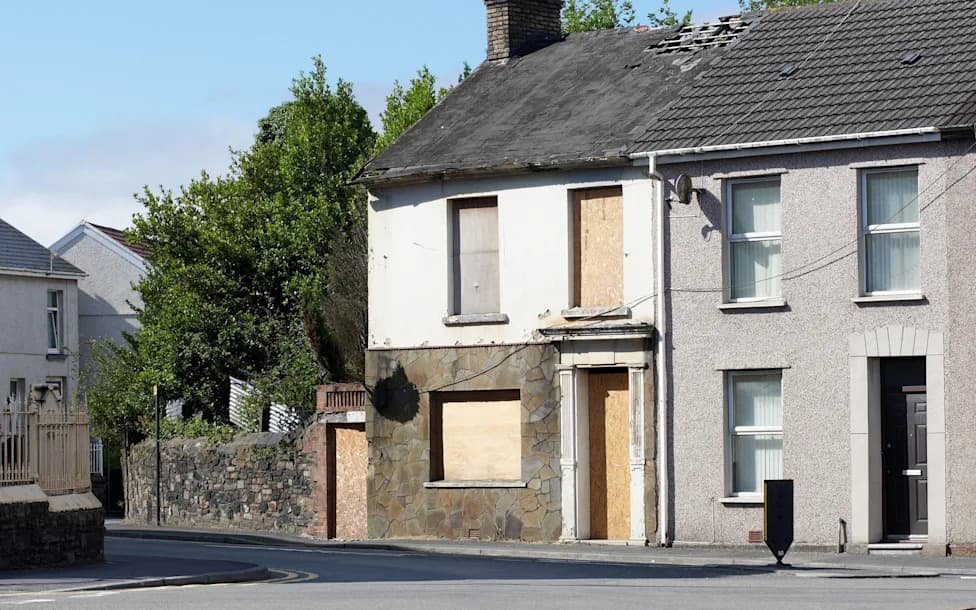
On a Wednesday morning in Newham, east London, the Carpenters Estate looks far from inviting. Once a lively local hub, the estate’s tower blocks have become near-derelict after a quarter-century of stalled redevelopment plans. Many flats are now uninhabitable because of flooding, structural faults and persistent damp.
Yet residents who are allowed back during the day still treat those flats as home. "We cook dinner in our flats, then we have to spend the night in a Travelodge," says Warren Lubin, a resident since the 1990s. He adds that the council moved people out in November 2025 because of structural risks but he sees little sign of repair work. "Sometimes if it rains hard enough, you'll have water running down the main stairs."
Tee Fabikun, 77 and the operator of a nearby food bank, reflects the same frustration: "I have lived here for 30 years; it is my community. I am not going to move to Southend-on-Sea at my age. I just want the council to find me a permanent new home."
Burnham’s Promise and the Central Questions
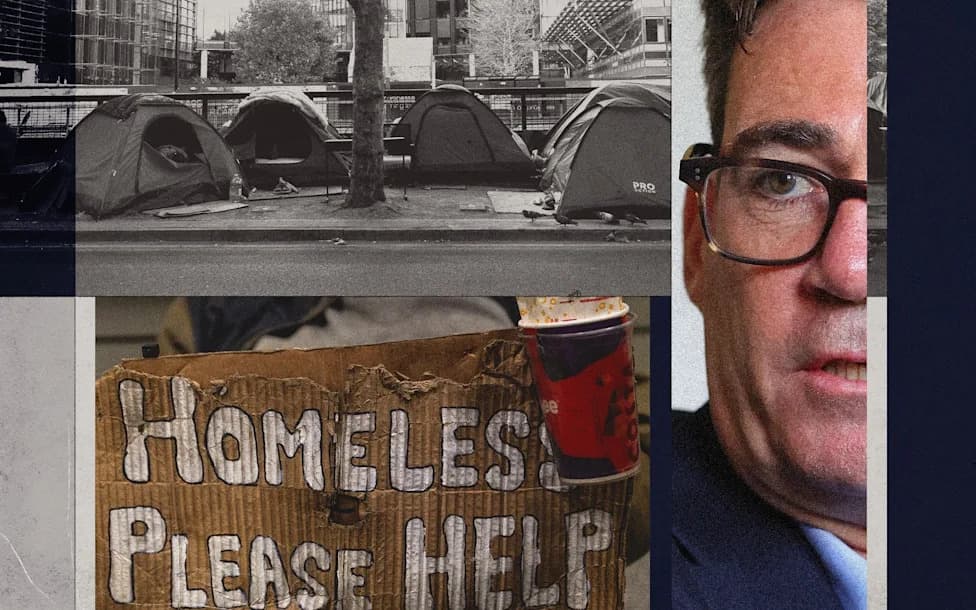
Prime Minister Andy Burnham has pledged to "oversee the biggest council housebuilding programme since the postwar period." In a June 29 speech, delivered before his unopposed Labour leadership victory, he linked the historical loss of about 1.5 million council homes to today’s swollen waiting lists for social housing. Estimates place the current national waiting list for social housing at roughly 1.3 million households.
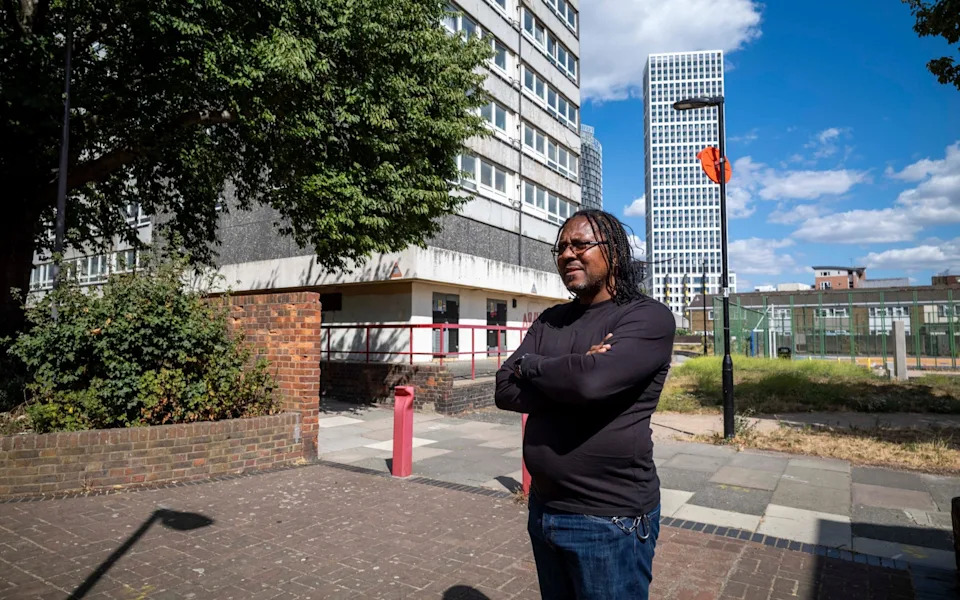
Residents like Warren Lubin just want a home to live in - Jeff Gilbert
That pledge tackles a real problem: high housing costs drain incomes, impede access to jobs and deepen regional inequality. But translating a rhetorical ambition into reliable, high-quality homes raises hard questions: what should council housing be in the 21st century, who should it serve, and how will it be paid for and delivered?
Practical and Political Barriers
History shows mass state building programmes can bring disputes, mismanagement and corruption. Across England, local authorities face legal snags, funding shortfalls, workforce shortages, planning delays and public resistance. Examples in recent years illustrate how fragile and complicated the delivery chain has become:
- Newham: More than 41,000 households on its waiting list (the longest in the country), 59 per 1,000 households in temporary accommodation and a 54% share of foreign nationals on its register. In the past decade the borough completed just 855 new council homes. In 2024 the Regulator of Social Housing awarded Newham its lowest grade for housing quality, citing "very serious health and safety issues."
- Woking (Sheerwater): A planned 1,142-home scheme stalled after the council declared bankruptcy in 2023.
- Croydon: A £68m write-off after the collapse of Brick by Brick, the council’s development vehicle.
- Lewisham: Spent £33m buying back homes previously sold under Right to Buy for far less.
- Southwick (East Sussex): Poor workmanship on a 49-flat development left the project requiring some £3m in repairs.
- Barking and Dagenham: A police probe warned that "hundreds" of council homes may have been fraudulently allocated by corrupt housing officers.
Allocation controversies and local tensions compound the delivery problem. The Conservatives proposed barring some foreign nationals from social-housing allocations — claiming it would free up an estimated 230,000 homes — and sparked a political row in which Labour dismissed the measure as impractical. Protests over asylum-seeker moves—such as the Dutton Close proposal in Shropshire and unrest in Thetford—show how fraught allocation decisions can become.
Costs, Capacity and Construction
Financial realism is a major obstacle. The Resolution Foundation estimates that building 300,000 homes for social rent would cost about £47bn. The Centre for Policy Studies notes that at roughly £250,000 per three-bedroom house, current funding levels would deliver only a fraction of target numbers. The Housing Forum highlights a direct mismatch between borrowing costs and social-rent income: borrowing to build can generate interest payments higher than the rental income councils could expect.
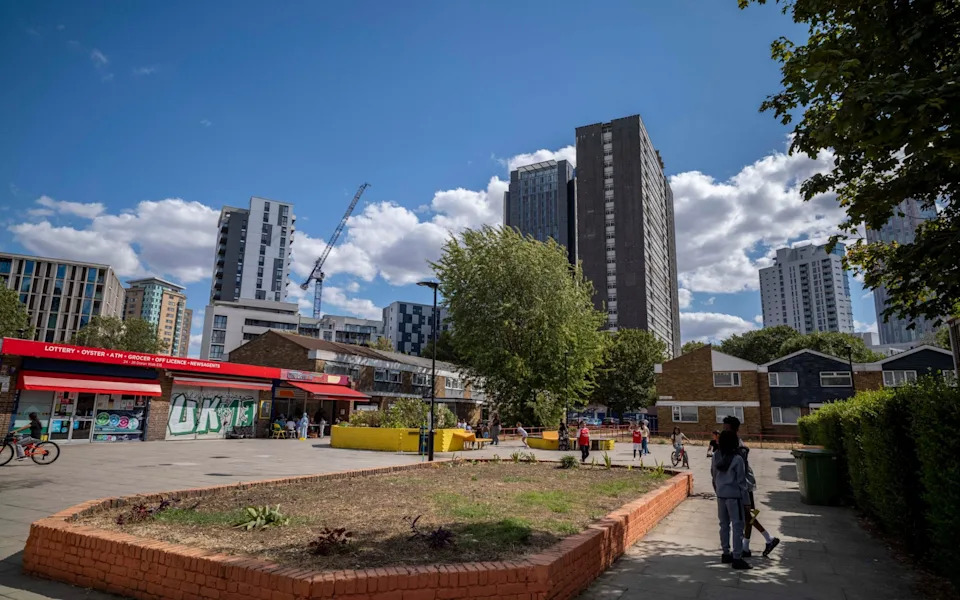
The Carpenters Estate is in need of a facelift - Jeff Gilbert
Capacity constraints are equally stark. Councils have lost much in-house building expertise since the postwar years; the construction sector faces a post-Brexit skills shortfall and an ageing workforce; and tighter safety rules and higher materials costs (exacerbated by geopolitical events) have raised expenses and delivery times. Experts argue councils must partner more effectively with the private sector and central government needs to treat housing as major infrastructure rather than a purely local responsibility.
Rebranding Social Housing
Council housing in Britain has increasingly become a residual safety net rather than a mainstream tenure, creating stigma that makes political consensus harder to secure. Academics point to other European models — the Netherlands, for example — where social housing serves a wide income range and carries less stigma. To win public support for an ambitious programme, Burnham will need to show council housing can be high-quality, energy-efficient and aspirational, not just a last resort.
"The most important challenge for Burnham is making council housing desirable again," says Professor Steve Schifferes, author of The Rise and Fall of Council Housing.
Signs of Progress — And How Far to Go
There are examples of better practice. Two Newham projects, Noele Gordon House and Plashet Road, won RIBA London awards in May for design and energy performance. Residents such as Nasrim Akther praise the quality and location of those developments. Architects and campaigners insist any large-scale programme must prioritise both quantity and long-term quality so homes endure for generations.
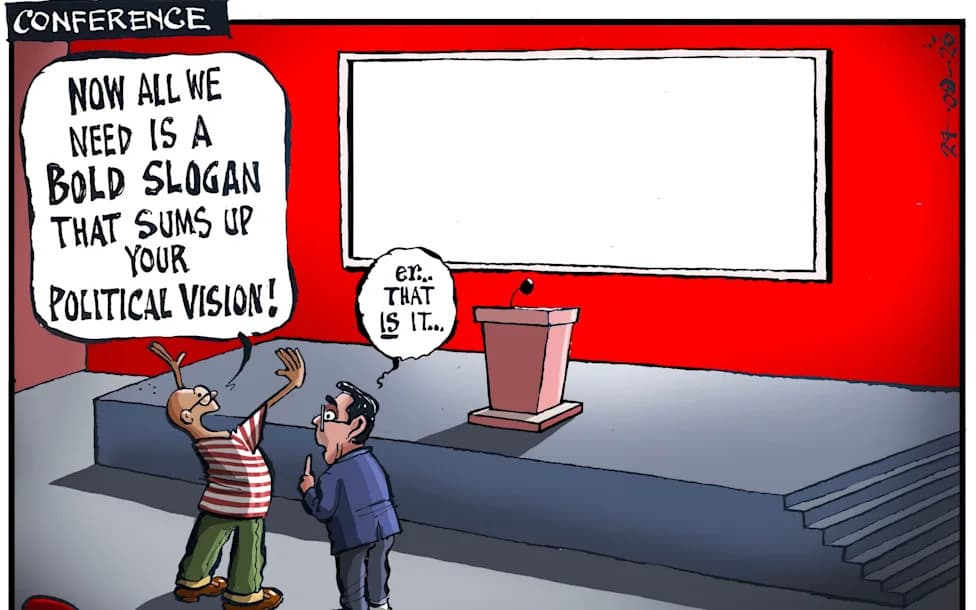
Burnham’s challenge is enormous: it requires rebuilding local delivery capacity, securing sustained funding, addressing the labour shortage, reforming allocation systems and winning public consent. Without clear targets for who council housing should serve and how it will be paid for and delivered, that ambitious vision risks becoming a costly, chaotic failure — or worse, a political liability.
For now, residents like Warren Lubin and Tee Fabikun ask a basic question: not just how many homes are built, but whether the people who depend on them will get decent, permanent places to sleep, cook and live.
Help us improve.