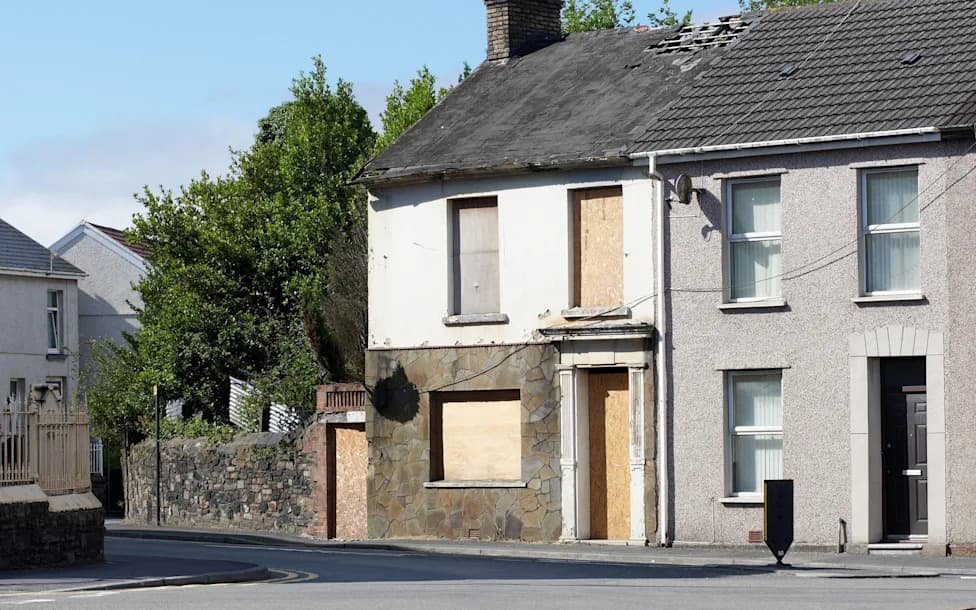
Ministers have proposed cutting the vacancy threshold for Empty Dwelling Management Orders (EDMOs) from two years to six months, a move designed to let councils take control of long-term empty homes and rent them out for up to seven years. New analysis suggests the initial cost of renovating England's empty properties could be substantial.
Estimated Costs
Telegraph analysis estimates refurbishment of a long-term vacant property averages around £25,000. Applied to an estimated 303,000 empty houses across England, that implies a combined upfront bill of roughly £7.6bn to bring them to a lettable standard.
How EDMOs Would Change Enforcement
Under the proposed changes to EDMOs, councils would no longer need to show evidence of problems such as anti-social behaviour before intervening. EDMOs apply to properties that are unoccupied and unfurnished (excluding second homes) and allow local authorities to manage and lease them for up to seven years.
Practical Barriers For Councils
Despite political support — including calls from senior Labour figures and endorsements that seizing long-term empty homes is a useful tool in the housing crisis — councils currently make little use of EDMOs and lack the infrastructure to scale up quickly. Ministry of Justice figures released in response to a parliamentary question in 2025 show no council has used an EDMO since 2021, and only 18 were issued between 2019 and 2024.
Around 40% of local authorities do not have a dedicated empty homes officer, leaving many councils without the staffing or processes needed to manage repossession, refurbishment and lettings at scale.
Voices From Campaigners And Analysts
Chris Bailey, director of policy at the Action on Empty Homes campaign, said:
"The vast majority don't need new roofs; they typically need rewiring, replacement bathrooms and kitchens, some insulation and maybe a new boiler."
He argues renovating empty homes is often far cheaper than building new units and that councils could recover costs through rental income while properties are managed.
But financial viability depends on local rental markets. David Phillips, head of local government finance at the Institute for Fiscal Studies, warned the low use of EDMOs points to broader problems beyond upfront expense:
"I'd expect it is the design of the system that is the challenge — maybe the legal costs are too high, or it is too inflexible, or some properties are simply uneconomic to make lettable."
A government spokesman said:
"These reforms do not create a new funding requirement for councils; they simply make it easier for councils to use existing enforcement powers."
Scaling up EDMOs would therefore require not only upfront capital for renovations but also stronger local capacity, clear legal frameworks and a realistic assessment of whether refurbishment costs can be recouped through rents in particular areas.