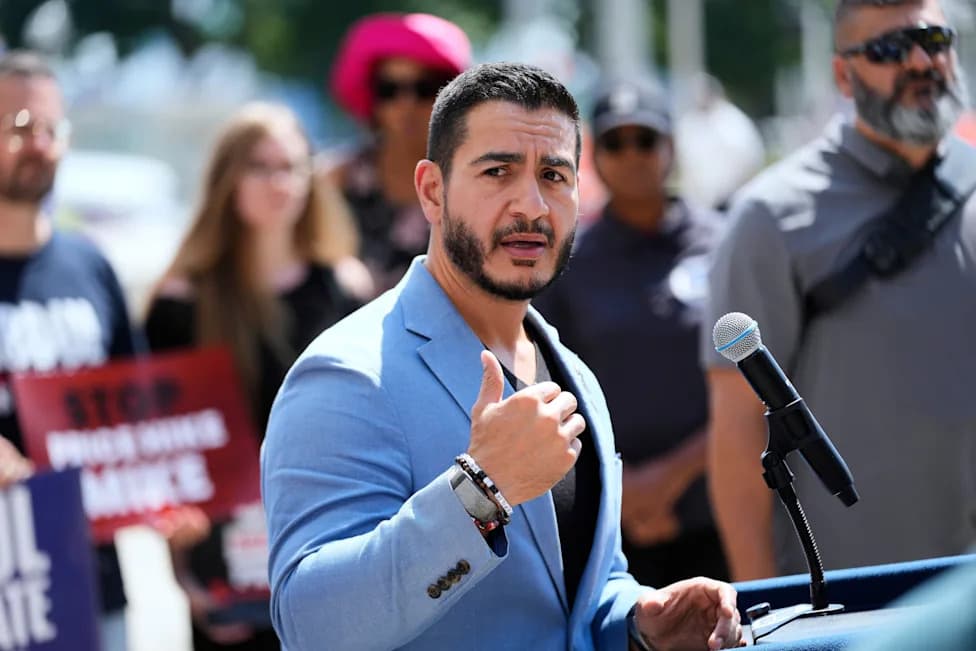
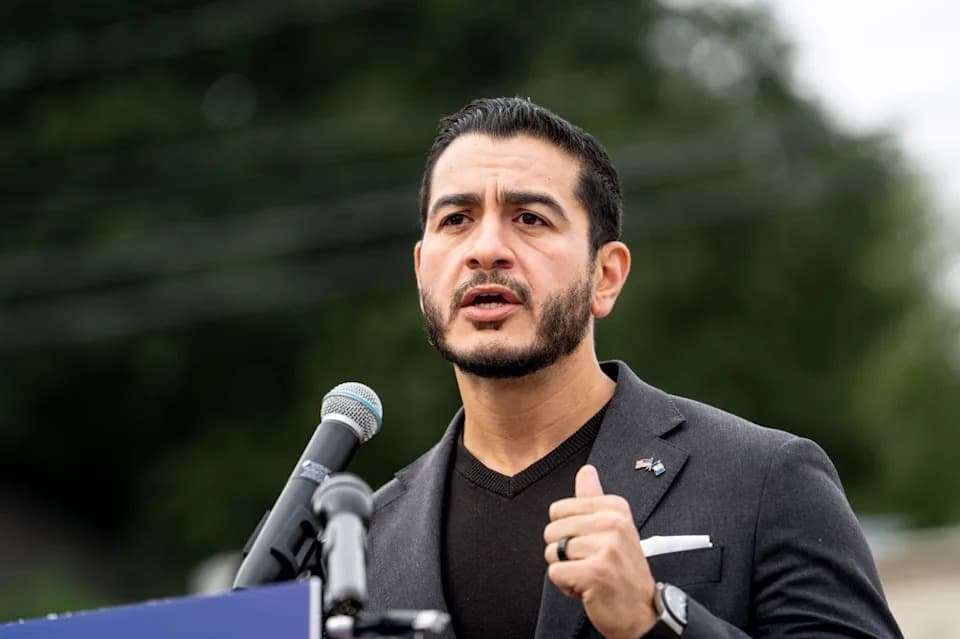
Michigan’s primary produced a surprise: Abdul El‑Sayed won the Democratic U.S. Senate nomination and will face Republican Mike Rogers. Polls and betting markets reacted by reducing Democratic win probabilities for the seat, reflecting concerns about electability and party unity. Because so few races will determine control of the Senate, Michigan’s result makes Democrats’ path to a majority noticeably harder. Down‑ballot, the 7th District became significantly more competitive while the governor’s race remains favorable to Democrats.
El‑Sayed’s Upset in Michigan Primary Tightens Path to Senate Control
Michigan Primary Results: How Abdul El-Sayed’s Nomination Impacts U.S. Senate Control Odds
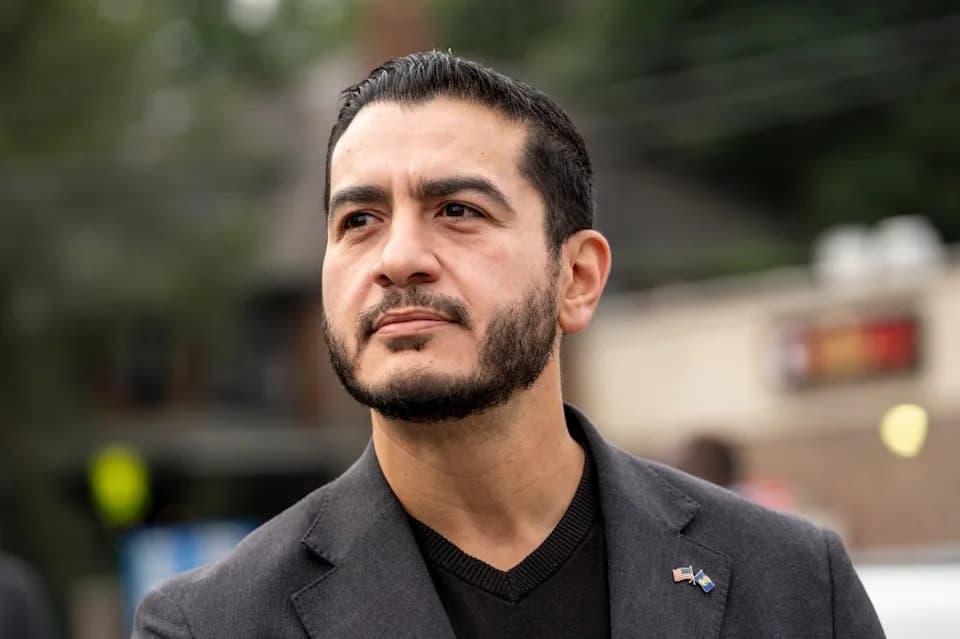
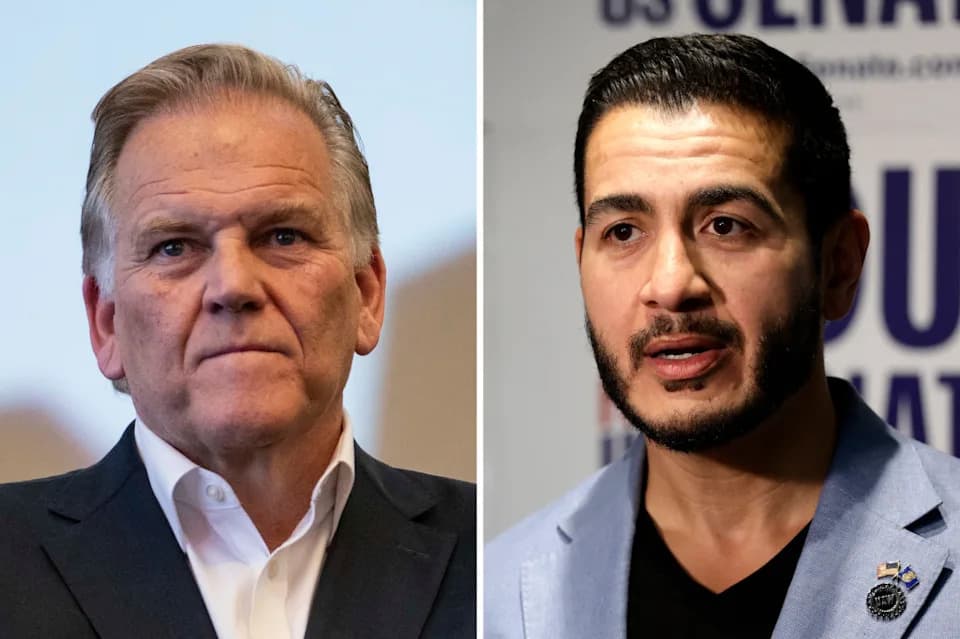
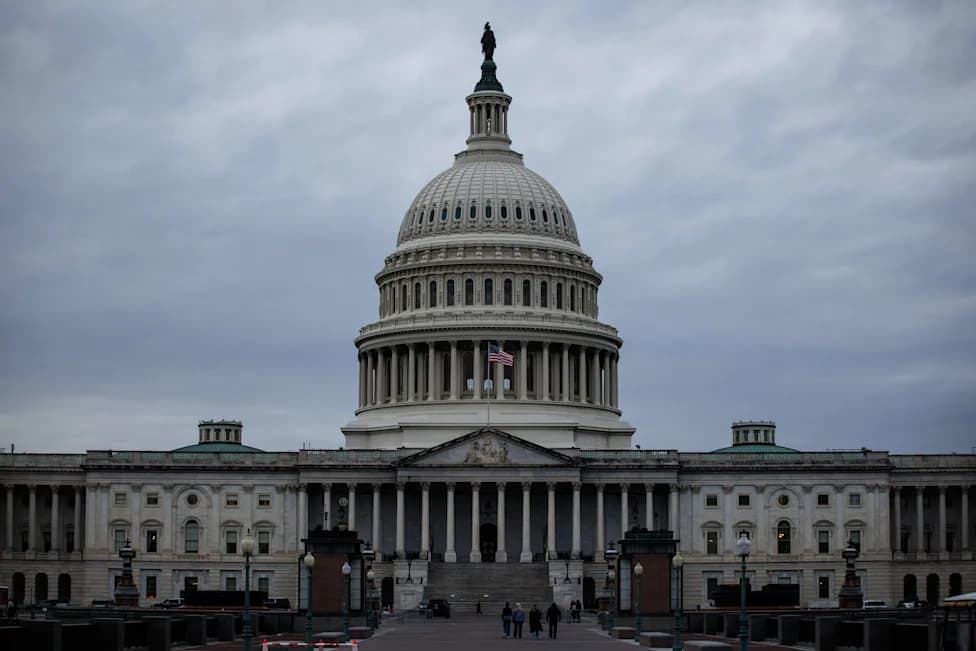
Michigan’s primary concluded Tuesday with a result that reshuffles the map for the 2026 U.S. Senate battle. Progressive Abdul El‑Sayed won the Democratic nomination and will face Republican Mike Rogers in a matchup that forecasting models say makes the Senate majority harder for Democrats to secure.
What Happened
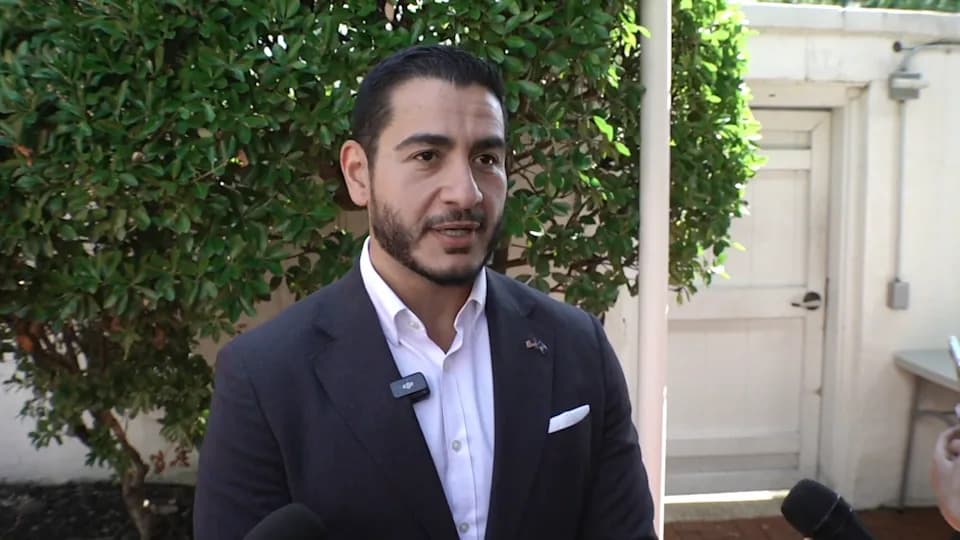
El‑Sayed, a Bernie Sanders‑endorsed progressive, prevailed in a competitive primary against Haley Stevens. His narrow victory intensified questions about Democratic unity and general‑election appeal — concerns that were promptly reflected in polls and betting markets.
Polls, Markets, And The Stakes
Recent surveys offered mixed readings: a Glengariff poll commissioned for Michigan educational and business groups showed El‑Sayed trailing Mike Rogers by about nine points, while an Epic‑MRA survey put the race within two points. Prediction markets and probabilistic models also shifted against Democrats after the primary — some measures moved Democratic win probability for Michigan’s seat from roughly the mid‑70s a month ago to the high‑50s/low‑60s after El‑Sayed’s nomination.
Why it matters: Democrats need a net gain of four Senate seats to win control. If they fail to hold Michigan, that target rises and puts additional pressure on a small number of pivotal states.
Timing And Momentum
Models tracking the race showed a notable change: forecasts pegged Democrats’ chance at about 66% as polls closed Tuesday, then fell to roughly 58% by Friday after the nomination was finalized. That swing illustrates how a single primary outcome can alter national control projections when only a few seats decide the chamber.
Broader Political Context
National dynamics remain mixed. Polling and macro factors (including foreign policy tensions and economic signals such as gasoline prices) have affected both parties’ standing in different ways. Even as national indicators have at times favored Democrats, Michigan’s specific outcome has improved GOP prospects in a state long considered competitive.
Down‑Ballot Effects
The gubernatorial primary produced familiar matchups: Democrat Jocelyn Benson and Republican John James won their nominations, and current models still favor Democrats for governor. However, Michigan’s congressional map saw movement: the 7th District — long considered a Democratic pickup opportunity — looks considerably less secure after the primary. William Lawrence, the progressive nominee, now has an estimated 57% chance to hold the seat in fall projections, down from highs near 80–86% earlier this cycle. The 10th District remains tilted toward Democrats at about a 70% probability, unchanged by the primary.
What Both Parties Are Saying
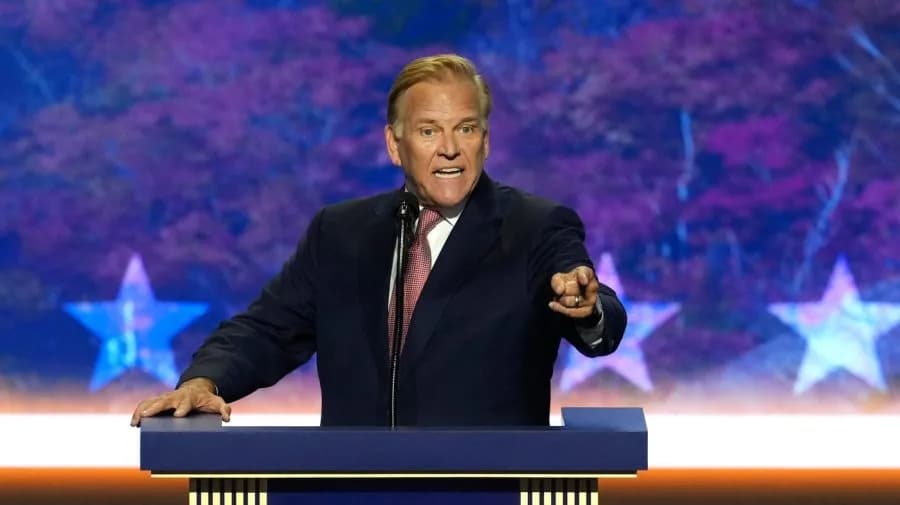
Republicans argue Mike Rogers’ smooth primary gives him an advantage in unifying his base and consolidating general‑election support. Democrats worry El‑Sayed’s narrow primary margin and progressive profile could dampen moderate turnout and make the seat more competitive.
Historical Context
Michigan has been a swing state in recent presidential and Senate contests, with tight margins and competitive statewide races. The state last elected a Republican to the U.S. Senate in 1994; since then, both parties have regularly competed closely here.
Bottom Line
El‑Sayed’s nomination reshapes the Senate equation: Democrats retain viable paths to a majority but now face a tougher map that requires defending Michigan among only a handful of decisive seats. Expect intensified spending, advertising and national attention in Michigan as the general election approaches.
Help us improve.