President Trump’s recent streak of successful Congressional primary endorsements ended after defeats for Andy Ogles in Tennessee and Amir Hassan in Michigan’s 8th District. Multiple polls in late July and early August place Trump’s approval mostly in the mid-30s to around 40% (Marquette 40%, Reuters/Ipsos 35%, Economist/YouGov 36%). Voters continue to cite inflation and the cost of living as top concerns, and polling aggregators show his net approval has been negative for months. These trends complicate Republican efforts to defend their Congressional majority ahead of the midterms.
Trump’s Endorsement Streak Stalls as Approval Ratings Hover in Mid-30s to 40%
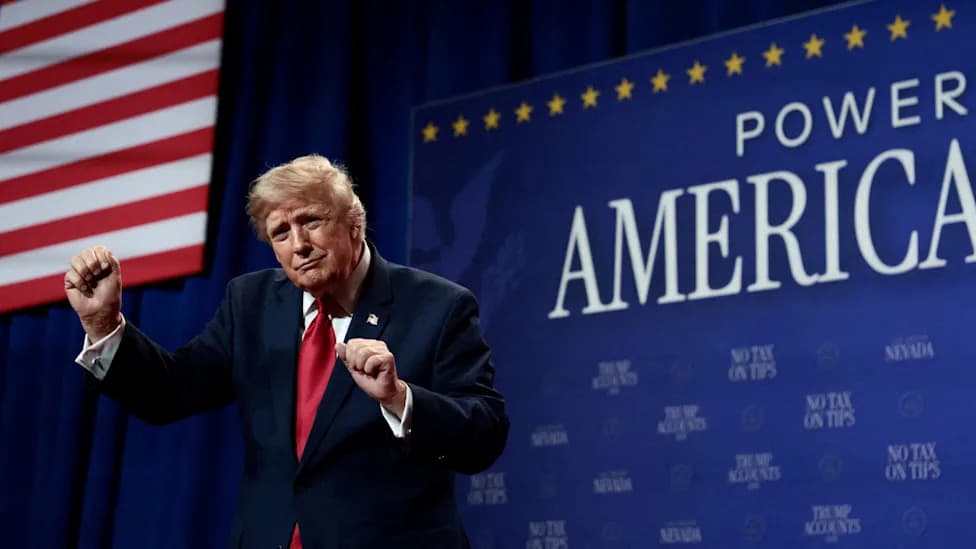
Trump lost an endorsement winning streak. What is his approval rating?
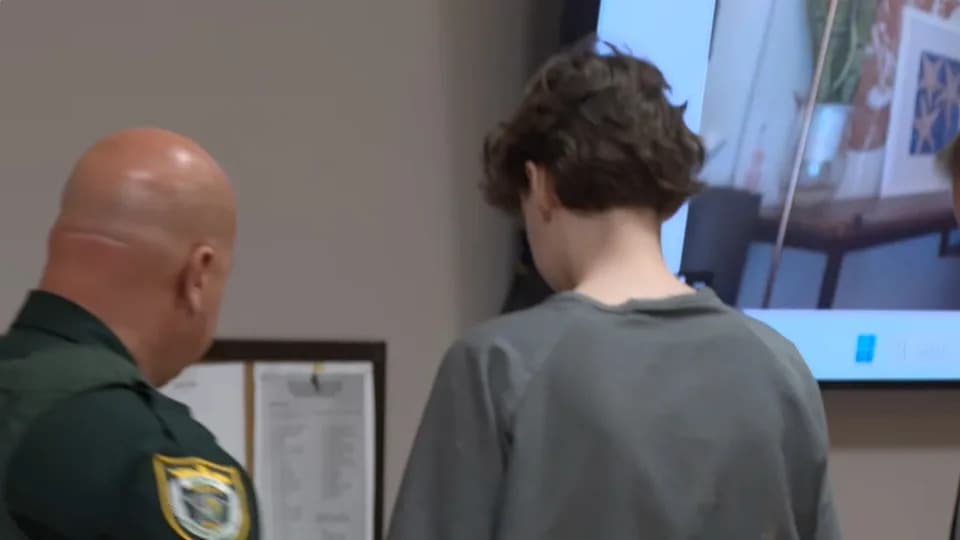
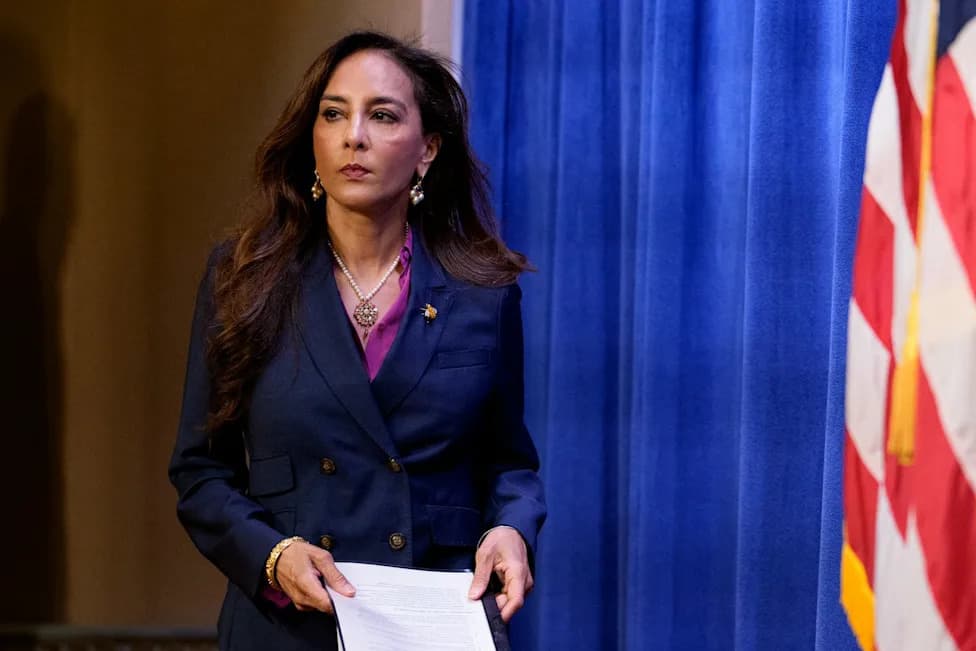
President Donald Trump's streak of successful endorsements in Congressional primaries came to an abrupt end this week after two of his backed candidates were defeated. Incumbent Rep. Andy Ogles lost a Republican primary in Tennessee on Aug. 6, and Navy veteran Amir Hassan was defeated in Michigan’s 8th Congressional District after the primary winner later withdrew following the printing of ballots. Both candidates had received public support from Trump.
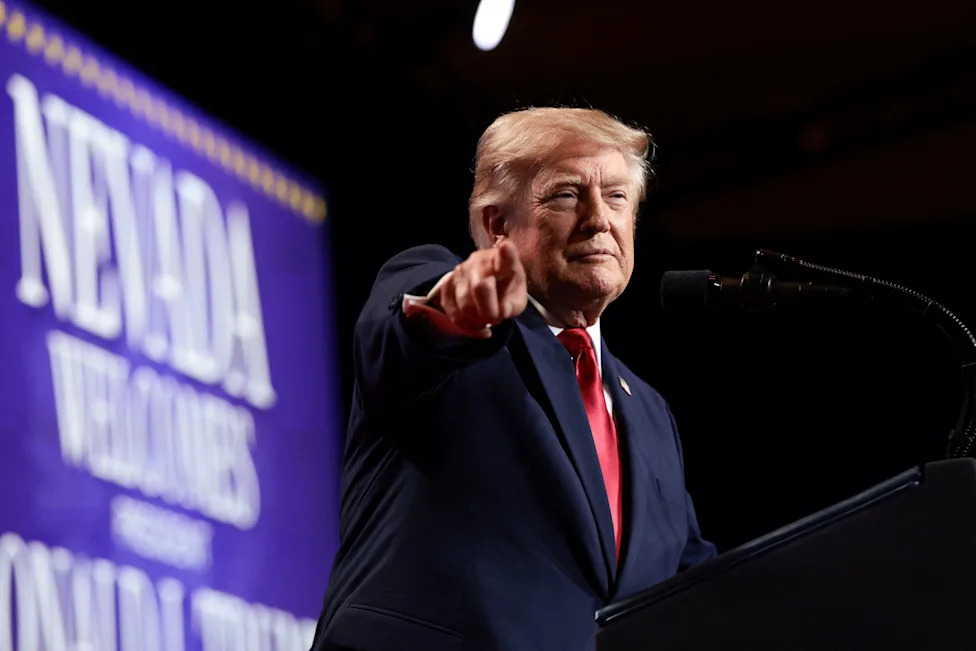
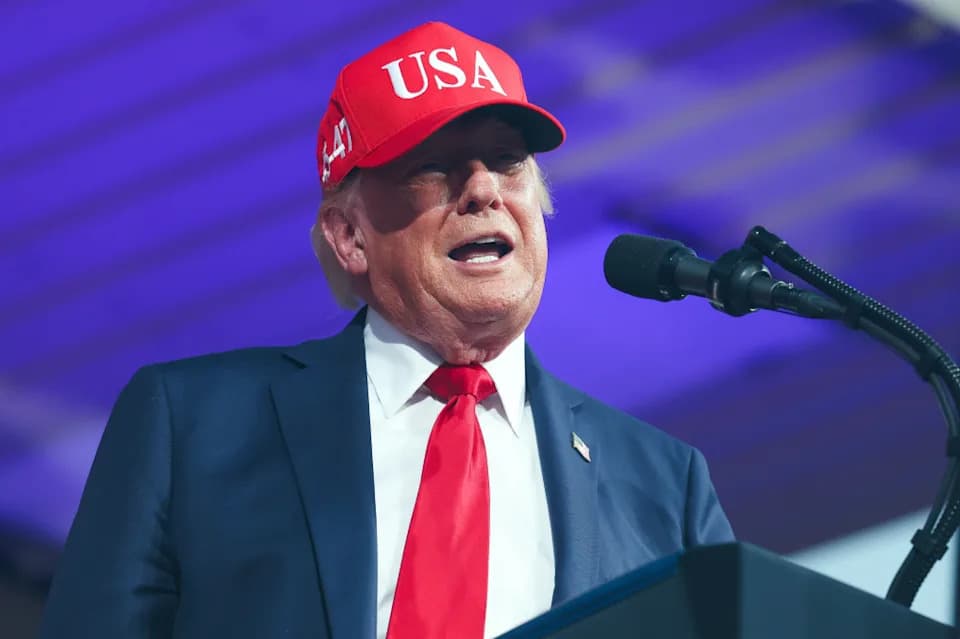
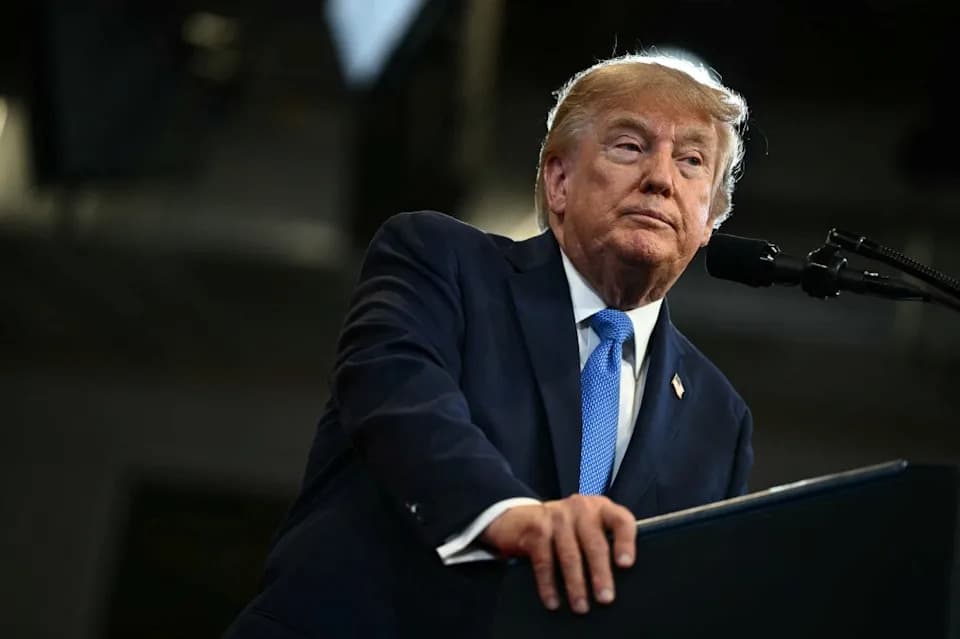
President Donald Trumpdelivers remarks at Red Rock Casino Resort Spa in Las Vegas. President Donald Trump traveled to Las Vegas on Wednesday to promote his administration’s economic agenda, highlighting “Working Families Tax Cuts” and policies such as no tax on tips, Social Security benefits and overtime pay. Speaking at Red Rock Casino Resort & Spa, Trump argued the measures are putting more money into workers’ pockets as Republicans look to build support ahead of the midterm elections.(Evelyn Hockstein, REUTERS)
Before these results, every Congressional primary candidate endorsed by Trump this cycle had prevailed, though some of his earlier picks for state legislative and gubernatorial races had fallen short.
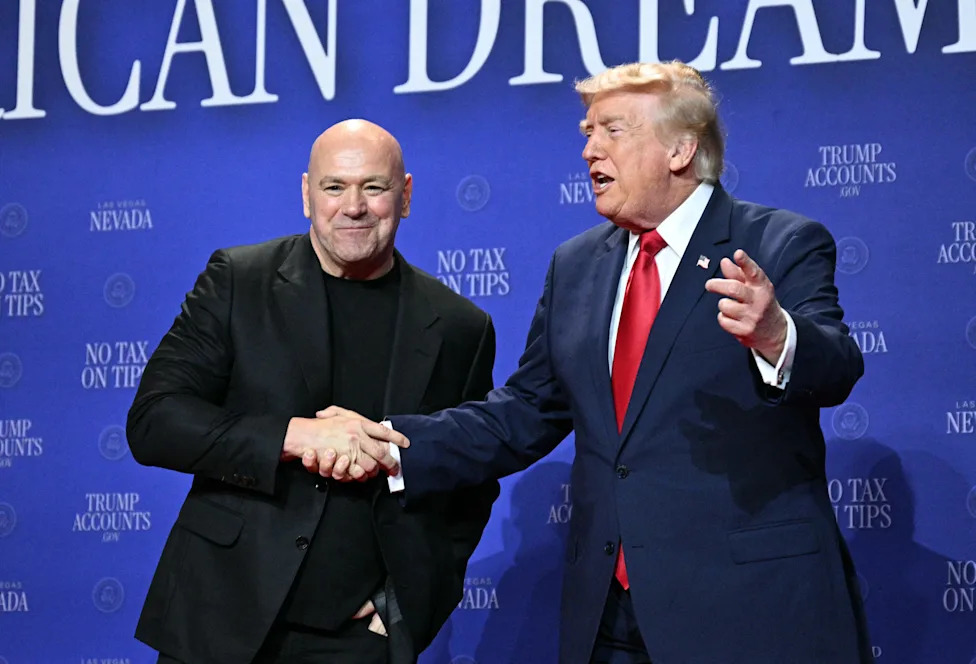
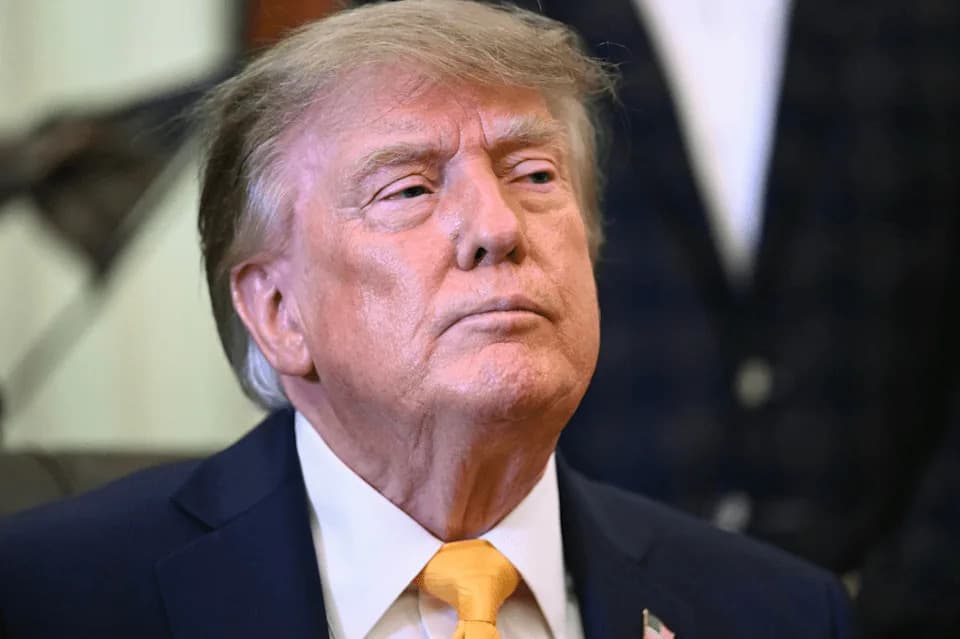
President Donald Trump shakes hands with Ultimate Fighting Championship President and CEO Dana White during an event promoting the administration's recent tax-relief initiative at Red Rock Casino Resort and Spa in Las Vegas, Nevada, on Aug. 5, 2026.(JIM WATSON, AFP via Getty Images)
Trump’s approval rating has been hovering near the lowest levels of his political career for months, a trend that could complicate Republican efforts to retain control of Congress in the upcoming midterm elections. The president has argued his supporters will still turn out even when he is not on the ballot. In an interview with Punchbowl News he said,
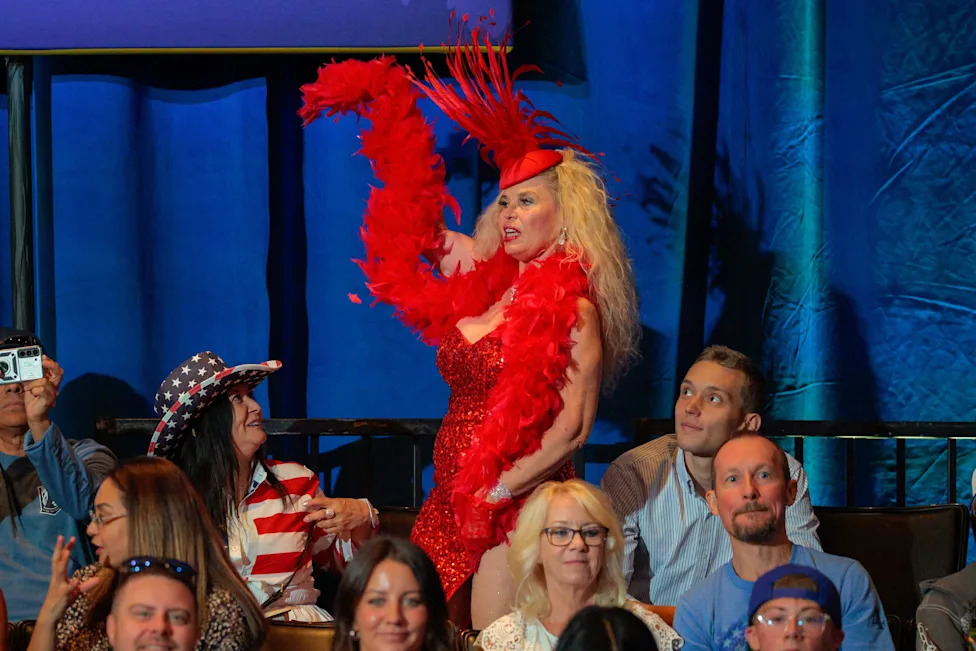
Attendees look on ahead of an event with President Donald Trump at Red Rock Casino Resort and Spa.(Chip Somodevilla, Getty Images)
“A lot of them are very angry at Republicans, to be honest with you. They're angry at Republicans, but they're not angry at me.”
Trump has continued to travel and promote his administration’s economic agenda, most recently speaking in Las Vegas to highlight measures he says will benefit working families.
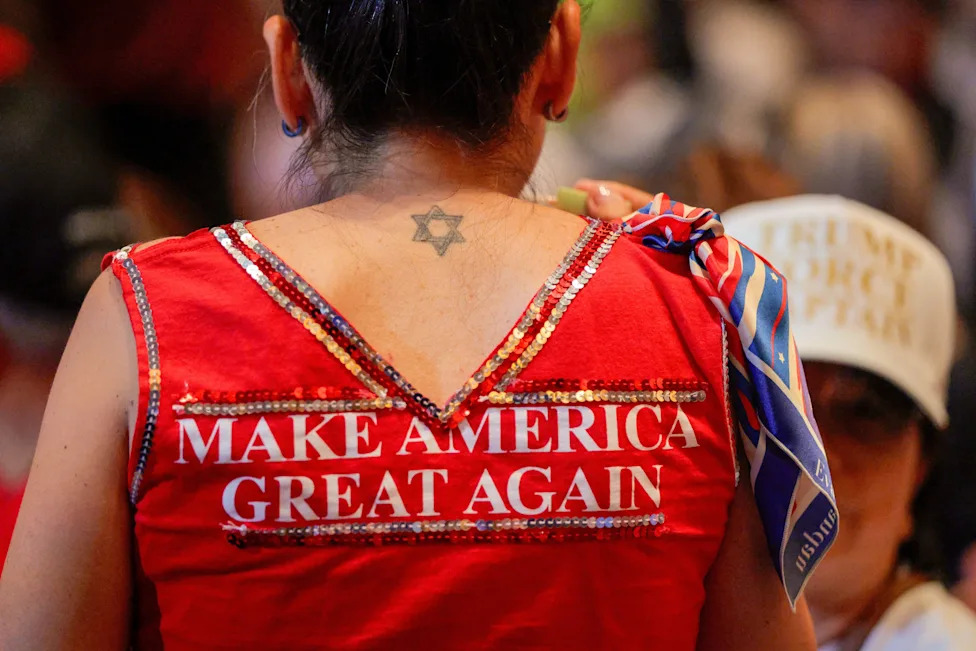
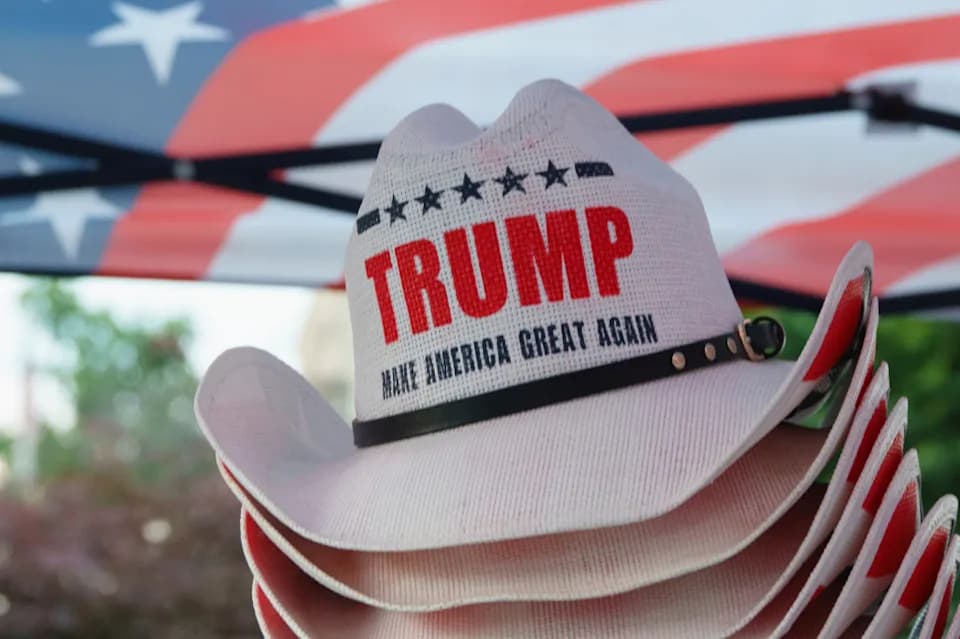
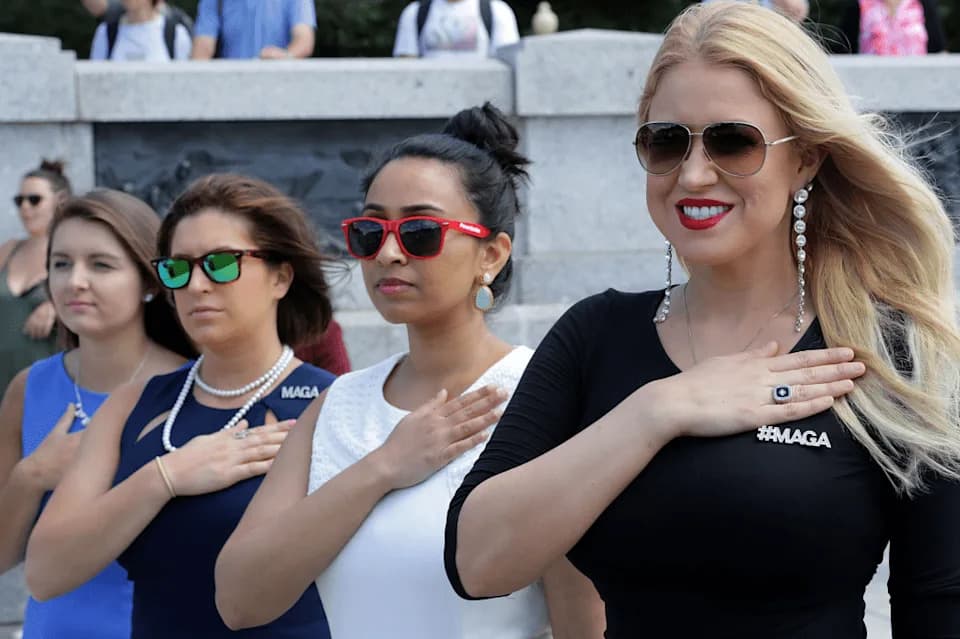
A detailed view of an attendee's "Make America Great Again" attire ahead of an event with U.S. President Donald Trump at Red Rock Casino Resort and Spa.(Chip Somodevilla, Getty Images)
Recent Polls
Marquette Law School (July 22–29, n=1,076, ±3.2 pts): 40% of respondents approved of Trump’s job performance, up from 38% in a June survey. That poll also found 35% named inflation and the cost of living as their top personal issue, down from 37% in May.
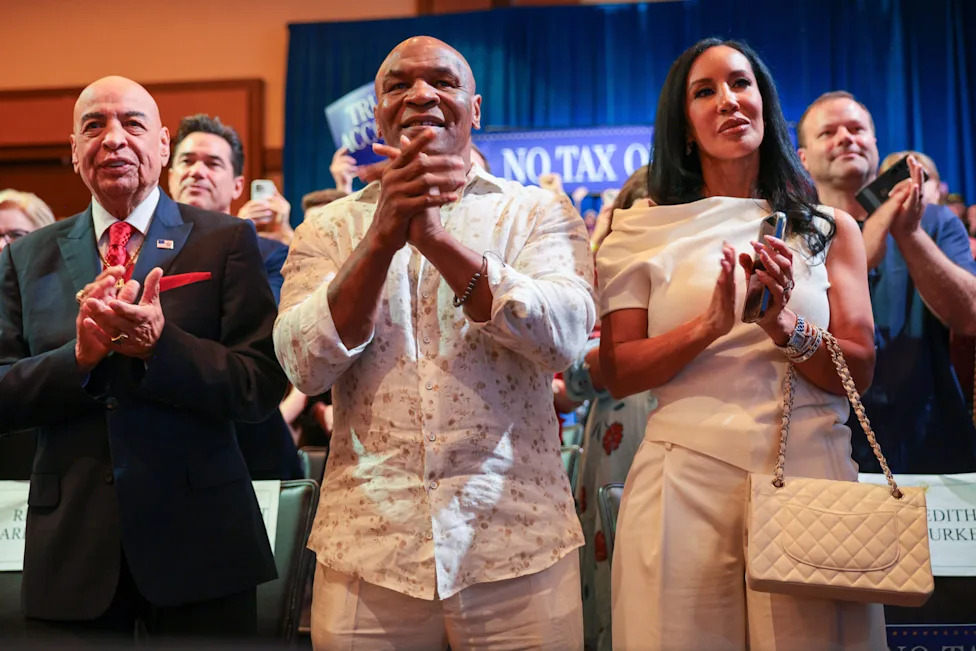
Former professional boxer Mike Tyson (C) and his wife, Lakiha "Kiki" Spicer (R) applaud as U.S. President Donald Trump arrives to an event at Red Rock Casino Resort and Spa.(Chip Somodevilla, Getty Images)
Reuters/Ipsos (July 29–Aug 3, n=4,505, ±1.5 pts): Trump's overall approval was 35%, down from 37% in a July 24–26 Reuters/Ipsos poll. The survey found 33% of Americans say Democrats have a better approach to the economy, while 35% favor Democrats on the cost of living; only 31% preferred Republicans on the economy.
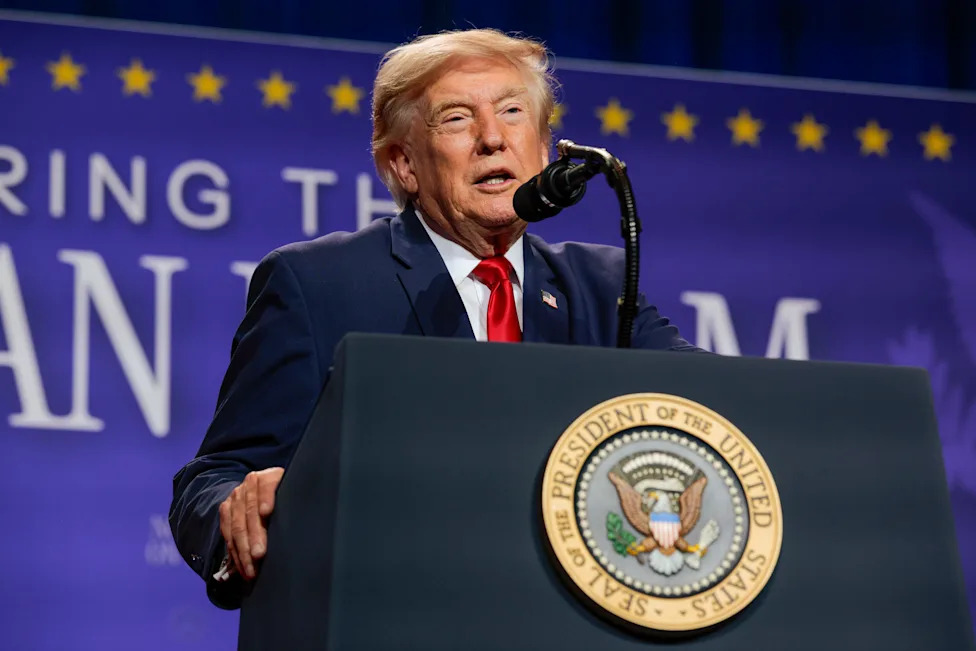
President Donald Trump delivers remarks during an event at Red Rock Casino Resort and Spa on Aug. 5, 2026 in Las Vegas, Nevada. Trump is expected to promote recent tax relief initiatives aimed at American workers, highlight the administrationÕs economic platform and endorse Gov. Joe Lombardo in his re-election campaign against Nevada Attorney General Aaron Ford.(Chip Somodevilla, Getty Images)
The Reuters/Ipsos breakdown (Aug. 3) showed strong disapproval of Trump on economic issues: 70% disapproved of his handling of inflation (22% approved), 63% disapproved of his handling of the economy (28% approved), and 70% disapproved of his handling of the cost of living (23% approved).
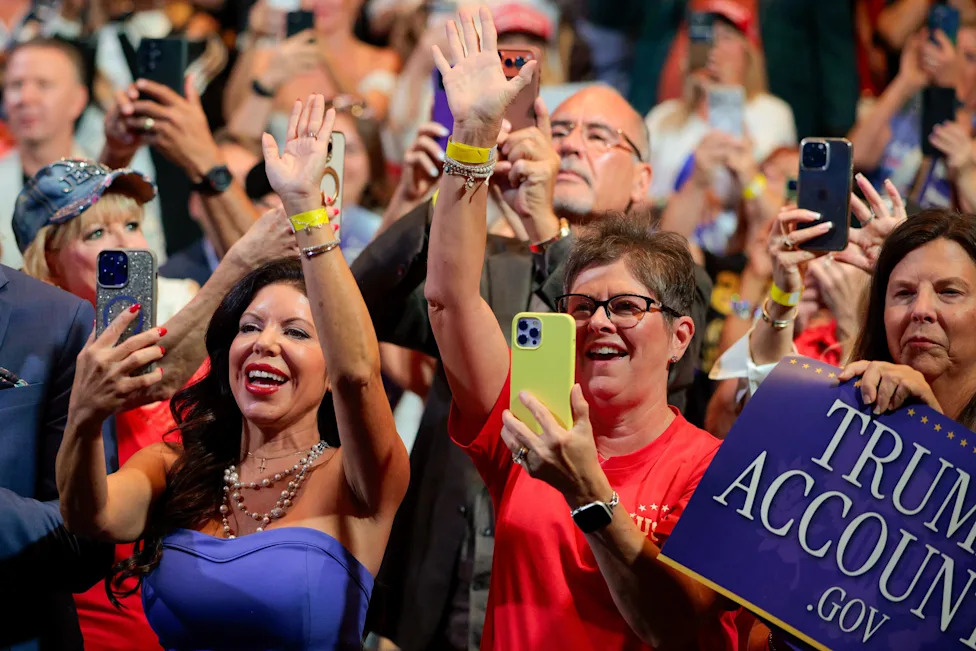
Supporters of President Donald Trump cheer as he arrives to an event at Red Rock Casino Resort and Spa on Aug. 5, 2026 in Las Vegas, Nevada.(Chip Somodevilla, Getty Images)
Economist/YouGov (July 31–Aug 3, n=1,609, ±3.6 pts): Trump’s approval was 36%, a two-point increase from the prior Economist/YouGov poll. That survey found 64% of respondents believe the country is heading in the wrong direction, and 57% say the economy is getting worse.
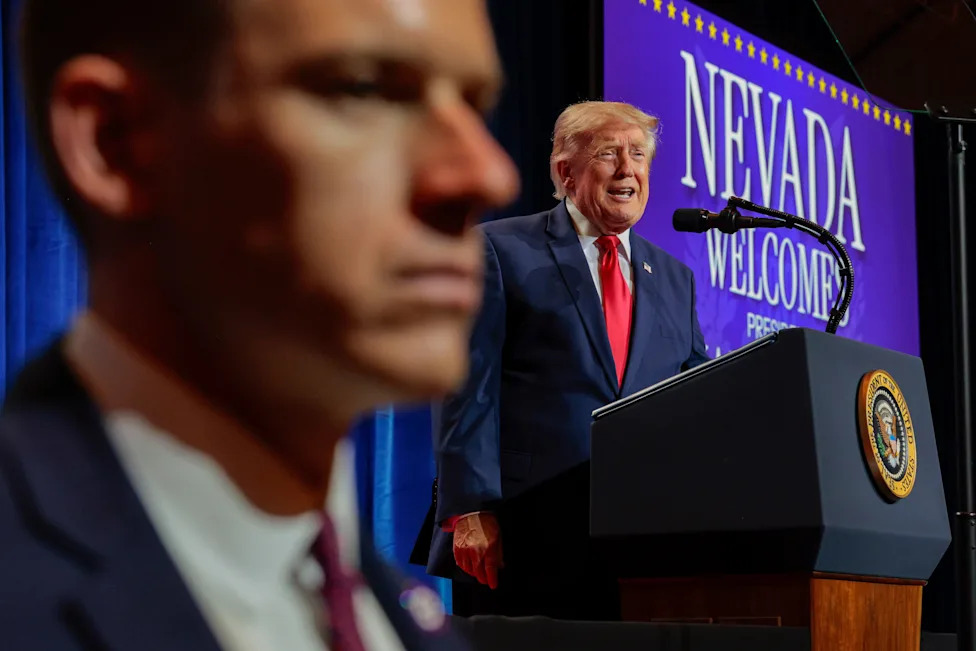
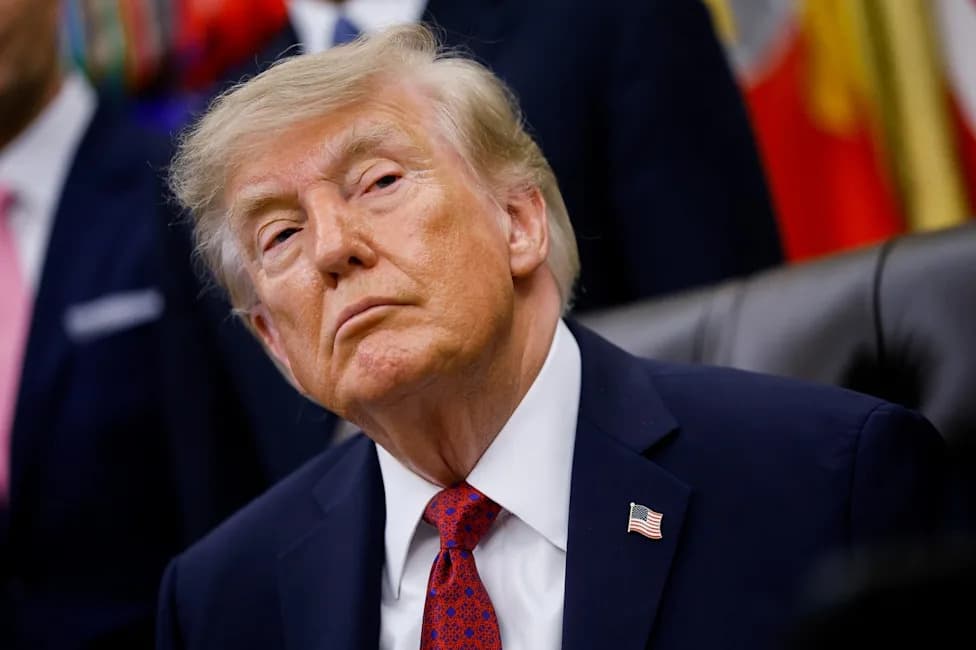
President Donald Trump arrives to deliver remarks during an event at Red Rock Casino Resort and Spa on Aug. 5, 2026 in Las Vegas, Nevada. Trump is expected to promote recent tax relief initiatives aimed at American workers, highlight the administrationÕs economic platform and endorse Gov. Joe Lombardo in his re-election campaign against Nevada Attorney General Aaron Ford.(Chip Somodevilla, Getty Images)
Aggregated Averages
Polling aggregators show Trump’s net approval has been negative for months. As of Aug. 7, snapshots reported: RealClearPolitics average at 39.3% approve/58.4% disapprove; The New York Times average at 38% approve/59% disapprove; and Silver Bulletin at 38.5% approve/58.3% disapprove.
Implications: With approval ratings largely in the mid-30s to around 40% and strong public concern about inflation and cost of living, Republicans face a challenging environment as they defend their Congressional majority. Trump’s recent losses in endorsement outcomes underscore that his influence in primaries is not infallible.
Contributing: Joey Garrison, USA TODAY
Reporter: Kinsey Crowley, Trump Connect, USA TODAY. Contact: [email protected]
Help us improve.