Stan Smith of The Wildlife Trusts warns that a recent Met Office-declared flash drought — with July delivering only 7% of expected rain nationally and 1% in southern England — is placing species that depend on wet habitats at severe risk. The Trust highlights five most vulnerable groups: Atlantic salmon and other fish, bumblebees, newts (including great-crested newt), natterjack toads, and wading birds such as snipe and lapwing. Immediate measures include providing clean water and shade; long-term solutions require landscape changes like more tree cover and wetland restoration.
Flash Drought Threatens UK Wildlife — 5 Species Experts Say Are Most At Risk
(Photo by icon0 com via Pexels)
An expert from The Wildlife Trusts has warned that recent heatwaves and an emerging flash drought are already harming UK wildlife and could push some species closer to collapse if dry conditions persist.
(Photo by Héctor Berganza via Pexels)
"Wildlife is being affected by sustained heat and drought, but impacts vary between species," says Stan Smith, head of species and landscape recovery at The Wildlife Trusts.
(Photo by PJ Mullen via Pexels)
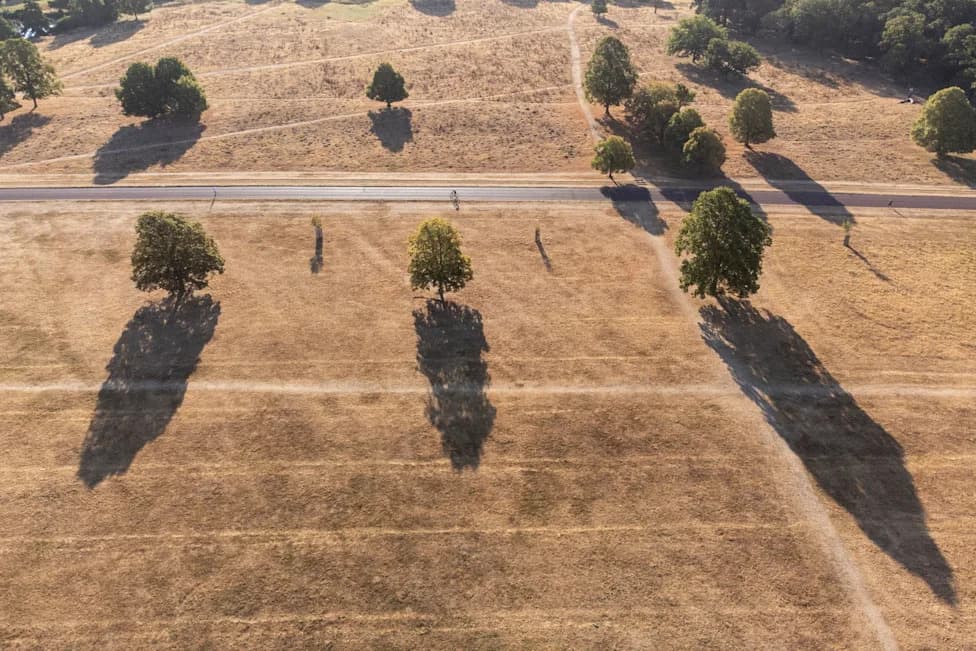
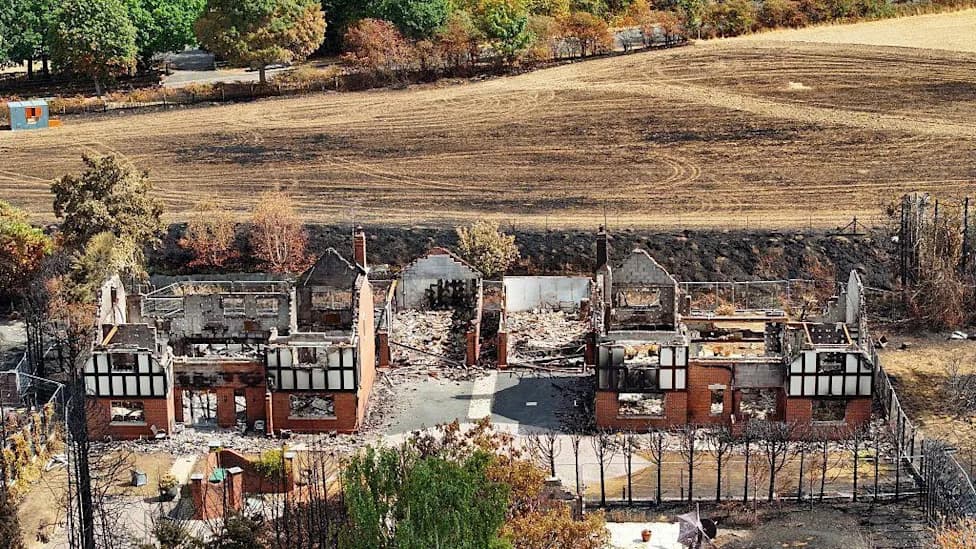
The Met Office reported at the end of July that roughly half of the UK was experiencing a flash drought — a rapid-onset drought developing over weeks or months rather than years. July recorded just 7% of expected rainfall nationally and only 1% across southern England, with little substantial rain forecast at the time.
(Photo by Connor Scott McManus via Pexels)
Why Wet-Habitat Species Are Especially Vulnerable
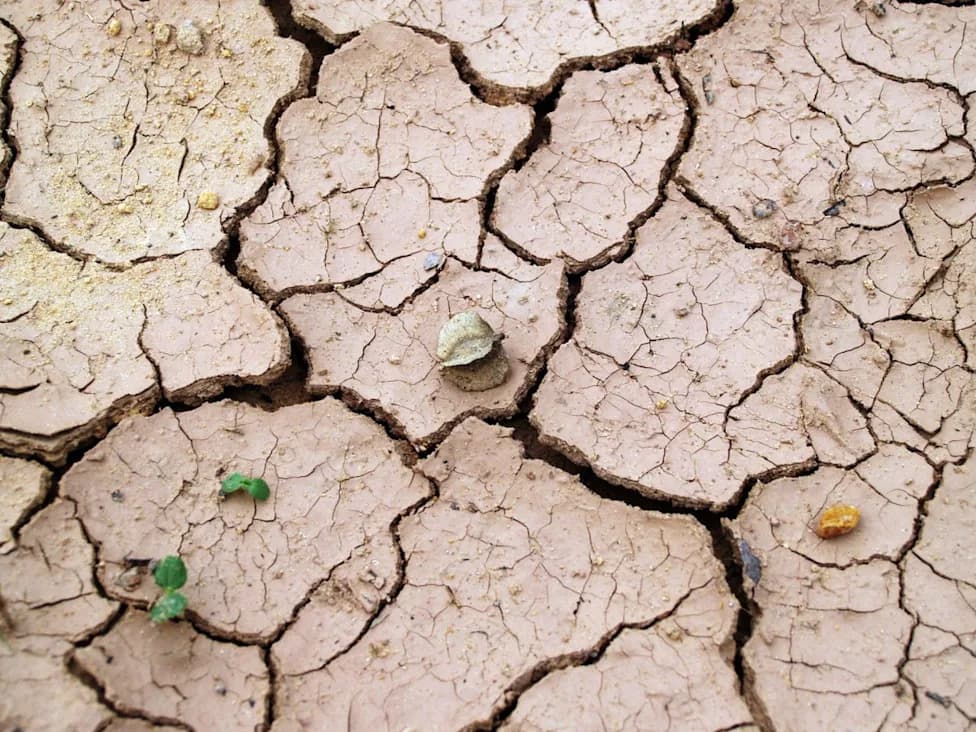
Species that rely on wetlands, peatlands, rivers and damp grasslands are particularly exposed. Drought reduces river flows, raises water temperatures and lowers oxygen levels — conditions that are stressful or lethal for aquatic life — while drying soils make it harder for many amphibians, pollinators and wading birds to feed and breed.
(Photo by hartono subagio via Pexels)
1. Atlantic Salmon and Other Fish
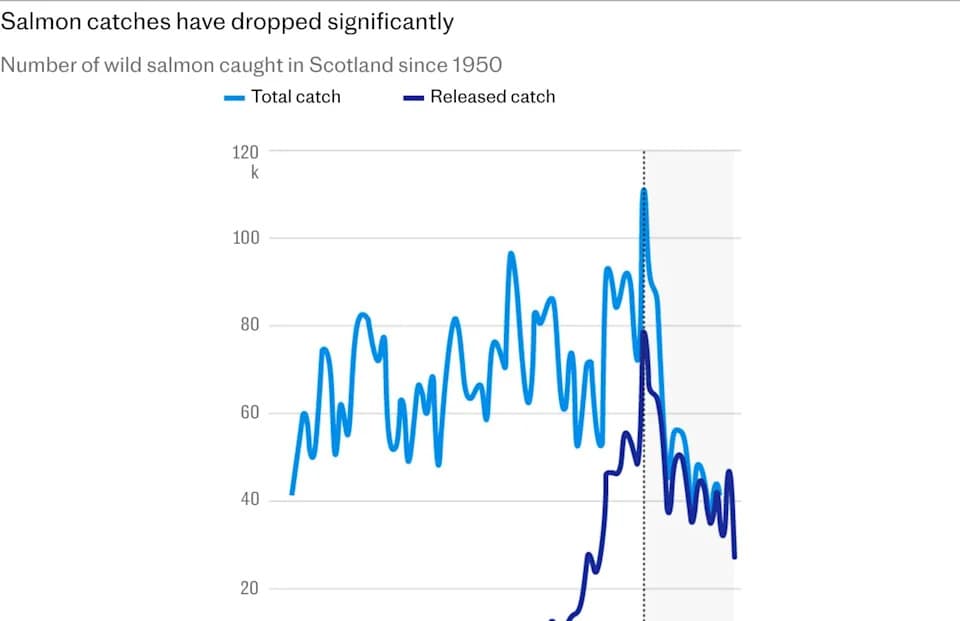
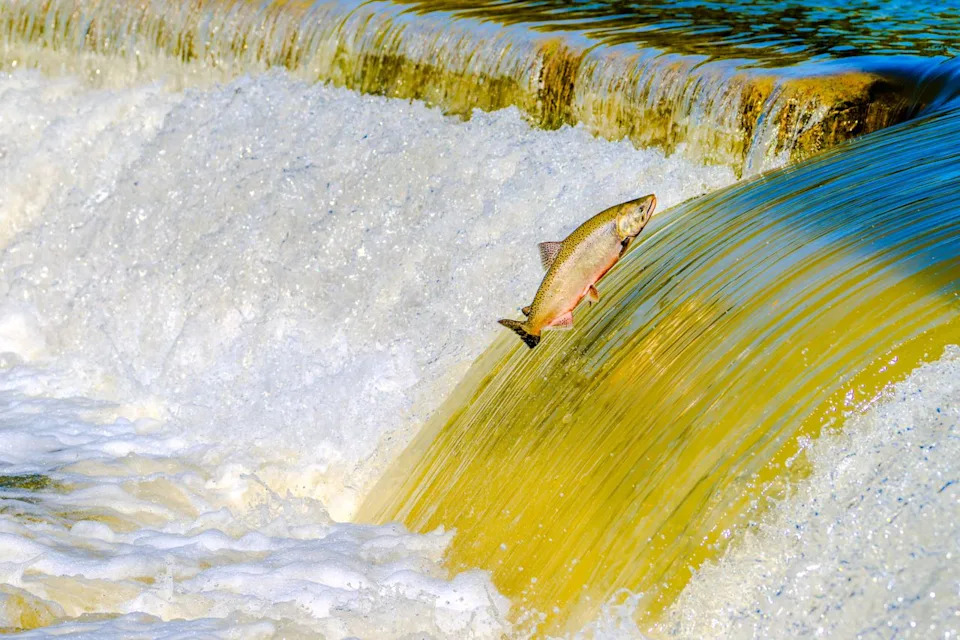
Low river flows can block migratory routes and shrink spawning habitat. Higher water temperatures and reduced oxygen make survival difficult, and heavy rainfall after dry spells can wash pollutants into waterways. Atlantic salmon are already classed as endangered in the UK; they are a keystone species that transport nutrients between marine and freshwater systems and support otters, birds and overall river health. The Environment Agency has been carrying out fish rescues for species such as trout, bullhead and small salmon, and lake species like Arctic charr are also at risk.
(Photo by Mohit Khare via Pexels)
2. Bumblebees
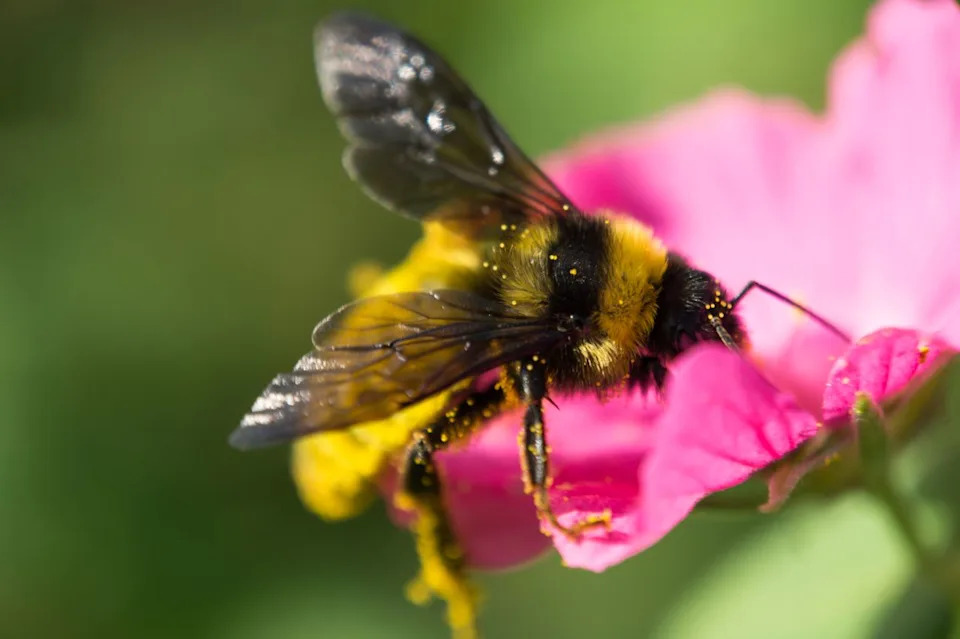
Bumblebees suffer when extreme heat causes overheating and when drought reduces the abundance of nectar- and pollen-rich flowers. Several bumblebee species have shown long-term declines and are shifting north as the climate warms. Because they are vital pollinators for wild plants and many crops, their losses would harm biodiversity and food production.
(Photo by Ron Lach via Pexels)
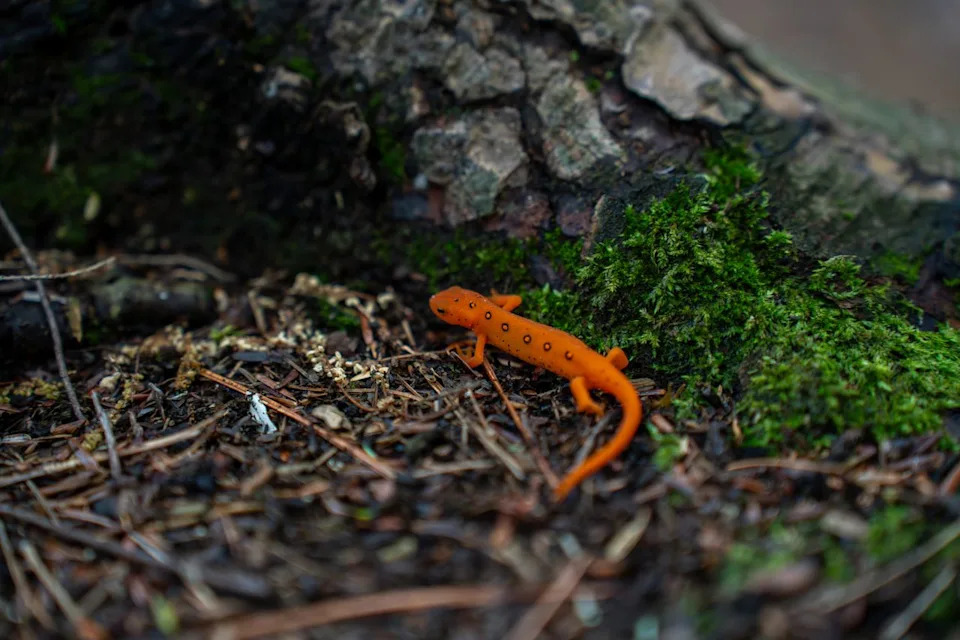
3. Newts (Including Great-Crested Newt)
Newts depend on moist skin to breathe and on ponds and wetlands to breed. The great-crested newt — one of the UK’s rarest amphibians — has declined dramatically over recent decades. Newts help control invertebrates and move nutrients between water and land, supporting soil and ecosystem health.
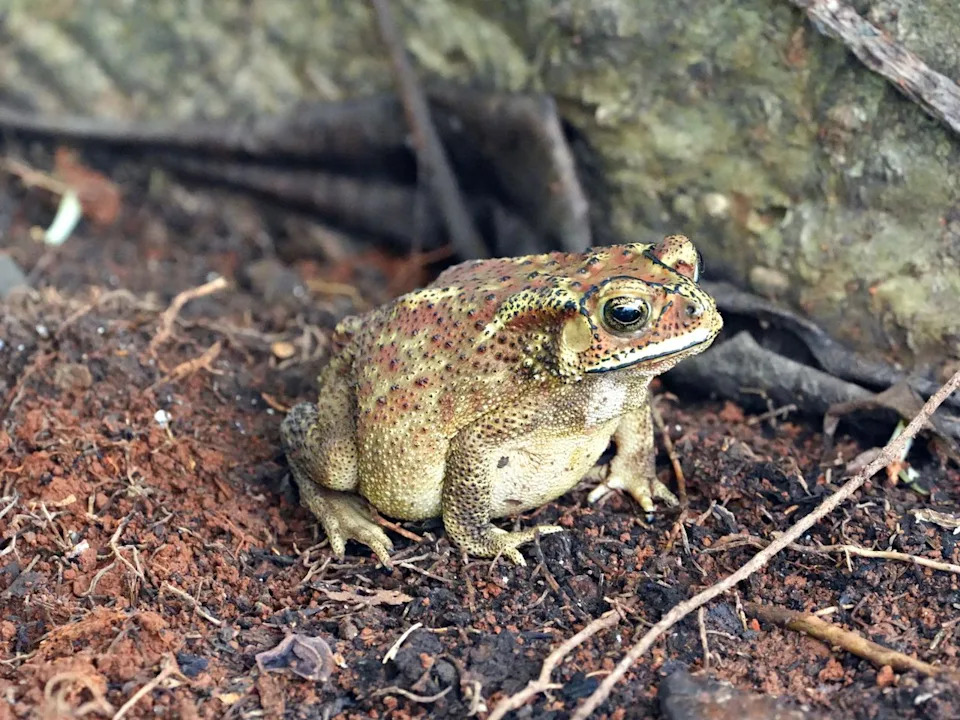
4. Natterjack Toads
Natterjack toads breed in shallow pools that can dry before tadpoles complete development. They are already scarce in the UK, occupying only about 60 sites in Britain plus a few locations in south-west Ireland. Natterjacks feed on insects and provide food for birds, snakes, badgers and otters at different life stages.
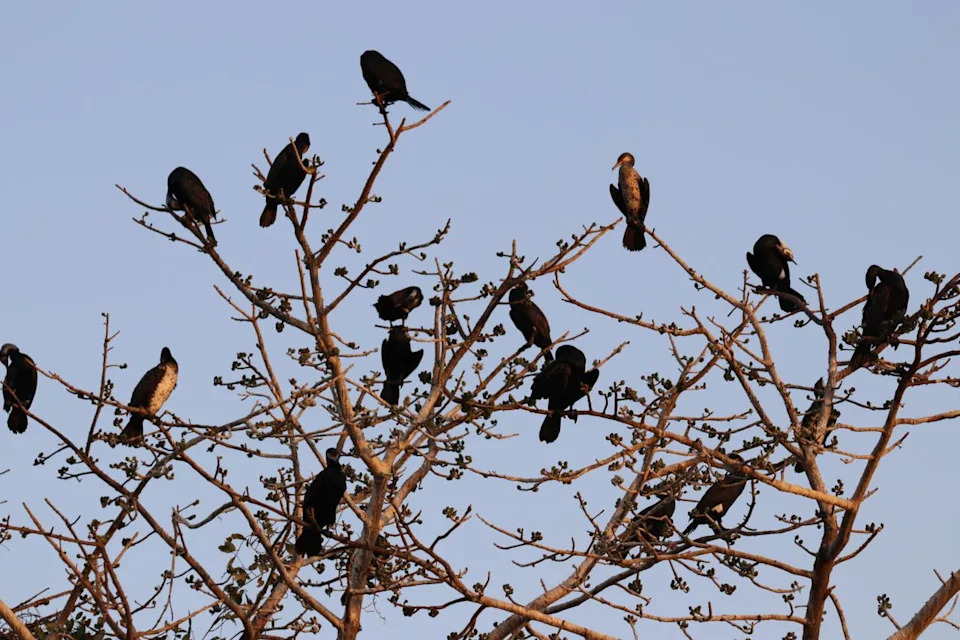
5. Wading Birds (Snipe and Lapwing)
Snipe and lapwing rely on damp soils rich in worms and invertebrates. As soils dry and harden, foraging becomes harder and breeding success falls. Both species have experienced substantial long-term declines in the UK, and their losses signal broader degradation of wet grasslands and wetlands that support many rare plants and invertebrates.
What People Can Do Now — And In The Long Term
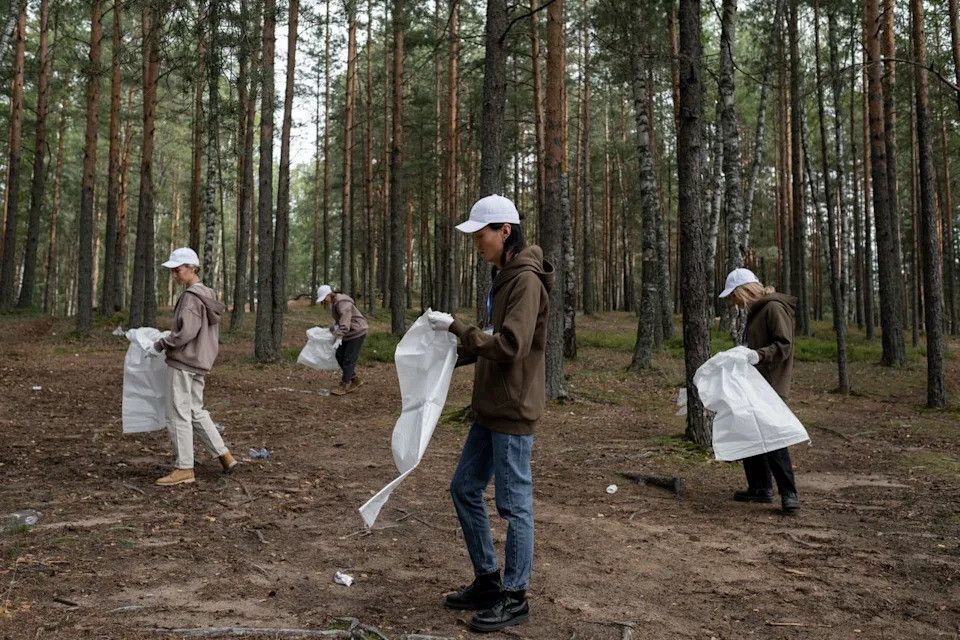
- Immediate actions: put out clean, shallow water with easy access; create shady refuges in gardens or parks; avoid barbecues on very dry days to reduce wildfire risk; save water at home to leave more available in the environment.
- Landscape solutions: store water naturally by increasing tree cover, reconnecting rivers to floodplains, restoring wetlands and, where appropriate, reintroducing beavers to help retain water and slow runoff.
"Species already suffering from fragmented populations or other pressures will struggle more with these added stresses," Stan Smith warns. He urges both practical local steps and longer-term landscape restoration to help wildlife survive more frequent hot, dry spells.
Help us improve.