Eli Lilly will provide limited early access to retatrutide — a novel triple-agonist obesity drug — for a small group of patients who meet strict medical criteria and cannot enroll in clinical trials. In a trial of 2,339 participants, the highest dose produced an average weight loss of just over 70 lbs (28.7%) after 80 weeks, with people with BMI >35 losing about 85 lbs (30.3%) over two years. Results have not yet been peer-reviewed, side effects were common (11% discontinued at the top dose), and Lilly has not set a date to seek FDA approval.
Eli Lilly Offers Limited Early Access to Experimental Weight-Loss Drug Retatrutide
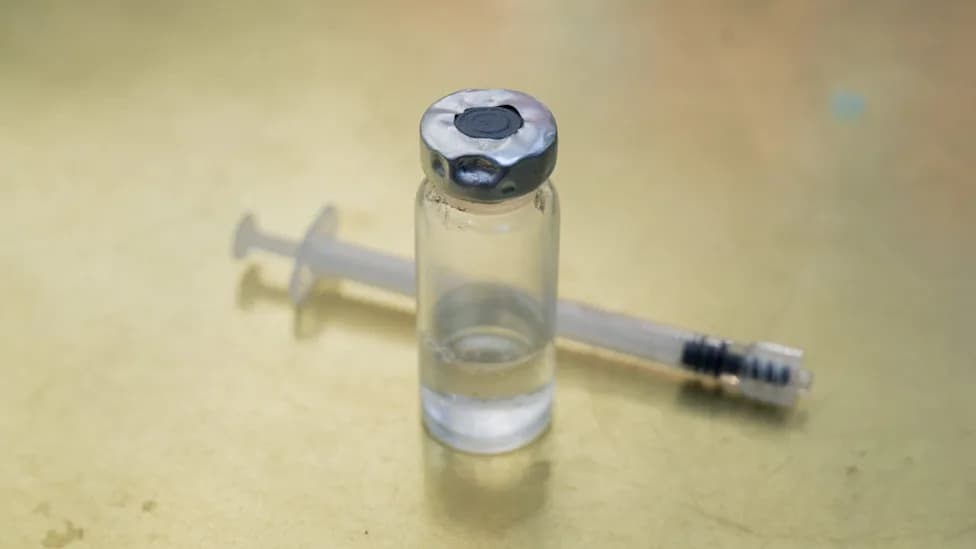
A vial of Retatrutide sits on a table in the Williamsburg neighborhood of Brooklyn, N.Y. on July 1, 2026. (Photo by Vincent Alban/For The Washington Post via Getty Images)
Eli Lilly has opened a restricted early-access program for retatrutide, its investigational triple-agonist weight-loss drug, making the medicine available to a small number of patients who meet strict medical criteria before U.S. Food and Drug Administration (FDA) approval.
Overview
The company confirmed the limited program to Reuters after previously granting exclusive access to a 79-year-old patient — a move that prompted clinicians to request broader availability for people who cannot join clinical trials. Eli Lilly says the early-access offering will follow FDA guidance and is intended only for patients with few other options.
Who Is Eligible
According to Lilly, eligible patients must:
- Be age 18 or older;
- Have treatment-resistant obesity; and
- Have at least two serious or life-threatening obesity-related complications.
Patients also must be unable to participate in ongoing retatrutide clinical trials or access comparable therapies.
Clinical Trial Results
In May, Lilly publicized results from a trial of 2,339 adults with overweight or obesity. The company reported that participants on the highest dose of retatrutide lost just over 70 pounds on average (about 28.7% of body weight) after 80 weeks. Among participants with a body-mass index (BMI) greater than 35, average weight loss was reported as 85 pounds (approximately 30.3%) over two years — an effect size the New York Times has compared with outcomes from gastric bypass surgery.
For context, Lilly's other treatments showed smaller average losses in trials cited by the company: participants on Zepbound lost about 50 pounds over 72 weeks, and those on semaglutide (Wegovy) lost about 33 pounds in comparable studies.
How Retatrutide Works
Retatrutide is described by Lilly as a first-in-class triple agonist that mimics three hormones involved in appetite and metabolism. That contrasts with dual agonists such as Zepbound and Mounjaro, and single-agonist GLP-1s like Wegovy and Ozempic.
Side Effects And Risks
Lilly reported common adverse events including nausea, vomiting, diarrhea and constipation. The company said 11% of participants on the highest dose discontinued the trial because of side effects, a higher dropout rate than has been seen in some earlier obesity-drug studies. The published results have not yet been peer-reviewed or appeared in a medical journal.
Broader Benefits Under Investigation
Beyond weight loss, Lilly reported "substantial relief" from osteoarthritis pain and improvements in physical function in trial participants, suggesting possible benefits for obesity-related complications. These drugs are also being studied for additional indications, including sleep apnea and potential applications in substance-use disorders.
What’s Next
Eli Lilly has not announced a date to file for FDA approval for retatrutide. The company says it plans additional clinical trials this year and will limit early access to patients who meet the specified medical criteria and cannot access the drug through trials.
Sources
This article incorporates reporting from Reuters, STAT News, Eli Lilly press releases and prior local reporting.
Help us improve.