North Korea has escalated support for Russia's war in Ukraine by sending personnel, construction and engineering units, and a reported missile unit to western Russia. Intelligence reports say up to 120 ballistic missiles and six launchers could be involved, alongside millions of artillery rounds and dozens of ballistic missiles supplied to Moscow. The cooperation follows a June 2024 strategic partnership between Kim Jong Un and Vladimir Putin and has prompted sanctions and strong international criticism.
Explainer: What We Know About North Korea's Military Support for Russia in the Ukraine War
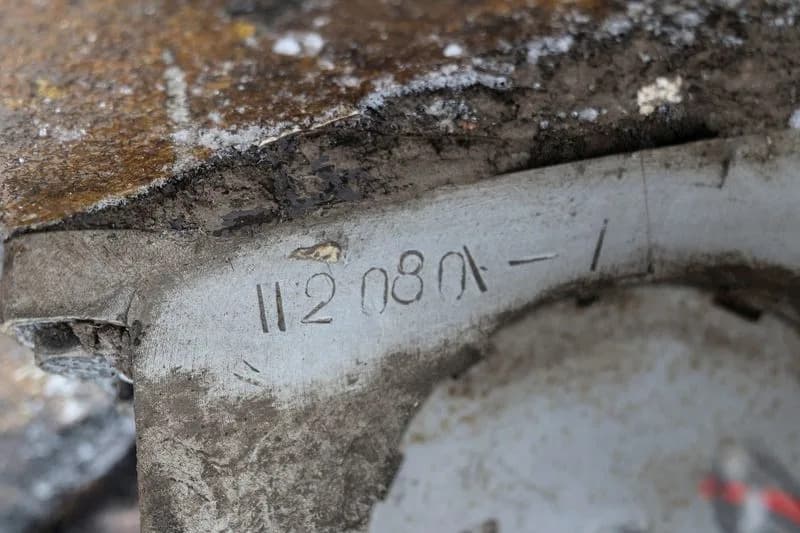
FILE PHOTO: A view shows a part of an unidentified missile, which Ukrainian authorities believe to be made in North Korea and was used in a strike in Kharkiv earlier this week, amid Russia's attack on Ukraine, in Kharkiv, Ukraine January 6, 2024. REUTERS/Vyacheslav Madiyevskyy/File Photo
North Korea has moved beyond arms shipments to deploy personnel and units in direct support of Russia's campaign in Ukraine, an escalation described by observers as Pyongyang's most significant overseas military involvement since the Korean War. Multiple intelligence sources, including Ukraine's GUR and reporting by Reuters, outline growing military cooperation between the two countries — from munitions deliveries to troop deployments and a newly reported missile unit in western Russia.
Latest Reports
Missile Unit Deployment: Ukraine's GUR military intelligence says a North Korean missile unit has deployed to western Russia, potentially bringing as many as 120 ballistic missiles and six launchers. The unit is reported to include about 90 North Korean personnel and is expected to be stationed in Russia's Voronezh region. Reuters reported that a U.S. source is aware of the deployment.
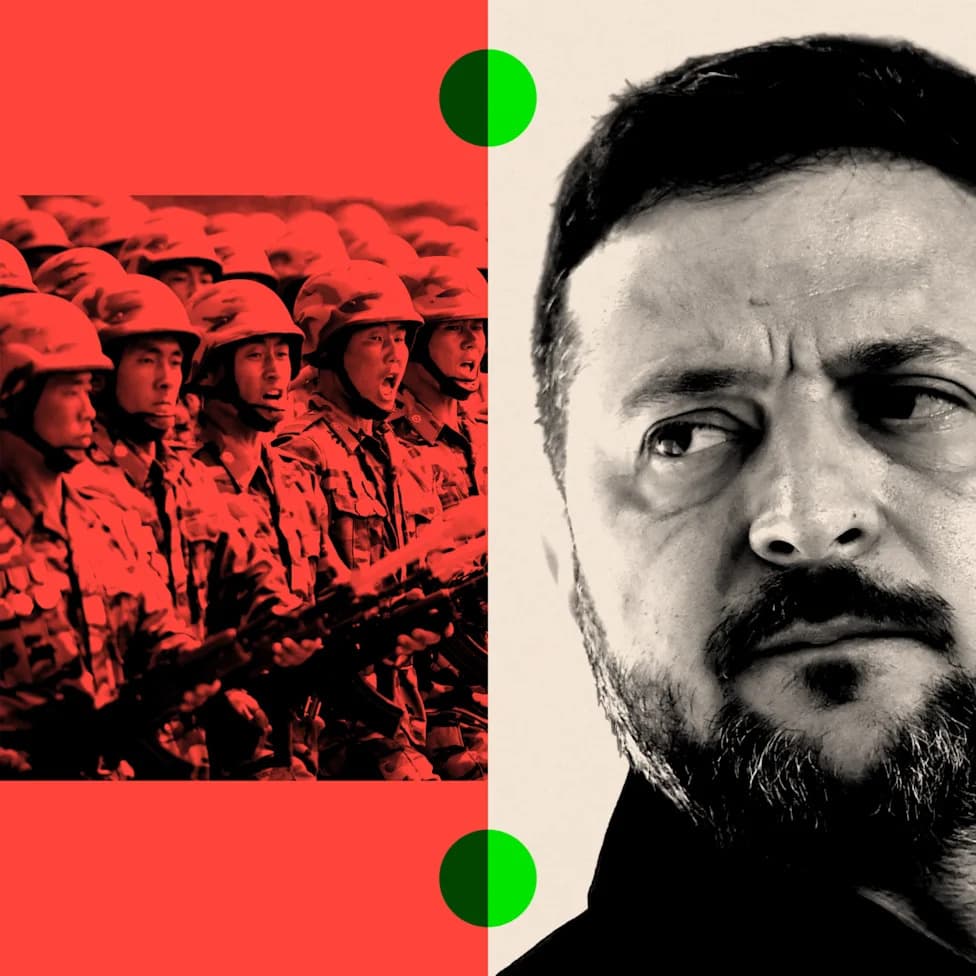
Ukrainian officials say 40 North Korean missiles have already been transferred to Russia, and at least two of those were fired at Ukraine during a recent deadly strike. President Volodymyr Zelenskiy has publicly warned that Russia may seek to deploy up to 30,000 North Korean troops, though Reuters could not independently verify that figure.
Troop Deployments In 2024–2025
Estimates from Ukrainian and South Korean sources indicate roughly 14,000–15,000 North Korean soldiers were sent to Russia's Kursk region in 2024, where they were reported to have helped repel a Ukrainian ground incursion. In April 2025, both Moscow and Pyongyang acknowledged that North Korean forces had engaged in fighting in the Kursk area. Recent Ukrainian reporting suggests about 9,500 North Korean troops remain in the region, reportedly not on frontline combat duty.
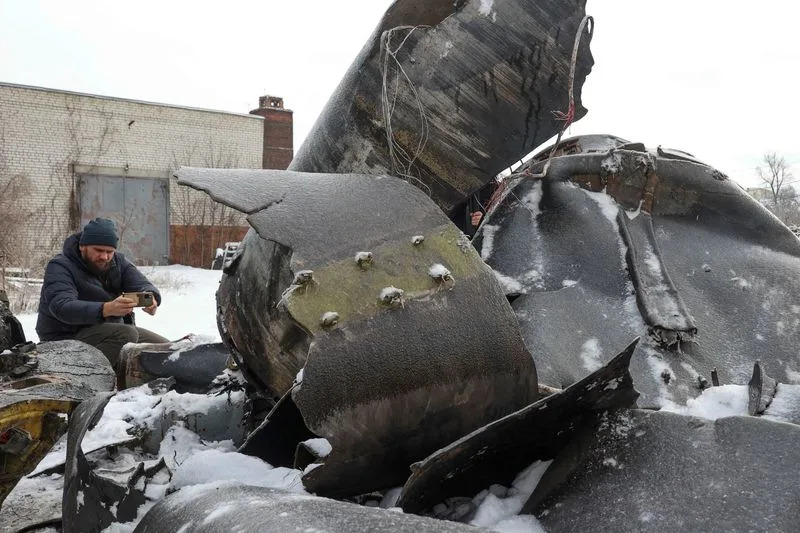
FILE PHOTO: A man photographs parts of an unidentified missile, which Ukrainian authorities believe to be made in North Korea and was used in a strike in Kharkiv earlier this week, amid Russia's attack on Ukraine, in Kharkiv, Ukraine January 6, 2024. REUTERS/Vyacheslav Madiyevskyy/File Photo
Other Personnel and Roles
In June 2025, Russian official Sergei Shoigu said North Korea would send 1,000 sappers and 5,000 military construction workers to Kursk to clear mines and rebuild infrastructure. South Korean lawmakers later indicated Pyongyang appeared to be recruiting additional personnel for continued deployments. It remains unclear exactly how many engineers or deminers have arrived or whether some personnel have been used in combat roles.
Weapons And Logistics
Independent assessments and Ukrainian intelligence say North Korea has supplied Russia with millions of artillery and mortar rounds, long-range artillery, multiple-launch rocket systems and dozens of ballistic missiles. A Reuters analysis with the Open Source Centre found four Russian-flagged cargo vessels made 64 voyages to North Korea's Rajin port between September 2023 and March 2025, carrying nearly 16,000 containers of ammunition to Russian ports.
Ukraine's military intelligence reported that North Korea delivered about 4 million artillery shells (excluding mortar rounds) from mid-2023 and had supplied some 148 KN-23 and KN-24 ballistic missiles by early 2025. Ukrainian officials estimate Pyongyang supplied roughly half of frontline munitions Russia required at points in 2024–2025.
Motives And Gains
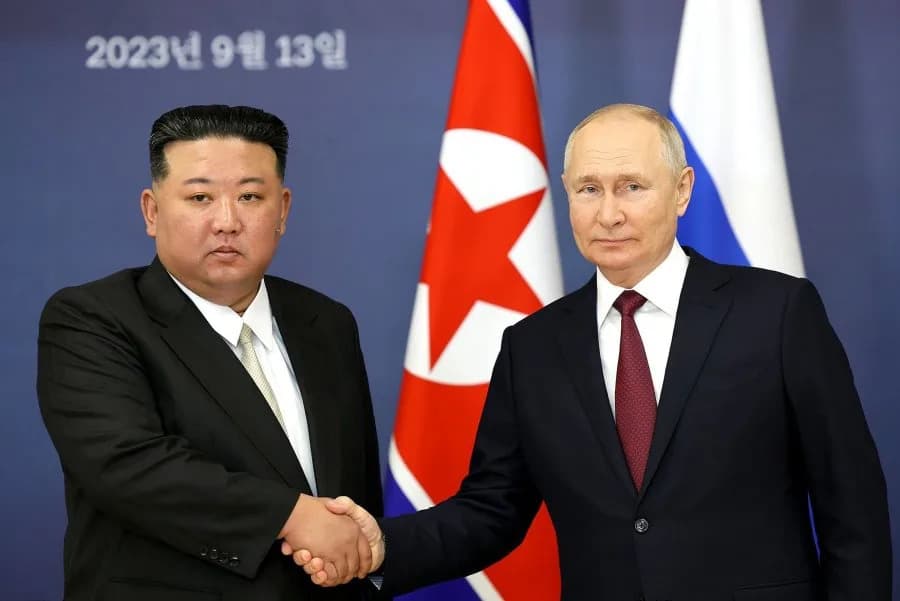
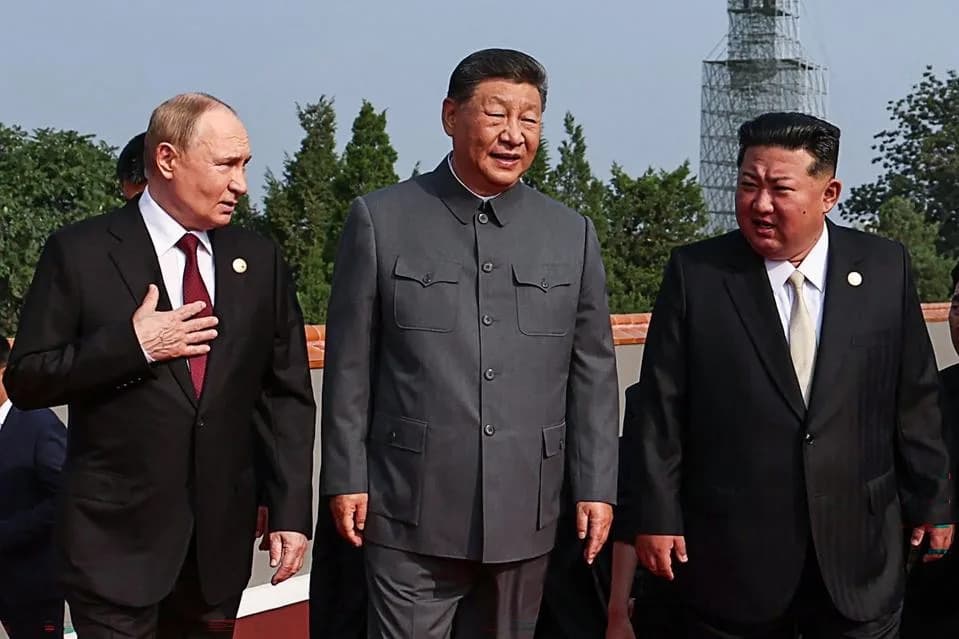
During President Vladimir Putin's June 2024 visit to Pyongyang, Putin and Kim Jong Un signed a comprehensive strategic partnership that includes a mutual-assistance clause. Pyongyang frames its contributions as support for a treaty partner; Kim described involvement as defending a "brother nation." Analysts say North Korea stands to gain hard currency, energy supplies and access to Russian military technology and battlefield experience for its forces and weapons developers.
International Reaction
The United States, South Korea and other allies say troop deployments and arms transfers violate U.N. Security Council resolutions on North Korea. Pyongyang has been subject to U.N. sanctions since 2006; those measures forbid hosting North Korean military trainers, advisers or personnel for military training. Washington imposed further sanctions in December 2024 on North Korean and Russian entities linked to this military and financial cooperation, and Seoul has blacklisted related individuals and organisations. NATO has warned that expanding ties between Russia and states such as North Korea, China and Iran pose risks beyond Europe.
Note on Sources: This summary synthesizes reporting from Reuters and statements from Ukrainian, South Korean and Russian officials. Some figures and claims remain unverified independently and are based on intelligence assessments and official statements.
Help us improve.