In July 2026, Starbucks employees posted videos and reports saying a new blending powder used for the company’s refresher drinks produced visible dust clouds and triggered coughing and headaches. The ingredient list includes food-grade silica (silicon dioxide), which prompted questions because certain forms of silica can be hazardous when inhaled over time. Starbucks, the union Starbucks Workers United and federal agencies were contacted as part of an independent review.
What’s In The Powder?
Publicly available ingredient lists for the blending powder show:
- Gum arabic (acacia gum)
- Maltodextrin
- Xanthan gum
- Natural flavor (unspecified)
- Silica (silicon dioxide), listed as food-grade
- Rebaudioside A (stevia leaf extract)
Why Silica Attracted Attention
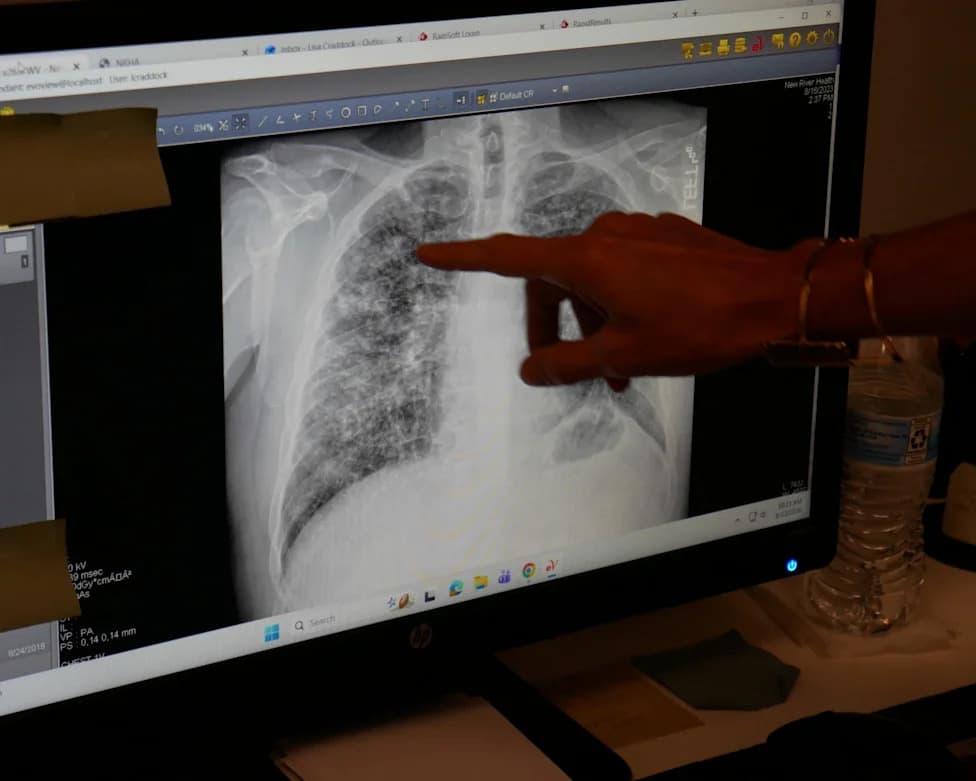
Silica exists in different forms. Crystalline silica (found in quartz and sand) is a well-documented respiratory hazard linked to silicosis, lung cancer, COPD and other diseases when workers inhale fine crystalline particles over long periods. Amorphous silica — the form used as a food additive — has a disordered molecular structure and, when synthetically produced under controlled conditions, should not contain crystalline contamination.
Regulatory Limits and What They Mean
The U.S. Food and Drug Administration allows silicon dioxide as a food additive but limits its use and requires that food-grade silica be synthetically manufactured to avoid contamination with crystalline silica. The FDA caps silica concentration in food at 2% by weight and advises manufacturers to use the minimum amount necessary for the intended purpose.
NIOSH (the CDC’s National Institute for Occupational Safety and Health) recommends an exposure limit for amorphous silica of 6 mg/m3 as a time-weighted average. NIOSH guidance also notes that research suggests amorphous silica is unlikely to cause irreversible disease at typical workplace levels, though it can cause temporary irritation with high exposures.
Simple Example To Give Context
Example calculation (illustrative only): A reported 350 g bag of the powder could contain up to 7 g of silica at the FDA 2% cap. If — hypothetically — 1% of the bag’s mass became airborne dust during handling, that would release about 7 mg of silica into the immediate air. Because NIOSH’s limit is given as mg per cubic meter averaged over time, and because dust plumes dissipate quickly, a brief release from a single scoop or pour is unlikely to push a worker’s time-weighted exposure above the recommended limit. That said, the 1% airborne fraction is illustrative and real dust generation depends on many variables (handling method, container design, ventilation, etc.).
What the Evidence Shows
Our review found no evidence that the powder’s listed ingredients pose a risk to consumers who ingest the finished beverages. However, we could not draw a definitive conclusion about potential health effects for employees who inhale airborne powder during preparation, especially under repeated daily exposures or in poorly ventilated spaces. Short-term irritation (coughing, throat or eye irritation, headaches) is a common response to inhaled particulates, even when those particulates are not chemically toxic.
Actions, Guidance And Precautions
- Employers should minimize dust generation during handling (use scoops, closed containers, careful pouring, and dedicated workstations).
- Improve ventilation in work areas and provide local exhaust where feasible.
- Provide training on safe handling and clear instructions about the product’s composition and risks.
- Consider using basic respiratory protection (e.g., masks) for workers who experience persistent symptoms, especially during peak handling tasks, and for employees with preexisting respiratory conditions.
- Workers who develop ongoing respiratory symptoms should seek medical evaluation and report concerns to management and any workplace safety representatives or unions.
Bottom Line
Available evidence and regulatory limits indicate the blending powder — including food-grade, synthetically manufactured silica — is safe to consume in Starbucks beverages. However, uncertainty remains about the effects of short-term inhalation of dusty powder during routine handling by baristas, particularly for those with prior respiratory conditions or in settings without adequate ventilation. Practical workplace controls and transparent manufacturer information can reduce dust exposures and help protect employees.
Note: This article summarizes regulatory guidance and published reviews; it does not replace medical advice or workplace safety assessments. For specific exposure testing or health concerns consult occupational health professionals or relevant regulatory agencies.