Tests by the University of Queensland found that disposable paper cups with thin polymer linings can release millions of micro- and nanoplastic particles into hot drinks. Biodegradable polylactic acid (PLA) linings shed about 12 times more nanoparticles than polyethylene linings. The study, published in ACS Food Science & Technology, highlights a previously overlooked exposure route and calls for clearer labelling and further research, while the health impacts remain uncertain.
Paper Coffee Cups Can Release Millions Of Micro- And Nanoplastic Particles, Study Finds

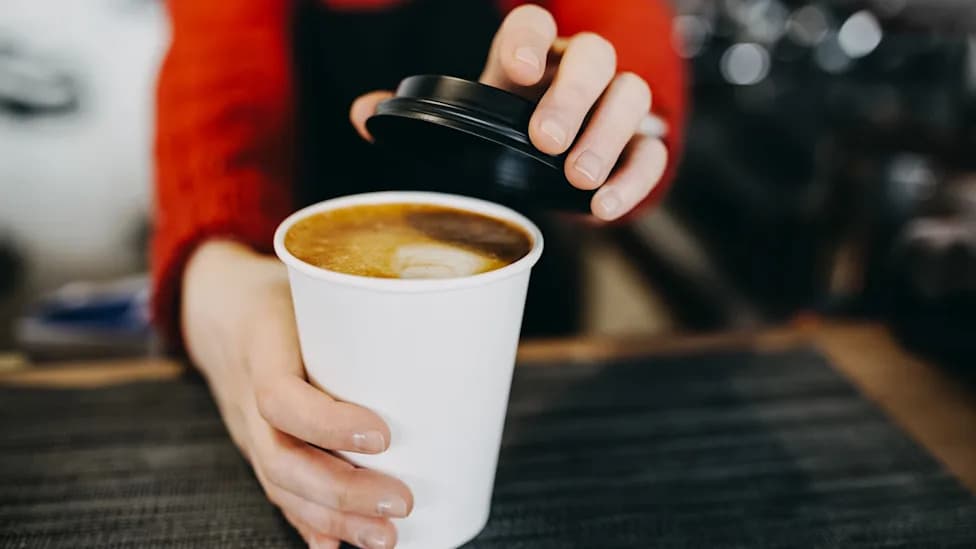
Millions of plastic particles may be swirling in your "paper" coffee cup, with some so tiny they're a thousand times narrower than a human hair. Christin Klose/dpa
Laboratory tests at the University of Queensland (UQ) show that disposable "paper" coffee cups can release millions of micro- and nanoplastic particles into hot drinks. Although the cups appear to be made mostly of paper, a thin polymer lining used to make them water-resistant sheds tiny plastic fragments when exposed to heat.
Key Findings
UQ researchers tested cups lined with two common materials: biodegradable polylactic acid (PLA) and fossil-fuel-derived polyethylene. Both linings released large numbers of plastic particles when a hot liquid was poured into the cups, but the PLA lining shed roughly 12 times more nanoparticles than the polyethylene lining. Some of the released particles are on the nanoscale — about a thousand times thinner than a human hair.
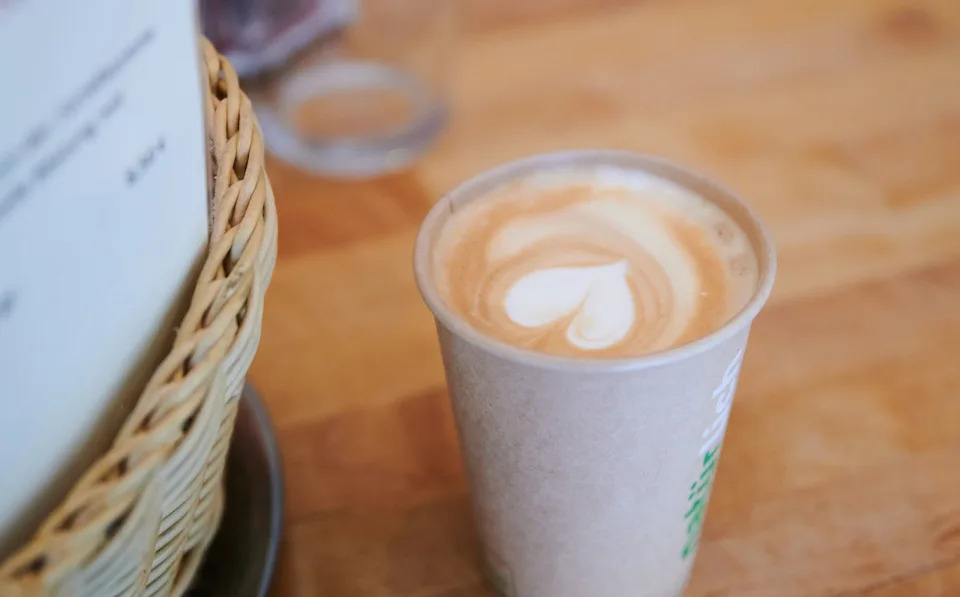
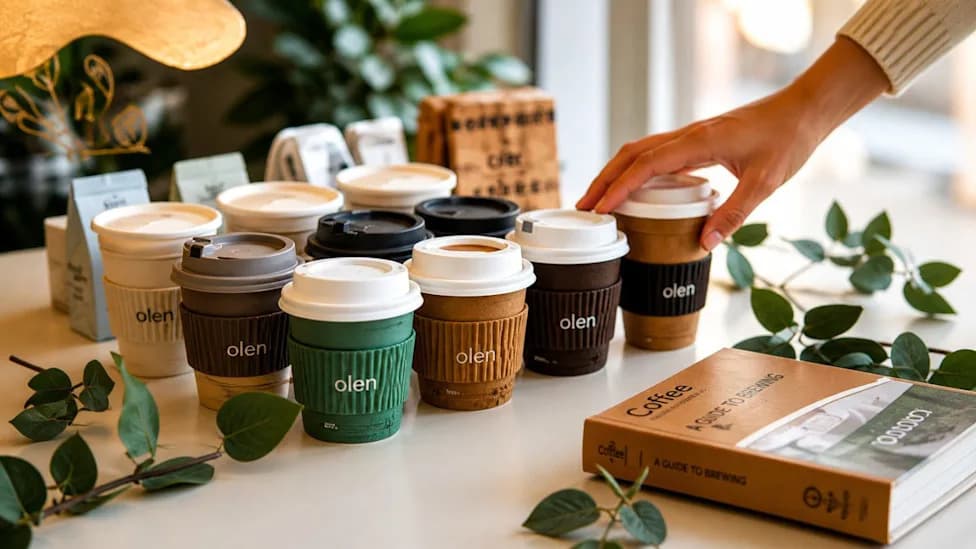
New research suggests coffee cups can release millions of plastic nanoparticles into hot drinks. Annette Riedl/dpa
"A cup made mostly of paper does not mean that the cup is plastic-free because many contain a thin plastic lining that provides water resistance and structural integrity," said Elvis Okoffo of the UQ research team.
Health, Regulation And What It Means For Consumers
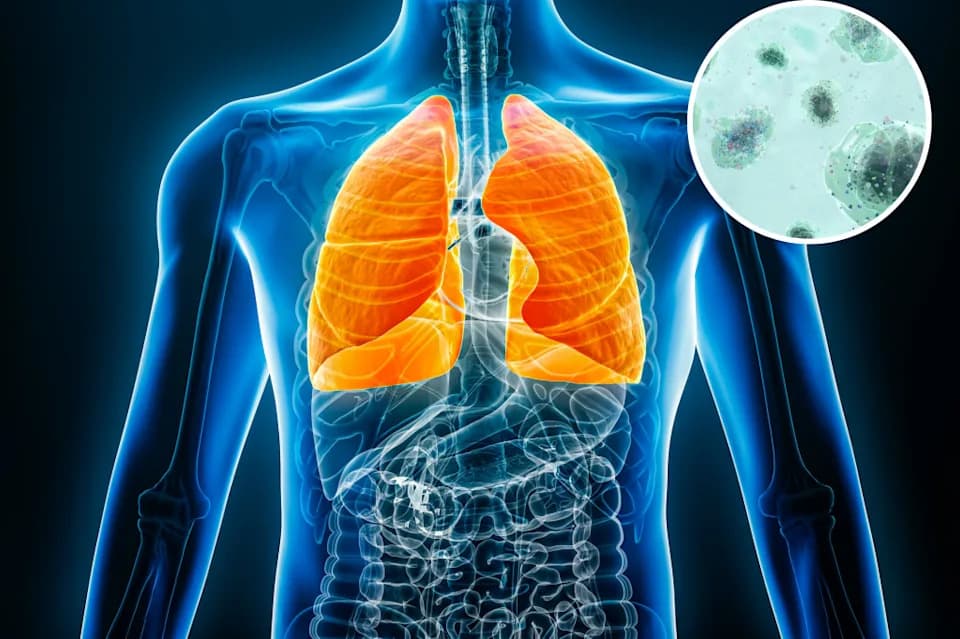
Microplastics and nanoplastics have been detected throughout the human body, including in blood and organs, and studies have shown these particles can cross physiological barriers in some cases. However, scientists say the direct health impacts of ingesting plastic particles remain unclear. The UQ team says their results point to a previously overlooked route of consumer exposure and recommends clearer product labelling so buyers can make informed choices.
The study was published in ACS Food Science & Technology. While the findings do not necessarily mean consumers should immediately stop using paper cups, they underscore the need for further research into how packaging materials behave under real-world conditions and for regulators to revisit labelling practices.
Bottom line: Many disposable cups marketed as "paper" contain polymer linings that can shed millions of microscopic and nanoscale plastic particles into hot beverages; the scale of potential health effects is still unknown and warrants more study.
Help us improve.