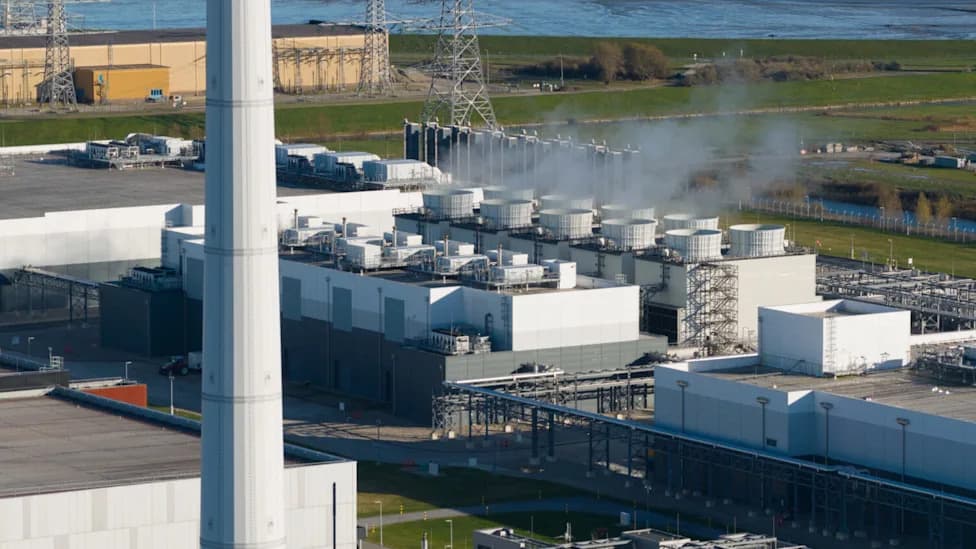
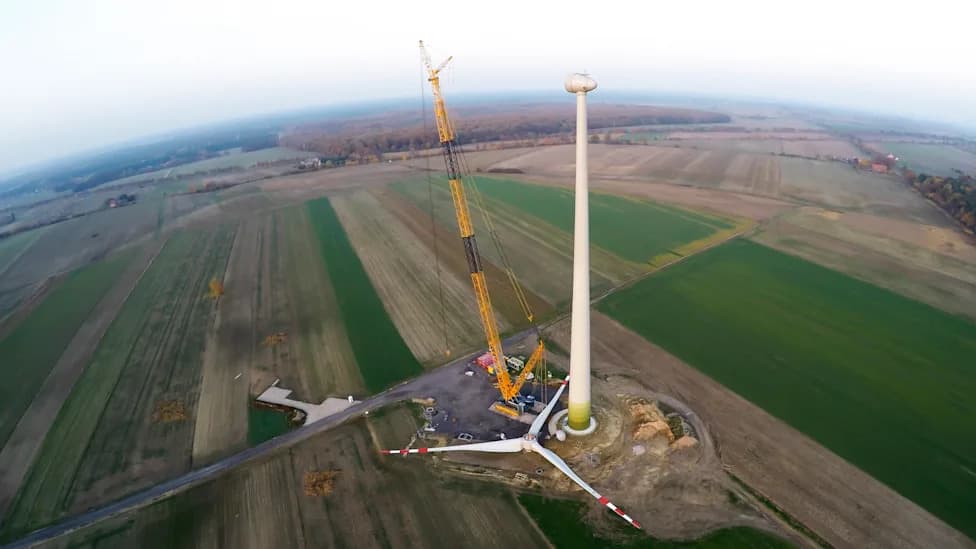
The Public Utility Commission of Texas paused action Aug. 3, 2026, on a proposed 765-kV, 1,200+ mile transmission network after widespread rural opposition. The project carries an estimated $33 billion upfront cost and nearly $100 billion over its lifetime, costs critics say would fall to ratepayers. Opponents — including more than 40 legislators and many landowners — cite eminent domain risks, shortened review windows after a 2023 law, and concerns the plan exceeded its original regional scope. Administrative judges will review segments while lawmakers consider policy changes and stronger private-property protections.
Texas Pauses $33 Billion, 1,200‑Mile Transmission Plan After Rural Backlash
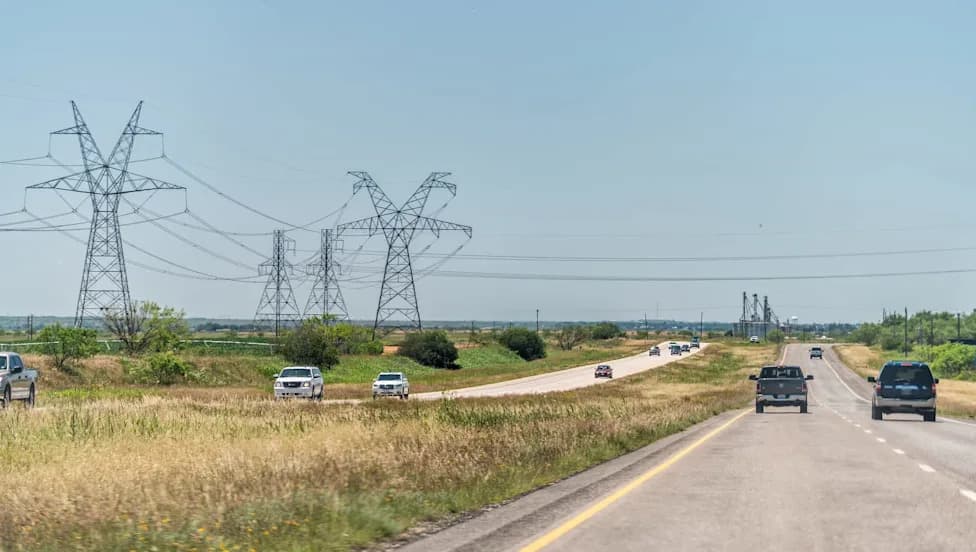
Photo Credit: iStock
State regulators in Texas have temporarily paused a sweeping transmission buildout after intense pushback from rural landowners and state lawmakers. The hold delays a proposed 765-kilovolt network that developers say would run more than 1,200 miles and could be the largest extra‑high‑voltage expansion in Texas history.
What the Pause Means
On Aug. 3, 2026, the Public Utility Commission of Texas (PUCT) suspended action on several key rulings tied to the proposal, according to KSST Radio. The abatement leaves final approvals pending while administrative law judges separately review parallel segments of the plan, giving opponents more time to challenge cost, need, and routes.
Scope, Cost and Concerns
Developers estimate roughly $33 billion in upfront costs and nearly $100 billion over the project’s lifetime. Critics say those costs would ultimately be passed on to electricity customers. The plan would move power from East and Central Texas toward West Texas to meet growing industrial demand in the Permian Basin and other regions.
Opposition crossed party lines: more than 40 state legislators, including Lt. Gov. Dan Patrick, joined numerous landowners in Central and West Texas in objecting to what they say is an unauthorized expansion of scope beyond its original regional reliability intent.
Property Rights, Environmental and Legal Issues
Landowners have raised multiple concerns: potential use of eminent domain, lower property values, risks to sensitive ecosystems and historic or agricultural landscapes. They also argue their ability to contest routing diminished after a 2023 law shortened the formal review window from 360 days to 180 days, reducing the time available for legal and public challenges.
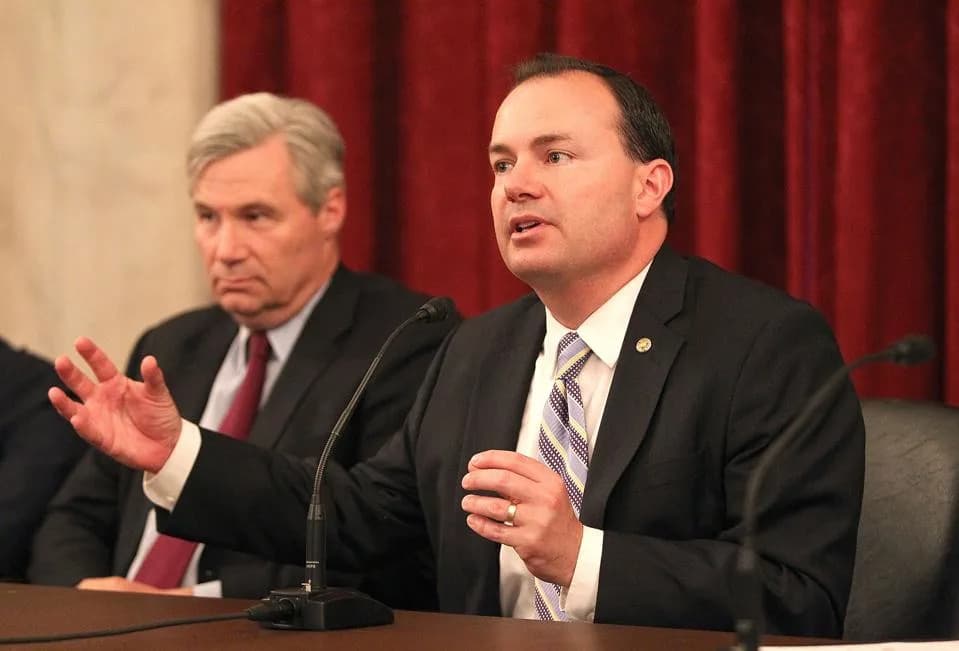
State Rep. Brad Buckley: "What began as a small regional transmission project to energize the Permian Basin has literally become a statewide transmission plan that was not authorized by the Legislature. Pause this project, make the applicants prove the need, and let's get it in alignment with our electrical generation needs."
Broader Policy Debate
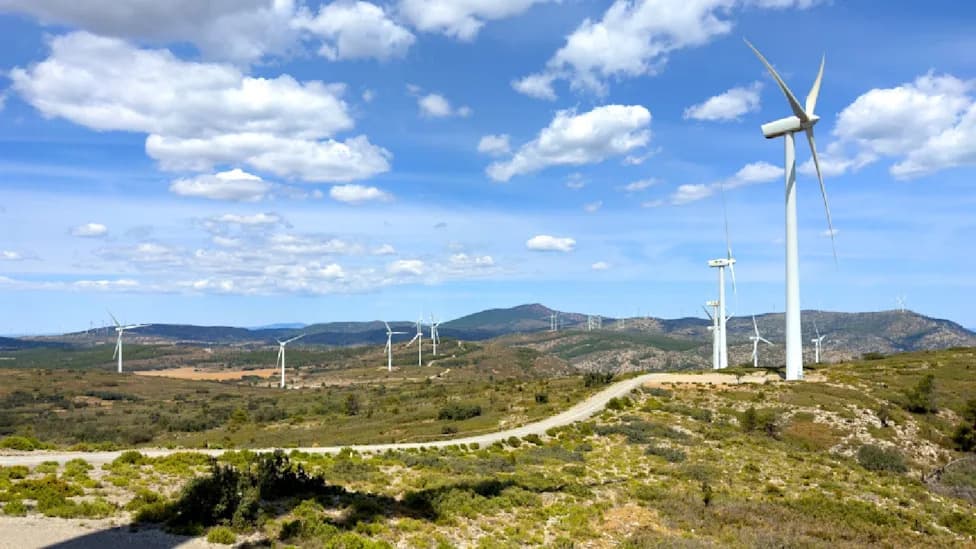
The dispute underscores a larger question about how Texas should meet rising power demand. The proposal emphasizes long-distance transmission to bring remote wind and solar into demand centers, while critics argue for prioritizing local natural gas generation closer to the Permian Basin. Landowner groups have derided the long‑distance approach as "hauling water to the sea," warning that large-scale transmission could proceed before alternatives are fully evaluated.
Next Steps
With the PUCT's abatement in place, administrative judges will continue reviewing segments of the plan and lawmakers have signaled interest in policy changes — including revisiting review timelines and strengthening private‑property safeguards before permanent transmission corridors are approved.
Current status: Approvals are paused; legal review continues and legislative proposals on oversight and property protections are expected.
Help us improve.