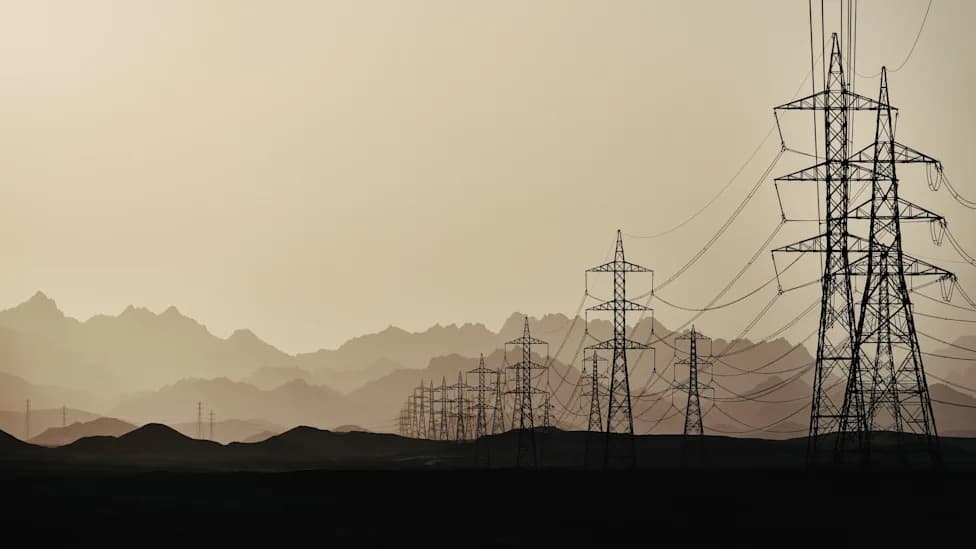
Texas has issued a Request for Information seeking input on geothermal, small modular nuclear reactors (SMRs) and gas-fired plants on state-owned land to strengthen grid reliability. The Texas General Land Office, which manages more than 13 million acres, wants to identify suitable sites, development approaches and interested developers. Revenue from any projects would support the Permanent School Fund, and the effort is part of the "Texas Engine: Fueled, Fed and Fortified" strategy. Next steps will depend on responses to the RFI and follow-up site assessments.
Texas Issues RFI for Geothermal, Small Modular Nuclear and Gas Plants on State Land to Bolster Grid Reliability
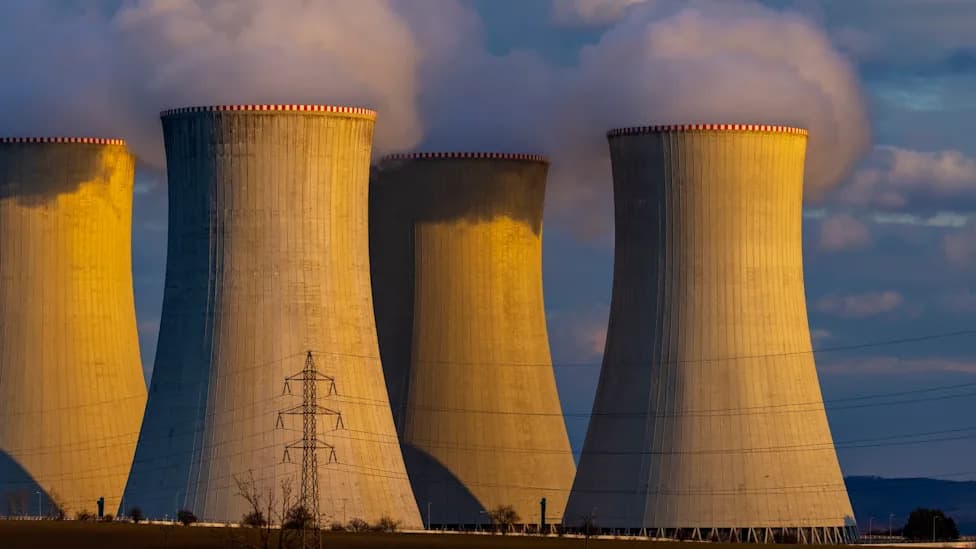
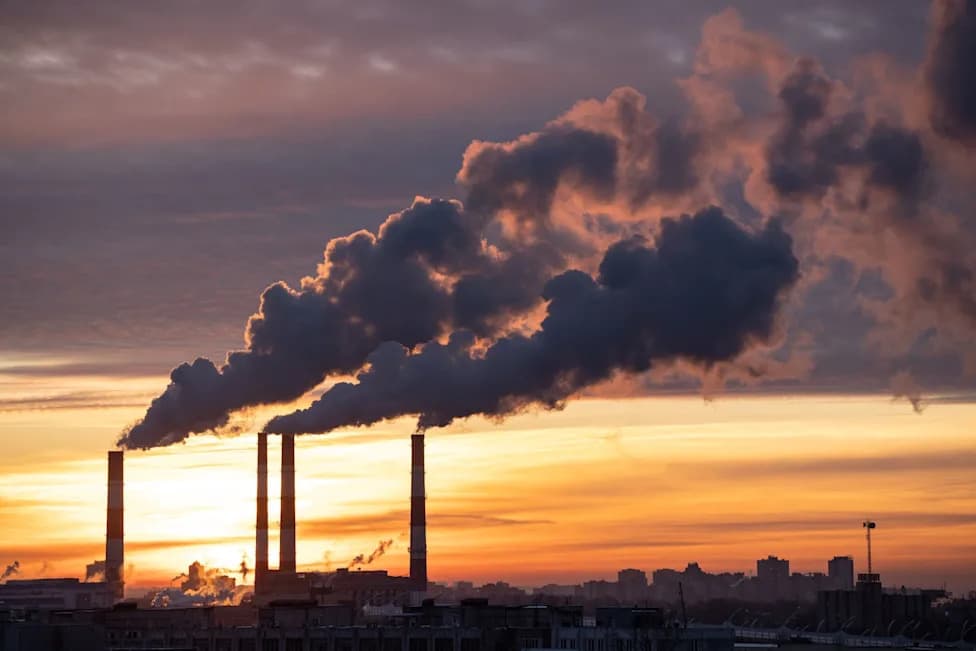
Photo Credit: iStock
Texas officials are soliciting industry input on a new round of power projects on state-owned land, evaluating geothermal energy, small modular nuclear reactors (SMRs) and natural gas plants as options to strengthen electric grid reliability.
What the Request for Information Covers
The Texas General Land Office (GLO) has issued a Request for Information (RFI) inviting responses from developers, energy producers, technology vendors and other stakeholders about building new generation on state land, according to KPRC Click2Houston. The RFI seeks details about suitable parcels, technical and commercial development approaches, and which companies might pursue projects.
Project Types Under Consideration
- Small Modular Reactors (SMRs): Compact nuclear units that offer steady, baseload power.
- Geothermal: Installations that tap underground heat to produce continuous electricity.
- Gas-Fired Plants: Rapidly dispatchable units that can ramp up when demand spikes or renewables fall short.
As Texas adds residents, businesses and industrial operations, pressure on the electric grid continues to increase. The GLO says it is prioritizing power sources that are "dependable and dispatchable," combining always-on resources with flexible, fast-ramping capacity to meet peak needs.
"Texas built its economy by putting our natural resources to work, and we cannot afford to stop innovation now. Our state needs dependable energy to power homes, businesses, manufacturing, and the next generation of American industries," Commissioner Dawn Buckingham said.
The GLO manages more than 13 million acres of state land and mineral rights. Revenue generated from development on those lands flows to the Permanent School Fund, which supports public education in Texas.
How This Fits Into Broader State Strategy
The RFI aligns with the GLO's broader agenda to expand responsible use of state resources under the "Texas Engine: Fueled, Fed and Fortified" strategy. That agenda also includes critical-minerals initiatives, such as work connected to USA Rare Earth's Round Top Mountain project in Hudspeth County, which is slated for commercial production in 2028.
Texas has been expanding its energy footprint in recent years — from large solar installations to grid-scale battery storage — and the RFI represents a move to diversify dispatchable capacity as demand rises.
Next Steps
The GLO will review responses to the RFI to help identify viable state-land sites, clarify development requirements, and determine which project types and partners are practical to pursue. Any formal procurement or lease decisions would follow further evaluation and stakeholder engagement.
Help us improve.