Lieutenant Governor Dan Patrick publicly condemned a proposed multiyear pay package for ERCOT CEO Pablo Vegas, prompting Vegas to say the contract will not be signed and that he will remain on his current terms through 2027. Documents showed "potential earned" compensation of up to $6.4 million for 2027, though Vegas said the actual maximum payable would have been roughly $4.1 million. The dispute underscores accountability and transparency concerns as Texas electricity prices have risen about 40% since 2020 and the grid operator faces growing demand and legacy challenges from the 2021 winter storm.
ERCOT CEO Pay Deal Paused After Lt. Gov.'s Rebuke — Raises Questions As Electricity Bills Climb
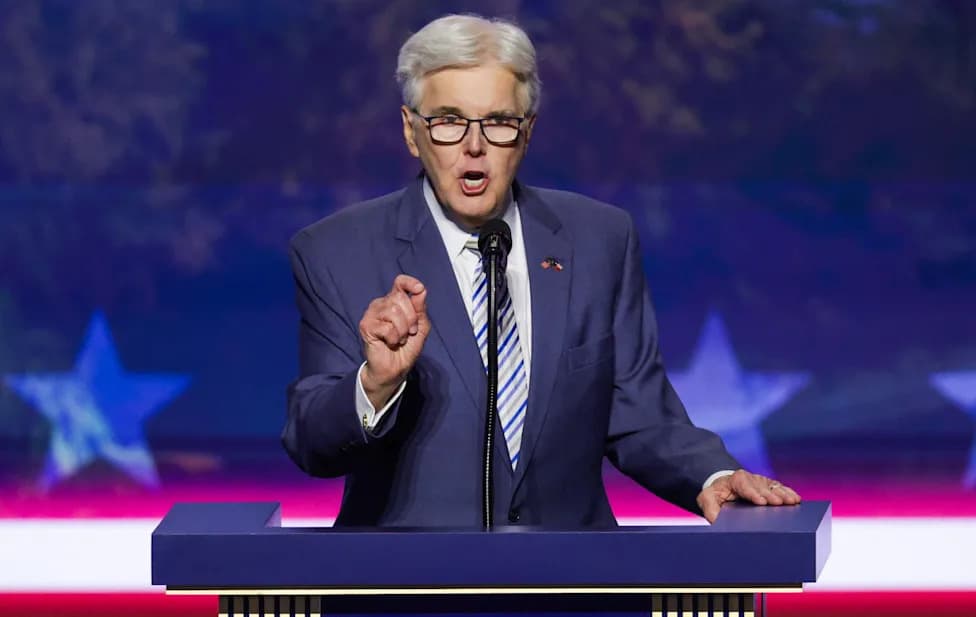
Photo Credit: Getty Images
A proposed multiyear compensation package for Electric Reliability Council of Texas (ERCOT) President and CEO Pablo Vegas has been put on hold after Lieutenant Governor Dan Patrick publicly criticized the plan, spotlighting political sensitivity around executive pay as Texas households grapple with higher power costs.
What Happened
Documents tied to a proposed six-year extension showed "potential earned compensation" for Vegas reaching as high as $6.4 million in 2027. Following Patrick's rebuke, Vegas said the newly approved contract would not be signed and that he will remain on his existing agreement through 2027.
"During a time of increasing utility costs, this is not the time to give the CEO of ERCOT a multi-million-dollar pay raise on the backs of ratepayers." — Lt. Gov. Dan Patrick
Why The Numbers Sparked Confusion
The dispute centered on how the package was presented: a public slide deck showed "potential earned compensation" of more than $6.4 million for 2027, a figure that combined base salary, bonuses and long-term incentives. Vegas and others argued the slide was confusing and that the maximum actually payable in 2027 under the proposed terms would be about $4.1 million.
Vegas told The Texas Tribune the board never took a separate vote to formally rescind its earlier approval and described the presentation as "confusing to anyone who looked at it." He also said the board's earlier action signaled support for an eventual contract extension, even if the vote was not finalized amid the backlash.
Ratepayers, Funding And Broader Context
ERCOT’s operations are largely funded through an administrative charge billed to retail electric providers and municipal utilities — a cost generally passed on to customers. Reporting that cited ElectricChoice data notes average statewide retail electricity prices have risen roughly 40% since 2020, from about 11.50¢/kWh to 16.11¢/kWh in 2026.
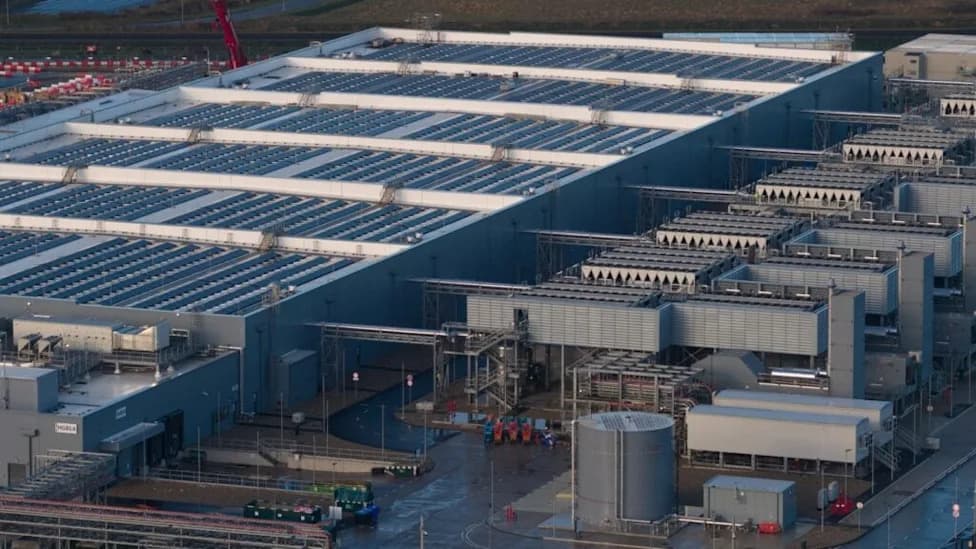
The grid operator is operating under heavy strain: demand is rising, large data centers are connecting to the system, transmission congestion persists, and ERCOT continues to contend with fallout from the February 2021 winter storm that left millions without power and caused hundreds of deaths. Vegas was hired in 2022 after former CEO Bill Magness was dismissed following that crisis.
According to ERCOT’s 990 form cited by The Texas Tribune, Vegas received $3.6 million in total compensation in 2024. The board also voted to trim its administrative fee slightly — from $0.63 to $0.61 per megawatt-hour — a change that is small relative to the larger increase in consumer electricity prices.
What Comes Next
For now, the approved contract will not be signed and Vegas will remain on his current terms through 2027. The board indicated it still supports finalizing a longer-term agreement, but the public backlash and political pressure have paused that process and left questions about how compensation was presented and approved.
Implications: The episode highlights tension between governance transparency, executive pay, and the political optics of ratepayers absorbing ERCOT’s administrative costs amid rising utility bills.
Help us improve.