Russia is exploiting a shortage of ballistic‑missile interceptors to mount fast, deadly strikes on Ukrainian cities. Recent attacks combined ballistic, cruise and anti‑ship missiles with hundreds of strike drones. Kyiv is urgently seeking more Patriot PAC‑3 interceptors and permission to co‑produce components while analysts warn that depleted interceptor stocks and North Korean transfers are widening Ukraine’s defence gap.
How Russia’s Ballistic Missiles Are Exploiting Gaps in Ukraine’s Air Defences
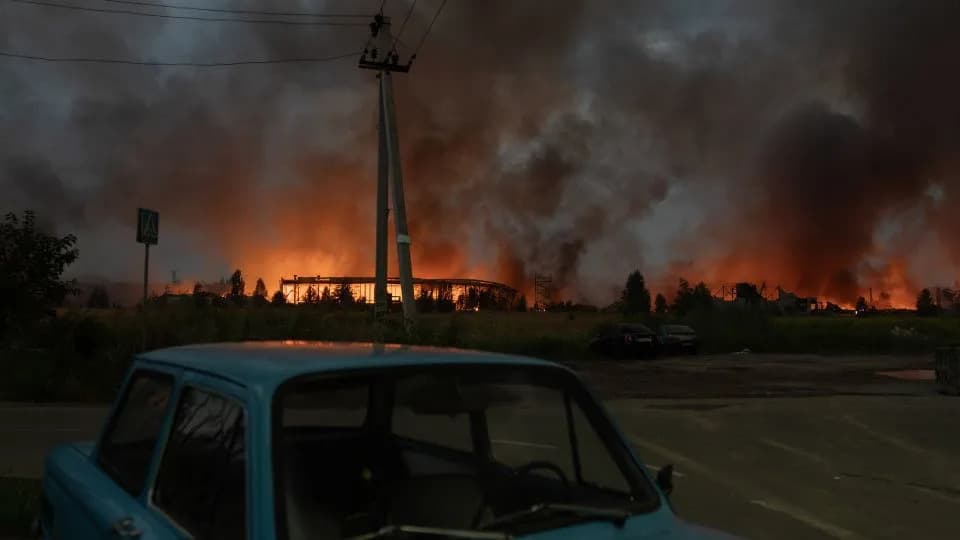
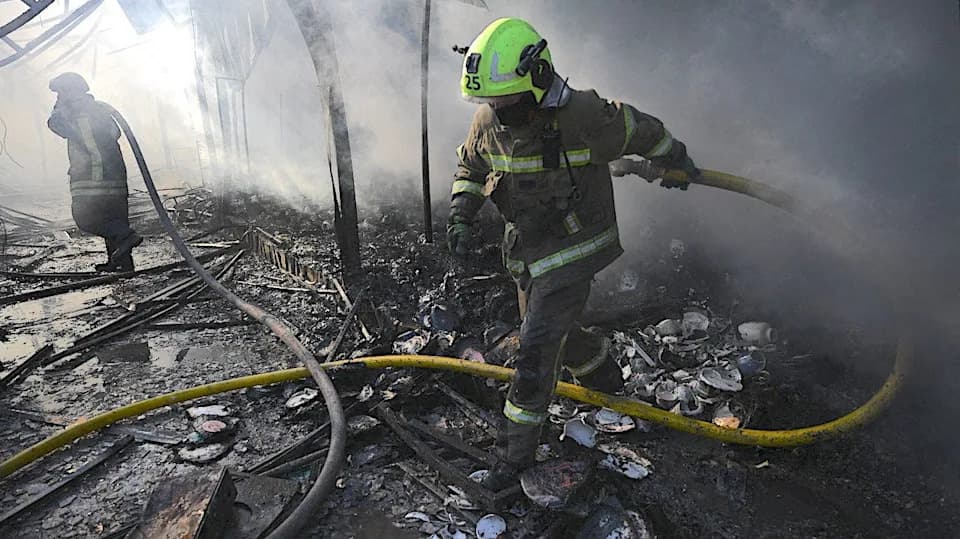
This photograph shows fire and smoke rising from a warehouse destroyed during massive Russian ballistic missile and drone strikes on the outskirts of Kyiv early on August 5, 2026, amid the Russian invasion of Ukraine. - Roman Pilipey/AFP/Getty Images
Russia has intensified a campaign of high-speed ballistic strikes on Ukrainian cities, exploiting a critical shortage of interceptors that can reliably stop re‑entering warheads. These attacks—often combined with cruise missiles and swarms of strike drones—have caused significant civilian casualties, damaged infrastructure and exposed limits in Ukraine’s layered air-defence network.
The Scale And Recent Attacks
Ukrainian authorities report increasingly complex waves of strikes. One recent assault focused on Kyiv and Lviv involved four anti‑ship missiles, nine ballistic missiles, 61 cruise missiles and nearly 300 strike drones launched across the country. On another night more than two dozen ballistic and anti‑ship missiles struck the Kyiv region; all reportedly penetrated defences and at least 17 people were killed.
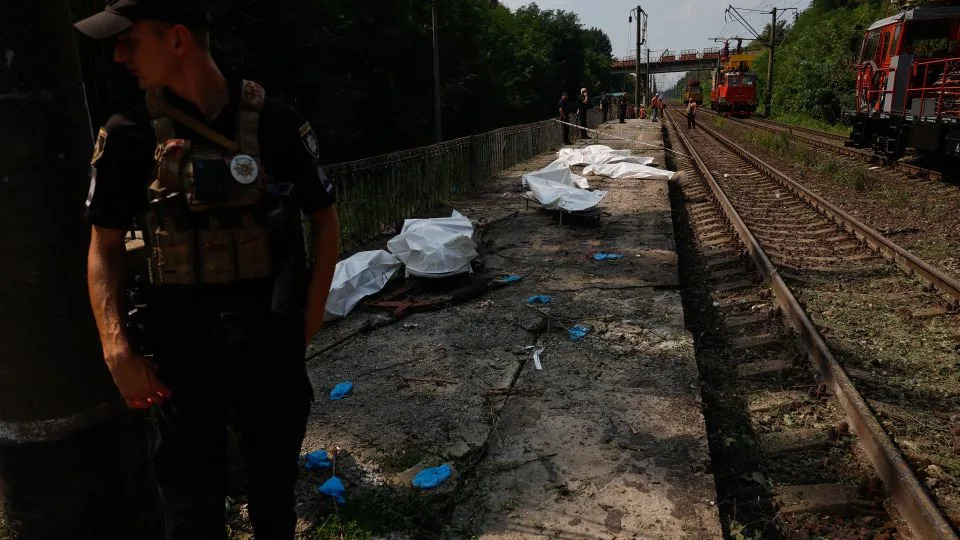
A policeman stands next to bodies in plastic bags of people killed during Russian ballistic missile and drone strikes, at a railway station in the Kyiv region on August 5, 2026. - Mykola Tymchenko/AFP/Getty Images
How Ballistic Missiles Differ
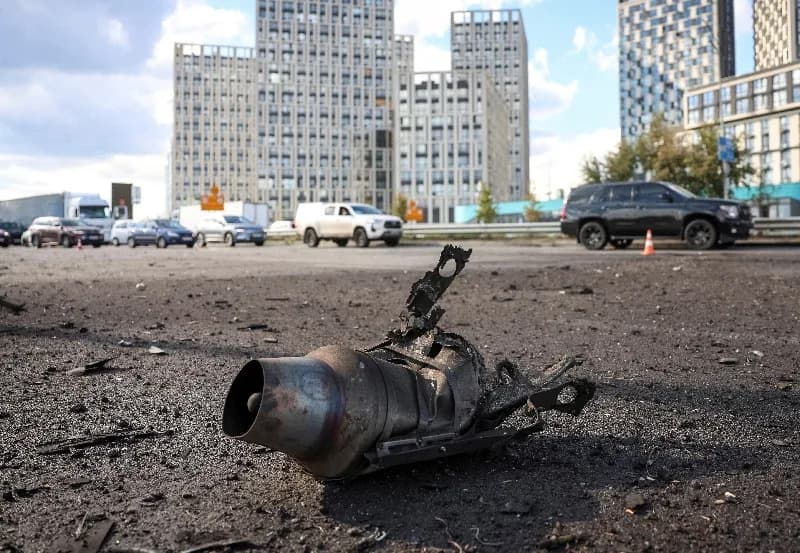
Ballistic missiles follow a high‑arc, rocket‑boosted trajectory and re‑enter the atmosphere at very high speed—making them harder to intercept than cruise missiles or drones. Short‑range systems such as the Russian Iskander can travel at Mach 6–7 and carry large warheads; longer‑range and hypersonic weapons reach even greater velocities and compress warning times for defenders.
Why Interceptors Matter
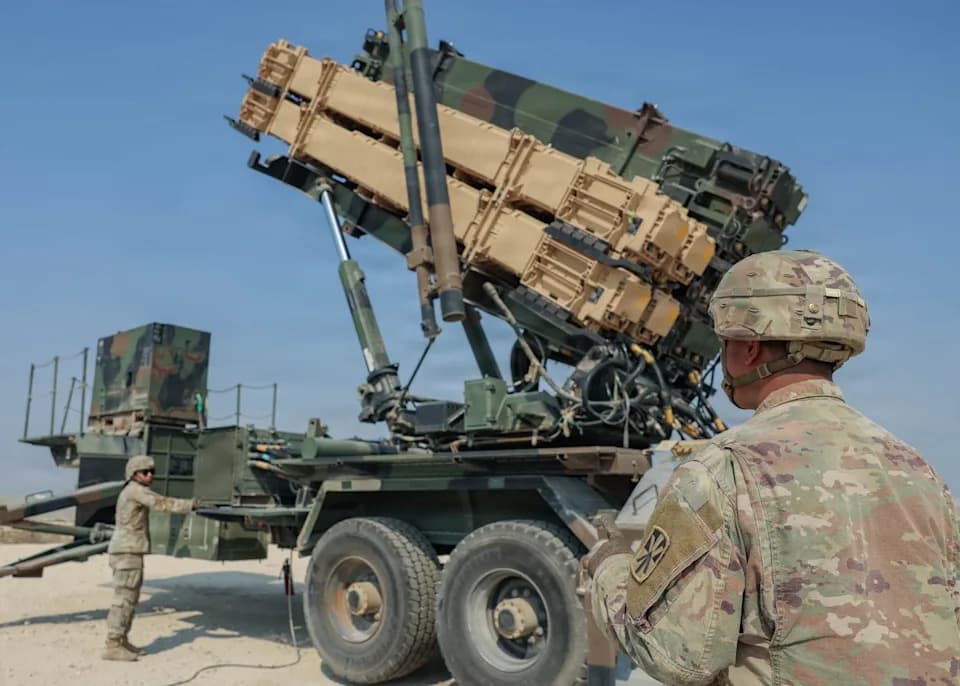
Few systems can reliably defeat ballistic warheads. The US‑made Patriot PAC‑3 uses hit‑to‑kill kinetics—steering into the incoming warhead to destroy it by direct impact—making it one of the most effective options. Ukrainian leaders have repeatedly urged partners for more interceptors and asked to be permitted to co‑produce components to rebuild depleted stocks.

A local resident of a damaged multi-story residential building, holds her daughter following a Russian missile strike on the Ukrainian capital of Kyiv on July 6, 2026. - Genya Savilov/AFP/Getty Images
President Volodymyr Zelensky: Missile interceptors could have saved lives today. Delays or reluctance to supply them lead directly to horrific casualties and destruction.
Other Threats: Cruise Missiles And Drones
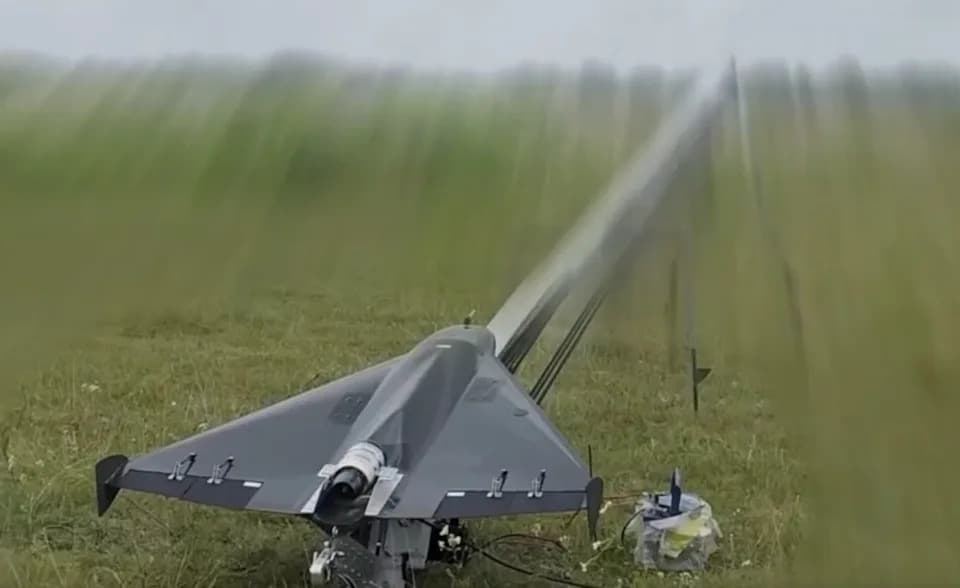
Cruise missiles fly low and can carry large payloads, using terrain‑masking to evade radar. Russia’s Kalibr naval cruise missile, for example, can cruise tens of meters above sea or ground. Strike drones—including massed Geran‑2/Shahed variants and small FPV attack drones—are cheaper and abundant; Ukraine has developed effective layered tactics to counter many of them, but their numbers still pose a constant hazard.
Supply Constraints And International Factors
Ukraine’s missile‑defence gap has been worsened by global demands on interceptor inventories. US forces have reportedly used many THAAD interceptors in recent conflicts, and Patriot interceptor stocks have fallen since the war began. Ukrainian officials also say Russia is replenishing some stocks with North Korean KN‑23 missiles, a close analogue to the Iskander, which have been blamed for deadly strikes in Dnipropetrovsk region.
What Kyiv Is Asking For—and What Comes Next
Kyiv is pressing partners for more Patriot interceptors and for a licence to co‑produce critical components, arguing that domestic production would speed replenishment and improve resilience. Washington has signalled limited willingness to discuss co‑production but warned that sensitive technology transfers are complex. Analysts urge Ukraine to pursue alternate plans to reduce Russia’s launch potential while interceptor supply is constrained.
With Russian missile production continuing and global interceptor stocks strained, Ukraine’s cities remain at high risk. Strengthening air defences, diversifying tactics and sustained international support will be essential to reduce civilian harm and blunt the rocket campaign.
Help us improve.